
Find Water Tank Installation in Your Area
- Water Tank Installation in Edmonton
- Water Tank Installation in Victoria
- Water Tank Installation in Winnipeg
- Water Tank Installation in Fredericton
- Water Tank Installation in St. John's
- Water Tank Installation in Yellowknife
- Water Tank Installation in Halifax
- Water Tank Installation in Iqaluit
- Water Tank Installation in Toronto
- Water Tank Installation in Charlottetown
- Water Tank Installation in Quebec
- Water Tank Installation in Regina
- Water Tank Installation in Whitehorse
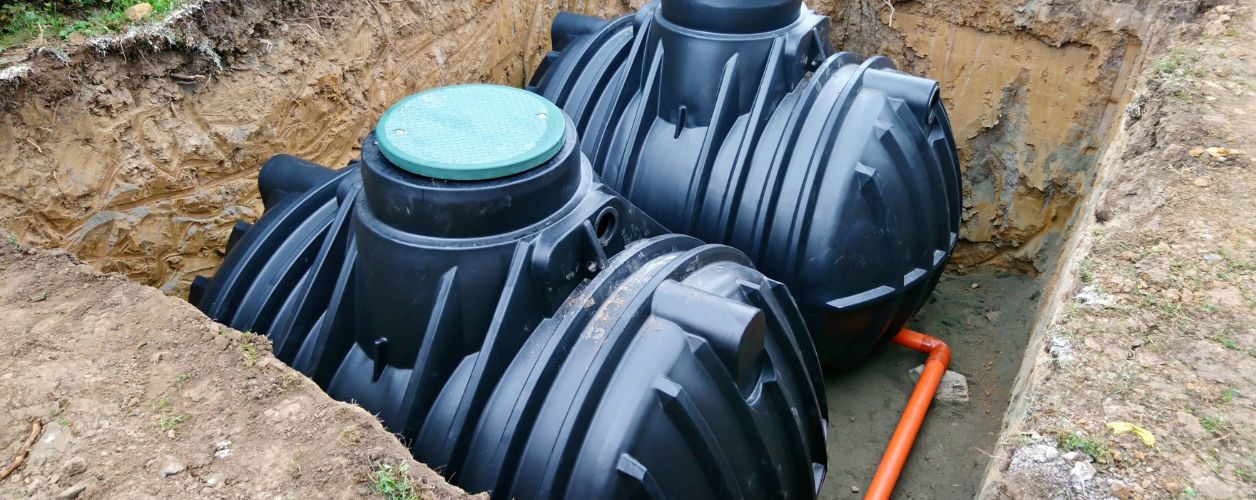
Premier Water Tank Installation Experts Near You: Your Go-To Solution for Reliable Services
Water tank installation involves the professional setup of containers designed to store water for various uses, ranging from residential drinking water and household use to large-scale agricultural irrigation and fire protection. In many parts of Canada, especially in rural or off-grid areas, a reliable water storage system is the backbone of a functional home or business. Proper installation ensures that your water remains clean, the pressure remains consistent, and the structural integrity of the tank is maintained against the elements.
Engaging a professional for this task is critical because water is heavy and potentially destructive. A 1,000-litre tank weighs a metric tonne when full; if the foundation is uneven or the plumbing connections are weak, the risk of property damage or system failure is high. Experts understand the nuances of material selection—such as choosing between UV-rated plastics or reinforced concrete—and ensure that the system integrates seamlessly with your existing pump and filtration setup.
Common Services Included in This Category
- Residential pressure tank installation for well systems
- Rainwater harvesting tank setup and filtration integration
- Underground water storage tank excavation and placement
- Overhead or rooftop tank installation for gravity-fed systems
- Commercial and industrial water storage solutions
- Replacement of aged, leaking, or corroded tanks
- Concrete water tank pouring and sealing
- Steel and stainless steel tank assembly
- UV-stabilized plastic (poly) tank positioning
- Agricultural and livestock watering tank setup
- Fire protection water reserve installation
- Water tank foundation and pad preparation
- Connection of tanks to internal plumbing and pump systems
- Installation of level sensors and automated shut-off valves
- Winterization and insulation of outdoor storage units
How the Installation Process Typically Works
The process begins with a comprehensive site assessment. A professional will evaluate your water usage requirements, the landscape's load-bearing capacity, and the proximity to your plumbing entry point. For underground tanks, this includes soil testing and checking for utility lines. For overhead tanks, it involves assessing the structural integrity of the supporting building or tower.
Once a site is selected, foundation preparation is the next vital step. This might involve pouring a level concrete slab or creating a compacted sand or crusher-dust base to prevent the tank from shifting or cracking over time. After the base is ready, the tank is positioned, and the plumbing experts install the inlet, outlet, and overflow pipes. The final stage involves testing the system for leaks, ensuring the venting is correct to prevent vacuum collapse, and verifying that the water pressure meets the property's needs.
Your Future Water Tank Installation Hero Is Just One Task Away — Let’s Find Them
How to Choose the Right Water Tank Professional
Verify Specialized Material Expertise
Different tank materials require different skill sets. If you are installing a large-scale concrete tank, you need a contractor with masonry and sealing expertise. For poly or steel tanks, the focus shifts to plumbing precision and base preparation. Ask potential providers about their experience with the specific material you intend to use.
Check for Comprehensive Service Offerings
A high-quality provider doesn't just "drop" a tank. They should offer an end-to-end service that includes site leveling, plumbing connections, and advice on pump compatibility. Choosing a professional who understands the entire water cycle—from collection to consumption—ensures your system operates efficiently without requiring multiple contractors.
Prioritize Transparency and Planning
Look for professionals who provide a detailed written estimate. This should include the cost of the tank itself, the materials for the base, plumbing fixtures, and labour. A reliable expert will also discuss potential challenges, such as accessibility for delivery vehicles or the need for specific permits for large-scale storage.
Evaluating Pricing and Cost Factors
The cost of water tank installation can vary significantly based on the scale and complexity of the project. On average, residential installations can range from $1,200 to $8,000, while large-scale commercial or underground systems can exceed $15,000.
| Factor | Impact on Cost | Details |
|---|---|---|
| Tank Material | Moderate to High | Plastic (Poly) is generally the most affordable; Steel and Concrete are higher. |
| Installation Type | High | Underground tanks require excavation, which significantly increases labour costs. |
| Capacity (Volume) | Moderate | Larger tanks cost more, but the "per-litre" cost often decreases with size. |
| Site Accessibility | Variable | Difficult-to-reach locations may require cranes or specialized transport. |
| System Complexity | Moderate | Adding filtration, UV purifiers, or advanced pump sets adds to the total. |
Common Use Cases for New Water Tanks
Many homeowners seek professional installation when their existing well produces a low yield, necessitating a storage buffer to meet peak demand. Others invest in rainwater harvesting systems to reduce their environmental footprint and provide a sustainable source for irrigation or greywater use. In regions prone to service interruptions, a backup storage tank provides peace of mind, ensuring a continuous water supply for hygiene and consumption during emergencies.
Your Future Water Tank Installation Hero Is Just One Task Away — Let’s Find Them
Questions to Ask Before Hiring
- Do you handle the foundation preparation, or do I need to hire a separate contractor?
- What type of tank material do you recommend for my specific soil or climate conditions?
- How do you ensure the tank remains secure during extreme weather or high winds?
- Can you integrate the new tank with my existing pump and filtration system?
- What kind of warranty do you provide on the installation labour versus the tank itself?
- Will you be responsible for the disposal of my old water tank if this is a replacement?
- What maintenance steps will I need to perform to keep the system running optimally?
Common Mistakes to Avoid
One of the most frequent errors is underestimating the size of the tank needed. Users often buy for their average daily use rather than planning for peak periods or extended dry spells. Another critical mistake is neglecting the foundation; a tank placed on uneven ground will eventually stress and crack, leading to catastrophic failure. Lastly, many property owners overlook the importance of proper "first flush" diverters in rainwater systems, which leads to sediment buildup and poor water quality inside the tank.
Related Categories for Heating
Find Water Tank Installation in States
- Water Tank Installation in Alberta
- Water Tank Installation in British Columbia
- Water Tank Installation in Manitoba
- Water Tank Installation in New Brunswick
- Water Tank Installation in Newfoundland and Labrador
- Water Tank Installation in Northwest Territories
- Water Tank Installation in Nova Scotia
- Water Tank Installation in Nunavut
- Water Tank Installation in Ontario
- Water Tank Installation in Prince Edward Island
- Water Tank Installation in Quebec
- Water Tank Installation in Saskatchewan
- Water Tank Installation in Yukon
Answers to Your Common Questions
Experts can install a variety of tanks including above-ground and underground tanks, rainwater harvesting systems, and hot or cold water storage tanks. They work with materials like plastic (poly), steel, and concrete, depending on your needs.
Installation costs vary based on tank size, type, and site prep. On average, expect to pay between $1,000 and $5,000, including materials, delivery, and professional installation.
You may need a permit, especially for large-capacity tanks, underground installations, or when connecting to plumbing or stormwater systems. Your installer can usually guide you through the process or handle it for you.
Yes—many tanks are installed with pumps and filtration systems to supply water for toilets, laundry, garden irrigation, or even full household use (when approved and treated properly).