
Find Gas Line Installation in Your Area
- Gas Line Installation in Edmonton
- Gas Line Installation in Victoria
- Gas Line Installation in Winnipeg
- Gas Line Installation in Fredericton
- Gas Line Installation in St. John's
- Gas Line Installation in Yellowknife
- Gas Line Installation in Halifax
- Gas Line Installation in Iqaluit
- Gas Line Installation in Toronto
- Gas Line Installation in Charlottetown
- Gas Line Installation in Quebec
- Gas Line Installation in Regina
- Gas Line Installation in Whitehorse
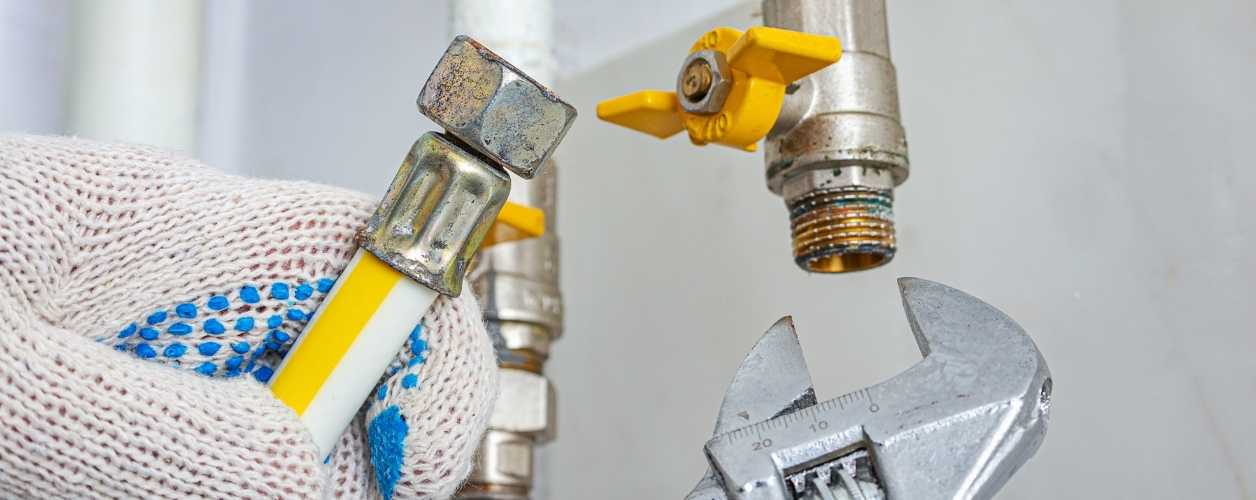
Find Expert Gas Pipe Installation Near You
Running a new gas line is a critical property upgrade that fuels high-efficiency appliances, outdoor kitchens, and reliable backup generators. Whether you are switching from an electric stove to a gas range, adding an outdoor fire pit, or remodeling a home to accommodate a new heating system, establishing a safe fuel supply is the first step. Adding or modifying gas infrastructure allows property owners to enjoy faster cooking times, lower energy costs, and uninterrupted power during outages.
Because natural gas and propane are highly combustible, working with them requires specialized knowledge and extreme precision. This is never a do-it-yourself project. Hiring trained professionals ensures that the piping is routed correctly, joints are perfectly sealed, and the entire system is properly ventilated. When you hire an expert, you can expect a comprehensive service. A professional will evaluate your current gas load, obtain the necessary permits, carefully install the pipes, and conduct rigorous pressure tests to guarantee the system is entirely leak-free before it is ever put to use.
Your Future Gas Line Installation Hero Is Just One Task Away — Let’s Find Them
Understanding the Installation Process and Costs
Common Services Provided
Gas line installation encompasses a variety of specific projects depending on your household or business needs. Professionals in this category typically handle:
- Running entirely new supply lines from the meter to the building
- Extending existing indoor pipes to newly renovated kitchens or laundry rooms
- Installing exterior underground lines for pool heaters, grills, and fire features
- Capping off old, unused gas lines securely
- Converting appliance connections to accommodate changes between natural gas and propane
How the Process Works
The installation process begins with a thorough site assessment. The technician will calculate the Total BTU (British Thermal Unit) requirement of your new and existing appliances to determine the correct pipe diameter. Undersized pipes can starve appliances of fuel, while proper sizing ensures efficient operation. Next, the installer maps out the safest route, which may involve drilling through floor joists or trenching through a yard. Once the materials are selected—typically rigid black iron for indoors, flexible corrugated stainless steel tubing (CSST) for complex indoor routing, or specialized poly pipe for underground burial—the physical installation takes place. The final and most crucial step is a high-pressure air test, where the system is pressurized and monitored with a gauge to confirm there are absolutely no leaks.
Factors Influencing Cost and Timelines
Several variables dictate the final price and the duration of the job. The most significant factor is the distance from the main gas source to the new appliance; longer runs require more materials and labor. Accessibility also plays a massive role. Running a pipe through an unfinished basement or an open crawlspace is straightforward and fast, whereas opening up finished drywall or trenching beneath a concrete driveway adds significant time and expense. Timelines are heavily dependent on permit processing and municipal inspection schedules, as work often must pause until an inspector signs off on the rough-in piping.
A frequent challenge property owners face is discovering that their current gas meter cannot handle the increased fuel demand of a new appliance. This situation requires coordinating with the local utility provider for a meter upgrade before the installation can be completed. Additionally, outdoor installations must navigate around existing underground utilities, requiring careful digging and planning.
Your Future Gas Line Installation Hero Is Just One Task Away — Let’s Find Them
How to Hire the Right Professional and Prepare
Identifying Qualified Experts
Bringing someone in to work on a combustible fuel system requires careful vetting. To identify a high-quality professional, look for specialists who focus heavily on gas piping and plumbing rather than general handymen. They should carry liability insurance specifically covering gas work and be willing to explain their safety protocols clearly. A reputable professional will always insist on pulling the proper permits, as this protects your property and ensures the work complies with strict building and fire codes.
Questions to Ask Before Booking
Before finalizing your decision, ask a few targeted questions to gauge the provider's expertise:
- Who is responsible for securing the permits and scheduling the final inspection?
- What type of piping material do you recommend for this specific project, and why?
- How do you conduct your pressure testing, and how long does the test last?
- Do you handle the final appliance connection, or just the pipe installation?
- How do you manage unforeseen obstacles, such as hitting rock while trenching outside?
Preparation Tips and Best Practices
To prepare for the installation, clear the designated path of any furniture, stored boxes, or landscaping debris. If the technician needs access to the meter, a basement, or a crawlspace, make sure those areas are unlocked, well-lit, and easily reachable. Have the exact specifications for your new appliances on hand so the installer can verify the connection sizes and fuel requirements before cutting any pipe.
Avoid the common mistake of choosing a contractor based solely on the lowest bid; precision, safety, and strict code compliance are far more valuable than a minor discount. Furthermore, do not attempt to save money by doing the preparatory demolition or trenching yourself unless explicitly agreed upon with your contractor, as you could accidentally damage existing lines or compromise the structural integrity of the work area.
During the project, expect a temporary interruption to your gas supply. There will likely be noise from drilling or digging, and the work area will be restricted for safety. Once the physical installation is finished, the gas will usually remain off until the local inspector approves the work. Only after this official approval will the technician or your utility company safely restore the flow of gas, check for leaks one final time, and ignite any necessary pilot lights.
Related Categories for Heating
Find Gas Line Installation in States
- Gas Line Installation in Alberta
- Gas Line Installation in British Columbia
- Gas Line Installation in Manitoba
- Gas Line Installation in New Brunswick
- Gas Line Installation in Newfoundland and Labrador
- Gas Line Installation in Northwest Territories
- Gas Line Installation in Nova Scotia
- Gas Line Installation in Nunavut
- Gas Line Installation in Ontario
- Gas Line Installation in Prince Edward Island
- Gas Line Installation in Quebec
- Gas Line Installation in Saskatchewan
- Gas Line Installation in Yukon
Answers to Your Common Questions
Experts install gas lines for stoves, ovens, dryers, furnaces, fireplaces, water heaters, and BBQ or outdoor kitchen hookups. They work with natural gas and propane systems for both indoor and outdoor setups.
Costs can range from $300 to $1,500+, depending on the length of the line, access to the installation area, and whether it's a new line or an extension from an existing gas supply.
Yes. Most local codes require a permit and inspection for any gas line work to ensure safety and code compliance. Licensed gas fitters or plumbers typically handle the permitting process for you.
No. Gas pipe installation should always be done by a licensed professional. Improper handling can lead to serious risks like leaks, fires, or carbon monoxide exposure.