
Find Fencing in Your Area
- Fencing in Edmonton
- Fencing in Victoria
- Fencing in Winnipeg
- Fencing in Fredericton
- Fencing in St. John's
- Fencing in Yellowknife
- Fencing in Halifax
- Fencing in Iqaluit
- Fencing in Toronto
- Fencing in Charlottetown
- Fencing in Quebec
- Fencing in Regina
- Fencing in Whitehorse
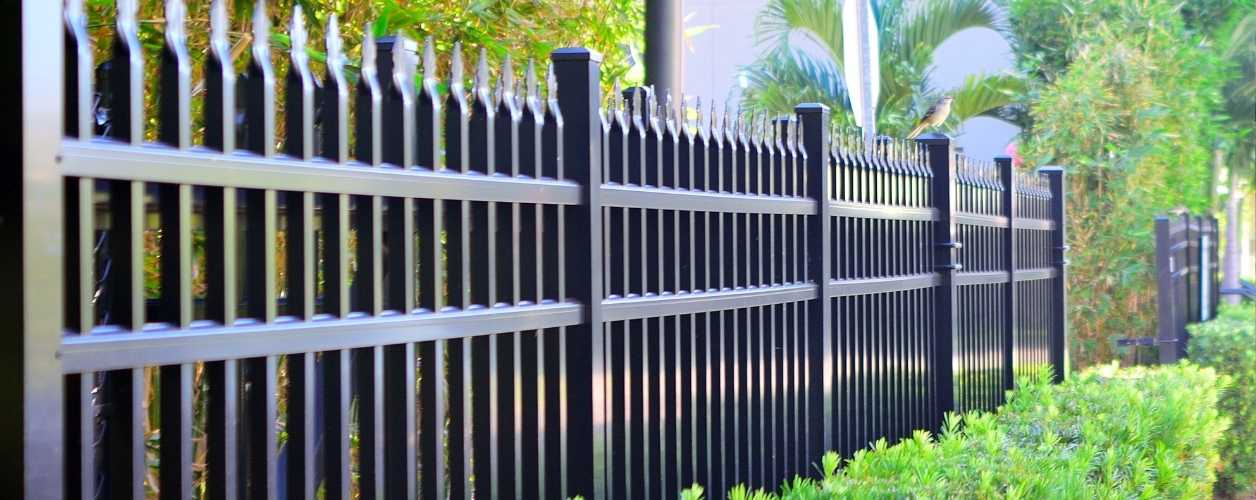
Professional Fencing Services for Your Property - Find Here Verified Local Experts
Whether you are looking to create a safe play area for children and pets, enhance backyard privacy, or simply boost your property's curb appeal, professional boundary and enclosure services are essential. This field covers everything from building brand-new property barriers to repairing storm-damaged panels and sagging gates.
While taking on a weekend building project might seem tempting, hiring experienced builders ensures the structural integrity and longevity of your investment. Proper post installation, accurate material calculation, and precise alignment require specific tools and expertise. An improperly seated post can lead to a leaning structure within months. When you work with seasoned professionals, you can expect a streamlined process that begins with a thorough site evaluation, clear discussions about your goals, and a finished product designed to withstand the elements.
Your Future Fencing Hero Is Just One Task Away — Let’s Find Them
Understanding Your Options and the Building Process
The scope of available services is broad, catering to varying needs, aesthetics, and budgets.
Common Offerings
- New Installations: Building custom enclosures using materials like classic wood, low-maintenance vinyl, durable aluminum, or practical chain-link.
- Repairs and Restoration: Replacing rotted posts, fixing broken pickets, correcting sagging gates, and reinforcing unstable sections.
- Gate Systems: Installing standard walk gates, double drive gates, or automated entry systems.
- Finishing Services: Power washing, staining, and sealing existing wooden structures to protect against weathering.
How the Process Works
A standard project typically begins with a site visit to measure the linear footage and assess the terrain. Once the layout and materials are finalized, the crew will schedule utility marking to safely navigate underground pipes and wires. The physical work starts with digging post holes, setting the foundational posts in concrete, and allowing them to cure. Finally, the team attaches the horizontal rails, vertical panels or pickets, and custom gates.
Factors Influencing Cost and Timelines
Several variables will dictate your final estimate and how long the job takes. The total linear footage and the type of material chosen are the biggest cost drivers. However, site conditions also play a major role. Sloped yards, rocky soil, and heavy brush make digging and alignment much more difficult, extending the timeline. Additionally, if the crew needs to tear down and haul away an old structure, this will add to both the duration and the cost of the project.
Common Challenges
Property lines and uneven ground are two of the most frequent hurdles. Navigating a steep grade requires specific building techniques, such as stepping or racking the panels, to avoid large gaps at the bottom. Accurately identifying where your property ends is also critical to avoid encroaching on a neighbor's yard, which can lead to costly tear-downs later.
Your Future Fencing Hero Is Just One Task Away — Let’s Find Them
Making the Right Choice for Your Home
Finding a reliable builder is the key to a stress-free project that stands the test of time.
Identifying Quality Professionals
A reputable builder will gladly share a portfolio of their previous work. When reviewing their past projects, look for straight, even top lines, flush and functional gates, and consistent spacing. Good professionals will also provide a detailed, written estimate that breaks down the costs of materials, labor, and any site-preparation fees, leaving no room for hidden surprises.
Mistakes to Avoid
- Ignoring Neighborhood Rules: Failing to check your Homeowners Association guidelines can result in fines and forced removals if your chosen style or height is restricted.
- Skipping the Survey: Guessing where your property line lies is a major risk. Always verify boundaries before the first hole is dug.
- Prioritizing Price Over Material Suitability: Choosing the cheapest option might save money up front, but selecting a material poorly suited for your local climate will lead to premature warping, rusting, or rotting.
Preparation and Best Practices
Before the crew arrives, clear the perimeter of any lawn furniture, decorative items, and overgrown brush. If you have pets, secure them inside the house or in a separate enclosed area. It is highly recommended to have a conversation with your neighbors before the work begins, especially if the new structure will share a boundary line.
Questions to Ask Before Booking
- Who is responsible for contacting the local utility marking service?
- Will you pull the necessary neighborhood or municipal permits, or is that my responsibility?
- How deep do you dig the post holes, and do you use concrete for every post?
- What is the process if you hit rock or thick roots while digging?
- Do you offer a warranty on the installation labor in addition to the manufacturer's material warranty?
On the first day of the project, be available to walk the property line with the lead installer to confirm the exact layout and gate placements. Keep communication open throughout the build, and perform a final, detailed walkthrough to test all gates and inspect the alignment before making your final payment.
Related Categories for Fencing
Find Fencing in States
- Fencing in Alberta
- Fencing in British Columbia
- Fencing in Manitoba
- Fencing in New Brunswick
- Fencing in Newfoundland and Labrador
- Fencing in Northwest Territories
- Fencing in Nova Scotia
- Fencing in Nunavut
- Fencing in Ontario
- Fencing in Prince Edward Island
- Fencing in Quebec
- Fencing in Saskatchewan
- Fencing in Yukon
Answers to Your Common Questions
Common options include wood, vinyl, aluminum, steel, wrought iron, chain-link, and composite. Each material varies in durability, appearance, maintenance, and cost, so your choice depends on your goals—privacy, security, or style.
Fence installation typically ranges from $1,500 to $5,000, depending on the material, fence height, total linear footage, and terrain. For example, chain-link is more affordable, while wrought iron or custom wood fences cost more.
In most areas, yes—especially for fences over a certain height (often 6 feet) or those near property lines or public sidewalks. Your fencing contractor can often help with permits and local code compliance.
A standard residential fence usually takes 1 to 3 days to install, depending on the length, layout complexity, and weather conditions. Pre-planning for materials and any HOA approval can help avoid delays.