
Find Pool Heater Installation in Your Area
- Pool Heater Installation in Edmonton
- Pool Heater Installation in Victoria
- Pool Heater Installation in Winnipeg
- Pool Heater Installation in Fredericton
- Pool Heater Installation in St. John's
- Pool Heater Installation in Yellowknife
- Pool Heater Installation in Halifax
- Pool Heater Installation in Iqaluit
- Pool Heater Installation in Toronto
- Pool Heater Installation in Charlottetown
- Pool Heater Installation in Quebec
- Pool Heater Installation in Regina
- Pool Heater Installation in Whitehorse
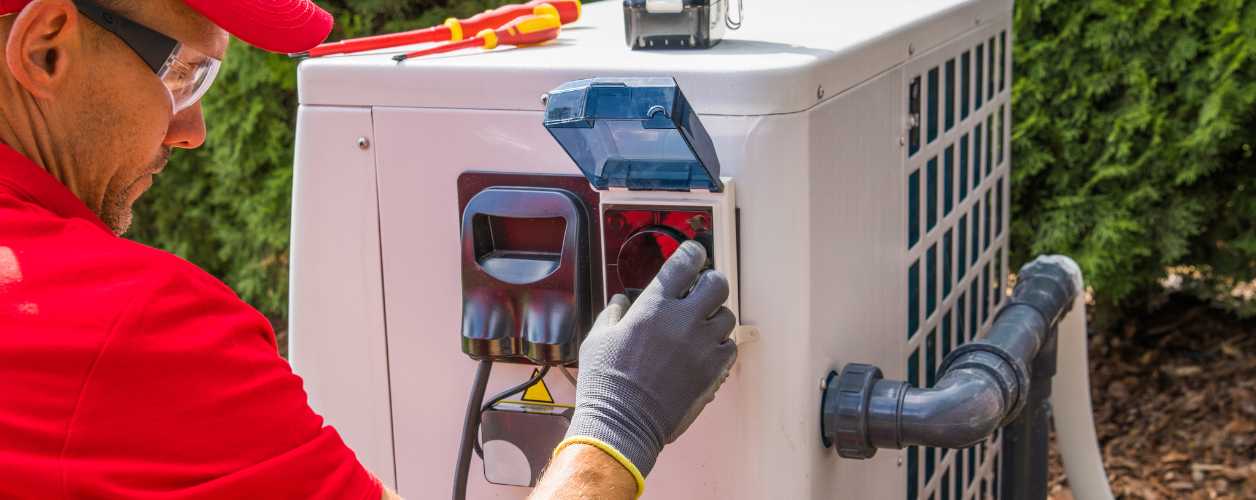
Discover Top Pool Heater Installation Experts Near You
A pool heater installation expert is a trained technician who specializes in selecting, sizing, and setting up heating systems for swimming pools and spas. Rather than simply connecting pipes and wires, these professionals evaluate your pool's volume, existing equipment, insulation levels, and usage patterns to design a heating solution that delivers consistent water temperatures without driving energy bills through the roof. They work with gas lines, electrical panels, heat exchangers, solar collectors, and smart control systems to create integrated setups that function safely and efficiently.
Most homeowners start searching for these specialists during specific moments. Perhaps you built a pool and realized the swimming season ends far too early without heat. Maybe you purchased a home with an aging heater that struggles to maintain temperature or makes unsettling noises. Commercial property managers often need these services when expanding wellness facilities or upgrading outdated boiler systems. Families planning staycations discover their unheated pool limits backyard enjoyment to just a few peak summer weeks. In all these situations, professional installation ensures the system matches actual needs rather than guesswork.
Why hire a pro instead of tackling this as a DIY project? Pool heaters involve combustible fuels, high-voltage electricity, and pressurized plumbing that can cause serious damage if mishandled. An improper gas connection risks carbon monoxide leaks. An incorrectly wired heat pump can trip breakers or create shock hazards. Even solar thermal systems require careful roof mounting and glycol loop charging to prevent freezing damage. Beyond safety, professionals understand hydraulic calculations that prevent flow restrictions, undersized heaters that run constantly without reaching target temperatures, and bypass configurations that protect equipment during maintenance. Their expertise translates directly into reliable warmth and lower long-term operating costs.
Your Future Pool Heater Installation Hero Is Just One Task Away — Let’s Find Them
What Services Do Pool Heater Installation Professionals Offer?
Working with a qualified contractor gives you access to comprehensive heating solutions that extend well beyond mounting a unit on a pad. Here are the core services these specialists typically provide:
- Complete site assessment including pool dimensions, sun exposure, wind patterns, and existing plumbing evaluation
- Heat load calculation to determine the correct BTU rating for your specific pool volume and desired temperature rise
- Gas line sizing and connection for natural gas or propane pool heaters
- Electrical circuit installation and panel upgrades required for heat pump or electric resistance heaters
- Solar thermal collector mounting on rooftops, ground racks, or shade structures with proper orientation
- Heat pump placement and mounting with adequate airflow clearance and condensate drainage
- Plumbing modifications including bypass valves, check valves, and dedicated return lines
- Integration with existing automation systems or installation of smart thermostatic controls
- Pool boiler system design for large residential or commercial applications
- Water chemistry testing and corrosion-resistant component selection for saltwater pools
- Safety device installation including pressure relief valves, flow switches, and high-limit sensors
- System commissioning with performance verification across multiple heating cycles
- Existing heater removal, disposal, and plumbing reconfiguration for replacement projects
- Seasonal startup and winterization services to protect equipment during freezing conditions
- Energy efficiency audits that compare operating costs across different fuel types and technologies
How Does the Installation Process Work From Start to Finish?
Understanding the typical workflow helps you prepare properly and know what to expect at each stage. While every project has unique aspects, most residential installations follow a logical sequence that prioritizes safety and system performance.
The process begins with an on-site consultation where the contractor measures your pool, inspects the equipment pad area, checks your electrical service capacity, and discusses how you intend to use the heated pool. Do you want to swim year-round or simply extend the season by a few months? Is rapid heat-up for weekend use more important than maintaining a constant temperature? These conversations shape equipment recommendations dramatically. A family that uses the pool sporadically benefits from a powerful gas heater that raises temperature quickly, while daily swimmers often save substantially with a slower but more efficient heat pump.
Following the assessment, you receive a detailed proposal outlining the recommended equipment, required infrastructure upgrades, and installation scope. Once approved, the contractor obtains necessary permits and coordinates any required utility work. Installation day typically starts with system shutdown and draining the relevant plumbing sections. The team prepares a level equipment pad, mounts the heater, and connects gas or electrical services according to manufacturer specifications and local codes. Plumbers install bypass manifolds that allow heater isolation without interrupting pool circulation. After pressure testing all connections, the system undergoes a controlled startup where technicians verify proper ignition, exhaust venting, water flow rates, and thermostat calibration. A thorough contractor walks you through basic operation, maintenance requirements, and warranty registration before considering the job complete.
How Do You Pick the Right Pool Heating Professional?
Check Credentials and Specialized Certifications
Pool heater installation sits at the intersection of several trades. Look for contractors who hold relevant gas fitting licenses for fuel-fired equipment, electrical certifications for heat pump connections, and specialized training from major manufacturers. Many premium brands require certified installation to validate extended warranties. Ask directly about ongoing education because heating technology evolves rapidly, particularly around variable-speed compatibility and smart controls. A professional who invests in staying current demonstrates genuine commitment to the craft rather than treating installations as routine commodity work.
Evaluate Their Diagnostic Approach
Pay attention during the initial consultation. Does the contractor ask detailed questions about your usage patterns, or do they immediately quote a one-size-fits-all replacement? Strong professionals perform calculations before making recommendations. They consider factors like average wind speed across your yard, whether surrounding trees will shade a solar array, and if your existing pump delivers adequate flow for the proposed heater. This analytical mindset separates heating specialists from general pool service providers who occasionally install heaters. The right expert helps you understand trade-offs between upfront cost and long-term energy consumption.
Assess Communication and Project Transparency
Installation projects frequently involve unexpected discoveries once plumbing gets exposed or electrical panels are opened. Quality contractors communicate these findings clearly, explain the implications, and present options without pressure tactics. They provide written scopes of work specifying exactly what is included, which permits they handle, and how they protect surrounding landscaping during the project. Ask about their cleanup process and whether they remove old equipment. A reliable professional welcomes your questions and explains technical concepts in accessible language without condescension or rushing through details.
Confirm Post-Installation Support Commitments
The relationship should not end when the crew packs up their tools. Ask about warranty terms on both labor and equipment, typical response times if issues arise, and whether they offer maintenance plans that include periodic inspections. Heat exchangers, burners, and compressor components require occasional attention to maintain efficiency. Contractors who stand behind their work confidently discuss these ongoing needs. Inquire whether they stock common replacement parts or must order everything, as this significantly affects repair timelines during peak swimming season when every warm day matters.
Your Future Pool Heater Installation Hero Is Just One Task Away — Let’s Find Them
What Factors Influence Pool Heater Installation Costs?
The total investment for having a pool heating system professionally installed depends on numerous variables that make blanket pricing impossible. Understanding these cost drivers helps you budget realistically and compare proposals on an apples-to-apples basis. Below is a general overview of average cost ranges across common heater types, including both equipment and standard installation labor.
| Heater Type | Average Installed Cost (CAD) | Best Suited For |
|---|---|---|
| Natural Gas Heater | $3,500 – $7,000 | Quick heating, large pools, intermittent use |
| Propane Heater | $3,800 – $7,500 | Properties without natural gas service |
| Air-Source Heat Pump | $4,500 – $9,000 | Energy-efficient daily heating, extended seasons |
| Electric Resistance Heater | $2,500 – $5,500 | Small spas, indoor pools with low demand |
| Solar Thermal System | $6,000 – $12,000 | Environmentally conscious, sunny properties |
| Pool Boiler System | $8,000 – $20,000+ | Commercial pools, very large residential |
Several factors push costs toward the higher or lower end of these ranges. Equipment pad location relative to gas meters and electrical panels directly affects material and labor expenses for trenching, conduit, and piping runs. Heater sizing requirements depend on pool volume, desired temperature rise, and local climate conditions; an undersized unit costs less initially but may run continuously without satisfaction. Accessibility matters significantly because tight mechanical rooms or steep backyard slopes add labor hours. Upgrading electrical service for heat pump installations, running new gas lines, or reinforcing roof structures for solar collectors adds infrastructure costs beyond the heater itself. Smart automation integration, extended warranties, and premium corrosion-resistant models for saltwater pools all influence the final price. Request detailed line-item quotes that separate equipment from installation so you can accurately compare proposals.
Real-World Scenarios Where Pool Heating Becomes Essential
Families discover the true value of pool heating in many different circumstances. Consider the couple who installed an inground pool as their forever-home centerpiece only to find their children shivering after fifteen minutes of July swimming. Adding a properly sized heat pump extended comfortable water temperatures from late May through early October, transforming the pool from a two-month novelty into a five-month gathering spot for friends and neighbors.
Commercial facilities face distinct challenges. A fitness center adding aqua therapy programming needed precise temperature control that standard residential equipment could not provide. Their contractor designed a commercial boiler system with redundant pumps and remote monitoring capabilities, ensuring uninterrupted operation even during peak demand. Therapeutic pools require tighter temperature tolerances than recreational swimming, making professional design essential for client safety and satisfaction.
Homeowners with existing heating systems often need professional help when upgrading outdated equipment. A twenty-year-old gas heater with a failing heat exchanger not only wasted fuel but triggered frequent safety shutdowns that left the spa unusable on cold evenings. The replacement involved updating gas connections to current code, adding a sediment trap, and installing a modern low-NOx burner that operated noticeably quieter than the old unit. Other common situations include vacation rental owners seeking reliable heating that withstands heavy guest use, swim schools requiring year-round lesson temperatures, and properties converting from propane to natural gas when utility lines become available.
Essential Questions to Ask Before Signing a Contract
Having the right conversation with prospective contractors reveals critical differences in expertise and approach. Here are practical questions that help you evaluate who genuinely understands pool heating systems:
- What heat load calculation method do you use, and can you explain how my pool's specifics affect the recommended BTU rating?
- Will my existing electrical panel support this heat pump, or will I need a service upgrade?
- How do you determine the optimal placement for equipment considering prevailing winds and proximity to property lines?
- What type of bypass arrangement do you install, and how does it simplify future maintenance?
- Can this system integrate with my existing automation platform, or will I need separate controls?
- What consumable components typically need replacement over time, and how accessible are those parts?
- Do you perform combustion analysis on gas heaters during startup, and will you share those readings?
- How do you protect the equipment and plumbing during winter if I choose not to operate the heater year-round?
Common Mistakes That Cost Pool Owners Time and Money
Rushing the selection process leads many homeowners toward regrettable decisions. Choosing based solely on the lowest quote often backfires when contractors cut corners on pad construction, use undersized gas lines that starve the burner, or skip the bypass plumbing that enables easy servicing later. The heater itself represents only part of the system; the installation quality determines long-term reliability and operating expense.
Another frequent error involves ignoring total lifecycle costs. A gas heater with a lower purchase price might consume hundreds of dollars more in fuel monthly compared to a heat pump, quickly erasing any upfront savings. Calculate estimated operating costs for your specific usage pattern before committing to a technology. Similarly, neglecting to verify that the contractor will handle permit applications can leave homeowners with code violations discovered years later during property sales. Unpermitted gas or electrical work creates liability exposure that far outweighs any time or money saved by skipping the formal process. Finally, some pool owners overlook the importance of a properly sized solar cover or liquid blanket in conjunction with any heating system. These simple additions dramatically reduce heat loss overnight and can cut heating costs significantly regardless of the equipment type chosen.
Related Categories for Heating
Find Pool Heater Installation in States
- Pool Heater Installation in Alberta
- Pool Heater Installation in British Columbia
- Pool Heater Installation in Manitoba
- Pool Heater Installation in New Brunswick
- Pool Heater Installation in Newfoundland and Labrador
- Pool Heater Installation in Northwest Territories
- Pool Heater Installation in Nova Scotia
- Pool Heater Installation in Nunavut
- Pool Heater Installation in Ontario
- Pool Heater Installation in Prince Edward Island
- Pool Heater Installation in Quebec
- Pool Heater Installation in Saskatchewan
- Pool Heater Installation in Yukon
Answers to Your Common Questions
Experts can install gas (natural or propane), electric resistance, and heat pump pool heaters. They’ll help you choose based on your pool size, usage, climate, and energy preferences.
Installation typically ranges from $1,500 to $5,000+, depending on the heater type, pool size, fuel source, and site setup. Gas heaters are usually less expensive upfront, while heat pumps cost more but are energy-efficient long-term.
Most standard installations take 4 to 8 hours, though it may take longer if gas lines, electrical upgrades, or plumbing adjustments are needed.
Yes, in most areas, permits are required for gas or electric connections and plumbing work. Your pool heater installer will usually handle the permitting process for you.