
Find Flooring in Your Area
- Flooring in Edmonton
- Flooring in Victoria
- Flooring in Winnipeg
- Flooring in Fredericton
- Flooring in St. John's
- Flooring in Yellowknife
- Flooring in Halifax
- Flooring in Iqaluit
- Flooring in Toronto
- Flooring in Charlottetown
- Flooring in Quebec
- Flooring in Regina
- Flooring in Whitehorse
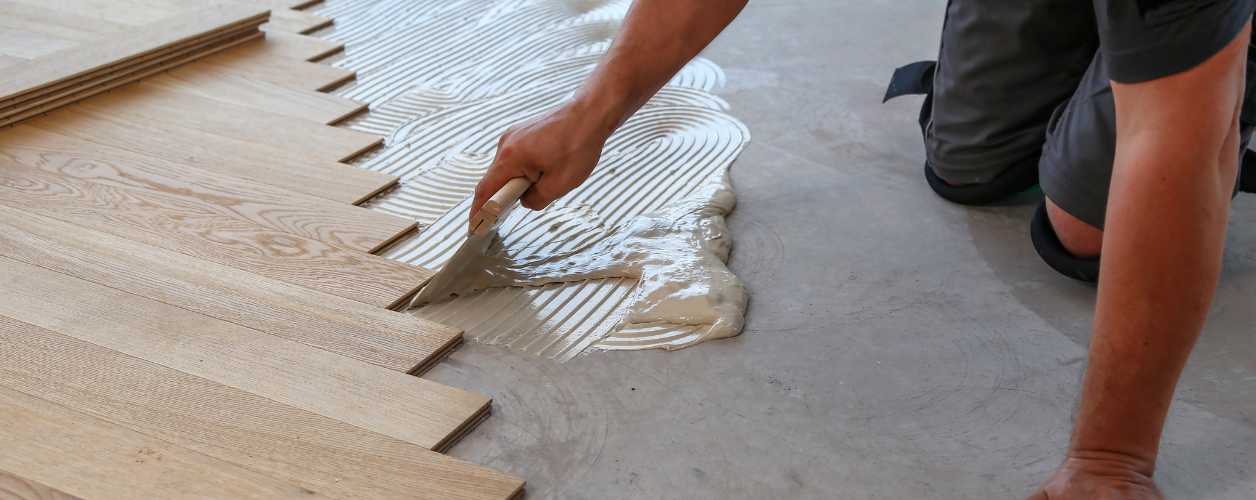
Flooring Contractors – Expert Flooring Installation and Repair Services
Replacing or repairing a floor is one of the most impactful ways to transform a room, but it requires a high level of precision and expertise. Flooring professionals handle everything from tearing out old, worn-out carpets to installing intricate hardwood, durable vinyl, or custom tile. You might find yourself needing these experts during a major home renovation, after experiencing unexpected water damage, or simply when an old floor has reached the end of its lifespan and needs a fresh update.
While taking the DIY route might seem tempting, hiring experienced installers ensures the job is done right the first time. Proper installation requires highly precise measurements, a deep understanding of how different materials behave in various environments, and the use of specialized tools. A professional will make sure your new floors are properly aligned, perfectly level, and structurally sound. When you work with a dedicated specialist, you can expect a comprehensive evaluation of your space, expert advice on the best materials for your specific lifestyle, and a streamlined, efficient installation process.
Your Future Flooring Hero Is Just One Task Away — Let’s Find Them
Understanding Flooring Services and the Installation Process
Flooring experts offer a comprehensive range of services that go far beyond just laying down new boards or tiles. Common services include full room installations, hardwood sanding and refinishing, localized repairs for cracked or warped sections, and essential subfloor preparation.
How the Process Works
The installation journey typically begins with an in-home consultation to measure the space and assess the current floor's condition. Once you select your materials, they are ordered and delivered. It is crucial to note that certain products—especially solid hardwood—must sit in your home for several days to acclimate to the indoor humidity and temperature before installation. After acclimation, the team will remove the old flooring, inspect and prep the subfloor, install the new material, and complete the job with finishing touches like baseboards and transition strips.
Key Considerations and Cost Factors
Before moving forward, think carefully about how the room is used. High-traffic areas or homes with large pets often benefit from scratch-resistant luxury vinyl or durable tile rather than softer woods. Similarly, moisture-prone rooms require highly water-resistant materials. Several factors will ultimately influence your project's final cost and timeline:
- Total square footage: Larger rooms naturally require more materials and labor hours.
- Material selection: The difference in price between basic laminate and exotic hardwood or custom tile is significant.
- Subfloor condition: Once the old floor is removed, installers often discover uneven surfaces or hidden moisture damage that must be repaired first.
- Preparation and disposal: Moving heavy furniture and hauling away the old flooring will often add to the total cost and time required.
One of the most common challenges in any flooring project is subfloor leveling. Ignoring an uneven subfloor can lead to squeaky boards, cracked tiles, or premature wear, making professional preparation an absolute necessity.
Your Future Flooring Hero Is Just One Task Away — Let’s Find Them
How to Hire and Prepare for Your Flooring Project
Identifying a reliable professional comes down to finding clear communication and transparent business practices. Look for installers who are happy to share portfolios of their past work, explain their installation methods in detail, and provide written estimates that clearly separate the costs of labor from the cost of materials.
Mistakes to Avoid
To ensure a smooth project, avoid the common mistake of choosing a material based solely on aesthetics while ignoring its durability and maintenance needs. Additionally, never rush the acclimation period for wood products, and always ensure you order a little extra material to account for tricky cuts, waste, and future repairs.
Preparation Tips
Preparation is key to a stress-free installation. Before the crew arrives, clear the room of all furniture, wall hangings, rugs, and delicate electronics. Flooring work can be incredibly dusty, especially if sanding or tile cutting is involved. It is wise to seal off adjacent rooms with plastic sheeting and turn off your HVAC system to prevent dust from circulating throughout the rest of your house.
Questions to Ask Before Booking
When speaking with potential hires, make sure you understand exactly what the service entails by asking a few important questions:
- Who is responsible for removing and disposing of the old flooring?
- How do you handle unexpected subfloor damage if you find it?
- How much time is needed for these specific materials to acclimate in my home?
- What warranties do you offer on the installation labor versus the manufacturer's warranty on the material?
During the project, expect a fair amount of noise from saws, compressors, and nail guns. Depending on the materials and finishes being used, you may also need to stay off the new floors for a specific number of days to let adhesives or protective topcoats cure properly. By setting clear expectations and preparing your space, you can help the installation go seamlessly.
Cost Guide
Related Categories for Flooring
Find Flooring in States
- Flooring in Alberta
- Flooring in British Columbia
- Flooring in Manitoba
- Flooring in New Brunswick
- Flooring in Newfoundland and Labrador
- Flooring in Northwest Territories
- Flooring in Nova Scotia
- Flooring in Nunavut
- Flooring in Ontario
- Flooring in Prince Edward Island
- Flooring in Quebec
- Flooring in Saskatchewan
- Flooring in Yukon
Answers to Your Common Questions
Popular flooring options include hardwood, laminate, vinyl plank, tile, carpet, concrete, and engineered wood. The best choice depends on your style, budget, traffic levels, and room type (e.g., tile for bathrooms, carpet for bedrooms).
The cost of installing new flooring depends on the material you choose. Vinyl and laminate are more budget-friendly, usually costing around $2 to $6 per square foot. Carpet tends to range from $3 to $7 per square foot, while tile and hardwood are more expensive—typically between $6 and $15 per square foot. Keep in mind, there may be extra charges for removing old flooring, fixing the subfloor, or adding underlayment.
Consider your lifestyle, moisture exposure, pets, foot traffic, and aesthetic preferences. For example, vinyl is great for water resistance, while hardwood adds long-term value and classic beauty. Consult a flooring expert for tailored advice.
Most standard rooms take 1–2 days per room to install, depending on the floor type and site prep. Larger homes or complex patterns may take several days, especially if old floors must be removed or the subfloor needs repair.