
Find Roofing in Your Area
- Roofing in Edmonton
- Roofing in Victoria
- Roofing in Winnipeg
- Roofing in Fredericton
- Roofing in St. John's
- Roofing in Yellowknife
- Roofing in Halifax
- Roofing in Iqaluit
- Roofing in Toronto
- Roofing in Charlottetown
- Roofing in Quebec
- Roofing in Regina
- Roofing in Whitehorse
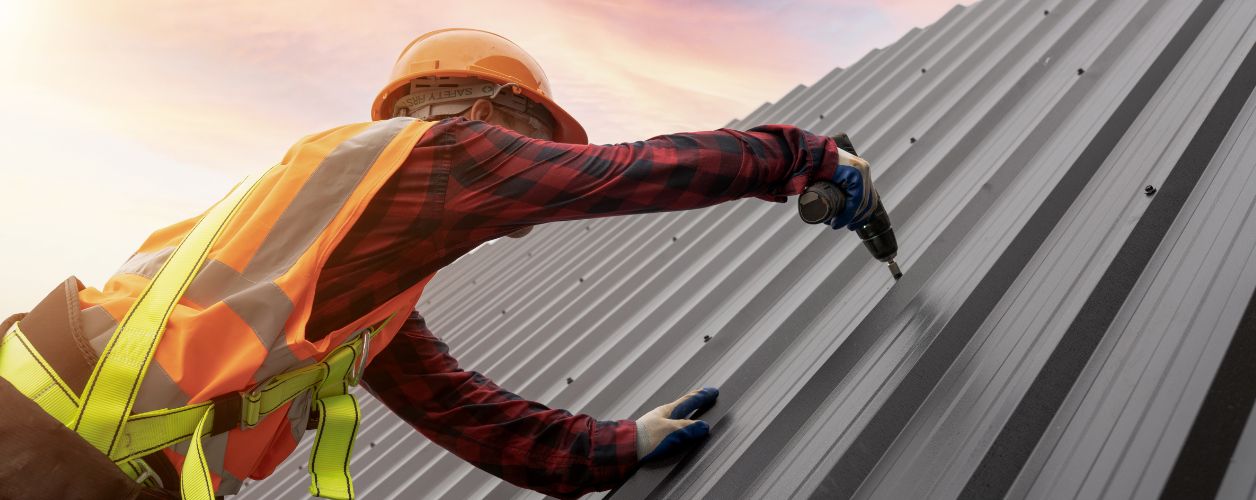
Find Reliable Roofing Contractors Near You with Ease
A roof is far more than just shingles and nails; it is a complex, integrated system that protects your home or business from the elements, insulates your living space, and contributes significantly to structural integrity. Professional roofing contractors specialize in the installation, repair, and maintenance of these critical systems. Unlike a general handyman, a qualified roofer understands the intricate dynamics of underlayment, flashing, ventilation, and drainage, ensuring every component works together harmoniously.
Most property owners don't think about their roof until a problem becomes impossible to ignore. Common situations that demand professional attention include water stains spreading across ceilings, missing or curled shingles after a windstorm, persistent leaks around chimneys or skylights, and visible sagging in the roofline. Other triggers include preparing a home for sale, recovering from a severe storm, or simply facing an aging roof that has exceeded its expected lifespan of 15 to 30 years depending on materials.
Why is professional expertise non-negotiable? The consequences of poor workmanship range from frustrating leaks that damage insulation and drywall to catastrophic structural rot and mold growth. Professionals bring not only technical skill but also safety training for working at heights, knowledge of proper material selection for your climate, and access to manufacturer warranties that protect your investment. Attempting to cut corners on roofing often leads to spending twice as much on emergency repairs down the road.
Typical Services Provided by Roofing Contractors
- Complete roof replacement and tear-off of existing materials
- Asphalt shingle roof installation and repair
- Metal roofing installation (standing seam, corrugated, and stone-coated steel)
- Flat and low-slope roofing solutions (TPO, EPDM, modified bitumen)
- Tile roof installation and repair (clay and concrete)
- Slate roof installation and expert restoration
- Emergency tarping and temporary leak repairs after storm damage
- Roof leak detection and precision repair for flashing, valleys, and penetrations
- Roof inspection and comprehensive condition assessment
- Gutter cleaning, repair, and new gutter installation
- Roof ventilation system installation and repair
- Skylight installation and flashing integration
- Chimney flashing replacement and masonry crack sealing
- Roof coating and elastomeric waterproofing applications
- Ice dam removal and prevention solutions for colder climates
- Soffit and fascia board repair or replacement
Your Future Roofing Hero Is Just One Task Away — Let’s Find Them
The Typical Roofing Process: What to Expect
Understanding the workflow helps you plan and reduces surprises. While every project has unique elements, most professional roofing jobs follow this logical sequence.
- Initial Consultation and Inspection: The contractor examines your roof from the ground and on top (if safe), takes measurements, checks for hidden damage in the attic, and discusses material options. They will provide a written estimate outlining scope, materials, timeline, and payment terms.
- Material Selection and Ordering: You choose shingle colors, metal profiles, or tile styles. The contractor orders materials and schedules delivery, typically arriving one to two days before work begins. Permits are pulled if required by local authorities.
- Site Preparation: On the start day, the crew lays tarps around the house to protect landscaping, driveways, and siding from falling debris. They set up ladders, safety harness anchor points, and dump trailers for old material removal.
- Tear-Off and Deck Inspection: Old shingles or roofing material is stripped away. The crew inspects the plywood or plank sheathing underneath, replacing any rotted or water-damaged sections (this is a common variable cost).
- Underlayment and Flashing Installation: A water-resistant barrier (felt or synthetic underlayment) is rolled over the entire deck. New flashing (thin metal sheets) is installed around chimneys, vents, skylights, and wall intersections to direct water away from vulnerable joints.
- New Roof Installation: The primary roofing material is installed starting from the bottom edge working upward. For shingles, this means starter strips, full shingle courses, ridge caps, and proper nail placement. For metal, panels are secured with hidden fasteners. For flat roofs, membranes are heat-welded or adhered.
- Ventilation and Ridge Details: Ridge vents, static vents, or power vents are installed or reconnected to ensure proper attic airflow, preventing heat and moisture buildup that shortens roof life.
- Cleanup and Final Inspection: The crew uses magnetic rollers and rakes to collect every stray nail. All debris is hauled away. The contractor performs a final walkthrough with you, explaining any nuances and answering last questions. Warranty documents are provided.
How to Choose the Right Roofing Professional
Verify Credentials and Experience
Look for contractors who have been established for at least three to five years, as roofing is an industry where inexperienced operators come and go quickly. Ask for proof of liability insurance and worker's compensation coverage – without these, you could be financially responsible for on-site injuries. While specific licensing varies, professional affiliations with manufacturer programs (such as GAF Master Elite or CertainTeed Select ShingleMaster) indicate advanced training and access to better warranties.
Evaluate Communication and Transparency
Pay close attention to how potential contractors respond to your initial inquiry. Do they return calls promptly? Do they provide detailed, written estimates without pressure tactics? A reliable professional will explain why they recommend certain materials over others based on your roof's slope, exposure, and budget – not just what is on sale that week. Be wary of anyone who demands full payment upfront or only accepts cash.
Review Past Work and References
Ask for local addresses of recent projects similar to yours. A confident contractor will happily provide these. Drive by to see the quality of finished work and whether job sites were kept clean. Request contact information for three recent customers and actually call them. Ask about timeline adherence, crew professionalism, cleanup thoroughness, and how the contractor handled any unexpected issues.
Understanding Roofing Project Costs
Roofing projects represent a significant home investment, and costs vary widely based on several objective factors. For a typical residential home, professional roof replacement generally ranges from several thousand to over twenty thousand dollars. The table below outlines average cost-influencing elements to help you budget realistically.
| Cost Factor | Impact on Price | Typical Range Explanation |
|---|---|---|
| Roof Size (Squares) | Direct correlation | Most estimates use "squares" (100 sq ft). Larger roofs require more material and labor hours. |
| Roof Complexity | Moderate to high | Multiple valleys, steep pitches, dormers, and cut-up designs require more flashing, cutting, and safety equipment. |
| Material Type | Very high | 3-tab shingles are most affordable; architectural shingles mid-range; metal, tile, or slate significantly higher. |
| Number of Layers | Moderate | Removing one existing layer is standard. A second or third layer adds tear-off labor and disposal fees. |
| Deck Repairs | Variable | Rotted or water-damaged plywood must be replaced. Cost per sheet is typical, but extent unknown until tear-off. |
| Urgency and Season | Low to moderate | Emergency repairs or winter installations may carry premium pricing due to scheduling demands and working conditions. |
Beyond the factors above, pricing differences also come from how contractors bid: some include all flashing, vents, and disposal in a base price, while others add these as line items. Always ask for a line-item estimate so you can compare apples to apples. Remember that the lowest bid rarely delivers the best long-term value – inadequate underlayment, skipped ice barrier, or improper nailing patterns will cause premature failure and hidden damage.
Your Future Roofing Hero Is Just One Task Away — Let’s Find Them
Common Roofing Problems That Require Professional Attention
- Active Leaks During Rain: Water dripping from ceilings or running down interior walls requires immediate temporary tarping and permanent repair. The source is often far from the drip location.
- Storm Damage: High winds lift shingles, exposing nail heads; hail bruises asphalt granules, reducing UV protection; falling branches puncture membranes. Insurance claims often cover such events.
- Curling or Missing Shingles: Shingles that cup, claw, or have lost granules indicate end-of-life wear or poor attic ventilation, leading to leaks if not addressed.
- Ice Dams: In cold climates, heat escaping from the house melts snow on upper roof areas. Water refreezes at the colder eaves, backing up under shingles and leaking into walls.
- Flashing Failures: Rusted, lifted, or poorly installed flashing around chimneys, plumbing vents, and roof valleys is a primary cause of otherwise mysterious leaks.
- Sagging Roof Deck: A dip or wave in the roofline suggests structural issues – rotted sheathing, broken rafters, or inadequate support – requiring immediate investigation.
- Moss and Algae Growth: While sometimes cosmetic, thick moss holds moisture against shingles, accelerating decay. Algae stains (black streaks) indicate moisture retention but are less damaging.
- Ponding Water on Flat Roofs: Water standing for more than 48 hours degrades membranes, accelerates seam failure, and adds excessive weight load.
Essential Questions to Ask Before Hiring a Roofing Contractor
- Will you provide a full written estimate detailing materials, labor, cleanup, and any potential additional charges?
- What specific manufacturer certifications or training programs have you completed?
- How do you handle unforeseen issues like rotted decking discovered during tear-off?
- What safety protocols does your crew follow for fall protection and ladder setup?
- Who will be the on-site supervisor, and how can I reach them during the project?
- What warranties do you offer on workmanship, and what manufacturer warranties apply to materials?
- Will you obtain all necessary permits, or is that my responsibility?
- How do you protect landscaping, driveways, and exterior walls during tear-off?
- What is your typical project timeline from deposit to final cleanup?
- Can you provide three recent customers with similar roof types who would take my call?
Costly Mistakes to Avoid When Hiring Roofing Help
- Choosing based solely on lowest price: Rock-bottom bids often use thinner underlayment, fewer nails per shingle, skip ice and water barrier in required areas, and unskilled labor – leading to premature failure.
- Paying in full before work starts: Reasonable deposits (10-30%) are normal, but full payment upfront removes your leverage if work is delayed or substandard. Hold final payment until completion and final inspection.
- Skipping the written contract: Verbal agreements lead to disputes over material brands, cleanup expectations, and warranty terms. Ensure the contract specifies products, timeline, payment schedule, and exactly what debris removal includes.
- Ignoring ventilation evaluation: Installing a new roof over inadequate attic ventilation guarantees premature shingle deterioration and may void manufacturer warranties. Have the contractor assess and recommend ventilation upgrades.
- Failing to check insurance: If a worker falls on your property and the contractor lacks worker's comp, you could face medical liability claims. Always request insurance certificates directly from their provider, not a photocopy.
- Not addressing gutters: A beautiful new roof paired with clogged or damaged gutters still leads to water backing up under shingles and foundation damage. Include gutter inspection in your project scope.
Cost Guide
Related Categories for Roofing
Find Roofing in States
- Roofing in Alberta
- Roofing in British Columbia
- Roofing in Manitoba
- Roofing in New Brunswick
- Roofing in Newfoundland and Labrador
- Roofing in Northwest Territories
- Roofing in Nova Scotia
- Roofing in Nunavut
- Roofing in Ontario
- Roofing in Prince Edward Island
- Roofing in Quebec
- Roofing in Saskatchewan
- Roofing in Yukon
Answers to Your Common Questions
Local roofing professionals provide services such as roof installation, repair, inspection, replacement, and maintenance. They work with various roofing materials like asphalt shingles, metal, flat roofs, and more—ensuring your roof is safe, durable, and weather-resistant in all Canadian seasons.
In Canada, roof repairs typically range from $300 to $1,500, depending on the issue. Full roof replacements can cost $5,000 to $15,000+, depending on roof size, pitch, material type, and labour. Get multiple quotes from local pros on ServiceTasker for accurate pricing.
Signs you may need roof repair or replacement include:
- Missing or curling shingles
- Leaks or water stains in ceilings
- Granules in gutters (from asphalt shingles)
- Mould, rot, or sagging areas
- Roof age over 15–25 years, depending on the material
Yes, roofing can be done in winter, but conditions must be safe and dry. Some materials (like asphalt shingles) may be harder to install in freezing temperatures. Many contractors offer winter roofing services, but timelines may be longer due to weather.