Find Central Heating Repair in Your Area
- Central Heating Repair in Edmonton
- Central Heating Repair in Victoria
- Central Heating Repair in Winnipeg
- Central Heating Repair in Fredericton
- Central Heating Repair in St. John's
- Central Heating Repair in Yellowknife
- Central Heating Repair in Halifax
- Central Heating Repair in Iqaluit
- Central Heating Repair in Toronto
- Central Heating Repair in Charlottetown
- Central Heating Repair in Quebec
- Central Heating Repair in Regina
- Central Heating Repair in Whitehorse
Hire The Best Central Heating Repair Experts Near You
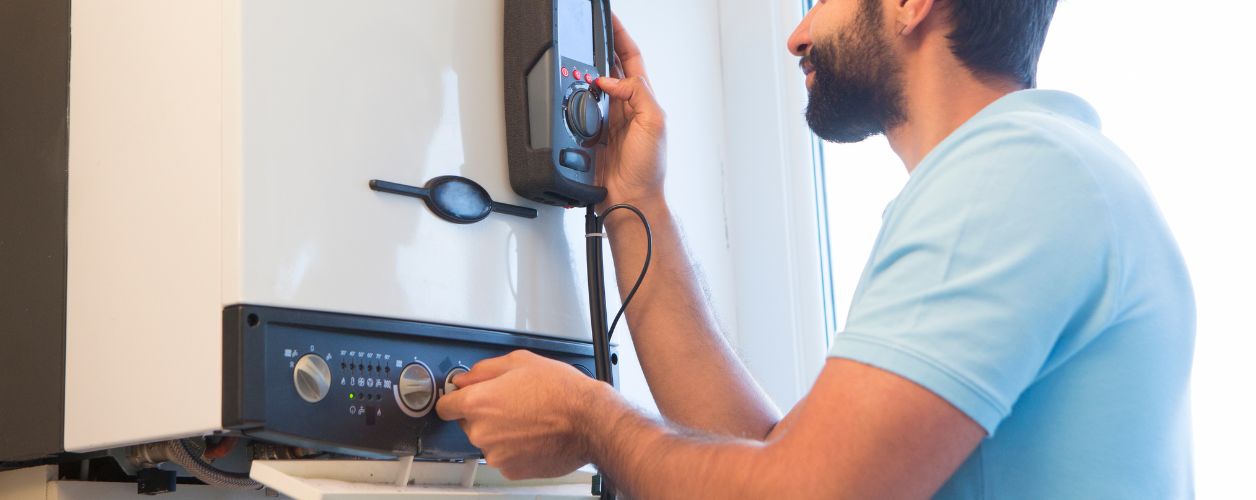
In a climate where temperatures frequently drop well below freezing, a functional central heating system is more than a luxury; it is a critical component of home safety and comfort. Central heating repair involves the specialized diagnosis, maintenance, and restoration of systems designed to distribute warmth throughout a building. Whether your home relies on a forced-air furnace, a hydronic boiler system, or a modern heat pump, these systems are complex mechanical networks that require expert intervention when they falter. Professional technicians possess the diagnostic tools and technical knowledge to handle high-voltage electrical components, pressurized gas lines, and intricate venting systems that the average homeowner is not equipped to manage.
Most homeowners seek out repair experts during the first cold snap of the season or in the middle of a winter emergency when the system fails to engage. However, professional services are equally vital for addressing subtle signs of decline, such as strange noises, rising energy bills, or uneven heat distribution. Engaging a professional ensures that the root cause of a malfunction is identified rather than just the symptoms. This specialized attention prevents small issues from escalating into catastrophic system failures, protects your household from risks like carbon monoxide leaks, and ensures that your heating equipment operates at peak efficiency during the coldest months of the year.
Comprehensive Services Provided by Heating Specialists
- Diagnostic assessments of furnace ignition systems and pilot lights.
- Boiler heat exchanger inspections and leak repairs.
- Circulator pump replacement for hydronic heating systems.
- Thermostat calibration and smart home integration troubleshooting.
- Cleaning and adjustment of gas burners to ensure complete combustion.
- Repair and replacement of faulty blower motors and fans.
- Radiator bleeding, balancing, and valve replacement.
- Detection and repair of cracks in heat exchangers.
- Testing and replacement of safety limit switches and sensors.
- Cleaning or replacing clogged internal filters and assemblies.
- Repairing breached or disconnected ductwork in forced-air systems.
- Zone valve repair for multi-room temperature control.
- Emergency breakdown services for complete heat loss scenarios.
- Expansion tank servicing for boiler-based systems.
- Flue and venting inspections to ensure proper exhaust of combustion gases.
How a Central Heating Repair Service Typically Proceeds
The process of repairing a central heating system begins with a comprehensive diagnostic phase. When a technician arrives, they will first confirm the symptoms you have observed and then perform a visual inspection of the unit and its controls. This often involves using specialized sensors to check for gas leaks or carbon monoxide and multi-meters to test electrical continuity across various components. For forced-air systems, they will check the airflow and filter condition, while for boilers, they will assess water pressure and pipe integrity. The goal is to isolate the specific component—be it a sensor, a motor, or a valve—that is preventing the system from functioning correctly.
Once the issue is identified, the professional will provide a detailed explanation of the necessary repairs and a transparent cost estimate. Upon your approval, the physical repair begins. This might involve cleaning out debris, lubricating moving parts, or replacing a failed component with a manufacturer-approved part. After the repair is completed, the technician does not simply leave; they perform a "cycle test." This involves running the heating system through a full start-up and shut-down cycle to ensure the new parts are integrated correctly and that the system reaches the desired temperature safely. Finally, the technician will often provide a brief report on the overall health of the system, suggesting any preventative measures that could avoid future breakdowns.
Your Future Central Heating Repair Hero Is Just One Task Away — Let’s Find Them
Selecting the Right Heating Repair Professional
Verify Credentials and Technical Expertise
When inviting someone into your home to work on high-pressure gas or high-voltage electrical systems, verification of credentials is the first priority. A qualified professional should hold relevant trade certifications that demonstrate they have completed the necessary training for HVAC (Heating, Ventilation, and Air Conditioning) systems. In the Canadian context, look for technicians who are licensed to work with gas (if applicable) and have a solid background in the specific type of system you own, whether it is a high-efficiency condensing furnace or a traditional cast-iron boiler. An expert should be able to explain the "why" behind a failure, showing a deep understanding of the mechanics rather than just following a troubleshooting checklist.
Prioritize Diagnostic Accuracy and Tools
The best repair experts invest in modern diagnostic technology. Thermal imaging cameras, digital combustion analyzers, and ultrasonic leak detectors allow a technician to see problems that are invisible to the naked eye. When choosing a professional, ask about their diagnostic process. A technician who relies solely on trial and error by replacing parts until the system works will likely cost you more in the long run. You want a professional who arrives with a well-stocked vehicle and the right tools to provide a definitive answer during the initial visit.
Transparency in Communication and Pricing
A reliable service provider will always be upfront about their service call fees and how they bill for labor and parts. Transparency is a hallmark of a professional business. They should provide a written quote before starting any work and explain if there are multiple repair options (such as a temporary fix versus a long-term component replacement). Avoid contractors who give vague estimates over the phone without seeing the unit, as heating problems are rarely as simple as they seem from a brief description. Good communication also includes a clear timeline of when parts will arrive if they are not currently in stock.
What to Expect Regarding Investment and Costs
The cost of hiring a central heating repair expert is influenced by several factors, including the age of the system, the complexity of the failing part, and the urgency of the request. Most professional companies charge a base "service call" or "diagnostic fee" that covers the travel and the first 30 to 60 minutes of troubleshooting. This fee typically ranges from $100 to $200. If repairs are needed, labor is usually billed hourly, or a flat-rate pricing model is used for common tasks. In Canada, emergency after-hours or holiday repairs often carry a premium rate due to the high demand and the necessity of immediate heat restoration during winter months.
| Service Type | Description of Work | Estimated Cost Range (CAD) |
|---|---|---|
| Diagnostic / Service Call | Initial inspection and problem identification. | $100 - $200 |
| Minor Component Repair | Replacing thermocouples, igniters, or simple sensors. | $150 - $350 |
| Standard Part Replacement | Blower motors, inducer fans, or zone valves. | $400 - $800 |
| Major System Repair | Heat exchanger repair or complex boiler manifold work. | $1,000 - $2,500+ |
| Emergency Service | After-hours, weekend, or holiday urgent repairs. | Add $100 - $250 to base rates |
Real-World Scenarios Requiring Professional Intervention
Homeowners often encounter specific scenarios that signify a need for expert repair. One of the most common is the "short-cycling" furnace, where the system turns on and off rapidly without reaching the set temperature. This is often a sign of an overheating heat exchanger or a faulty flame sensor. Another scenario is the "cold radiator" in a boiler system, which usually indicates air trapped in the lines or a failing circulator pump. If you notice a yellow or flickering pilot light instead of a crisp blue flame, this is a safety hazard that requires immediate attention as it suggests improper combustion and the potential for carbon monoxide buildup. Strange noises, like banging (kettling) in a boiler or screeching in a furnace, also serve as early warning signs that mechanical components are nearing total failure.
Your Future Central Heating Repair Hero Is Just One Task Away — Let’s Find Them
Making an Informed Decision for Your Home
Critical Questions to Ask Your Heating Contractor
Before committing to a repair, it is essential to interview your potential service provider to ensure they are the right fit for your specific needs. Start by asking, "Do you have experience with my specific brand and model of heating system?" Many modern high-efficiency systems have proprietary parts and specialized computer boards that require specific training. You should also ask, "What is the warranty on the parts and the labor you are providing?" A reputable professional will stand behind their work with a guarantee, typically ranging from 90 days to a full year for labor. Additionally, ask if they carry liability insurance and workers' compensation; this protects you from being held responsible for any accidents that might occur on your property during the repair process.
Common Mistakes to Avoid When Seeking Repairs
One of the most frequent mistakes homeowners make is waiting until the system completely fails before calling a professional. Ignoring "minor" symptoms like a small drip near the boiler or a slight rattling in the vents often leads to much more expensive repairs later on. Another pitfall is attempting a DIY fix on complex components. While changing a filter is a standard maintenance task, attempting to repair gas valves or electrical control boards without proper training can lead to fire hazards or gas leaks. Lastly, do not choose a repair professional based solely on the lowest price. A significantly lower bid often indicates a lack of proper licensing, the use of sub-par aftermarket parts, or a technician who might cut corners on safety checks, which ultimately compromises the longevity of your heating system.
Related Categories for Heating
Find Central Heating Repair in States
- Central Heating Repair in Alberta
- Central Heating Repair in British Columbia
- Central Heating Repair in Manitoba
- Central Heating Repair in New Brunswick
- Central Heating Repair in Newfoundland and Labrador
- Central Heating Repair in Northwest Territories
- Central Heating Repair in Nova Scotia
- Central Heating Repair in Nunavut
- Central Heating Repair in Ontario
- Central Heating Repair in Prince Edward Island
- Central Heating Repair in Quebec
- Central Heating Repair in Saskatchewan
- Central Heating Repair in Yukon
Answers to Your Common Questions
If you're noticing uneven heating, strange noises, frequent cycling, a burning smell, or higher-than-usual energy bills, it could be time to have your central heating system checked by a professional.
Repairs typically range from $150 to $600, depending on the issue. Thermostat replacements or minor part fixes are on the lower end, while blower motor, circuit board, or zone valve repairs may cost more.
Many contractors offer same-day or next-day service, especially during colder months. For emergency breakdowns in winter, many services prioritize urgent calls—even after hours.
If your system is over 15 years old, breaking down often, or no longer energy-efficient, it might be worth considering a replacement. A licensed expert can help you weigh the long-term cost benefits of repair vs. replacement.
Most standard repairs, such as replacing a sensor, an igniter, or a motor, can be completed within two to four hours once the technician has the necessary parts. However, if a specialized part needs to be ordered from a manufacturer, it may take a few days to finalize the restoration of heat.
A general rule of thumb is the "50% rule." If the cost of the repair is more than 50% of the value of a new system, and the unit is over 15 years old, replacement is usually the more cost-effective long-term solution. A professional can provide an efficiency comparison to help you decide.
In a boiler, this is often "kettling," caused by lime scale buildup. In a furnace, it could be "oil canning," which happens when the metal sides of the ducts expand and contract, or it could be a delayed ignition issue. Both require professional diagnostics to prevent damage.
Absolutely. A heavily clogged filter restricts airflow, causing the heat exchanger to overheat. Most modern furnaces have a safety limit switch that will shut the entire system down to prevent a fire if the internal temperature gets too high due to poor airflow.