
Find Pellet Stove Repair in Your Area
- Pellet Stove Repair in Edmonton
- Pellet Stove Repair in Victoria
- Pellet Stove Repair in Winnipeg
- Pellet Stove Repair in Fredericton
- Pellet Stove Repair in St. John's
- Pellet Stove Repair in Yellowknife
- Pellet Stove Repair in Halifax
- Pellet Stove Repair in Iqaluit
- Pellet Stove Repair in Toronto
- Pellet Stove Repair in Charlottetown
- Pellet Stove Repair in Quebec
- Pellet Stove Repair in Regina
- Pellet Stove Repair in Whitehorse
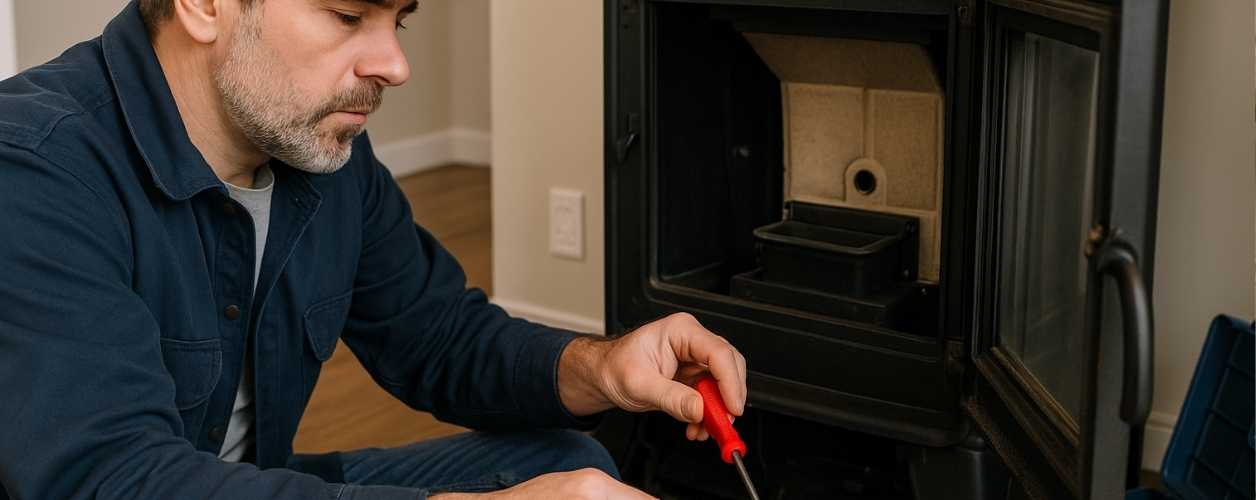
Your Go-To Pellet Stove Repair Experts Near You
A pellet stove is a sophisticated home heating appliance that burns compressed wood or biomass pellets to generate warmth. Unlike traditional wood stoves, these units rely on electronic controls, motors, augers, and ventilation systems to operate efficiently. When any of these components fails, your home comfort, energy efficiency, and safety can be compromised. Professional pellet stove repair experts diagnose and fix these issues, ensuring your heating system runs reliably through the coldest months.
Many homeowners encounter situations where professional help becomes essential. You might notice your stove is producing more smoke than heat, the pellets are not feeding properly, or the unit shuts down unexpectedly mid-cycle. Others experience persistent error codes on the digital display, unusual grinding noises from the auger motor, or a visible decline in flame quality. In commercial settings such as restaurants, workshops, or retail spaces, a malfunctioning pellet heater can disrupt daily operations and drive up alternative heating costs. Certified technicians bring specialized diagnostic tools, manufacturer-specific knowledge, and hands-on experience that simply cannot be replicated by watching online tutorials.
The importance of hiring trained professionals goes beyond convenience. Pellet stoves involve a combination of electrical wiring, combustible fuel, and high-temperature exhaust systems. Improper repairs can create fire hazards, carbon monoxide risks, and void valuable manufacturer warranties. Skilled specialists understand combustion science, venting requirements, and the nuanced interplay between mechanical parts and electronic control boards. They restore not only heat but also peace of mind.
What Do Pellet Stove Repair Services Include?
When you engage pellet stove repair services, you are accessing a wide range of diagnostic and corrective tasks. Qualified professionals address both routine maintenance issues and complex mechanical failures. Here are typical services included under this category:
- Comprehensive system diagnostics and error code interpretation
- Pellet stove igniter replacement and hot rod servicing
- Auger motor repair and jammed pellet feed system clearing
- Combustion and convection blower motor replacement
- Pellet stove vent cleaning and chimney inspection for blockages
- Control board troubleshooting and recalibration
- Thermostat and room sensor repair or replacement
- Heat exchanger and internal flue pathway deep cleaning
- Ash removal system maintenance and vacuum port servicing
- Gasket and door seal inspection and replacement to prevent air leaks
- Burn pot, firepot, and burn chamber liner replacement
- Electrical connection testing, fuse replacement, and wiring repair
- Vacuum switch and pressure sensor verification
- Fuel quality assessment and feed rate adjustment
- Complete pellet stove installation and retrofitting support
Your Future Pellet Stove Repair Hero Is Just One Task Away — Let’s Find Them
How the Repair Process Typically Works
Understanding the typical workflow demystifies the experience and helps you prepare. While every service call is unique, most professional appointments follow a structured sequence that ensures thorough problem resolution.
- Initial Contact and Symptom Description: You describe the issue—whether it is a complete failure to start, poor heat output, odd smells, or unusual sounds. This helps the technician arrive with the right diagnostic mindset and potential replacement parts.
- On-Site Safety Inspection: Upon arrival, the expert conducts a visual and operational safety check. They examine the vent termination outside, look for signs of carbon monoxide leakage, and confirm the stove is cool enough to handle safely.
- Systematic Diagnostic Procedure: Using multimeters, manometers, and manufacturer-specific diagnostic modes, the technician isolates the root cause. This often involves testing individual components like the igniter, auger motor, vacuum switch, and control board sequentially.
- Detailed Findings and Estimate: Before any work begins, you receive a transparent explanation of what is wrong and an estimate covering parts and labour. No surprises.
- Repair Execution: With your approval, the technician replaces faulty parts, cleans essential passages, and corrects any airflow or feed issues. Many carry common components for same-day resolution.
- Post-Repair Testing and Calibration: The stove is fired up, allowed to cycle through its ignition, burn, and shutdown phases. Flame quality, exhaust temperature, and convection blower output are verified. Feed rates may be adjusted for optimal pellet consumption.
- Cleanup and Guidance: The work area is left clean. You receive a clear explanation of what was done, what preventive steps you can take, and any follow-up recommendations.
How to Choose the Right Pellet Stove Repair Professional
Selecting a technician should be a deliberate decision. The longevity and safety of your heating appliance depend on it. Keep these factors in mind when comparing local pellet stove repair companies near me or regional specialists.
Verify Specific Pellet Stove Expertise
Not all HVAC or fireplace technicians specialize in pellet stoves. Ask directly about their experience with your specific brand and model. A technician certified by manufacturers like Harman, Quadra-Fire, Enviro, or Englander brings deeper insight into proprietary control logic and common failure points.
Confirm Insurance and Certification
Trusted pellet stove repair professionals carry liability insurance and relevant trade certifications. In Canada, technicians certified through programs like those recognized by the Technical Standards and Safety Authority demonstrate a commitment to fuel safety codes and venting standards.
Assess Diagnostic Tools and Approach
Advanced heating system diagnostics require more than a screwdriver and vacuum. Ask if the technician uses specialized pressure gauges, combustion analyzers, and multimeters. A methodical diagnostician is less likely to throw unnecessary parts at a problem.
Evaluate Responsiveness and Availability
Heating emergencies do not wait. Inquire about same day pellet stove repair experts for urgent winter breakdowns. Understand their scheduling process and how they prioritize calls during peak heating season.
Insist on Transparent Pricing
A professional who hesitates to provide a service call fee, hourly rate, or estimate before work starts is a red flag. Clear communication about diagnostic charges and how they apply to the total repair cost signals integrity.
General Pricing Factors to Consider
How much does it cost to hire a pellet stove repair expert? While exact figures depend on many variables, understanding what drives pricing helps you budget realistically. Most companies combine a diagnostic service fee with additional labour and parts charges.
The average cost of professional repair services in Canada often falls within a range influenced by the complexity of the issue. Simple cleaning and adjustment calls are naturally less expensive than major component replacements. Below is a general framework of what to expect, though costs will vary by provider and region.
| Service Type | Typical Cost Range (CAD) | Key Cost Drivers |
|---|---|---|
| Basic Diagnostic & Cleaning Call | $120 – $200 | Service call minimum, labour hour |
| Igniter or Hot Rod Replacement | $180 – $320 | Part cost, accessibility, labour |
| Auger Motor Replacement | $250 – $500 | Motor quality, labour complexity |
| Combustion Blower Replacement | $300 – $650 | Blower type, vent access difficulty |
| Control Board Replacement | $350 – $800+ | Board programming, part availability |
| Comprehensive Tune-Up & Cleaning | $200 – $400 | Stove condition, thoroughness level |
| Emergency After-Hours Service | $200 – $450 (plus repairs) | Time of day, travel distance, urgency |
Several factors significantly influence your final invoice. Stove accessibility matters; units installed in tight corners or without proper clearance take longer to service. Part availability for older or discontinued models can drive up costs or require retrofitting. Urgent emergency pellet stove repair services requested during weekends, holidays, or overnight hours carry premium rates. Finally, the overall condition of the stove matters; a well-maintained unit needing a single part is far cheaper to fix than a severely neglected one requiring simultaneous motor, igniter, and vent work.
Your Future Pellet Stove Repair Hero Is Just One Task Away — Let’s Find Them
When Do Homeowners and Businesses Require These Services?
Real-world scenarios that prompt calls to pellet heater repair contractors vary widely. Recognizing these common situations helps you act before minor annoyances become major hazards.
- No Ignition: The stove is plugged in, pellets are loaded, but no fire starts. This often points to a failed igniter or a tripped safety sensor.
- Lazy Flame or Sooty Burn: A tall, orange, flickering flame with soot buildup indicates poor combustion airflow, often caused by a dirty blower, clogged vent, or failing gaskets.
- Auger Jamming or No Pellet Feed: You hear the motor hum but no pellets drop, or there is a loud grinding noise. This could be a jammed auger, damaged motor, or a vacuum loss preventing feed.
- Frequent Shutdowns: The stove runs briefly then shuts down with an error code. Overheating sensors, vacuum switch failures, or exhaust blockages are typical culprits.
- Excessive Ash or Dust: More ash than usual or dust in the home suggests an ineffective burn, blown gaskets, or a leak in the exhaust pathway.
- Unusual Odours: A smell like burning plastic or electrical overheating demands immediate shutdown and professional inspection.
- Loud Operational Noises: Squealing, rattling, or thumping sounds indicate worn blower bearings, loose panels, or an unbalanced auger assembly.
- Commercial Heating Interruptions: Businesses relying on pellet boilers or furnaces for consistent warehouse, greenhouse, or shop heat need rapid diagnostics to prevent operational losses.
What Questions Should You Ask Before Hiring?
An informed customer is empowered. Before scheduling, ask potential providers these practical questions to gauge their suitability.
- "What experience do you have specifically with my stove’s brand and model?"
- "Are you licensed and insured for residential and commercial pellet stove services?"
- "What is your diagnostic process, and does the diagnostic fee apply toward the repair cost if I proceed?"
- "Do you carry common replacement parts for my stove type, or will you need to order them?"
- "Can you provide a written estimate separating parts and labour before starting major work?"
- "What warranties or guarantees do you offer on your repair work and installed parts?"
- "How do you handle after-hours calls if my stove fails during a cold snap?"
- "Will you perform a full safety inspection and carbon monoxide check as part of the service?"
Mistakes to Avoid When Hiring a Pellet Stove Technician
Avoiding common missteps saves money, time, and safety risks. Learn from the experiences of others who navigated this process before you.
- Skipping Credential Verification: Assuming all technicians are equally qualified can lead to hiring someone who misdiagnoses or damages your unit. Always verify specialized training.
- Choosing Based Only on Lowest Price: The cheapest quote often excludes thorough diagnostics, uses inferior generic parts, or rushes through critical safety checks. Value matters more than cost alone.
- Ignoring Early Warning Signs: Waiting until the stove dies completely during a cold spell turns a simple repair into an expensive emergency call. Address odd noises, smells, or performance changes promptly.
- Neglecting Annual Maintenance to Save Money: Avoiding routine pellet stove cleaning and tune up experts leads to efficiency loss, internal corrosion, and premature component failure. An annual professional cleaning costs far less than major motor or control board replacement.
- Opting for DIY Electrical Repairs: Pellet stoves have high-voltage components and sensitive electronics. Without proper training, you risk shock, fire, and control board damage. Leave electrical troubleshooting to professionals.
- Forgetting About Venting: Focusing only on the stove itself while neglecting chimney and vent inspection can leave dangerous blockages in place. A complete service always addresses the full exhaust pathway.
Related Categories for Heating
Find Pellet Stove Repair in States
- Pellet Stove Repair in Alberta
- Pellet Stove Repair in British Columbia
- Pellet Stove Repair in Manitoba
- Pellet Stove Repair in New Brunswick
- Pellet Stove Repair in Newfoundland and Labrador
- Pellet Stove Repair in Northwest Territories
- Pellet Stove Repair in Nova Scotia
- Pellet Stove Repair in Nunavut
- Pellet Stove Repair in Ontario
- Pellet Stove Repair in Prince Edward Island
- Pellet Stove Repair in Quebec
- Pellet Stove Repair in Saskatchewan
- Pellet Stove Repair in Yukon
Answers to Your Common Questions
Common problems include poor ignition, pellets not feeding properly, strange noises, weak heat output, or error codes on the control panel. These can be caused by dirty components, faulty sensors, or worn motors.
Minor repairs and cleanings typically cost $100 to $300, while replacing parts like auger motors, fans, or control boards may range from $300 to $700+, depending on the make and model.
It’s best to schedule a full cleaning and inspection once a year, usually before the heating season begins. Regular maintenance helps prevent breakdowns and keeps the stove running efficiently.
Basic cleaning can be DIY, but for electrical or mechanical issues, it’s safer and more effective to hire a pro—especially to avoid voiding warranties or causing further damage.