
Find Security in Your Area
- Security in Edmonton
- Security in Victoria
- Security in Winnipeg
- Security in Fredericton
- Security in St. John's
- Security in Yellowknife
- Security in Halifax
- Security in Iqaluit
- Security in Toronto
- Security in Charlottetown
- Security in Quebec
- Security in Regina
- Security in Whitehorse
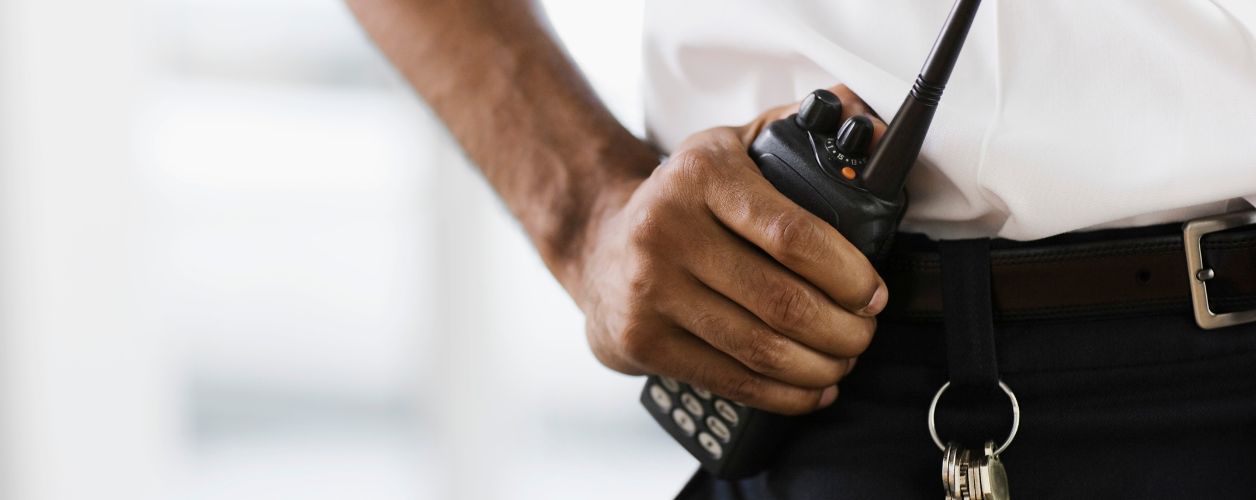
Finding Top Security Services Near You
Security services focus on protecting people, property, and assets through planned monitoring, prevention, and response strategies. These services are commonly needed when there is a concern about safety, valuable assets, restricted access areas, or the need for ongoing surveillance and protection.
People typically look for security support during events, periods of increased risk, business operations that require controlled access, or when safeguarding homes and facilities. Hiring trained professionals matters because effective security is not just about presence—it involves awareness, quick judgment, and the ability to respond appropriately to potential threats or incidents.
When engaging a security provider, users can expect structured protection plans, trained personnel, and sometimes technology-assisted monitoring systems designed to reduce risks and improve safety oversight.
Your Future Security Hero Is Just One Task Away — Let’s Find Them
Types of Services, How They Work, and What Affects the Outcome
Security services can include a wide range of solutions depending on the environment and level of risk involved. Common offerings include on-site personnel, mobile patrols, access control monitoring, surveillance system monitoring, event security coordination, and alarm response support.
How the service process typically works
The process usually begins with an assessment of the site or situation to understand potential vulnerabilities. From there, a tailored security plan is created, outlining staffing, patrol routines, monitoring methods, and response procedures. Once implemented, the service operates through scheduled shifts or continuous coverage, depending on the agreement.
Key considerations before hiring
- The level of risk associated with the property or activity
- Whether physical presence, remote monitoring, or a combination is needed
- The experience and training of personnel provided
- The responsiveness and communication approach of the provider
Pricing and timeline factors
Costs are influenced by the number of personnel required, duration of coverage, complexity of the assignment, and whether specialized equipment or technology is involved. Timelines can vary from short-term coverage for specific events to ongoing arrangements for continuous protection.
Common challenges users encounter
Some common issues include underestimating the level of coverage needed, unclear communication about expectations, and mismatches between service type and actual risk level. Inadequate planning can also lead to gaps in coverage or inefficient deployment of resources.
Your Future Security Hero Is Just One Task Away — Let’s Find Them
Choosing the Right Provider and Getting the Most from the Service
Selecting a reliable security provider involves looking beyond basic availability. Strong providers demonstrate professionalism, clear communication, and a structured approach to risk management. They should be able to explain how their strategies align with your specific needs and adapt when conditions change.
How to identify quality professionals
- Clear explanations of their approach and procedures
- Well-defined service plans rather than vague promises
- Consistency in communication and reporting
- Ability to adjust coverage based on changing requirements
Common mistakes to avoid
- Choosing based only on cost without evaluating suitability
- Not clearly defining expectations before service begins
- Overlooking the importance of communication protocols
- Failing to assess whether the provider understands the environment
Helpful preparation tips before hiring
Before booking a service, it helps to clearly outline what needs protection, identify known risks, and decide on the level of visibility or monitoring required. Preparing access details, schedules, and site information in advance also improves efficiency once the service begins.
Questions to ask before booking
- How is a security plan developed for each situation?
- What kind of training do personnel receive?
- How are incidents reported and escalated?
- What happens if coverage needs to change during the service period?
Best practices during service delivery
Maintaining open communication with the provider ensures smoother coordination and faster response to changes. It is also important to respect established protocols, provide timely updates about new risks, and regularly review whether the current setup continues to meet expectations.
Cost Guide
Related Categories for Security
Find Security in States
- Security in Alberta
- Security in British Columbia
- Security in Manitoba
- Security in New Brunswick
- Security in Newfoundland and Labrador
- Security in Northwest Territories
- Security in Nova Scotia
- Security in Nunavut
- Security in Ontario
- Security in Prince Edward Island
- Security in Quebec
- Security in Saskatchewan
- Security in Yukon
Answers to Your Common Questions
Security experts assess, install, and maintain systems designed to protect homes, businesses, and properties. Their services may include installing alarm systems, CCTV cameras, access control systems, motion sensors, and monitoring services to prevent theft, vandalism, or intrusion.
The cost varies depending on the services needed. Basic security system installation may cost between $300 to $2,500+, while monthly monitoring services can range from $20 to $60. Full commercial security consultations or system upgrades may cost more.
Yes, modern security systems can be integrated with smart home hubs like Google Nest, Alexa, or Apple HomeKit. This allows you to control locks, cameras, alarms, and lights remotely using your smartphone or voice commands.
Most home security systems can be installed within 2 to 6 hours, depending on the size of your home and the number of components (cameras, sensors, alarms, etc.). Larger or more complex systems may require a full day or more.