
Find Water Heater Installation in Your Area
- Water Heater Installation in Edmonton
- Water Heater Installation in Victoria
- Water Heater Installation in Winnipeg
- Water Heater Installation in Fredericton
- Water Heater Installation in St. John's
- Water Heater Installation in Yellowknife
- Water Heater Installation in Halifax
- Water Heater Installation in Iqaluit
- Water Heater Installation in Toronto
- Water Heater Installation in Charlottetown
- Water Heater Installation in Quebec
- Water Heater Installation in Regina
- Water Heater Installation in Whitehorse
Discover Top Water Heater Installation Experts Near You
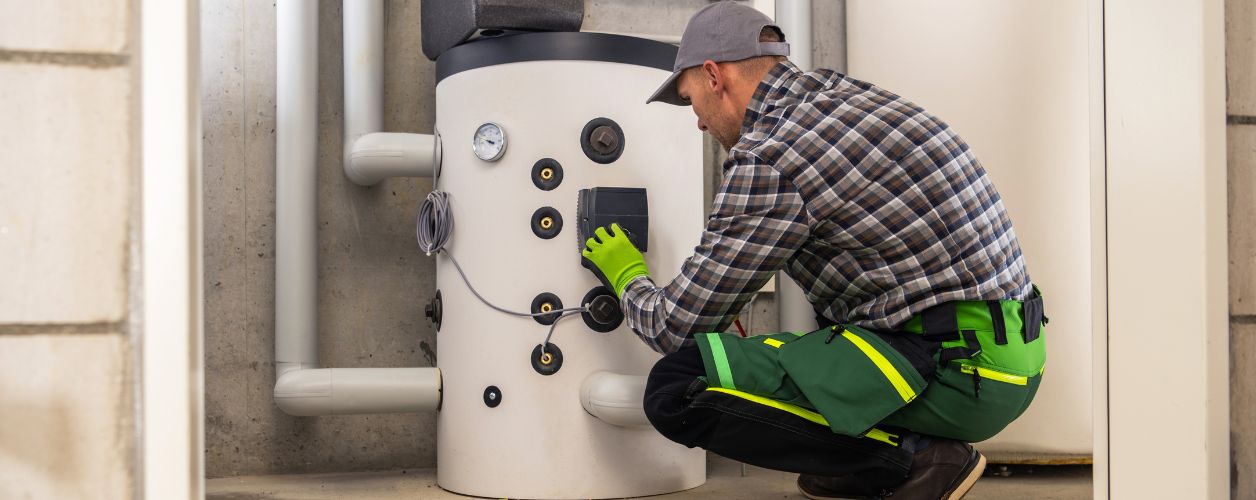
A water heater installation expert is a trained professional who handles the entire process of setting up a new water heating system, from removing your old unit to making all necessary plumbing, electrical, or gas connections. This goes well beyond simply hooking up a tank. These specialists assess your household’s hot water demand, energy source availability, and ventilation requirements to recommend and correctly install the right equipment. Whether you are building a new home, replacing an aging tank that has started to leak, or upgrading to a more modern energy-efficient model, their expertise ensures the system operates safely and at peak efficiency from day one.
People commonly need these services during a sudden breakdown with no hot water, during a planned renovation, or when moving into a home with an outdated system. The importance of hiring a dedicated professional cannot be overstated. Water heaters involve high-voltage electricity, combustible natural gas lines, and pressurized water connections. An incorrect installation can lead to carbon monoxide leaks, severe water damage, scalding risks, or even explosion hazards. A professional brings the technical knowledge to navigate building codes, obtain permits where required, and correctly size the unit, giving you reliable hot water and genuine peace of mind.
Core Services Offered by Water Heater Installation Experts
Professional water heater contractors provide a complete range of solutions that cover the entire lifecycle of your hot water system. Their work typically includes more than the physical installation and involves critical preparation and safety checks.
- Removal and eco-friendly disposal of old water heater tanks.
- New construction rough-in and final installation for residential and commercial properties.
- Conversion from electric to gas water heaters, or vice versa.
- Installation of high-efficiency tankless (on-demand) water heaters.
- Hybrid heat pump water heater setup and configuration.
- Solar water heater system installation, including roof-mounted collectors and storage tanks.
- Commercial boiler and large-volume storage tank installations.
- Gas line sizing, running, and connection for gas-fired units.
- Electrical wiring and dedicated circuit installation for electric models.
- Venting and combustion air supply setup for natural draft and power-vent systems.
- Thermal expansion tank installation to protect plumbing systems.
- Water softener and filtration integration to protect the new heater.
- Whole-home recirculation pump installation for instant hot water.
- Leak detection, pressure testing, and safety inspection of all connections.
- Programming smart controls and Wi-Fi connectivity for modern units.
Your Future Water Heater Installation Hero Is Just One Task Away — Let’s Find Them
How a Professional Installation Typically Works
Knowing what to expect during the appointment helps the project go smoothly. While every job is unique, most water heater installations follow a structured, multi-phase process that emphasizes safety and accuracy.
- On-Site Assessment and Sizing: The installer begins by inspecting your current setup, measuring the available space, and asking about your hot water usage patterns. They calculate the correct tank size or flow rate for tankless units based on the number of bathrooms, appliances, and occupants, rather than just swapping in a unit of the same size.
- Material and Permit Preparation: Before any work starts, the contractor gathers all necessary materials—new water and gas piping, venting components, valves, and fittings. They confirm whether a permit is needed for the job and will typically manage the permitting process on your behalf, scheduling the work to comply with safety codes.
- System Shutdown and Safe Drainage: On installation day, the expert shuts off the energy source (gas or electricity) and the main water supply. The old tank is carefully drained, often using a pump to speed up the process and avoid water spillage, before being disconnected from the pipes, gas line, and flue.
- Installation and Connection: The new unit is positioned and leveled. The installer makes all the plumbing connections using new, code-approved materials, installs a new temperature and pressure relief valve, and connects the energy source. For gas units, this involves a meticulous leak test on every joint.
- Startup, Testing, and Final Walkthrough: The tank is filled and the system is turned on. The technician monitors a full heating cycle, checks for proper exhaust draft, and adjusts the thermostat. Finally, they clean the work area completely and walk you through the operation, maintenance needs, and warranty registration of your new system.
How to Choose the Right Water Heater Installation Professional
Choosing the right contractor is the single most important decision you will make, as a properly sized and expertly installed water heater can last over a decade without issues. Not all installers have the same depth of experience, and your selection should be based on a few critical, verifiable factors.
Check Licensing and Insurance Diligently
A legitimate contractor carries valid trade licenses and insurance. This is not just paperwork; it’s your protection. Ask to see their certificate of liability insurance and confirm it's current. A licensed pro has proven their competency with gas and electrical work, and their insurance covers you if accidental property damage or an injury occurs on your property. Hiring an unlicensed handyperson for complex water heater work creates enormous personal financial risk.
Gauge Their Experience With Your Specific System
A specialist in electric tanks isn't automatically an expert in condensing tankless gas units or hybrid heat pump models. Ask direct questions about their hands-on experience with your chosen fuel type and technology. A true expert will willingly explain the unique ventilation requirements of a power-vent gas model or the condensate drain needs of a high-efficiency unit, demonstrating a deep understanding that protects your home and investment.
Insist on a Transparent, Detailed Quote
A trustworthy professional provides an upfront, written estimate that leaves no room for surprise charges. The quote should clearly separate the line items for the unit, all new installation materials (like upgraded venting, expansion tanks, new gas piping, and valves), permit fees, and labor. Beware of quotes that simply list a flat number. A clear breakdown shows honesty and allows you to accurately compare the real cost and value of different proposals.
Evaluate Communication, Cleanliness, and Workmanship Warranty
Responsiveness and punctuality are strong signals of professionalism. A service provider who respects your time from the first phone call is likely organized. Ask about their clean-up policy and, crucially, the warranty on their installation labor, which is separate from the manufacturer’s tank warranty. A solid labor warranty of at least one year signals a company that stands confidently behind its work.
General Pricing Factors and What to Expect
The cost to hire a water heater installation expert is influenced by a combination of parts, specialized labor, and project complexity. Homeowners can expect the total installed cost to typically range from $1,500 to $5,500, though large-scale projects like converting to a tankless system or adding complex venting can push the investment higher. Understanding what drives the price helps you evaluate quotes intelligently.
| Cost Factor | Description & Impact |
|---|---|
| Type and Technology of Unit | A basic electric tank is least expensive, while high-efficiency condensing tankless, hybrid heat pump, and solar thermal systems command a premium for the equipment itself. |
| Project Complexity | A simple swap in the same location is most affordable. Moving the unit’s location, upgrading gas pipe diameter, or installing new electrical sub-panels adds significant labor and material cost. |
| Venting and Ventilation Work | Standard atmospheric venting is low-cost. Installing new stainless steel power-venting or running fresh air intake pipes for a sealed-combustion unit adds several hundred dollars or more. |
| Code-Required Upgrades | Installing a mandatory thermal expansion tank, a drip pan with a proper drain line, or carbon monoxide detectors are essential safety additions that factor into the final price. |
| Removal and Disposal | Removing and responsibly disposing of a heavy, sediment-filled old tank requires labor and sometimes a disposal fee. Confirm this is included in your quote to avoid hidden charges. |
| Urgency and Access | Emergency same-day or after-hours installations in hard-to-access basements, attics, or crawlspaces that are difficult to reach will increase the total labor cost. |
Common Problems Solved by a New Installation
Recognizing the signs that you need professional water heater installation can prevent a disruptive failure. The service is a critical solution for several distinct and urgent home comfort problems.
- Complete Loss of Hot Water: This is the most obvious emergency. A professional can diagnose if it’s a repairable part or a terminal tank failure, and if needed, perform a rapid replacement to restore your family’s routine.
- A Leaking Tank: A tank that leaks from the bottom is non-repairable. This is an immediate flood risk. A contractor’s top priority is swift removal and replacement to prevent catastrophic water damage to your home.
- Rust-Colored Water and Metallic Taste: This indicates internal tank corrosion, meaning the glass lining has failed and the steel tank is rusting from the inside out. Total tank failure is imminent, making replacement the only viable solution.
- Rumbling, Popping, and Banging Noises: Loud sounds from a gas water heater are caused by excessive sediment buildup at the bottom of the tank. This creates hot spots that boil the water trapped under the sediment layer, severely cracking the glass lining and drastically shortening the tank’s lifespan.
- Insufficient Hot Water After Household Growth: A tank that was perfectly sized for two people may be woefully inadequate for a family of five. A professional solves this by sizing and installing a larger tank, a high-recovery model, or an endless-on-demand tankless system.
- High Energy Bills From an Aging Unit: Replacing an old, low-efficiency water heater with a modern Energy Star certified model, especially a heat pump or condensing tankless unit, can dramatically lower monthly gas or electricity bills.
Your Future Water Heater Installation Hero Is Just One Task Away — Let’s Find Them
Essential Questions to Ask Before You Hire
Having a conversation with a potential installer is about more than just getting a price. Asking the right, practical questions reveals their expertise and protects you from substandard work. Use these questions to guide your discussions.
- “Are you a licensed and insured specialist for this specific type of water heater and fuel source?”
- “Can you explain why you recommend this exact model and size for my household's needs?”
- “Does your written quote include all necessary code upgrades, like an expansion tank, a proper drain pan, and securing a permit?”
- “What is your labor warranty on the installation, and how do you handle manufacturer warranty claims for parts?”
- “Will you personally perform a combustion safety test and a gas leak check after the install is complete?”
- “How will you protect my home from damage while removing the old heavy tank and bringing in the new one?”
- “Can you provide references or share examples of a complex tankless retrofit you have completed recently?”
Mistakes to Avoid When Getting a New Water Heater
Many homeowners make costly errors by rushing the process or focusing solely on the equipment price. Avoiding these common missteps will save you from years of poor performance and unexpected repair bills.
- Prioritizing Tank Price Over System Cost: The cheapest quote often skips essential items like a new expansion tank, high-quality brass valves, proper venting, or a permit. These hidden omissions create unsafe conditions and high future costs.
- Installing the Same Size Out of Habit: Blindly replacing a 40-gallon tank with another 40-gallon unit without evaluating current needs is a major mistake. Your family’s usage has likely changed, and modern units have different recovery rates. An expert load calculation is essential.
- Ignoring Ventilation and Combustion Air Requirements: A new, higher-BTU gas heater may need more combustion air than your old unit. Installing it in a small, enclosed closet without proper ventilation can create a dangerous backdraft of carbon monoxide into your home.
- Choosing a Handyperson for Skilled Trades Work: Water heater installation is not a general task. It requires specific plumbing, gas-fitting, and electrical knowledge. A mistake in gas line sizing or 240-volt wiring is a critical safety hazard that a general handyperson is not qualified to manage.
- Forgetting to Check the Warranty and Future Serviceability: Not all brands have accessible local parts support. Choosing an obscure, low-cost brand from a big box store can mean a long, cold wait for a simple warranty replacement part down the line. An installer often has preferred brands with reliable supply chains.
Related Categories for Heating
Find Water Heater Installation in States
- Water Heater Installation in Alberta
- Water Heater Installation in British Columbia
- Water Heater Installation in Manitoba
- Water Heater Installation in New Brunswick
- Water Heater Installation in Newfoundland and Labrador
- Water Heater Installation in Northwest Territories
- Water Heater Installation in Nova Scotia
- Water Heater Installation in Nunavut
- Water Heater Installation in Ontario
- Water Heater Installation in Prince Edward Island
- Water Heater Installation in Quebec
- Water Heater Installation in Saskatchewan
- Water Heater Installation in Yukon
Answers to Your Common Questions
Experts install tank-style, tankless (on-demand), gas, electric, and hybrid heat pump water heaters. They’ll help you choose the best model based on your home’s size, usage, and energy goals.
Installation typically costs $800 to $2,500, depending on the type, size (in gallons), energy source, and whether any upgrades (like new venting or electrical work) are needed.
Most standard installations take 2 to 4 hours. More complex setups, like converting from tank to tankless or upgrading connections, may take up to a full day.
Yes, most areas require a permit and inspection for water heater installation to ensure it meets safety and building codes. Licensed installers typically handle the paperwork for you.