
Find Landscapers in Your Area
- Landscapers in Edmonton
- Landscapers in Victoria
- Landscapers in Winnipeg
- Landscapers in Fredericton
- Landscapers in St. John's
- Landscapers in Yellowknife
- Landscapers in Halifax
- Landscapers in Iqaluit
- Landscapers in Toronto
- Landscapers in Charlottetown
- Landscapers in Quebec
- Landscapers in Regina
- Landscapers in Whitehorse
Choose Trusted Landscapers Nearby To Transform Your Outdoor Space
Professional landscapers do far more than mow lawns or trim hedges. They transform outdoor spaces through a combination of horticultural knowledge, design principles, and construction expertise. A skilled landscaper understands soil composition, plant biology, drainage patterns, and structural engineering, applying this knowledge to create outdoor areas that are both beautiful and functional.
People typically search for landscaping services when they face a specific challenge or opportunity. Maybe you have just purchased a home with an overgrown or neglected yard and have no idea where to start. Perhaps you want to increase property value before selling, or you have a backyard that becomes a swamp every time it rains. You might simply be tired of spending every weekend doing yard work and want a space you can actually enjoy rather than maintain. In all these cases, a professional brings skills and equipment that go well beyond what the average homeowner can accomplish alone.
Why hire a professional instead of tackling the work yourself? The answer lies in the hidden complexity of outdoor work. Proper grading to prevent foundation damage, selecting plants that will thrive in your specific microclimate, building retaining walls that will not fail after two winters, installing irrigation that conserves water while keeping plants healthy—these are technical challenges. Professionals understand local soil conditions, frost cycles, and building codes. They also carry insurance, which protects you if something goes wrong during a major excavation or hardscaping project.
Common Services Included in This Category
Landscaping is a broad field that covers everything from design to construction to ongoing care. Most professionals specialize in a subset of these services, though full-service companies handle many of them under one roof. Here are the typical services you can expect:
- Landscape design and master planning — Creating detailed drawings and plant selection plans tailored to your property
- Hardscaping — Installing patios, walkways, driveways, retaining walls, steps, and other non-living structural elements
- Softscaping and planting — Selection and installation of trees, shrubs, perennials, ground cover, and turf
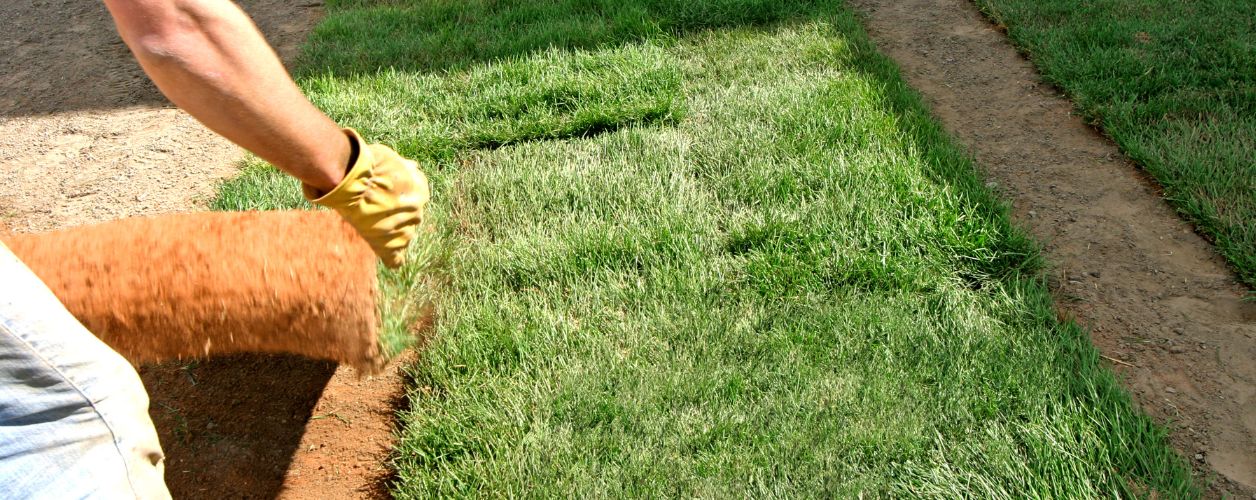
- Lawn grading and sod installation — Re-contouring land for proper drainage and establishing new lawns
- Irrigation system design and installation — Custom sprinkler or drip systems that water efficiently
- Drainage solutions — French drains, dry creek beds, sump systems, and swales to manage water issues
- Retaining wall construction — Structural walls using concrete blocks, natural stone, timber, or poured concrete
- Outdoor lighting installation — Path lights, uplighting for trees, deck lighting, and security lighting
- Garden renovation and restoration — Overhauling overgrown, outdated, or failing garden beds
- Outdoor living space construction — Decks, pergolas, outdoor kitchens, fire pits, and seating areas
- Fencing and privacy screening — Wood, vinyl, metal, and living fences including hedge installation
- Seasonal maintenance — Spring and fall cleanup, pruning, mulching, leaf removal, and winterization
- Eco-friendly and sustainable landscaping — Native plant gardens, rain gardens, xeriscaping, and pollinator habitats
- Pool landscaping — Designing and planting around swimming pools for privacy, safety, and aesthetics
- Decorative stone and mulch installation — Enhancing garden beds and pathways with aesthetic ground cover
Your Future Landscapers Hero Is Just One Task Away — Let’s Find Them
How the Landscaping Process Typically Works
Understanding the typical workflow helps you set realistic expectations about timelines, communication, and what will happen on your property. While every company operates slightly differently, most professional landscaping projects follow a predictable sequence.
Step 1: Initial consultation and site assessment. The landscaper visits your property to understand your goals, assess site conditions, take measurements, evaluate soil and drainage, and discuss your budget. This meeting usually lasts one to two hours and is often free, though some companies charge a consultation fee that gets credited toward the project if you proceed.
Step 2: Design and proposal development. Based on the consultation, the landscaper creates a design concept and a detailed written proposal. This includes a scaled drawing or 3D rendering of the planned work, a plant list, material specifications, and an itemized cost estimate. Design fees vary but expect to pay separately for detailed plans, typically anywhere from $300 to several thousand dollars depending on project complexity.
Step 3: Contract and scheduling. Once you approve the proposal and sign a contract, the project gets scheduled. Reputable companies provide a clear timeline with start and completion dates, a payment schedule, and details about what happens if weather causes delays. A deposit is usually required at this stage, often 20% to 30% of the total project cost.
Step 4: Site preparation. The crew marks utility lines, protects existing features that will remain, and brings in equipment. This may involve removing existing plants, demoing old hardscaping, or bringing in fill material to adjust grades. Expect some disruption during this phase—heavy machinery, material deliveries, and noise.
Step 5: Structural and hardscape installation. Any major construction happens first: excavation, base preparation, retaining walls, patios, walkways, steps, and drainage systems. This phase establishes the bones of the landscape.
Step 6: Planting and softscaping. With the hardscape in place, soil is amended, plants are installed, mulch or stone is spread, and sod is laid or seed is applied. Irrigation systems are also installed during this phase before planting is completed.
Step 7: Final walkthrough and cleanup. The crew thoroughly cleans the site, the landscaper walks you through the finished project, explains care instructions for new plants, and addresses any concerns. Final payment is typically due at this point. Many companies offer a warranty period on plants and workmanship, so confirm what is covered.
How to Choose the Right Landscaping Professional
Selecting the right person or company for your project is arguably the most important decision you will make. A beautiful design means nothing if the execution is poor, and landscaping mistakes can be extremely expensive to fix. Here is what to evaluate.
Verify Relevant Experience and Portfolio
Not all landscapers do the same type of work. Some specialize in garden design and planting, while others focus on hardscaping and construction. Ask to see photos of completed projects similar to what you want. A portfolio full of cottage gardens does not prove someone can build a structurally sound retaining wall. Look for consistency over time—projects completed several years ago that still look good speak volumes about quality.
Confirm Licensing, Insurance, and Credentials
Ask directly about liability insurance and workers' compensation coverage. If a worker gets injured on your property and the company is uninsured, you could be held liable. Professional certifications from organizations like Landscape Ontario or the Canadian Nursery Landscape Association indicate ongoing education and adherence to industry standards. For complex structural work, ask if they employ or work with a landscape architect or engineer.
Evaluate Communication and Responsiveness
Pay attention to how the landscaper communicates during the quoting process. Do they return calls and emails promptly? Do they listen to your ideas or push their own agenda? Are they willing to explain their reasoning when they suggest alternatives? A landscaper who is difficult to reach before you have signed a contract will likely be even harder to reach once the project is underway.
Assess Pricing Transparency
A trustworthy professional provides a detailed, line-item estimate rather than a single lump-sum number. The quote should break down materials, labour, equipment, and any subcontractor costs. Be wary of quotes that are dramatically lower than others—this usually means corners will be cut on materials, preparation, or labour quality. Ask what is included and, just as importantly, what is not included.
Check References and Reviews
Ask for references from recent clients with similar projects, and actually call them. Ask whether the project stayed on budget, how the crew treated their property, whether the timeline was respected, and if any issues arose after completion. Online reviews are useful but can be curated; a direct conversation with a past client is far more revealing.
Pricing Factors for Landscaping Services
Landscaping costs vary enormously based on project scope, materials, site conditions, and the experience level of the professional you hire. Understanding what drives pricing helps you budget realistically and compare quotes effectively. Here are the key factors that influence what you will pay.
Project complexity and size is the single largest cost driver. A simple planting bed refresh requires far less labour and materials than a full backyard transformation involving excavation, hardscaping, and custom features. Material choices also swing costs dramatically—natural stone costs significantly more than concrete pavers, and mature specimen trees cost far more than young saplings. Site accessibility matters too: if equipment cannot access your backyard and materials must be moved by hand, labour costs increase substantially. Soil conditions and drainage needs can add unexpected expense; poor soil may need extensive amendment, and properties with drainage problems require engineered solutions before any aesthetic work can begin. Seasonal timing affects pricing, with peak spring and early summer often commanding premium rates due to high demand. Permits and engineering requirements for large retaining walls, structures, or significant grade changes add regulatory costs to the project.
Below is a general pricing overview for common landscaping services. These ranges reflect typical market conditions and include both labour and materials unless noted.
| Service | Typical Price Range (CAD) | What Affects Cost |
|---|---|---|
| Landscape design plan only | $500 – $5,000+ | Detail level, property size, 2D vs 3D rendering |
| Full landscape installation (average yard) | $15,000 – $50,000+ | Hardscape-to-planting ratio, materials, access |
| Patio installation (natural stone or pavers) | $25 – $65 per sq. ft. | Material type, base depth, pattern complexity |
| Retaining wall (segmental block) | $40 – $100 per sq. ft. of wall face | Height, engineering needs, access, drainage |
| Sod installation | $1.50 – $4 per sq. ft. | Site prep needed, soil quality, lawn size |
| Irrigation system installation | $2,500 – $6,000 (average yard) | Zone count, water source, controller type |
| Tree planting (per tree, including installation) | $300 – $2,000+ | Species, size at planting, location difficulty |
| Outdoor lighting (per fixture installed) | $150 – $400 | Fixture quality, wiring distance, transformer size |
| Seasonal cleanup (per visit, average yard) | $200 – $600 | Yard size, debris volume, frequency |
Expect to pay a deposit of 20% to 30% upfront, with progress payments tied to project milestones. Be cautious of any contractor who demands full payment before work begins.
Your Future Landscapers Hero Is Just One Task Away — Let’s Find Them
Common Problems That Landscapers Solve
People hire landscapers for a wide range of reasons beyond simply wanting a prettier yard. Here are real-world scenarios that drive homeowners and business owners to seek professional help.
- Poor drainage and standing water — Water pooling near the foundation, soggy lawns, or basement seepage caused by improper grading require regrading and drainage system installation.
- Erosion on sloped properties — Soil washing away after rain, exposed roots, and unstable slopes need retaining walls, terracing, and deep-rooted plantings to stabilize the ground.
- Overgrown or neglected yards — Properties that have not been maintained for years need clearing, pruning, soil rehabilitation, and a complete replanting strategy.
- Outdated or dysfunctional layouts — Yards designed decades ago that no longer suit how the family lives, with narrow walkways, useless lawn areas, or a lack of usable gathering spaces.
- Privacy concerns — Overlooked yards that need strategic fencing, hedge planting, or trellis structures to create secluded outdoor areas.
- Preparing a property for sale — Curb appeal improvements including fresh mulch, trimmed shrubs, seasonal colour, and repaired hardscaping to boost market value.
- New home with bare dirt yard — New construction properties that come with nothing but graded soil, requiring a complete landscape from scratch.
- Accessibility needs — Replacing stairs with gentle ramps, widening paths for mobility devices, and creating barrier-free garden spaces.
- High-maintenance yards that are overwhelming — Redesigning landscapes to reduce maintenance through smarter plant choices, automated irrigation, and reduced lawn area.
Questions to Ask Before Hiring a Landscaper
The questions you ask during the vetting process reveal a lot about a company's professionalism and suitability for your project. Do not skip these conversations.
- "Can you show me examples of projects similar to mine that you have completed?" — Generic portfolios are not enough. You want proof of specific experience with your type of project.
- "Who will be on-site day to day, and will you use subcontractors for any part of the work?" — Know whether the people you meet during the sales process will actually be doing the work, and clarify who is responsible if a subcontractor's work is subpar.
- "What warranties do you offer on plants, hardscaping, and workmanship?" — Typical plant warranties range from one to two years, while hardscape workmanship should be guaranteed for several years. Get the details in writing.
- "How do you handle unexpected issues like poor soil, buried debris, or weather delays?" — Their answer tells you how they manage project surprises and whether they communicate proactively or present surprise bills later.
- "What is your payment schedule, and what triggers each payment?" — Never pay in full upfront. Payments should be tied to completed milestones you can visually verify.
- "Will you handle utility locates and any required permits?" — Reputable companies manage these logistics. If they ask you to arrange them, that is a red flag.
- "How do you protect existing features like trees, driveways, and neighbouring properties during construction?" — Heavy equipment can cause serious damage. A professional has a clear protection plan.
- "What does the maintenance look like after installation, and can you provide care instructions?" — A good landscaper cares about the long-term success of their work and will equip you to maintain it properly.
Mistakes to Avoid When Hiring Landscapers
Even well-intentioned homeowners make costly errors when hiring for landscaping work. Knowing these common pitfalls can save you thousands of dollars and months of frustration.
Choosing based on price alone. The lowest quote almost always comes at a hidden cost—thinner base material under pavers that will shift after two freeze-thaw cycles, smaller plants that will take years to fill in, or rushed workmanship. Landscaping is an investment that should last decades. Get multiple quotes, but make your decision based on value, not just the bottom line.
Skipping the design phase. Starting a major project without a proper plan is like building a house without blueprints. You end up with disjointed elements, plants in the wrong places, and expensive changes mid-project. A design plan costs money upfront but prevents far more expensive mistakes during construction.
Ignoring drainage before aesthetics. Beautiful patios and gardens fail quickly if water is not managed properly. Drainage must be addressed first—before any decorative elements are installed. If a landscaper's proposal skips drainage assessment, ask why.
Not getting everything in writing. Verbal promises about plant substitutions, timelines, or extra features mean nothing when disputes arise. A detailed contract protects both parties. If a landscaper resists putting details in writing, walk away.
Underestimating the importance of soil. Plants installed in poor, compacted, or nutritionally depleted soil will struggle or die regardless of how much you water them. Soil amendment and preparation is not an optional extra—it is foundational. Be skeptical of any quote that treats soil work as an afterthought.
Failing to discuss the realistic timeline. Landscaping is weather-dependent and seasonal. Understand that rain delays, material shortages, and scheduling conflicts happen. A company that promises to start immediately and finish unrealistically fast may be cutting corners or overcommitting.
Find Landscapers in States
- Landscapers in Alberta
- Landscapers in British Columbia
- Landscapers in Manitoba
- Landscapers in New Brunswick
- Landscapers in Newfoundland and Labrador
- Landscapers in Northwest Territories
- Landscapers in Nova Scotia
- Landscapers in Nunavut
- Landscapers in Ontario
- Landscapers in Prince Edward Island
- Landscapers in Quebec
- Landscapers in Saskatchewan
- Landscapers in Yukon
Answers to Your Common Questions
Professional landscapers offer a wide range of services, including garden design, lawn care, planting, mulching, retaining walls, irrigation system installation, paving, fencing, tree trimming, and full landscape construction. Whether you're looking for a simple backyard makeover or a complete outdoor renovation, landscapers can help bring your vision to life.
Landscaping costs in Canada vary based on the size of the area and scope of work. Basic services like lawn mowing or mulching may start around $100 to $500, while larger projects like garden design, paving, or deck installation can range from $3,000 to $25,000+. It's best to get a quote tailored to your property and project goals.
A gardener typically focuses on plant care, lawn maintenance, and seasonal tasks like pruning or weeding. A landscaper provides more comprehensive services, including landscape design, hardscaping, and construction. Landscapers often handle outdoor transformations, while gardeners maintain the existing greenery.
Yes, landscapers are skilled in both front yard and backyard design. They can assist with layout planning, plant selection, lawn installation, and integrating features such as pathways, patios, water features, and lighting to enhance the functionality and appearance of your outdoor spaces.