
Find Structural Repair in Your Area
- Structural Repair in Edmonton
- Structural Repair in Victoria
- Structural Repair in Winnipeg
- Structural Repair in Fredericton
- Structural Repair in St. John's
- Structural Repair in Yellowknife
- Structural Repair in Halifax
- Structural Repair in Iqaluit
- Structural Repair in Toronto
- Structural Repair in Charlottetown
- Structural Repair in Quebec
- Structural Repair in Regina
- Structural Repair in Whitehorse
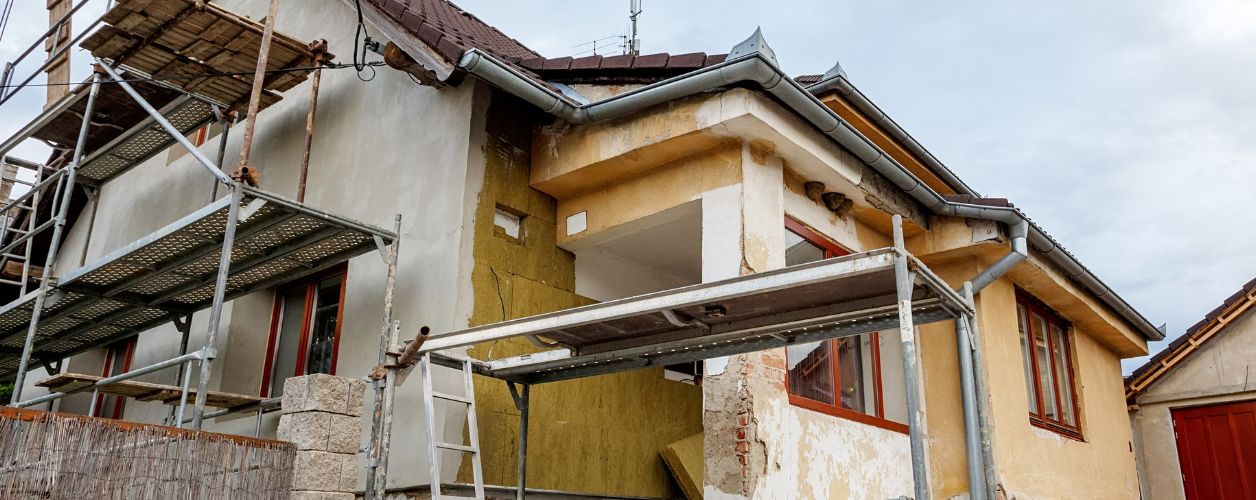
Comprehensive Solutions with Structural Repair Experts Near Me
Every building, whether it's a family home or a commercial property, relies on a hidden skeleton of beams, columns, load-bearing walls, and foundations to stay upright and safe. Structural repair experts are the professionals who diagnose, stabilize, and restore this critical framework when something goes wrong. Unlike general contractors who might handle cosmetic renovations, these specialists focus exclusively on the load-bearing elements that keep a building from collapsing or shifting. Their work sits at the intersection of engineering principles and hands-on construction skill, making it one of the most technically demanding trades in the building industry.
Property owners most commonly reach out to structural repair contractors when they spot warning signs that something is amiss. A stair-step crack climbing up a brick wall, a basement floor that has developed an uneven slope, or interior doors that suddenly jam against their frames all suggest underlying movement. Other triggers include noticing a noticeable bounce in floors when walking across a room, gaps appearing between walls and ceilings, or a chimney pulling away from the main structure. These symptoms often point to foundation settlement, soil pressure, water damage, or material deterioration that can worsen steadily if ignored.
Attempting DIY fixes or hiring an untrained handyman for structural issues carries serious risks. A crack patched with surface filler will simply reopen if the foundation continues sinking. Replacing a load-bearing wall without proper temporary shoring can lead to catastrophic floor sagging or even partial collapse. Professional structural repair experts bring the diagnostic tools, engineering knowledge, and specialized equipment needed to address root causes rather than just hiding symptoms. Their work preserves both property value and occupant safety.
Common Services Offered by Structural Repair Professionals
The scope of work handled by structural repair and reinforcement specialists is broad, ranging from preventative maintenance to emergency stabilization. Below are the core services you can expect qualified professionals to provide.
- Foundation stabilization and underpinning to halt settlement and lift or support sinking footings
- Basement wall reinforcement using carbon fiber strips, steel beams, or wall anchors to counteract inward bowing
- Concrete crack injection and structural epoxy repair to restore the monolithic strength of cracked foundation walls and slabs
- Load-bearing wall modification or removal with engineered beam installation for open-concept renovations
- Floor leveling and joist sistering to correct sagging, bouncy, or uneven floor systems
- Beam and column repair or replacement addressing wood rot, steel corrosion, or termite damage in structural supports
- Retaining wall reconstruction and tie-back anchoring for walls that are leaning, bulging, or failing under soil pressure
- Structural waterproofing integration combining drainage systems with structural repairs to prevent recurring water damage
- Seismic retrofit upgrades bolting foundations to framing and strengthening cripple walls for earthquake resistance
- Masonry structural repointing and crack stitching to restore the load-bearing integrity of brick, block, and stone walls
- Roof structural truss and rafter repair addressing sagging ridge lines, snow-load damage, or failing connections
- Emergency shoring and stabilization following impact damage, fire, flooding, or sudden partial collapse
- Steel beam and lintel replacement in commercial or residential settings where original supports have rusted or undersized
- Settlement correction using helical piers or push piers driven deep to competent soil or bedrock
- Concrete slab lifting and void filling through polyurethane foam injection or mudjacking techniques
Your Future Structural Repair Hero Is Just One Task Away — Let’s Find Them
How the Structural Repair Process Typically Works
Understanding the sequence of a structural repair project helps set realistic expectations and reduces anxiety about what can feel like an overwhelming undertaking. While every situation differs, most projects follow a logical progression from discovery to completion.
Initial Observation and Concern
The process usually begins when a property owner notices something unusual—a crack that has grown, a sticky door, a noticeable slope in the floor. At this stage, it is wise to document the concern with dated photos and measurements. This baseline information helps professionals understand how quickly an issue is progressing.
Professional Structural Assessment
A qualified structural repair expert visits the property to conduct a thorough inspection. They examine the visible symptoms, trace potential causes, and evaluate the overall condition of the structural system. This assessment often involves checking crawl spaces, basements, attic framing, and exterior grading. For complex cases, the professional may recommend a formal structural engineering report, which provides an independent analysis and prescribed repair scope.
Diagnosis and Cause Identification
Effective repair depends entirely on accurate diagnosis. The professional determines whether foundation cracks stem from normal concrete shrinkage, expansive clay soils, drainage problems, or inadequate original footings. Identifying the root cause ensures the repair plan addresses the source of the problem rather than merely treating the symptom.
Customized Repair Plan and Estimate
Based on the diagnosis, the contractor develops a detailed repair specification. This document outlines exactly what work will be performed, what materials and methods will be used, how long the project will take, and what the total cost will be. Reputable structural restoration specialists provide written estimates and explain any variables that could affect the final price.
Engineering Review and Permitting
Many structural repairs require engineered drawings and municipal permits. This step ensures the proposed solution meets current building code requirements. The contractor typically handles the permit application process, though the homeowner is ultimately responsible for ensuring permits are secured.
Site Preparation and Safety Setup
Before major work begins, the crew prepares the site. This may involve protecting flooring, setting up dust containment barriers, establishing temporary shoring as a safety precaution, and confirming utility locations. Safety protocols are especially critical when working near load-bearing elements that are already compromised.
Execution of Structural Repairs
The hands-on work varies widely depending on the project. It might involve excavating around a foundation to install helical piers, injecting expanding polyurethane foam beneath a settled concrete slab, or sistering damaged floor joists with new lumber and structural fasteners. Throughout the process, the crew follows engineered specifications precisely.
Final Inspection and Documentation
Once repairs are complete, the work undergoes inspection by the local building authority where permits are involved. The contractor walks the homeowner through what was done, explains any maintenance recommendations, and provides documentation including engineering letters or transferable warranties. This paperwork proves valuable for future property sales.
How to Choose the Right Structural Repair Professional
Selecting the right professional is arguably the most consequential decision in the entire process. A well-executed repair can last decades, while a poor one can create new problems or fail to solve the original issue. Several factors deserve careful evaluation.
Relevant Experience and Specialization
Structural repair is not a generalist trade. Look for companies and contractors whose primary focus is structural and foundation work rather than those who list it among dozens of unrelated services. Ask how many years they have specialized in this field and whether they have handled projects similar to yours in terms of building type, age, and scope. A professional who mainly works on new construction may not have the diagnostic skills needed for settlement issues in century-old homes.
Engineering Support and Approach
The best structural repair contractors work collaboratively with licensed structural engineers. Some have engineers on staff, while others maintain relationships with independent engineering firms. A contractor who dismisses the need for engineering input on significant repairs should raise a red flag. Ask whether an engineer will be involved in designing your repair solution and whether sealed drawings will be provided.
Warranty and Workmanship Guarantees
Reputable building reinforcement contractors stand behind their work with meaningful warranties. Understand what is covered, for how long, and whether the warranty transfers to a new owner if you sell the property. Manufacturer warranties on products like piering systems or carbon fiber reinforcement should be distinguished from the contractor's own workmanship guarantee.
Insurance and Credentials
Verify that any contractor you consider carries adequate liability insurance and workers' compensation coverage. Request proof of insurance and confirm it is current. While licensing requirements vary by jurisdiction, ask about relevant trade certifications, manufacturer training credentials for proprietary repair systems, and membership in industry associations that require ongoing education.
References and Past Project Documentation
Ask for references from projects completed at least two to three years ago, as this allows enough time for the repair's long-term performance to be evaluated. A trustworthy professional should willingly provide contact information for past clients. Additionally, request to see before-and-after photos of similar projects they have completed.
Communication and Transparency
Pay close attention to how the contractor communicates during the estimation process. Do they explain technical concepts in terms you can understand? Do they answer questions patiently and thoroughly? A professional who is dismissive or vague during the sales phase is unlikely to become more communicative once the project begins. Trust your instincts about whether you feel informed and respected.
Pricing Factors for Structural Repair Services
The cost of hiring structural repair professionals varies enormously based on the nature and severity of the problem, the repair method required, and site-specific conditions. Understanding what drives pricing helps you evaluate estimates intelligently and avoid being misled by quotes that seem unusually low or high.
| Repair Type | Typical Cost Range (CAD) | Key Variables |
|---|---|---|
| Minor crack injection (epoxy/polyurethane) | $800 – $3,500 | Crack length, accessibility, number of injection ports needed |
| Carbon fiber wall reinforcement | $4,000 – $12,000 | Wall height, number of strips, surface preparation required |
| Helical pier or push pier installation | $2,500 – $5,000 per pier | Soil conditions, pier depth, interior vs. exterior access |
| Floor joist sistering or reinforcement | $2,000 – $8,000 | Joist span, number of joists, obstructions like plumbing or wiring |
| Full basement underpinning or bench footing | $25,000 – $80,000+ | Basement size, depth of underpinning, soil type, waterproofing needs |
| Load-bearing wall removal with beam install | $3,500 – $15,000 | Span length, number of floors above, beam material (steel vs. LVL) |
| Retaining wall rebuild or major repair | $5,000 – $30,000+ | Wall height, length, access for equipment, drainage requirements |
| Concrete slab lifting (polyurethane foam) | $2,000 – $8,000 | Slab area, void depth, number of injection points |
Several factors influence where your project falls within these ranges. Soil conditions play a massive role—expansive clay soils create more complex challenges than stable sandy soils and may require deeper, more numerous piers. Accessibility matters too; repairs in a crawl space with limited headroom cost more in labor than those in an open basement. The age and construction type of the building affect how repair materials interface with existing structure. Emergency or winter work often carries premium pricing. Finally, whether the project requires engineered drawings and permits adds design and administrative fees, typically ranging from $1,500 to $4,500 for engineering alone depending on complexity.
Common Problems That Signal a Need for Structural Repair
Recognizing structural issues early often means the difference between a relatively straightforward repair and an extensive, costly reconstruction project. Here are the real-world scenarios most frequently encountered by structural damage assessment experts.
- Progressive foundation settlement causing diagonal wall cracks wider than 6mm (1/4 inch), especially those that widen toward one end
- Bowed or leaning basement walls from saturated soil pressure, sometimes accompanied by horizontal cracking along mortar joints
- Floor framing failure producing bouncy, springy floors that deflect noticeably underfoot or have visible sagging between supports
- Chimney separation from the house indicating differential settlement between the chimney footing and the main foundation
- Sticking doors and windows throughout the house, not just one or two, suggesting racking of the overall frame
- Water intrusion through foundation cracks where structural repair and waterproofing must be addressed together
- Termite or rot damage in wood structural members like sill plates, floor joists, or load-bearing stud walls
- Concrete spalling and rebar corrosion in older concrete structures where water has penetrated and rusted internal reinforcement
- Settlement of additions or sunrooms built on shallower footings than the original structure
- Garage slab sinking and cracking often from poorly compacted fill or vehicle loads exceeding subgrade capacity
Your Future Structural Repair Hero Is Just One Task Away — Let’s Find Them
Questions to Ask Before Hiring a Structural Repair Contractor
A thorough interview with prospective contractors reveals important differences in approach, capability, and professionalism. The following questions help you gather meaningful information beyond the price.
- "Will a licensed structural engineer be involved in designing or reviewing the repair plan for my specific project?"
- "What is the expected lifespan of this repair, and what written warranty do you provide on both materials and workmanship?"
- "Can you walk me through the root cause you have identified, not just the repair method you are proposing?"
- "What permits will be required, and will you handle the permit application and inspection coordination?"
- "Do you carry general liability insurance and workers' compensation coverage, and can you provide current certificates?"
- "How long will this specific crew and project foreman have been with your company, and who will be my daily point of contact?"
- "What could cause the final cost to differ from the estimate, and how are change orders handled if unexpected conditions arise?"
- "Can you provide references from projects with similar issues that were completed at least two years ago?"
Mistakes to Avoid When Dealing with Structural Issues
Structural problems are stressful, and that stress sometimes leads property owners to make decisions they later regret. Awareness of common pitfalls can help you navigate the process with greater confidence.
Ignoring Early Warning Signs
Small cracks and subtle signs of movement are easy to dismiss, especially when a property is new to you or you are busy with other priorities. Unfortunately, structural problems rarely improve on their own. What might be a $3,000 crack injection today can become a $30,000 foundation replacement in a few years as water infiltration and freeze-thaw cycles compound the damage. Document what you see and get a professional assessment sooner rather than later.
Cosmetic Cover-Ups Without Addressing Root Causes
Patching a crack with drywall compound or painting over a water-stained structural beam masks symptoms while the underlying problem continues to progress. By the time the damage reappears—and it will—the deterioration may have advanced significantly. Structural repair means fixing what caused the visible problem, not just making the problem invisible.
Choosing Based on Lowest Price Alone
When several estimates arrive, the temptation to pick the cheapest bid can be powerful. In structural work, unusually low pricing often signals corners being cut: shallower pier depths, fewer reinforcement strips, absence of engineering oversight, or omitted permit fees. A repair that fails prematurely costs far more than doing the job correctly the first time.
Skipping the Engineering Step
Some contractors offer to design repairs without engineering involvement, especially for what they consider routine jobs. Yet even common-looking cracks can have unexpected causes. An independent engineer's analysis provides an unbiased specification and a layer of protection against inadequate or inappropriate repair designs.
Neglecting Drainage and Water Management
Many foundation and structural problems originate from or are worsened by poor water management around the building. Investing in structural repairs without also addressing downspout discharge, grading, or perimeter drainage can doom even the best repair to future failure. A comprehensive approach considers how water interacts with the structure.
Cost Guide
Related Categories for Home Constructions & Renovations
Find Structural Repair in States
- Structural Repair in Alberta
- Structural Repair in British Columbia
- Structural Repair in Manitoba
- Structural Repair in New Brunswick
- Structural Repair in Newfoundland and Labrador
- Structural Repair in Northwest Territories
- Structural Repair in Nova Scotia
- Structural Repair in Nunavut
- Structural Repair in Ontario
- Structural Repair in Prince Edward Island
- Structural Repair in Quebec
- Structural Repair in Saskatchewan
- Structural Repair in Yukon
Answers to Your Common Questions
Watch for cracks in walls or ceilings, sloping floors, doors or windows that stick, or gaps around baseboards. These can be signs of foundation shifting, water damage, or weakening structural elements.
They deal with foundation cracks, sinking or bowing walls, damaged beams, floor joist problems, structural framing issues, and repairs after water or termite damage.
Smaller fixes like wall reinforcements might cost $1,500–$5,000, while major foundation or framing repairs can range from $10,000 to $30,000+, depending on the extent of the damage and access needed.
For serious structural issues, yes. A structural engineer can assess the damage and provide a repair plan to make sure the work is safe and up to code—especially if permits are involved.