
Find House Remodeling in Your Area
- House Remodeling in Edmonton
- House Remodeling in Victoria
- House Remodeling in Winnipeg
- House Remodeling in Fredericton
- House Remodeling in St. John's
- House Remodeling in Yellowknife
- House Remodeling in Halifax
- House Remodeling in Iqaluit
- House Remodeling in Toronto
- House Remodeling in Charlottetown
- House Remodeling in Quebec
- House Remodeling in Regina
- House Remodeling in Whitehorse
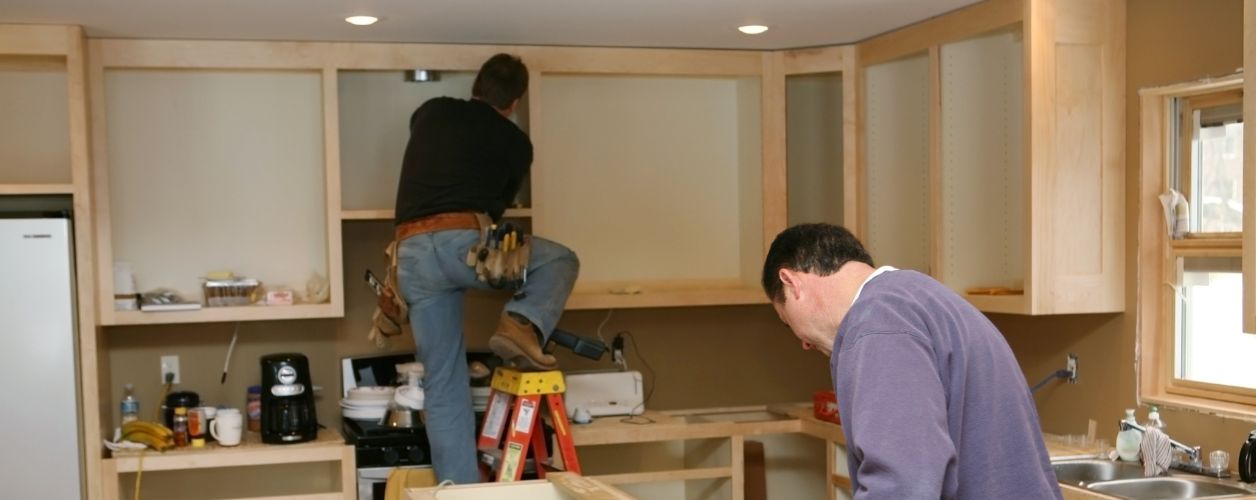
Discover Expert House Remodeling Services Near You
What Does House Remodeling Actually Involve?
House remodeling goes beyond simple repairs or cosmetic updates—it is the process of altering the structure, layout, or function of living spaces to improve comfort, safety, and long-term value. Unlike basic handyman work, remodeling often changes walls, floor plans, plumbing lines, electrical systems, and load-bearing elements. Homeowners turn to remodeling when their current layout no longer fits their lifestyle, when a home shows signs of structural wear, or when they want to boost energy efficiency without moving to a new property.
Common triggers for a full or partial remodel include outdated kitchens that make meal preparation difficult, bathrooms with safety hazards like slippery floors or poor lighting, basements that remain unfinished and underused, or entire homes that feel cramped due to a growing family. Some projects focus on modernizing interiors, while others address critical issues such as water damage, foundation settling, or inefficient heating and cooling layouts. Professional remodeling contractors bring together carpentry, electrical, plumbing, and design expertise—something general handymen typically cannot offer.
Attempting major renovations without experienced guidance often leads to code violations, budget overruns, and safety risks. Licensed professionals understand how different systems interact inside walls and floors, ensuring that new layouts meet structural standards while respecting safety clearances. They also help homeowners avoid expensive surprises by identifying hidden problems early, such as obsolete wiring, mold behind drywall, or undersized support beams. For any project that changes a room’s footprint or updates essential systems, hiring verified remodeling experts is not a luxury—it is a practical necessity.
Typical Services Under House Remodeling Experts
- Complete kitchen renovation including cabinet replacement, countertop installation, and new appliance layouts
- Full bathroom remodeling with walk-in showers, soaker tubs, and accessible design features
- Basement finishing and waterproofing to create extra living space or rental units
- Whole house renovation affecting all major rooms and systems
- Open concept floor plan modifications by removing or relocating non-load-bearing walls
- Attic conversions into bedrooms, home offices, or recreational spaces
- Home extensions that add square footage for growing families
- Exterior remodeling such as siding replacement, new windows, and door upgrades
- Structural repairs for foundation issues, rotting beams, or settling floors
- Custom interior remodeling including built-in shelving, fireplaces, and accent walls
- Flooring replacement and subfloor repair across multiple levels
- Painting and finishing work for renovated rooms
- Sustainable home upgrades like energy-efficient insulation and solar-ready designs
- Turnkey renovation services from demolition through final inspection
- Luxury home specialist finishes for high-end custom projects
Your Future House Remodeling Hero Is Just One Task Away — Let’s Find Them
The Typical Remodeling Process From Start to Finish
Understanding the step-by-step journey helps homeowners set realistic expectations. While every project differs based on scope and property condition, most professional remodeling follows a similar logical flow.
Initial consultation and site assessment: The contractor visits your home to measure spaces, discuss your goals, and inspect existing conditions. They look for signs of water damage, outdated wiring, structural concerns, or asbestos-containing materials that could affect the plan.
Design and material selection: Depending on the project’s complexity, you may work with an in-house designer or directly with the lead contractor. This phase includes choosing cabinets, tiles, flooring, fixtures, paint colors, and lighting layouts. Detailed drawings or 3D renderings help visualize the final result before construction begins.
Permit and approval stage: Licensed professionals handle permit applications for structural, electrical, plumbing, or mechanical changes. Waiting for approvals typically takes one to four weeks, depending on local office workloads and the project’s scale.
Demolition and prep work: The team removes old cabinets, flooring, walls, or fixtures while protecting areas that will stay untouched. They also address any unexpected problems discovered once surfaces are opened, such as hidden mold or deteriorated pipes.
Rough framing and system updates: New walls go up, electrical wiring gets rerouted or added, plumbing rough-ins are installed, and HVAC ducts are adjusted to match the new layout. At this stage, the home may look like a construction site—walls are open, and no finishes are visible yet.
Insulation, drywall, and priming: Once all hidden systems pass inspection, insulation goes into cavities, drywall is hung and taped, and surfaces are primed for finishing. The space begins to resemble a real room again.
Finishes and fixtures: Flooring, cabinets, countertops, trim, doors, and light fixtures are installed. Paint is applied, and plumbing fixtures like sinks and toilets are connected. This is when the design truly comes to life.
Final walkthrough and touch-ups: You inspect every detail alongside the contractor, noting any minor adjustments or cleaning needs. Once you are satisfied, the team provides warranty information and final invoices.
How to Choose the Right House Remodeling Professional
Verify Credentials and Insurance
Never hire anyone who cannot provide proof of liability insurance and workers’ compensation coverage. Without these, you could be held financially responsible for injuries or accidental damage on your property. For structural, electrical, or plumbing changes, confirm that the contractor holds the necessary licensing required in your area.
Review Their Portfolio and Specialization
Ask to see completed projects similar to yours. A contractor who excels at kitchen renovations may lack experience with basement finishing or home extensions. Look for before-and-after photos that demonstrate attention to detail, clean transitions, and quality materials.
Check Responsiveness and Communication
Remodeling involves weeks or months of coordination. If a professional takes days to return calls during the bidding process, that pattern will likely continue once the project starts. Choose someone who answers questions clearly, provides written estimates, and explains potential challenges openly.
Demand a Detailed Written Contract
A proper agreement includes scope of work, material specifications, payment schedule, start and completion dates, and procedures for change orders. Avoid contractors who only give verbal promises or handshake deals. Every change to materials or layout should be documented and signed by both parties.
Ask About Their Subcontractor Relationships
Most remodeling companies use specialized tradespeople for electrical, plumbing, and HVAC work. Ask whether those subcontractors are licensed and insured separately. Also confirm who supervises their work daily and who to contact if something goes wrong.
What Influences Remodeling Costs
The average cost to hire a professional remodeling team varies widely, but homeowners typically spend between $150 and $300 per square foot for full-scale renovations when including mid-range materials and finishes. Small bathroom updates might range from $10,000 to $25,000, while complete kitchen overhauls often fall between $25,000 and $75,000. Whole house renovations can exceed $100,000 depending on the property size and finish level.
| Project Type | Typical Cost Range | Key Cost Drivers |
|---|---|---|
| Kitchen Remodel (mid-range) | $25,000 – $75,000 | Cabinetry quantity, countertop material, appliance package |
| Bathroom Renovation | $10,000 – $35,000 | Tile extent, shower system type, plumbing relocation |
| Basement Finishing | $30,000 – $80,000 | Square footage, bathroom addition, egress windows |
| Whole House Renovation | $80,000 – $250,000+ | Structural changes, system replacements, premium finishes |
| Home Extension (per room) | $50,000 – $150,000 | Foundation work, roofing tie-in, new systems connections |
Several factors push costs higher. Complex layouts requiring structural beams or load-bearing wall removal increase engineering needs. High-end materials like natural stone, solid wood, or custom cabinetry add significantly to the budget. Urgent timelines may require overtime labor or expedited material shipping, raising the total. Older homes often contain hazardous materials requiring specialized abatement, adding thousands to the project. Similarly, moving plumbing or gas lines across a room costs far more than working within existing service locations.
Your Future House Remodeling Hero Is Just One Task Away — Let’s Find Them
Real Situations That Call for Remodeling Experts
- A family of four outgrows their two-bedroom home but loves their neighborhood and wants to add a bedroom and bathroom instead of moving
- A homeowner discovers rotting floor joists and crumbling drywall after a minor leak, requiring structural replacement and full room restoration
- A couple inherits a property that has not been updated since the 1970s, with original wiring, galvanized pipes, and poor insulation throughout
- A newly purchased fixer-upper needs gut renovation of the kitchen, bathrooms, and basement before move-in
- A homeowner wants to convert a dark, unused attic into a bright master suite with dormer windows and a three-piece bathroom
- An aging individual needs bathroom modifications like curbless showers, grab bars, and wider doorways for mobility access
- A rental property owner wants to modernize units to justify higher rent and attract long-term tenants
Essential Questions to Ask Before Hiring
- How many projects similar to mine have you completed in the past two years? Can I speak with two recent clients?
- Will you pull all necessary permits, or is that my responsibility as the homeowner?
- What is your policy on change orders and unexpected condition discoveries, such as rot or outdated wiring?
- Who will be on-site daily, and what hours will work typically take place?
- How do you protect finished areas of the home, like flooring or furniture, from dust and debris?
- What warranty do you offer on labor, and how are warranty claims handled after final payment?
- Can you provide a line-item estimate showing material allowances and labor breakdowns?
Common Mistakes Homeowners Make During Remodeling
- Choosing the lowest bid without verifying credentials, leading to poor workmanship or abandoned projects
- Starting demolition before securing permits or contractor availability, leaving the home exposed for weeks
- Changing material selections or layouts after work begins without signing a change order, causing billing disputes
- Making final payment before all punch-list items are completed and inspected
- Underestimating how long renovation dust and noise will affect daily life, especially with young children or pets
- Ignoring ventilation needs in basements or attics, resulting in humidity problems after new finishes are installed
- Failing to set aside a contingency fund of at least 15-20% for unexpected structural or system repairs
- Selecting trendy finishes that may feel dated quickly instead of timeless, durable materials
Cost Guide
Related Categories for Home Constructions & Renovations
Find House Remodeling in States
- House Remodeling in Alberta
- House Remodeling in British Columbia
- House Remodeling in Manitoba
- House Remodeling in New Brunswick
- House Remodeling in Newfoundland and Labrador
- House Remodeling in Northwest Territories
- House Remodeling in Nova Scotia
- House Remodeling in Nunavut
- House Remodeling in Ontario
- House Remodeling in Prince Edward Island
- House Remodeling in Quebec
- House Remodeling in Saskatchewan
- House Remodeling in Yukon
Answers to Your Common Questions
House remodeling pros take care of everything from kitchen and bathroom renovations to basement finishing, room additions, open-concept layouts, and full-home makeovers. They can handle both structural changes and cosmetic upgrades.
It depends on the project size. Small room remodels might take 2–4 weeks, while full-home renovations or major structural changes can take 2–6 months. Your expert will give you a clear timeline before starting.
Costs vary widely. A single-room update might cost $10,000–$30,000, while full-home remodels can range from $50,000 to $200,000+, depending on materials, finishes, and the scope of work.
For minor updates, you can often stay at home. But for major remodels—especially involving plumbing, kitchens, or structural work—it may be more comfortable and safe to temporarily relocate.
It depends on the scope. Bathroom renovations can be manageable if you have a second shower elsewhere. Kitchen projects lasting weeks without a functional sink or stove are difficult for most families. Whole house work involving dust throughout and closed-off rooms often makes living on-site impractical, especially with children or respiratory sensitivities.
Remodeling changes the structure, layout, or function of a space—for example, turning a closet into a bathroom. Renovation focuses on updating or restoring without altering the fundamental layout, such as replacing countertops, painting cabinets, and installing new flooring in the same footprint.
Permits are generally required when moving walls, adding new windows or doors, modifying electrical or plumbing systems, changing room uses, or finishing basements and attics. Repairs that do not alter structure or systems—like painting or changing cabinet fronts—usually do not require permits. Licensed contractors handle permit applications as part of their service.
Many full-service contractors offer in-house design assistance or partner with independent designers. For complex projects involving multiple rooms or custom features, hiring a dedicated interior designer before selecting a contractor can improve outcomes. For smaller remodels, experienced contractors often provide practical layout advice.