
Find Home Builders in Your Area
- Home Builders in Edmonton
- Home Builders in Victoria
- Home Builders in Winnipeg
- Home Builders in Fredericton
- Home Builders in St. John's
- Home Builders in Yellowknife
- Home Builders in Halifax
- Home Builders in Iqaluit
- Home Builders in Toronto
- Home Builders in Charlottetown
- Home Builders in Quebec
- Home Builders in Regina
- Home Builders in Whitehorse
Discover Top-Rated Home Builders Near You with Ease
A home builder is a licensed professional or company that manages and executes the construction of a new residential dwelling from the ground up. This goes far beyond simply putting up walls and a roof. A competent builder orchestrates dozens of specialized trades, navigates permit requirements, manages material procurement, oversees site preparation, and ensures that every system in the house meets safety and performance standards. The builder serves as the single point of accountability for a project that can span six months to over two years, transforming an empty piece of land into a finished, livable home.
People seek out home builders in a variety of situations. Perhaps the most common is the family that has purchased a vacant lot and wants a house tailored to their lifestyle rather than settling for an existing property that almost fits their needs. Others need a builder when they have outgrown their current home and find that renovating would cost more than starting fresh, or when they want to age in place and require a single-level layout with specific accessibility features. Some clients are drawn to new construction because modern building techniques offer energy efficiency and indoor air quality that older homes simply cannot match. In all these cases, the builder translates architectural drawings into a physical structure while managing the thousands of decisions and quality checks that occur along the way.
The importance of hiring a qualified professional cannot be overstated. A home is typically the largest financial investment a person makes, and the construction process involves structural engineering, moisture management, electrical safety, and fire protection considerations that carry serious consequences if mishandled. Experienced builders bring relationships with reliable subtrades, knowledge of how materials perform in specific climates, and the project management discipline to keep work on schedule and on budget. They also carry liability insurance and warranty obligations that protect the homeowner from construction defects that might not surface until months or years after move-in day.
Your Future Home Builders Hero Is Just One Task Away — Let’s Find Them
Common Services Included in This Category
- Custom home construction built to client-provided architectural plans
- Design-build services combining architectural design and construction under one contract
- Turnkey new home construction with complete interior finishing and landscaping
- Single-family detached home building on client-owned or builder-acquired lots
- Luxury and estate home construction with high-end materials and custom millwork
- Energy-efficient and net-zero ready home construction with advanced building envelope systems
- Modular and panelized home construction with factory-built components assembled on site
- Infill home building on narrow or irregular urban lots requiring creative design solutions
- Cottage and recreational home construction for seasonal or year-round use
- Home additions and major expansions that require full construction services
- Secondary suite and laneway home construction as standalone dwelling units
- Speculative home building where the builder constructs a home for open market sale
- Multi-generational home design and construction with separate living zones
- Barrier-free and accessible home building for clients with mobility requirements
- Complete project management including permit applications, inspections, and trade coordination
How the Home Building Process Unfolds
Building a home follows a structured sequence that protects both the builder and the homeowner while ensuring quality at each stage. While every builder has their own approach, the following steps represent a realistic picture of what to expect from initial conversation to key handover.
Initial Consultation and Feasibility
The process begins with a detailed conversation about your vision, budget, timeline, and the land where you plan to build. The builder will ask about your priorities in terms of square footage, number of bedrooms and bathrooms, desired finishes, and any must-have features. If you already own a lot, the builder will assess site characteristics such as slope, soil conditions, access, and utility availability. If you are still searching for land, an experienced builder can help evaluate potential lots for buildability and hidden costs. This stage often produces a rough budget range that helps you decide whether to proceed to detailed planning.
Design and Planning Phase
Once the project scope is defined, the design phase begins. If you are working with an architect separately, the builder reviews plans for constructability and cost implications. Many builders offer design-build services where their in-house or partnered design team creates plans from scratch based on your requirements. During this phase, selections start taking shape for major items like flooring, cabinetry, windows, exterior finishes, and mechanical systems. The builder prepares a detailed cost estimate, often called a fixed-price contract or a cost-plus agreement depending on the arrangement. This phase also includes applying for development permits and building permits, which can take anywhere from a few weeks to several months.
Site Preparation and Foundation
With permits in hand, physical work begins. The building site is cleared, and excavation equipment digs the foundation hole to engineered specifications. Depending on the design, this involves forming and pouring concrete footings and foundation walls, or preparing a slab-on-grade foundation. Drainage systems such as weeping tile and sump pits are installed at this stage. Once the concrete has cured, waterproofing is applied to foundation walls, and the excavated area around the foundation is backfilled with gravel and soil. A crucial inspection typically occurs before backfilling to verify that foundation work meets code requirements.
Framing and Building Envelope
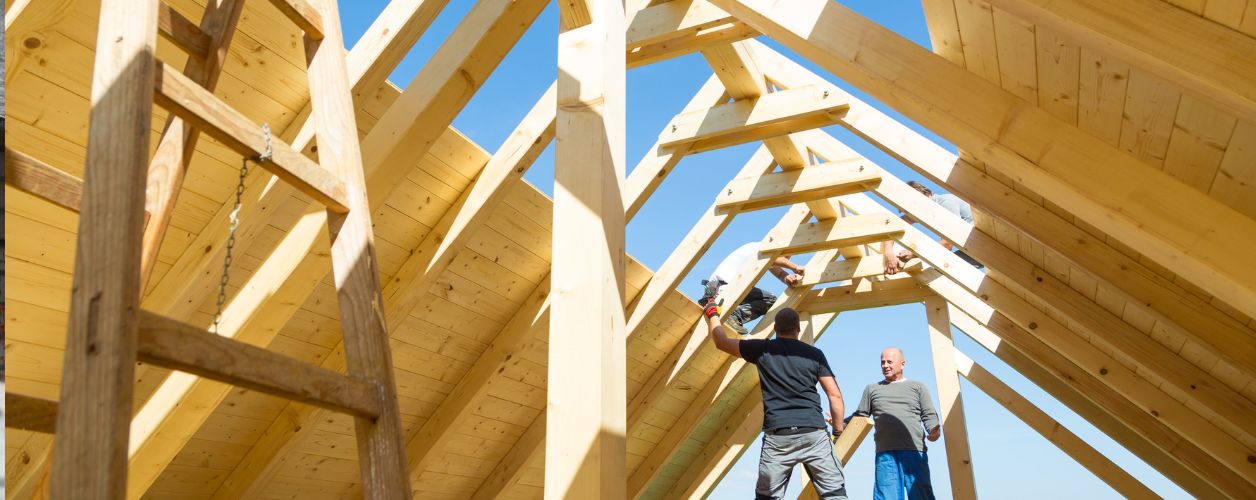
The home's skeleton takes shape as carpenters erect floor systems, wall framing, and roof trusses. Windows and exterior doors are installed, and the roof is sheathed and shingled or metal-clad to make the structure weathertight. House wrap or rigid insulation is applied to exterior walls, creating the building envelope that separates conditioned indoor space from outdoor conditions. This phase transforms the project from a hole in the ground into a recognizable structure, and it is often when homeowners feel the most excitement as rooms and rooflines become visible for the first time.
Mechanical Rough-Ins and Interior Finishing
With the shell complete, licensed trades install the home's internal systems. Electricians run wiring for power, lighting, and data. Plumbers install water supply lines, drain-waste-vent systems, and bathtub or shower units. HVAC contractors place ductwork or hydronic piping. Insulation goes into walls and attics, and drywall is hung, taped, and sanded. Interior doors, trim, cabinetry, and flooring follow. Painters apply finishes, and fixtures such as faucets, light switches, and appliances are installed. Each system undergoes inspection before being covered by subsequent layers of construction.
Final Inspections and Possession
Before you can move in, the home must pass a final building inspection and, where applicable, an occupancy inspection. The builder conducts a thorough walkthrough with you to identify any deficiencies or incomplete items, often called a pre-delivery inspection. Minor cosmetic issues are noted on a punch list and addressed before or shortly after possession. The builder provides documentation including appliance manuals, warranty information, and maintenance recommendations. Once keys are handed over, most builders remain available during a warranty period to address any issues that arise as the home settles and systems are used under real living conditions.
How to Choose the Right Home Builder
Selecting the right builder shapes every aspect of your experience, from daily communication to the long-term quality of your home. The decision deserves thorough research and honest self-assessment about what you value most in a construction partner.
Portfolio and Style Alignment
Look carefully at each builder's completed projects. Every builder develops strengths in certain architectural styles, construction methods, and finish levels. A builder whose portfolio shows modern, glass-heavy designs may not be the best fit for a traditional farmhouse, and vice versa. Pay attention to the quality of finishes visible in photos, but also ask to visit completed homes if possible. Walking through a builder's past work reveals details about craftsmanship, material choices, and how the home has held up over time that photographs cannot convey.
Credentials and Insurance Coverage
Confirm that any builder you consider holds the required licenses for residential construction. Ask about liability insurance coverage and workplace safety compliance. Builders should carry new home warranty coverage where mandated, which protects you against deposit loss, construction defects, and major structural issues. Request proof of these credentials during your initial conversations. A builder who hesitates to provide documentation or whose coverage has lapses should be crossed off your list immediately.
Communication Style and Compatibility
Building a home involves hundreds of decisions and a relationship that lasts many months. You need a builder whose communication style matches your expectations. Some builders provide weekly detailed updates with photos and budget tracking. Others prefer calls only when major decisions arise. Ask potential builders how they handle client communication, how often they provide updates, and who your main point of contact will be day to day. A frank conversation about how change orders, unexpected site conditions, and disagreements are handled gives valuable insight into whether the working relationship will be smooth or stressful.
Pricing Structure and Contract Clarity
Understand exactly how each builder charges for their work. Fixed-price contracts give you cost certainty but may include allowances for finishes that can change. Cost-plus contracts charge the actual construction costs plus an agreed percentage or fee, offering transparency but less predictability. Ask for a sample contract and review it carefully. It should spell out the scope of work, payment schedule, process for changes, timeline expectations, and warranty terms. Vague contracts with large allowances or unclear specifications invite disputes down the road.
References and Reputation
Ask for references from clients who built homes similar in scope and budget to yours, ideally both recent projects and those completed several years ago. When speaking with past clients, ask about how the builder handled problems when they inevitably arose, whether the project stayed reasonably close to the estimated timeline and budget, and whether they would build with the same company again. Also research the builder's relationships with subtrades and suppliers. A builder respected by the trades they hire tends to attract better crews and resolve job site issues more effectively.
Understanding the Costs Involved
Home building costs reflect an enormous range of variables, making it essential to understand what drives pricing rather than focusing on a single number. Thoughtful budgeting early in the process prevents painful compromises later.
New home construction typically ranges from $200 to $600 or more per square foot of finished living space, though this broad range requires context. A basic, no-frills home with standard finishes and a simple rectangular footprint might fall near the lower end, while a custom-designed home with premium materials, complex rooflines, and high-end mechanical systems can easily exceed the upper figure. For a typical 2,000-square-foot custom home, total construction costs commonly range between $450,000 and $900,000, not including land acquisition. Luxury custom homes with extensive millwork, imported finishes, and smart home integration frequently reach $1,000 per square foot and beyond.
| Cost Driver | How It Affects the Budget |
|---|---|
| Design complexity | Multiple roof lines, cantilevers, and custom shapes increase framing and finishing labor |
| Site conditions | Rock excavation, poor soil, steep slopes, or remote access add significant preparation costs |
| Material selections | Flooring, countertops, windows, and cabinetry span from budget-friendly to luxury pricing |
| Mechanical systems | High-efficiency HVAC, in-floor heating, and ERV ventilation cost more upfront but reduce operating expenses |
| Square footage and layout | Larger homes cost more in total, but simpler footprints cost less per square foot |
| Project timeline | Accelerated schedules may require overtime or additional crews at premium rates |
| Finish level | Builder-grade versus custom-grade trims, doors, and hardware vary widely in price |
| Utility connections | Extending power, gas, water, or sewer lines from the street adds cost on rural or infill lots |
Several less obvious factors also influence the final price. Permit fees, development charges, and utility hookup fees can add thousands of dollars before any construction begins. The time of year affects costs too, as breaking ground in late fall means working through winter conditions that slow progress and may require temporary heating and ground thawing measures. Design changes made after construction starts are almost always more expensive than the same choices made during planning, as they can force rework of completed elements and delay dependent trades. A realistic contingency fund of 10 to 15 percent of the total budget provides breathing room for unexpected conditions and selection upgrades without derailing the project financially.
Common Scenarios Where a Builder is Needed
Home builders serve a diverse range of needs that extend well beyond the classic image of a family building on a suburban lot. Recognizing these different use cases helps clarify whether your situation calls for a builder's full services.
Growing families often reach a point where their current home no longer accommodates their needs, yet they discover that renovation cannot deliver the layout they want within a reasonable budget. Building new allows them to design exactly the number of bedrooms, bathrooms, and living spaces they require, with modern storage solutions, open-concept main floors, and dedicated home offices or playrooms. The ability to plan for future needs, such as a main-floor bedroom suite for aging parents or rough-in plumbing for a future basement apartment, adds long-term flexibility that existing homes rarely offer.
Downsizing homeowners present another common use case. After children leave, a large multi-story house often becomes more burden than joy. These clients seek builders who can create a smaller, single-level home with universal design features like wide doorways, curbless showers, and lever-style door handles. The priority shifts from square footage to quality of space, with attention to natural light, low-maintenance exteriors, and energy systems that keep utility costs manageable on retirement income.
Recreational property owners need builders who understand the unique challenges of cottage and rural construction. These projects often involve sites with no existing utilities, difficult access for construction vehicles, and environmental protections around shorelines or sensitive habitats. Builders experienced in this niche know how to specify materials that withstand seasonal temperature swings and moisture exposure when the building is closed up for winter, and they understand the approval processes that apply to waterfront or wooded properties.
Urban infill projects represent a specialized category where a builder constructs a new home on a narrow or irregular lot within an established neighborhood. These builds demand creative design to maximize usable space on constrained footprints, careful coordination to protect neighboring structures during excavation, and sensitivity to architectural context so the new home complements the streetscape. The logistical complexity of working in tight spaces with limited material storage and equipment access makes experienced infill builders particularly valuable.
Your Future Home Builders Hero Is Just One Task Away — Let’s Find Them
What to Ask Before Signing a Contract
A thorough conversation with a potential builder reveals far more than any portfolio or website. The right questions uncover how the builder operates, where potential friction points may arise, and whether the working relationship will be collaborative or contentious.
- Who will be my primary contact during construction, and how often will we communicate about progress?
- Can you provide a detailed breakdown showing exactly what is included in the quoted price and what is covered by allowances?
- How do you handle changes once construction is underway, and how are change order costs calculated?
- What warranty coverage do you provide beyond what is legally required, and how do you handle warranty service requests?
- May I see examples of your contracts and the payment schedule you typically use?
- How do you select and vet the subtrades who will work on my home?
- What happens if material deliveries are delayed or unavailable, and how do you communicate substitutions?
- Do you carry builders risk insurance during construction, and what does it cover?
- How do you manage site safety and security during the build?
- Can you walk me through a recent project that encountered unexpected challenges and explain how you resolved them?
Pitfalls That Derail Home Building Projects
Even with the best intentions, certain mistakes can turn a dream home project into a stressful and expensive experience. Awareness of these common traps helps you navigate the process with confidence.
One of the most damaging mistakes is choosing a builder based primarily on the lowest bid without understanding what is excluded. A low price may reflect thinner foundation walls, cheaper windows with lower insulation values, minimal attic insulation, builder-grade finishes throughout, or unrealistic allowances for items like flooring and cabinetry. Once the contract is signed, bringing the home up to the standard you actually want requires expensive change orders that can push the total cost well above what a more realistic bid would have been. Always compare bids side by side, line by line, to understand exactly what each builder is including.
Rushing the design phase to break ground sooner creates a cascade of problems. Changes made on paper cost nothing. Changes made once walls are framed and systems are roughed in cost many times more. Every decision delayed until construction becomes an urgent, stressful choice with limited options. Spend the time upfront to finalize floor plans, electrical layouts, lighting selections, and finish materials before excavation begins. A thorough design process with all selections documented protects both your vision and your budget.
Underestimating site costs catches many first-time builders off guard. The price per square foot discussed in initial conversations typically assumes a reasonably flat, serviced lot with good soil. The reality may include expensive rock removal, importing fill to build up low areas, extending utilities from a distant connection point, or installing specialized septic systems where municipal sewer is unavailable. A comprehensive site evaluation before land purchase or during early planning prevents budget shocks that force cuts elsewhere in the project.
Neglecting to plan for the total cost of occupancy leads to financial strain after move-in. The construction budget covers the house itself, but you also need to account for landscaping, driveway paving, fencing, window coverings, and appliances that may not be included in the builder's scope. These items can easily add $30,000 to $80,000 or more to the total project cost. Builders who communicate these additional expenses transparently during planning demonstrate the kind of comprehensive thinking that serves clients well throughout construction.
Cost Guide
Related Categories for Home Constructions & Renovations
Find Home Builders in States
- Home Builders in Alberta
- Home Builders in British Columbia
- Home Builders in Manitoba
- Home Builders in New Brunswick
- Home Builders in Newfoundland and Labrador
- Home Builders in Northwest Territories
- Home Builders in Nova Scotia
- Home Builders in Nunavut
- Home Builders in Ontario
- Home Builders in Prince Edward Island
- Home Builders in Quebec
- Home Builders in Saskatchewan
- Home Builders in Yukon
Answers to Your Common Questions
Home builders manage the full process of building a house—from design and permits to site prep, construction, plumbing, electrical, roofing, and final finishes. Many offer both custom and pre-designed home options.
On average, a new home build takes 6 to 12 months, depending on the size, weather delays, permit approvals, and level of customization. Larger or more complex homes may take longer.
Costs vary widely based on location, design, and materials. Expect anywhere from $150 to $300+ per square foot. A typical 2,000 sq. ft. home could cost $300,000 to $600,000 or more, not including land.
Check their licensing, past projects, customer reviews, and warranty coverage. Ask about timelines, communication practices, and how changes during construction are handled.
A custom builder constructs homes on individual lots to unique plans, offering full flexibility in design, materials, and layout. A production builder constructs multiple homes from a set of pre-designed floor plans, often in a subdivision where they control the lots. Custom builders typically build fewer homes per year with more personal involvement, while production builders offer more predictable pricing and faster construction timelines with fewer customization options.
Ideally, involve a builder before finalizing a land purchase. A builder can evaluate the property for development costs including site preparation, utility connections, and any restrictions that affect what can be built. Land that seems like a bargain can become expensive after accounting for rock removal, wetland setbacks, or the cost of bringing power and water to the building site. Builders can also advise on lot orientation for energy efficiency and whether your desired home design fits the parcel.
Changes are possible but come with consequences. Moving a wall that has already been framed involves demolition, material waste, and rescheduling electrical and HVAC rough-ins that may have already passed through that area. Cosmetic changes like paint colors or light fixtures are easier to accommodate if materials have not yet been ordered. The further construction has progressed past the area you want to change, the more expensive the change becomes. The most cost-effective approach is making all decisions during the design phase.
Unexpected conditions such as hidden rock, high groundwater, or soil unsuitable for bearing weight are addressed through a change order process. The builder should notify you immediately, explain the issue and proposed solution, and provide a cost estimate for the additional work. A well-written contract outlines how these situations are handled. Having a contingency fund specifically for unforeseen site conditions protects you from having to sacrifice planned finishes to cover necessary structural work.