
Find Home Extension Contractors in Your Area
- Home Extension Contractors in Edmonton
- Home Extension Contractors in Victoria
- Home Extension Contractors in Winnipeg
- Home Extension Contractors in Fredericton
- Home Extension Contractors in St. John's
- Home Extension Contractors in Yellowknife
- Home Extension Contractors in Halifax
- Home Extension Contractors in Iqaluit
- Home Extension Contractors in Toronto
- Home Extension Contractors in Charlottetown
- Home Extension Contractors in Quebec
- Home Extension Contractors in Regina
- Home Extension Contractors in Whitehorse
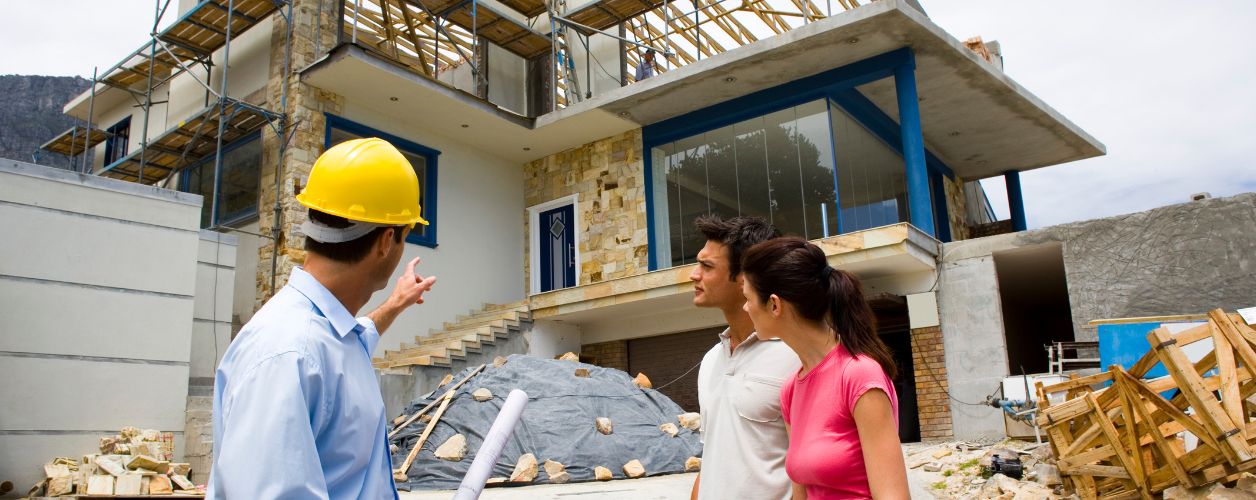
Home Extension Contractors Near You: Expand Your Living Space with Ease
A home extension contractor specializes in adding brand-new square footage to your existing property. Instead of simply renovating the interior space you already have, these builders alter the structural footprint of your house by building outward into the yard or upward by adding another storey. Many homeowners reach a point where they love their neighbourhood but have simply outgrown their living space. Rather than dealing with the immense hassle, real estate fees, and land transfer taxes associated with moving, expanding the home becomes the ideal solution.
Bringing in specialized professionals for this task is absolutely critical. Unlike a straightforward bathroom remodel, building an addition involves complex structural engineering. A professional ensures that the new foundation is poured correctly below the frost line, the new roofline seamlessly ties into the old one to prevent leaks, and the building envelope is highly insulated to withstand harsh winter climates. They manage the delicate process of merging new construction with an older structure while keeping your property safe and structurally sound.
What Types of Projects Do These Specialists Handle?
Builders in this category offer a wide range of structural expansion services tailored to your property's lot size and layout. Common services include:
- Single storey rear and side return additions: Expanding the ground floor footprint outward.
- Second storey additions: Removing the existing roof and building an entire new upper level.
- Kitchen bump-outs: Adding a few extra feet of space to accommodate larger islands or dining areas.
- Foundation pouring and frost-wall installation: Excavating and creating the base for the new structure.
- Attached or detached garage construction: Building new vehicle storage or workshop spaces.
- Main floor family room expansions: Creating open-concept living spaces.
- Master suite additions: Building a new primary bedroom, walk-in closet, and ensuite bathroom.
- Sunrooms and four-season room construction: Adding fully insulated, window-heavy living spaces.
- Structural wall removal: Safely taking down load-bearing exterior walls to connect the old and new spaces.
- Exterior cladding and roofing integration: Matching siding, brickwork, and shingles so the addition blends perfectly.
- Custom framing and structural support installation: Erecting the skeleton of the new addition using appropriate load-bearing beams.
How Does the Construction Process Work from Start to Finish?
The journey of expanding your home follows a strict, phased approach. It begins with the design and planning stage, where architectural drawings are drafted, property lines are surveyed, and local building permits are secured. Once approvals are in place, the site preparation begins. This involves heavy machinery excavating the ground, pouring concrete footings, and laying the new foundation.
Once the foundation is cured, the framing phase starts. The walls and roof structure of the new addition go up, and the exterior is weather-proofed with vapour barriers, specialized insulation, and roofing materials to protect the interior from the elements. Next comes the "rough-in" phase, where plumbers, electricians, and HVAC technicians install pipes, wiring, and ductwork. After passing municipal rough-in inspections, the walls are closed with drywall. Finally, the finishing touches are applied—flooring, painting, cabinetry, and trim—before a final walk-through ensures everything is completed to standard.
Your Future Home Extension Contractors Hero Is Just One Task Away — Let’s Find Them
Why Might You Need More Living Space?
There are numerous life changes that prompt homeowners to invest in an addition. A common scenario is a growing family welcoming new children and desperately needing extra bedrooms. Similarly, the rise of remote work has pushed many professionals to require a dedicated, quiet home office rather than working from the dining room table.
Another frequent use case is the need for multi-generational living arrangements. Aging parents may need a fully accessible, main-floor in-law suite to comfortably age in place alongside their family. Additionally, older homes often feature small, closed-off kitchens; building a rear extension is a popular way to achieve the expansive, open-plan kitchen and entertaining space that modern lifestyles demand.
How Much Does Expanding Your Home Cost?
Adding square footage is a major investment, with overall projects often ranging from $50,000 for a very small bump-out to well over $200,000 for a full multi-room or second-storey addition. When budgeting, homeowners can generally expect average costs to fall between $150 and $300+ per square foot. However, these are broad estimates, as pricing is highly variable.
The total cost is heavily influenced by the complexity of the build and the function of the room. Adding a kitchen or a bathroom is significantly more expensive per square foot than adding a basic bedroom due to the necessary plumbing, cabinetry, and fixtures. Other factors that drive up costs include difficult site access for heavy machinery, the need for extensive foundation excavation, the quality of finishing materials chosen, and fluctuating material costs for lumber and concrete.
What Should You Look For in a Reliable Builder?
When selecting a contractor for a major structural project, experience specifically in home extensions is non-negotiable. Building an addition is very different from building a new house from scratch, as the contractor must skillfully marry the old structure with the new without causing damage or settlement issues. Look for a builder with a strong portfolio of completed extensions that visually match the original homes.
Transparency is another critical factor. A trustworthy professional will provide a highly detailed, itemized quote rather than a vague lump sum, explaining exactly what materials and allowances are included. Furthermore, verify their credentials. They must carry comprehensive liability insurance and workers' compensation coverage, and they should have a clear track record of successfully managing the complexities of municipal building permits and inspections.
Your Future Home Extension Contractors Hero Is Just One Task Away — Let’s Find Them
What Questions Must You Ask Before Signing a Contract?
Protect your investment by asking pointed questions during the consultation phase. Consider asking:
- Do you handle the architectural drawings and municipal permitting process, or do I need to hire a separate firm?
- How will you ensure the new foundation and roofline seamlessly tie into my existing home without causing leaks or drafts?
- Will there be a dedicated project manager on-site daily to oversee the sub-trades?
- How do you handle unexpected structural issues, such as discovering rot or outdated wiring hidden behind the walls?
- What is your payment schedule, and is there a final holdback period until the last municipal inspection is passed?
What Common Construction Mistakes Should You Avoid?
One of the most frequent mistakes homeowners make is underestimating their budget. Extension projects almost always uncover hidden issues when opening up old walls, so failing to set aside a 15% to 20% contingency fund can bring a project to a stressful halt. Another major pitfall is choosing a contractor based solely on the lowest bid. Abnormally low estimates often lead to cut corners, subpar materials, or a contractor abandoning an unprofitable job midway.
Design-wise, a common error is ignoring the exterior aesthetic. An extension should never look "tacked on." Failing to match the brickwork, siding, roof pitch, or window styles of the original house can severely harm the property's curb appeal. Lastly, many homeowners mistakenly believe they can easily live in the house during a major extension without a backup plan for heavy dust, loud noise, and temporary utility shut-offs.
Cost Guide
Related Categories for Home Constructions & Renovations
Find Home Extension Contractors in States
- Home Extension Contractors in Alberta
- Home Extension Contractors in British Columbia
- Home Extension Contractors in Manitoba
- Home Extension Contractors in New Brunswick
- Home Extension Contractors in Newfoundland and Labrador
- Home Extension Contractors in Northwest Territories
- Home Extension Contractors in Nova Scotia
- Home Extension Contractors in Nunavut
- Home Extension Contractors in Ontario
- Home Extension Contractors in Prince Edward Island
- Home Extension Contractors in Quebec
- Home Extension Contractors in Saskatchewan
- Home Extension Contractors in Yukon
Answers to Your Common Questions
Home extension experts can add new rooms, second-storey additions, sunrooms, garage conversions, and bump-outs for kitchens or living areas. They tailor each project to your space, needs, and local building codes.
Home extensions generally range from $100 to $300 per square foot, depending on materials, design complexity, and structural work. A modest room addition might cost $30,000–$60,000, while a large second-floor extension can exceed $100,000+.
Yes. Any structural addition requires permits and inspections to ensure safety and code compliance. Most contractors will handle the permitting process for you as part of their service.
Timelines vary, but most home extensions take 2 to 6 months from design to final construction. Weather, permits, and scope of work can all affect the schedule.