
Find Soundproofing in Your Area
- Soundproofing in Edmonton
- Soundproofing in Victoria
- Soundproofing in Winnipeg
- Soundproofing in Fredericton
- Soundproofing in St. John's
- Soundproofing in Yellowknife
- Soundproofing in Halifax
- Soundproofing in Iqaluit
- Soundproofing in Toronto
- Soundproofing in Charlottetown
- Soundproofing in Quebec
- Soundproofing in Regina
- Soundproofing in Whitehorse
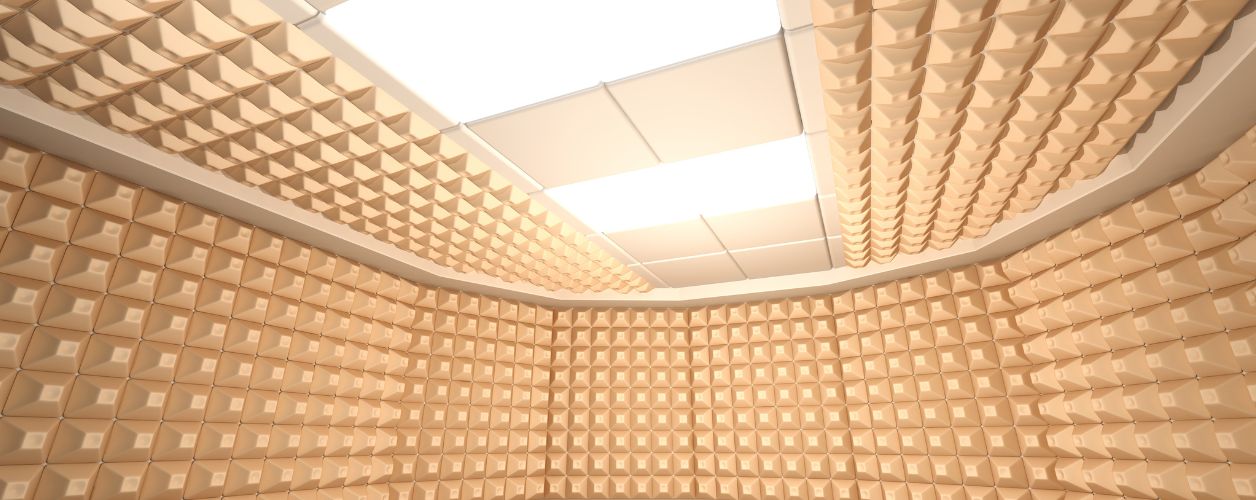
Discover Premium Soundproofing Services Near You
Soundproofing services involve the professional application of materials and construction techniques designed to block, absorb, or isolate sound waves from traveling between spaces. Unlike simple acoustic treatment, which focuses on improving sound quality within a room, true soundproofing aims to prevent noise from entering or leaving a defined area. Professionals in this field work with the physics of sound transmission to create quieter, more private environments in both residential and commercial settings.
You might need soundproofing services in many everyday situations. Homeowners often seek help when street traffic, noisy neighbors, or loud plumbing disrupts sleep and daily life. Musicians and content creators require isolated spaces to practice or record without disturbing others or picking up unwanted background noise. Business owners frequently need solutions for open-plan offices where conversations carry, or for restaurants where high noise levels make dining uncomfortable. New parents sometimes soundproof nurseries to protect a baby's sleep from household sounds. In multi-unit residential buildings, body corporate rules about floor soundproofing can require professional intervention before new flooring is installed. The common thread is a desire to control sound for improved comfort, privacy, and quality of life.
Professional soundproofing contractors bring essential expertise that DIY solutions cannot match. Sound behaves in complex ways, traveling through air gaps, vibrating along structural beams, and flanking around barriers. A professional understands the difference between airborne noise like voices and impact noise like footsteps, applying completely different strategies for each. They can accurately diagnose the source of a problem, which is often not where the sound is loudest, and specify the correct materials, from mass-loaded vinyl to resilient channels, ensuring the solution is both effective and safe. They also navigate building codes and safety requirements, especially around fire-rated assemblies. Attempting to soundproof without this knowledge frequently wastes money on materials that fail to solve the core issue.
Your Future Soundproofing Hero Is Just One Task Away — Let’s Find Them
Common Services Included in Soundproofing
Professional soundproofing contractors and acoustic insulation services cover a wide range of specialized tasks. The following list details the specific services you can expect to find under this category, each targeting different noise problems and structural elements.
- Wall soundproofing installation: Adding mass to existing walls with specialized drywall, damping compounds, or decoupling systems to block airborne noise between rooms.
- Ceiling soundproofing specialists: Installing resilient channel systems, acoustic tiles, or dropped ceilings with insulation batts to reduce impact noise from floors above.
- Floor soundproofing installation: Laying acoustic underlayments, floating floor systems, or isolation mats beneath hardwood, tile, or carpet to minimize footfall noise transmission.
- Door and window soundproofing: Sealing air gaps with acoustic caulk and weatherstripping, installing solid-core doors, acoustic door sweeps, or secondary glazing and soundproof windows.
- Acoustic panel installation: Mounting fabric-wrapped absorption panels, baffles, or clouds on walls and ceilings to control echo and reverberation within a space.
- HVAC noise reduction services: Silencing noisy ductwork by installing duct liners, silencers, vibration isolators, and creating sound-baffled soffits around mechanical systems.
- Residential acoustic design: Planning home theater soundproofing to contain cinematic audio, or creating isolated music rooms with staggered-stud walls and acoustic putty pads.
- Commercial noise management: Implementing zoned acoustic ceilings and sound-masking systems in open offices, or treating conference room acoustics for speech privacy and clarity.
- Recording studio acoustic treatment: Building professionally isolated rooms with floating floors, double-wall assemblies, and custom bass traps for accurate sound monitoring.
- Industrial noise control services: Constructing acoustic enclosures around loud machinery, installing sound barrier walls, and applying vibration damping to metal panels and chutes.
- Apartment noise insulation: Retrofitting party walls and ceilings with minimal loss of floor space to address neighbor noise in condominiums and rentals.
- Vibration reduction: Isolating washing machines, treadmills, and mechanical equipment on neoprene pads or spring mounts to stop structural vibration transfer.
- Custom acoustic solutions: Building removable window plugs, soundproof curtains, modular office pods, and other tailored treatments for unique architectural challenges.
How Does the Soundproofing Process Typically Work?
Understanding the process a soundproofing contractor follows can help set realistic expectations and ensure a successful project. While every job is unique, most professional engagements follow a structured sequence of steps from the initial diagnosis through to the final inspection. Here is a practical breakdown of what to expect.
The process begins with a detailed site assessment. A professional acoustic consultant or experienced contractor will visit the property to listen, measure, and identify the nature of the noise problem. They will determine whether the primary issue is airborne sound, like traffic and conversation, or impact sound, like footsteps and dropped objects. They inspect the existing construction to locate air gaps, identify structural contact points that carry vibration, and assess flanking paths where sound travels around barriers through connected ceilings, floors, or ductwork. This assessment is critical because the most obvious noise path is not always the only one, and fixing the wrong surface can result in failure. The contractor may use a sound level meter to quantify the problem and discuss specific noise reduction goals.
Following the assessment, the contractor delivers a proposal outlining the recommended approach, materials, and scope of work. Implementation then moves into material procurement and site preparation. Surfaces are cleared, and the work area is protected from dust. For wall soundproofing, this might involve adding a layer of mass-loaded vinyl and a second sheet of drywall over existing surfaces, or it could require opening the wall to install insulation and decoupling clips. Ceiling installations often involve attaching resilient channels and hanging a new isolated ceiling layer.
The meticulous sealing of every seam, outlet box, and penetration with non-hardening acoustic caulk is often the most important step, as even a tiny gap can dramatically reduce overall performance. Structural connections are systematically broken or damped to interrupt vibration paths. Throughout the work, qualified contractors maintain safety protocols, particularly regarding electrical outlets and fire-rated assemblies. Upon completion, a final walk-through allows you to verify the results and ask questions about maintenance.
How to Choose the Right Soundproofing Professional
Selecting a qualified professional is the most important decision you will make for your soundproofing project. The technical nature of acoustics means that experience, specific expertise, and a methodical approach are far more valuable than the lowest price. Here are the key factors to evaluate when interviewing contractors.
Evaluating Acoustic Expertise and Experience
Look for a contractor who asks as many questions as they answer. A true expert will want to understand exactly what you hear, when you hear it, and what outcome you expect. They should be able to explain the difference between Sound Transmission Class ratings and Impact Insulation Class ratings in simple terms. Ask how long they have specialized in soundproofing specifically, as this is a niche skill distinct from general construction or home theater installation. Inquire about the types of projects they have completed that are similar to yours, whether it is a condo retrofit, a commercial office, or a recording studio. A specialist in one area may not have the right experience for another. Ask if they have worked with acoustic engineers on complex projects, which can indicate a deeper level of professional capability.
Assessing Tools, Materials, and Methodology
A reliable professional should be transparent about the specific products and methods they intend to use. They should not rely on a single magic product but rather combine materials with complementary properties: mass, absorption, decoupling, and damping. Be cautious of anyone who promises a complete noise cure with only acoustic foam panels, as these treat echo but do not block sound. Ask about the quality of their acoustic caulk and whether they use putty pads behind electrical boxes. The attention to these small details reveals a thorough installer. A professional who invests in proper diagnostic equipment, such as a sound level meter to take baseline and post-treatment readings, demonstrates a commitment to measurable results rather than guesswork.
Verifying Responsiveness and Reliability
Communication during the quoting phase is a strong indicator of what the project experience will be like. A trustworthy contractor returns calls or emails promptly, shows up on time for the assessment, and delivers a detailed written proposal when promised. Check their standing through past customer feedback and ask directly for references you can contact. A confident professional will have no issue connecting you with previous clients who had similar work done. Reliability also extends to licensing and insurance. Verify that the contractor carries valid liability and workplace safety coverage, and do not hesitate to ask for proof before work begins. The right professional sees your project as a long-term investment in their reputation, not just a quick job.
Understanding Soundproofing Pricing Factors
The cost of soundproofing services can vary widely based on project scope, materials, and site conditions. Providing a firm price without a site inspection is not realistic, but understanding the general cost drivers will help you budget and evaluate quotes. Costs are most commonly calculated by the square foot for surface work or as a lump-sum project bid. The table below offers a generalized cost framework based on typical national averages in Canadian dollars.
| Service Type | Typical Cost Range (CAD) | Key Variables |
|---|---|---|
| Acoustic panel installation (per panel) | $80 – $400 | Panel size, fabric type, mounting complexity |
| Wall soundproofing (per sq. ft.) | $8 – $25 | Existing wall condition, material layers, decoupling needed |
| Ceiling soundproofing (per sq. ft.) | $10 – $30 | Ceiling height, access, impact vs. airborne noise focus |
| Floor underlayment (per sq. ft.) | $3 – $10 | Material type (cork, rubber, engineered), subfloor prep |
| Window soundproofing insert (per window) | $400 – $1,200 | Window size, glass type, frame seal quality |
| Room-in-room studio build (per sq. ft.) | $80 – $200+ | Structural isolation, HVAC silencers, door systems |
Several critical factors influence the final price of a soundproofing project. The type of noise being treated is primary, with impact noise usually requiring decoupling and isolation systems that are more complex than those for airborne sound. The current state of the space matters greatly; a finished, furnished room that needs retrofitting will cost more in labor for protection and cutting access than a raw, unfinished space under construction. The desired level of soundproofing drives material and labor intensity: reducing noise by a few decibels to make a space comfortable is far less expensive than achieving the extreme isolation needed for a professional recording studio. Accessibility, such as working on a high ceiling or in a cramped mechanical room, can add labor time. Emergency or after-hours work can also increase costs compared to standard-scheduled projects.
Your Future Soundproofing Hero Is Just One Task Away — Let’s Find Them
Common Soundproofing Problems and Use Cases
Noise problems are as diverse as the spaces where people live and work. Recognizing your specific situation can help you communicate more clearly with contractors and understand the solutions they propose. Here are real-world scenarios where soundproofing services provide effective relief.
In residential settings, the most frequent complaint is impact noise from upstairs neighbors in apartments and condominiums, heard as footsteps, dropped items, and chair scrapes. This requires ceiling treatments that decouple the finished surface from the structural floor above. Home theater enthusiasts seek to create a cinematic experience without rattling windows in other rooms, often needing a combination of mass-loaded walls, acoustic doors, and isolated platforms for subwoofers. Home office users distracted by household noise or street sounds benefit from solid-core door upgrades and window soundproofing inserts to create a focused work environment. Parents with a budding drummer in the garage often turn to room-within-a-room construction techniques to preserve family peace and neighborhood relations.
On the commercial side, open-plan office acoustic treatment addresses the lack of speech privacy and constant distraction from nearby conversations. Solutions often combine acoustic ceiling clouds, desk dividers, and sound-masking systems. Restaurants and hospitality venues battle the reverberant noise floor that forces diners to shout, using absorptive panels and ceiling treatments to create a comfortable dining atmosphere. Recording studio contractors construct isolated environments where microphones pick up only intended sources. Industrial noise control services become necessary when manufacturing facilities must protect worker hearing and comply with regulatory noise exposure limits, employing heavy-duty acoustic enclosures and barrier walls around production lines.
Questions You Should Ask Before Hiring
The interview with a potential soundproofing contractor is your opportunity to gauge their knowledge and protect your investment. The right questions uncover their true level of expertise and help align expectations. Here are practical questions to ask before signing an agreement.
- Can you explain the difference between sound absorption and sound blocking in the context of my problem?
- Will you perform decibel readings before and after the work to verify the improvement?
- What are the most common failure points in a project like mine, and how do you prevent them?
- How will you handle fire safety and building code compliance when modifying walls and ceilings?
- What specific materials will you use, and why have you chosen them for my job?
- How will my daily routine be affected during the work, and what is the containment plan for dust?
- Can you provide references from projects with the same noise issue I'm experiencing?
Mistakes to Avoid When Soundproofing
Soundproofing projects are long-term investments, and errors can be expensive to correct after walls are sealed and finishes are applied. Being aware of the most common pitfalls can save you considerable time, money, and frustration.
The most pervasive mistake is confusing acoustic treatment with soundproofing. Installing foam or fabric panels on walls and ceilings will reduce echo and reverberation inside a room, making it sound better for conversation or recording, but it will do almost nothing to stop sound from passing through to adjacent spaces. Blocking noise requires mass, airtight seals, and mechanical separation. Another critical error is ignoring air gaps. A one-percent air gap in a wall assembly can reduce its sound-blocking performance by up to fifty percent. Every penetration from electrical outlets, light switches, and baseboard joints must be meticulously sealed with a permanent, non-hardening acoustic caulk.
Choosing the cheapest contractor without verifying acoustic knowledge is another frequent regret. A general handyman might build a perfectly straight wall that provides almost no sound isolation because standard fiberglass batts used incorrectly do little to block noise. True soundproofing requires specific techniques like using resilient channels to decouple drywall from studs, and missing one step in a multi-layer assembly can render the entire job ineffective. Finally, treating the wrong surface wastes money. If noise travels through a shared floor joist space and enters around the edges of your wall, adding layers to the wall face will not solve the problem. A proper diagnostic step to map the actual noise path is never optional.
Cost Guide
Related Categories for Insulation
Find Soundproofing in States
- Soundproofing in Alberta
- Soundproofing in British Columbia
- Soundproofing in Manitoba
- Soundproofing in New Brunswick
- Soundproofing in Newfoundland and Labrador
- Soundproofing in Northwest Territories
- Soundproofing in Nova Scotia
- Soundproofing in Nunavut
- Soundproofing in Ontario
- Soundproofing in Prince Edward Island
- Soundproofing in Quebec
- Soundproofing in Saskatchewan
- Soundproofing in Yukon
Answers to Your Common Questions
Soundproofing experts can help with walls, ceilings, floors, doors, and windows using materials like acoustic panels, insulation, mass loaded vinyl (MLV), and resilient channels—great for home offices, basements, condos, and studios.
Generally, no permits are required for basic soundproofing. But if structural work is involved (like opening walls or major renovations), local building codes in your province—like Ontario or B.C.—might require a permit.
Costs vary based on the space and materials used. A single room might range from $1,000 to $4,000, while full-home or commercial soundproofing can go higher. Many Canadians find it’s worth it for peace and quiet.
Not at all! Many homeowners get soundproofing done to reduce noise from neighbours, traffic, pets, or shared walls in duplexes or condos. It’s a practical solution for a quieter, more comfortable home.