
Find Insulation in Your Area
- Insulation in Edmonton
- Insulation in Victoria
- Insulation in Winnipeg
- Insulation in Fredericton
- Insulation in St. John's
- Insulation in Yellowknife
- Insulation in Halifax
- Insulation in Iqaluit
- Insulation in Toronto
- Insulation in Charlottetown
- Insulation in Quebec
- Insulation in Regina
- Insulation in Whitehorse
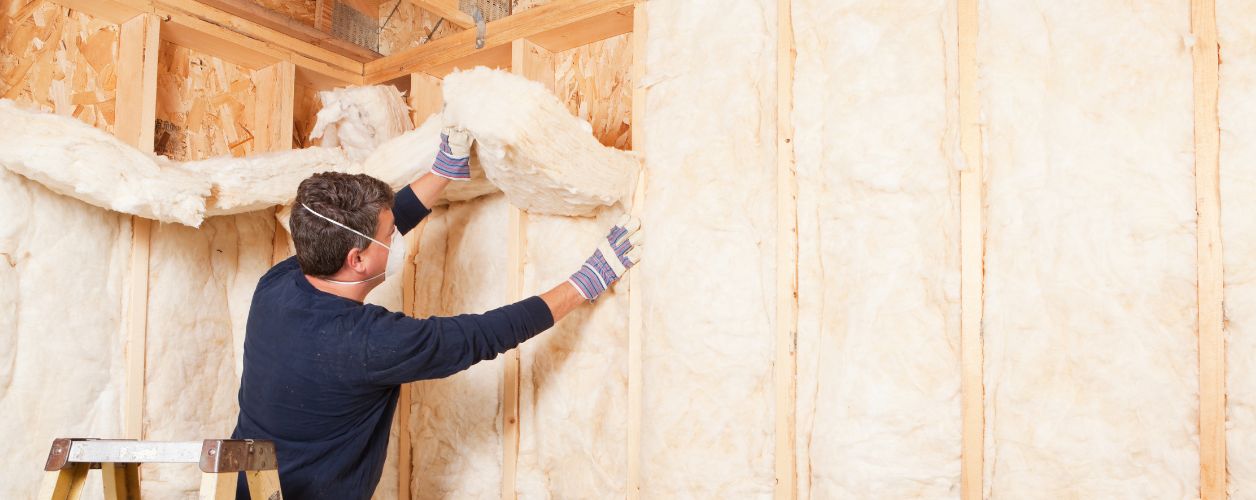
Find & Hire Top Insulation Experts Near You
An insulation expert specializes in regulating your home's internal temperature by installing materials that resist heat flow. In a climate characterized by freezing winters and hot, humid summers, maintaining a comfortable indoor environment requires a continuous, high-quality thermal envelope. Rather than letting your expensive heating and cooling escape through the roof or walls, these professionals evaluate your property, identify areas of energy loss, and apply the correct materials to keep your living spaces comfortable year-round.
While some homeowners consider DIY upgrades, bringing in residential insulation contractors is highly recommended. Improper installation can lead to severe structural issues, such as trapped moisture, dangerous mold growth, or blocked ventilation. Professionals understand the science of building envelopes. They know exactly how to balance vapor barriers, achieve the correct R-value (a measure of thermal resistance), and safely handle specialized equipment, ensuring your home remains energy-efficient and structurally sound.
Typical Services Offered by Insulation Installers
Professionals in this category provide a variety of tailored solutions based on the specific needs of your property. Common services include:
- Attic and loft insulation: Blowing in loose-fill materials or laying batts to stop heat from escaping through the roof.
- Spray foam application: Applying open-cell or closed-cell polyurethane foam to create an airtight seal in walls, joists, and rims.
- Crawl space and underfloor insulation: Protecting the lower levels of a home from ground frost and moisture seepage.
- Old insulation removal: Safely extracting outdated, pest-infested, or water-damaged materials using high-powered industrial vacuums.
- Soundproof insulation services: Installing dense acoustic batting in interior walls and ceilings to reduce noise transfer between rooms.
- Draft proofing and air sealing: Caulking and sealing gaps around windows, doors, and plumbing penetrations before insulating.
- Basement and foundation insulation: Adding thermal barriers to below-grade concrete walls to prevent dampness and cold floors.
- Thermal imaging inspections: Using specialized infrared cameras to detect hidden cold spots and missing insulation behind drywall.
- Ventilation upgrades: Installing or clearing soffit and roof vents to ensure proper airflow and prevent ice dams.
How the Installation Process Typically Works
A professional insulation project begins with a comprehensive home energy assessment. The contractor will inspect your attic, basement, and walls, often using thermal imaging, to pinpoint exactly where you are losing heat. They will check the condition of your existing materials and evaluate your roof's ventilation. Once the assessment is complete, they will recommend a specific material—such as fiberglass, cellulose, or spray foam—and provide a timeline for the work.
On the day of installation, the site preparation begins. If old, degraded insulation needs to be removed, the crew will carefully extract and dispose of it. Next, they seal any critical air leaks around light fixtures, electrical wires, and plumbing stacks to prevent moisture from traveling upward. Once the space is prepped and protected, the new material is installed to reach the target R-value. Finally, the team cleans the work area, ensures all vents remain unobstructed, and conducts a final walk-through to guarantee an even, comprehensive layer of thermal protection.
Your Future Insulation Hero Is Just One Task Away — Let’s Find Them
How to Find the Right Professional for Your Home
Selecting the best candidate among local insulation companies requires evaluating their specific expertise. Not all contractors handle all materials; some specialize exclusively in spray foam, while others focus on blown-in attic upgrades. Look for a professional whose tools and experience match your specific project. A reputable expert will prioritize safety and have the proper equipment, including commercial-grade blowers, specialized respirators, and thermal cameras.
Transparency and communication are just as important. The right contractor will gladly explain why they are recommending a specific R-value for your climate and how they plan to manage ventilation alongside the insulation. They should provide a clear, itemized estimate outlining the cost of materials, labor, and any required prep work, such as air sealing or old material disposal. Always ensure they carry robust liability insurance and are fully trained in the safe application of modern insulating materials.
Understanding the Costs of Upgrading Your Insulation
Investing in a thermal upgrade is one of the most cost-effective home improvements, with average project costs ranging from $1,500 to $5,500. However, the final price is highly dependent on several factors. The type of material chosen is the biggest driver; blown-in fiberglass or cellulose is generally more affordable and excellent for attics, whereas closed-cell spray foam is a premium product that provides a superior air seal and commands a higher price.
The size and accessibility of the space also heavily influence the cost. Insulating a standard, wide-open attic is straightforward, but working in a cramped, unlit crawl space or retrofitting fully finished exterior walls requires specialized techniques that increase labor hours. Additionally, if your current insulation is wet, moldy, or contaminated, the added cost of professional removal and disposal will factor into your final estimate.
When Should You Consider an Insulation Upgrade?
There are several distinct signs that your home is suffering from a poor thermal envelope:
- Ice Dams on the Roof: When heat escapes into the attic, it melts snow on the roof, which then freezes at the gutters, causing water to back up under the shingles.
- High Energy Bills: Your furnace or air conditioner runs constantly, yet your utility bills continue to climb.
- Uneven Room Temperatures: Finding that the second floor is sweltering in the summer while the main floor stays freezing, or noticing distinct cold drafts near baseboards.
- Cold Floors over Garages: Rooms situated directly above an unheated garage feel significantly colder than the rest of the house.
- Moisture and Mold Issues: Condensation forming on windows or musty smells developing in the basement or attic due to poor vapor barriers.
- Major Renovations: Opening up walls for a remodel or finishing a basement presents the perfect opportunity to upgrade thermal efficiency.
Your Future Insulation Hero Is Just One Task Away — Let’s Find Them
Important Questions to Ask Before You Hire
Ensure you are making an informed decision by asking your prospective contractor these vital questions:
- What specific R-value will we achieve with the material you are recommending?
- Does your quote include the cost of air-sealing gaps and cracks before the new insulation is applied?
- Will you check to ensure my attic's soffit and ridge vents remain completely unblocked?
- Do I need to vacate the house during the installation process, particularly if you are using spray foam?
- Is the removal and disposal of my old, damaged insulation included in the final price?
- What type of warranty do you provide on both the materials and the installation workmanship?
Costly Mistakes to Avoid When Upgrading
A common mistake homeowners make is assuming that simply piling new material on top of old material will solve their energy problems. If the existing insulation is wet, compacted, or hiding major air leaks, adding more on top will trap moisture and potentially cause structural rot. Another frequent error is ignoring ventilation. In an effort to keep heat in, inexperienced installers might accidentally cover the essential vents that allow an attic to breathe, leading to massive condensation issues and roof deterioration.
Choosing a contractor based strictly on the lowest price can also backfire. Cut-rate providers may use inferior materials, fail to install protective vapor barriers, or skimp on the thickness required to achieve the necessary R-value. Finally, relying on DIY spray foam kits for large areas is incredibly risky; improperly mixed chemical foam can fail to cure properly, resulting in toxic off-gassing and a sticky mess that is incredibly expensive to remove.
Cost Guide
Related Categories for Insulation
Find Insulation in States
- Insulation in Alberta
- Insulation in British Columbia
- Insulation in Manitoba
- Insulation in New Brunswick
- Insulation in Newfoundland and Labrador
- Insulation in Northwest Territories
- Insulation in Nova Scotia
- Insulation in Nunavut
- Insulation in Ontario
- Insulation in Prince Edward Island
- Insulation in Quebec
- Insulation in Saskatchewan
- Insulation in Yukon
Answers to Your Common Questions
Key areas include the attic, basement, walls, and crawl spaces. Proper insulation in these spots helps improve energy efficiency, reduce drafts, and keep indoor temperatures stable year-round.
If your home feels cold in the winter, too hot in the summer, or your energy bills seem high, it's likely time for an insulation upgrade. Uneven temperatures between rooms are another common sign.
Blown-in cellulose, fibreglass batts, spray foam, and rigid foam boards are popular options. The best choice depends on the area being insulated and your goals—like noise reduction, moisture control, or energy savings.
Yes, homeowners may be eligible for rebates through federal or provincial energy programs. These can help offset the cost of attic, wall, or basement insulation upgrades.