
Find Attic Insulation in Your Area
- Attic Insulation in Edmonton
- Attic Insulation in Victoria
- Attic Insulation in Winnipeg
- Attic Insulation in Fredericton
- Attic Insulation in St. John's
- Attic Insulation in Yellowknife
- Attic Insulation in Halifax
- Attic Insulation in Iqaluit
- Attic Insulation in Toronto
- Attic Insulation in Charlottetown
- Attic Insulation in Quebec
- Attic Insulation in Regina
- Attic Insulation in Whitehorse
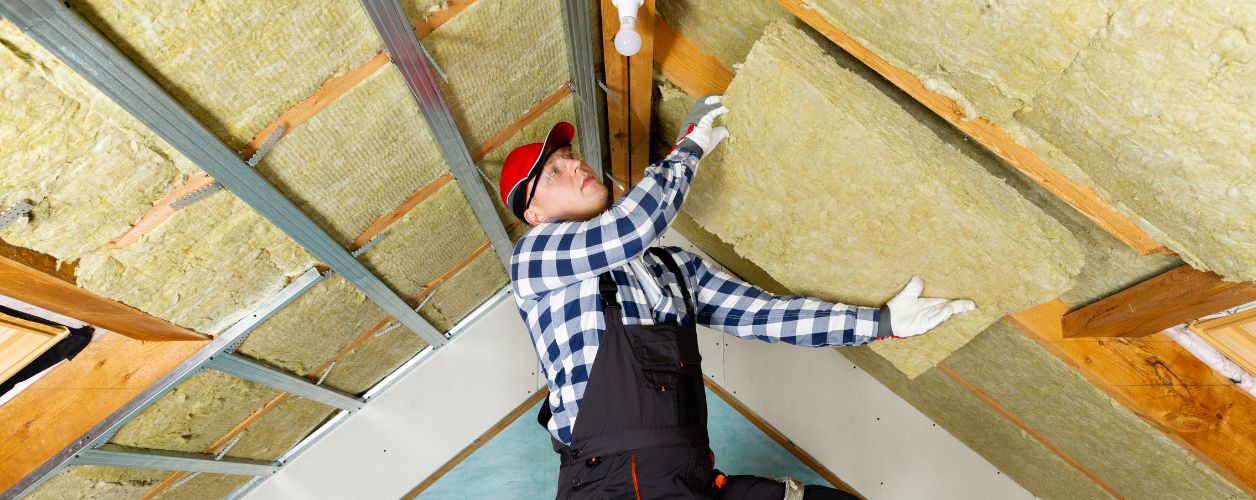
Connecting You with Attic Insulation Experts Near You
Maintaining a comfortable home environment relies heavily on the thermal barrier at the top of your house. Upgrading or replacing the materials in your uppermost crawlspaces helps regulate indoor temperatures, reduces the strain on your heating and cooling systems, and prevents drafts. Homeowners typically realize they need this service when they experience uneven temperatures between floors, notice drafts, deal with unexpectedly high energy bills, or discover that older materials have settled or been damaged by pests.
While adding a few rolls of material might seem like a straightforward weekend project, hiring a professional is highly recommended. These spaces are often cramped, poorly lit, and filled with potential hazards like exposed wiring, roofing nails, and airborne particulates. Professionals have the necessary protective gear and specialized equipment to handle fiberglass, cellulose, and spray foams safely. Furthermore, they understand how to navigate the space without compressing existing materials or accidentally stepping through the ceiling.
When you hire an expert, you can expect a comprehensive assessment of your home's current thermal envelope. They will evaluate the condition of your existing setup, identify areas where conditioned air is escaping, and recommend the best approach to achieve an optimal barrier for your home.
Your Future Attic Insulation Hero Is Just One Task Away — Let’s Find Them
Exploring Options and Understanding the Process
Service providers in this field offer a variety of solutions tailored to different architectural styles and existing conditions. Understanding what is available will help you make an informed decision for your property.
Common Services Provided
- Blown-In Applications: Using specialized machines to blow loose-fill cellulose or fiberglass over existing material or into hard-to-reach crevices.
- Batts and Rolls: Cutting and fitting pre-cut fiberglass or mineral wool blankets between ceiling joists.
- Spray Foam Installation: Applying expanding foam to seal leaks and provide a high-level thermal barrier, often used along the roof deck.
- Old Material Removal: Safely extracting old, contaminated, or heavily compacted materials using commercial vacuums.
- Air Sealing: Caulking and sealing gaps around light fixtures, plumbing stacks, and attic hatches before new material is laid down.
How the Process Works
The project typically begins with an inspection to measure the depth of your current materials and check for signs of moisture, mold, or pest activity. Before any new material is added, technicians will perform air sealing to stop drafts. They will also install baffles—chutes that keep material away from your soffit vents—to ensure your roof can still "breathe." Once preparation is complete, the new barrier is installed evenly across the space, followed by a thorough cleanup of the work area.
What Affects Pricing and Timelines
Most standard installations are completed in a single day, though complex jobs or complete removals may take longer. Pricing is directly influenced by the total square footage of the space and the type of material you select. Spray foam, for example, requires specialized mixing equipment and carries a higher cost than standard blown-in fiberglass. Additional factors include the accessibility of the space, the need for old material removal, and how much preliminary air sealing is required.
Common Challenges
One of the biggest challenges in these projects is managing airflow. Improper installation can block vital ventilation, leading to trapped moisture and potential mold growth. Additionally, safely working around recessed lighting fixtures requires care, as some lights require a certain amount of clearance to prevent overheating.
Your Future Attic Insulation Hero Is Just One Task Away — Let’s Find Them
Hiring the Right Professional and Preparing for the Job
Choosing a reliable contractor ensures that your project will be done safely and effectively. Knowing what to look for and how to prepare your home can make the entire experience smooth and stress-free.
Identifying Quality Professionals
A reputable provider will do more than just quote a price per square foot. They should conduct a physical or detailed virtual inspection of your space before providing a written estimate. Look for professionals who discuss "R-value"—the measure of thermal resistance—and explain exactly what target number they are aiming for based on your current setup. Quality technicians will also emphasize the importance of air sealing and proper ventilation rather than just focusing on adding bulk material.
Questions to Ask Before Booking
- Will you perform an inspection for air leaks and seal them before installing the new material?
- How do you ensure that my roof vents and soffits won't be blocked?
- What specific material and R-value do you recommend for my home's architecture, and why?
- Is the removal of my old material necessary, or can you safely add to it?
- What is your cleanup process for dust and debris inside my home?
Mistakes Customers Should Avoid
The most common mistake is choosing a provider based solely on the lowest bid. Cut-rate jobs often skip crucial steps like air sealing or baffling the vents, which compromises the effectiveness of the entire project. Another mistake is ignoring the attic hatch or pull-down stairs; if these are not insulated and weather-stripped, they will act like an open window, draining your home's energy efficiency.
Helpful Preparation Tips
To help the crew get straight to work, clear a wide path to the access point. If your access panel is in a closet, remove clothing and stored items to prevent them from getting covered in dust. If you have boxes or seasonal items stored in the uppermost space itself, these will need to be relocated before the crew arrives. Finally, keep pets and children away from the work zone, as the equipment used can be loud and the initial installation process will stir up airborne dust.
Expectations During the Service
Expect some noise during the project, particularly if a blowing machine or heavy-duty vacuum is running. You may notice temporary dust in the immediate vicinity of the access hatch, though professional crews will lay down drop cloths and use containment strategies. Once the job is completed and the crew has cleaned up, you should begin to notice a more consistent indoor temperature and less frequent cycling of your heating or cooling system almost immediately.
Cost Guide
Related Categories for Insulation
Find Attic Insulation in States
- Attic Insulation in Alberta
- Attic Insulation in British Columbia
- Attic Insulation in Manitoba
- Attic Insulation in New Brunswick
- Attic Insulation in Newfoundland and Labrador
- Attic Insulation in Northwest Territories
- Attic Insulation in Nova Scotia
- Attic Insulation in Nunavut
- Attic Insulation in Ontario
- Attic Insulation in Prince Edward Island
- Attic Insulation in Quebec
- Attic Insulation in Saskatchewan
- Attic Insulation in Yukon
Answers to Your Common Questions
Proper attic insulation helps keep your home warm in the winter and cool in the summer—reducing energy bills and preventing heat loss, which is especially important during our long, cold winters.
If you notice cold drafts, uneven room temperatures, or high heating bills, it might be time to check your attic. Many older Canadian homes don't meet today’s recommended R-values for insulation.
In Canada, blown-in cellulose and fibreglass batts are the most common. Spray foam is also popular for its air-sealing benefits, especially in homes exposed to extreme weather.
Yes! Many provinces and utility companies offer rebates for energy-efficient upgrades, including attic insulation. Be sure to check programs like Enbridge HER+, Greener Homes, or local utility rebates.