
Find Mold Remediation in Your Area
- Mold Remediation in Edmonton
- Mold Remediation in Victoria
- Mold Remediation in Winnipeg
- Mold Remediation in Fredericton
- Mold Remediation in St. John's
- Mold Remediation in Yellowknife
- Mold Remediation in Halifax
- Mold Remediation in Iqaluit
- Mold Remediation in Toronto
- Mold Remediation in Charlottetown
- Mold Remediation in Quebec
- Mold Remediation in Regina
- Mold Remediation in Whitehorse
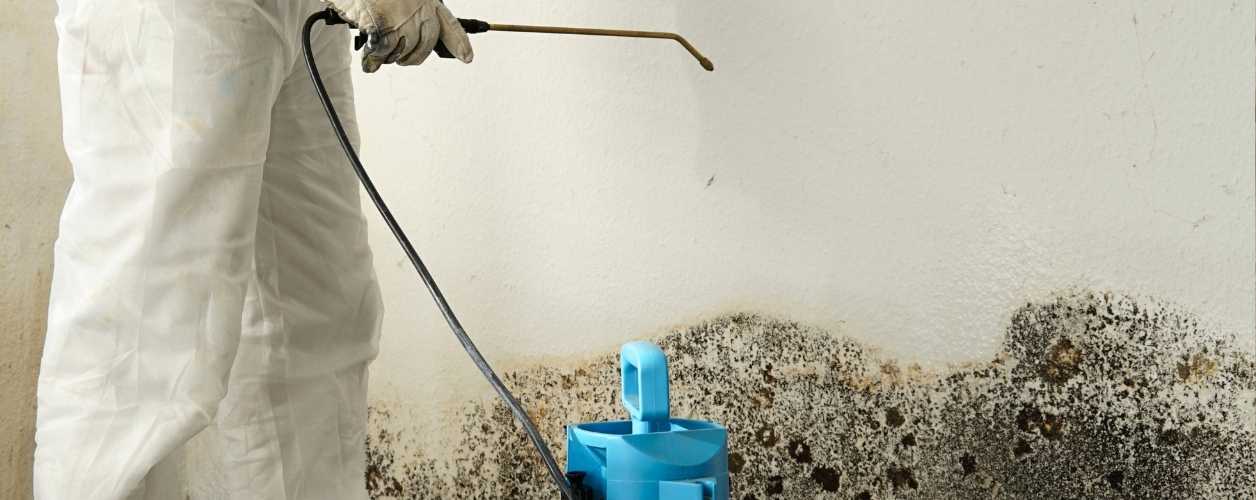
Professional Mold Remediation Services at Your Fingertips
Mold remediation is the systematic process of removing harmful mold growth and addressing the underlying moisture source to restore a healthy indoor environment. Unlike simple surface cleaning, professional remediation involves containment, air filtration, proper removal of contaminated materials, and preventive measures to stop mold from returning. The goal is not just to kill visible mold but to bring spore counts back to normal, safe levels.
People typically seek this service after discovering dark patches on walls or ceilings, experiencing a musty odor that won't go away, or recovering from water damage caused by a burst pipe, roof leak, or flooding. Health concerns often drive the decision too. Persistent allergy symptoms, respiratory issues, or unexplained headaches that improve when away from the building can point to a hidden mold problem. Real estate transactions also trigger inspections that reveal issues requiring professional attention before a sale can proceed.
Professional intervention matters because mold spreads quickly and can hide inside wall cavities, under flooring, and within HVAC systems. Disturbing mold without proper containment can release millions of spores into the air, worsening the contamination. Trained specialists use industrial-grade equipment, follow established safety protocols, and understand how to handle different mold types, including toxic black mold, without putting occupants or themselves at risk.
Common Services Included in This Category
Mold remediation companies offer a range of specialized services that go far beyond basic cleaning. Here are the typical tasks and offerings you can expect from qualified professionals:
- Comprehensive mold inspection and moisture assessment using thermal imaging and moisture meters
- Air quality testing to identify spore types and concentration levels before and after remediation
- Surface sampling and laboratory analysis to confirm the presence of specific mold species
- Full containment setup with negative air pressure and physical barriers to prevent cross-contamination
- HEPA air scrubbing and filtration to capture airborne spores during the remediation process
- Safe removal and disposal of contaminated porous materials such as drywall, insulation, and carpeting
- Antimicrobial treatment and fungicide application on salvageable structural materials
- Structural drying and dehumidification following water damage events
- HVAC system inspection and duct cleaning to eliminate mold within ventilation systems
- Crawl space and basement encapsulation with vapor barriers for long-term moisture control
- Attic mold treatment including soffit ventilation improvements and insulation replacement
- Bathroom and kitchen mold removal addressing chronic humidity issues behind tiles and fixtures
- Post-remediation clearance testing to verify successful mold reduction
- Odor neutralization using specialized treatments that target musty smells at the source
- Preventive consultation with moisture control recommendations and dehumidifier installation
Your Future Mold Remediation Hero Is Just One Task Away — Let’s Find Them
How the Process Typically Works
Understanding the standard workflow helps set realistic expectations and allows you to evaluate whether a contractor follows industry best practices. While each situation is unique, reputable companies generally follow a structured approach.
Initial Assessment and Testing
The process begins with a thorough visual inspection of the property, including hard-to-reach areas like attics, crawl spaces, and behind appliances. Technicians use moisture meters and infrared cameras to detect hidden water intrusion without destructive investigation. If the extent or type of mold is unclear, they may collect air or surface samples for laboratory analysis. This step determines the scope of work and establishes baseline readings for post-remediation verification.
Containment and Safety Setup
Before disturbing any mold, crews seal off the affected area using heavy-gauge polyethylene sheeting. They establish negative air pressure by running HEPA-filtered exhaust fans to the exterior, ensuring contaminated air flows out rather than into clean parts of the building. Workers wear full personal protective equipment including respirators, gloves, and disposable coveralls. This containment remains in place until final clearance is achieved.
Source Removal and Cleaning
Porous materials with significant mold growth, such as drywall, carpet padding, and ceiling tiles, are carefully cut out and double-bagged for disposal. Non-porous surfaces receive HEPA vacuuming followed by scrubbing with antimicrobial solutions. Technicians may use soda blasting or dry ice blasting on wood framing to remove deeply embedded mold without damaging the structure. Throughout this phase, air scrubbers run continuously to capture airborne spores.
Drying and Restoration
Once contaminated materials are removed, the focus shifts to eliminating moisture. Industrial dehumidifiers and high-speed air movers operate until structural elements reach acceptable moisture levels, typically below 15% wood moisture equivalent. Depending on the damage extent, restoration may involve installing new drywall, insulation, flooring, or paint. Many companies handle this reconstruction, while others coordinate with separate restoration contractors.
Clearance Verification
A critical final step involves post-remediation testing, ideally performed by an independent third-party assessor rather than the remediation company itself. Air samples collected inside the containment zone are compared with outdoor baseline samples. The project is considered successful when indoor mold spore counts and species profiles match or fall below outdoor levels, confirming the environment has returned to normal conditions.
How to Choose the Right Professional
Selecting a qualified mold remediation contractor requires careful evaluation. The wrong choice can lead to incomplete work, recurring problems, and wasted money. Focus on these key factors when comparing providers.
Certifications and Training
Look for technicians who hold recognized industry certifications such as those from the Institute of Inspection Cleaning and Restoration Certification (IICRC) or the National Organization of Remediators and Mold Inspectors (NORMI). These credentials indicate formal training in proper remediation protocols, safety procedures, and moisture control science. Ask specifically about the Applied Microbial Remediation Technician (AMRT) or Water Damage Restoration Technician (WRT) designations.
Experience with Similar Projects
Not all mold problems are equal. A company that primarily handles small bathroom mold may lack the expertise for a whole-home remediation after major flooding. Inquire about their experience with your specific situation, whether it involves crawl space mold, attic fungal growth, or post-flood contamination. Request before-and-after case studies or project summaries that demonstrate their capability with comparable scope and complexity.
Equipment and Methodology
Proper remediation requires more than bleach and elbow grease. Ask what equipment the company uses for containment, air filtration, and drying. Professional-grade HEPA air scrubbers, commercial dehumidifiers, and moisture mapping tools indicate serious commitment to quality outcomes. Companies should also explain their specific treatment methods and why they recommend a particular approach for your situation.
Assessment Approach and Objectivity
Exercise caution with companies that both test and remediate without clear separation between assessment and execution. The most trustworthy approach involves independent mold assessment followed by remediation by a separate firm. If a single company handles everything, they should provide detailed test results and explain findings transparently. Be wary of anyone who recommends extensive remediation without performing any testing or who uses scare tactics about toxic mold to pressure immediate decisions.
Insurance and Documentation
Verify that the contractor carries adequate liability insurance and workers' compensation coverage. Request a certificate of insurance directly from their provider. Professional companies document their entire process with written work plans, daily moisture readings, photo records, and final reports suitable for insurance claims or future property disclosures. This documentation proves invaluable if you later sell the property or need to demonstrate proper remediation was completed.
Understanding Pricing Factors
Mold remediation costs vary significantly based on multiple project-specific variables. Understanding what drives pricing helps you evaluate quotes realistically and avoid both overpaying and underinvesting in proper treatment.
| Project Type | Typical Cost Range (CAD) | Key Variables |
|---|---|---|
| Minor containment and spot treatment | $500 – $1,500 | Small areas under 10 square feet, surface mold only |
| Single room remediation | $1,500 – $4,000 | Bathroom, closet, or small bedroom with some material removal |
| Basement or crawl space | $3,000 – $8,000 | Moisture source complexity, encapsulation needs, square footage |
| Whole-home or extensive remediation | $10,000 – $30,000+ | Multiple rooms, structural drying, HVAC contamination, reconstruction |
| Mold inspection and testing only | $300 – $800 | Number of samples, report detail, independent vs. company-affiliated |
Factors That Influence Total Cost
The extent of contamination remains the single largest cost driver. Mold limited to surface growth on non-porous materials costs far less to address than mold penetrating deep into wall cavities and structural framing. Accessibility matters too. Mold behind finished walls, under flooring, or inside ductwork requires more labor and material removal than exposed surface mold. Emergency or after-hours service typically carries premium charges, often 1.5 to 2 times standard rates. The type of mold affects pricing only when extensive safety protocols are required for highly toxigenic species such as Stachybotrys. Post-remediation restoration, including drywall replacement, painting, and flooring installation, adds significantly to total project cost and may be quoted separately or included in a comprehensive package.
Your Future Mold Remediation Hero Is Just One Task Away — Let’s Find Them
Common Problems Where Mold Remediation Becomes Essential
Understanding real-world scenarios helps you recognize when professional help becomes necessary rather than attempting DIY solutions that often make matters worse.
- Persistent mold recurrence after repeated cleaning attempts, indicating an unresolved moisture source hidden behind walls or ceilings
- Extensive water damage from a burst pipe, washing machine overflow, or roof leak that saturated building materials for more than 24-48 hours
- Musty odors throughout the home that strengthen in certain rooms or when the HVAC system runs, suggesting duct contamination
- Visible mold growth covering more than 10 square feet, which exceeds safe DIY cleaning thresholds according to health authorities
- Health symptoms in household members including chronic sinus congestion, asthma flare-ups, or skin irritation that correlate with time spent indoors
- Basement flooding after heavy rainfall or snowmelt that left carpet, drywall, or stored belongings wet for an extended period
- Real estate transaction requirements where a home inspection flagged mold and the buyer or lender demands professional remediation before closing
- Black or green staining on attic sheathing caused by inadequate ventilation trapping warm moist air against cold roof decking
- Bathroom mold penetrating beyond surface caulking into the wall cavity behind tile surrounds or under vinyl flooring
- Post-construction defects where improper flashing, grading, or waterproofing allowed water intrusion into newly built or renovated spaces
Questions to Ask Before Hiring
Asking the right questions before signing a contract helps you identify qualified professionals and avoid costly mistakes. Use these questions during consultations to evaluate competence and transparency.
- What certifications do your technicians hold, and can you provide proof of current IICRC or equivalent credentials?
- Do you conduct the mold assessment and remediation separately, or do you recommend an independent third-party inspection?
- Can you explain your containment procedures and how you prevent cross-contamination to unaffected areas of my home?
- What is included in your written work plan, and will I receive documentation of the complete process including moisture readings and photos?
- Do you carry liability insurance and workers' compensation coverage? May I see a current certificate of insurance?
- How do you determine when remediation is complete, and who performs the final clearance testing?
- What warranty or guarantee do you offer on your remediation work, and what specifically does it cover?
- Will you handle any necessary reconstruction, or will I need to coordinate with a separate contractor for repairs?
- Can you provide references from past clients with similar mold problems who I can contact directly?
- What moisture control measures will you implement to prevent the mold from returning after remediation is finished?
Mistakes to Avoid During the Remediation Process
Even well-intentioned property owners can make decisions that compromise results or create additional problems. Being aware of common pitfalls helps you navigate the process more effectively.
- Attempting large-scale mold removal without containment, which spreads spores throughout the building and worsens contamination
- Using bleach on porous surfaces where it cannot penetrate to kill mold roots, leaving the problem intact beneath the surface
- Painting or sealing over mold without removing it first, which temporarily hides the issue while mold continues growing underneath
- Ignoring the moisture source and focusing only on visible mold, virtually guaranteeing the problem will return
- Hiring based solely on the lowest quote without verifying certifications, insurance, and methodology
- Skipping post-remediation clearance testing to confirm the work successfully restored normal indoor air quality
- Failing to address HVAC contamination when mold is present elsewhere, allowing the system to redistribute spores continuously
- Rushing reconstruction before structural materials are adequately dried, trapping moisture that feeds future mold growth
Cost Guide
Related Categories for Demolition & Disposal
Find Mold Remediation in States
- Mold Remediation in Alberta
- Mold Remediation in British Columbia
- Mold Remediation in Manitoba
- Mold Remediation in New Brunswick
- Mold Remediation in Newfoundland and Labrador
- Mold Remediation in Northwest Territories
- Mold Remediation in Nova Scotia
- Mold Remediation in Nunavut
- Mold Remediation in Ontario
- Mold Remediation in Prince Edward Island
- Mold Remediation in Quebec
- Mold Remediation in Saskatchewan
- Mold Remediation in Yukon
Answers to Your Common Questions
Mold remediation is a comprehensive process that includes identifying, containing, removing, and treating mold to prevent future growth. Mold removal refers to just cleaning the visible mold, which may not solve the underlying issue.
If you notice musty odors, visible mold, or experience allergy-like symptoms (sneezing, coughing, headaches), especially after water damage, it’s time to call an expert. Professionals can test for hidden mold and assess indoor air quality.
Mold remediation typically costs between $500 and $6,000, depending on the extent of the damage, affected area size, and whether structural repairs or HVAC cleaning are required.
Most residential projects take 1 to 5 days, depending on the severity of the mold and the materials affected. Larger or more complex cases, like attic or crawlspace infestations, may take longer.