
Find Construction Debris Removal in Your Area
- Construction Debris Removal in Edmonton
- Construction Debris Removal in Victoria
- Construction Debris Removal in Winnipeg
- Construction Debris Removal in Fredericton
- Construction Debris Removal in St. John's
- Construction Debris Removal in Yellowknife
- Construction Debris Removal in Halifax
- Construction Debris Removal in Iqaluit
- Construction Debris Removal in Toronto
- Construction Debris Removal in Charlottetown
- Construction Debris Removal in Quebec
- Construction Debris Removal in Regina
- Construction Debris Removal in Whitehorse
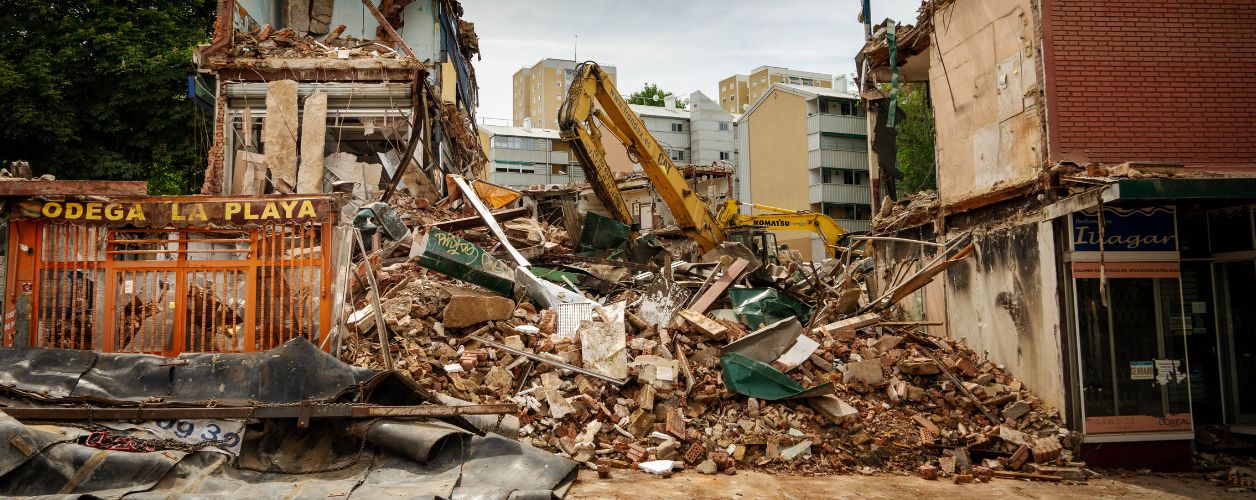
Construction Debris Removal Experts - Hire To Manage Waste and Debris Effectively
Clearing out the leftover materials from a building, remodeling, or demolition project is a heavy-duty task that requires more than a standard residential trash bin. Professional waste hauling services specialize in safely loading, transporting, and disposing of bulky, heavy, or messy materials generated by construction work. Homeowners, property managers, and contractors typically need these services after kitchen and bathroom renovations, roof replacements, landscaping overhauls, or property demolitions.
Managing the aftermath of a major renovation on your own can be overwhelming and physically taxing. Leftover materials often include sharp nails, splintered wood, shattered tile, and heavy chunks of concrete. Relying on a specialized crew ensures that these hazards are handled safely and efficiently, saving you from dangerous heavy lifting and preventing severe wear and tear on your personal vehicle. When you hire a dedicated team, you can expect a straightforward process where the crew arrives, assesses the volume of the materials, safely loads it into specialized dump trucks or trailers, and leaves your site clear and ready for the next phase of your project.
Your Future Construction Debris Removal Hero Is Just One Task Away — Let’s Find Them
Navigating Services, Pricing, and the Hauling Process
Waste removal teams handle a wide variety of materials, though the specific services offered can vary by provider. Most crews are equipped to haul away common renovation leftovers like drywall, lumber, roofing shingles, flooring materials, glass, and scrap metal. Many also manage heavy aggregates, such as dirt, brick, and concrete, though these often require specialized equipment due to their extreme weight. Before hiring a team, it is important to know exactly what materials you have, as standard hauling crews generally cannot accept hazardous materials like asbestos, wet paint, chemical solvents, or certain types of treated lumber.
How the Process Works
The standard process usually begins with an estimate. Because it is difficult to judge volume over the phone, many professionals prefer to provide a quote after seeing the pile in person or reviewing detailed photos. Once an agreement is reached, the crew will schedule a pickup window. On the day of service, the team does the heavy lifting, loading the materials directly from your property into their vehicles. Reputable crews will also do a light sweep of the area to pick up remaining screws, nails, or dust before driving the load to local sorting facilities, recycling centers, or landfills.
Factors Influencing Cost and Timelines
Several variables impact the final price and the time it takes to complete the hauling job:
- Volume and Weight: Most jobs are priced based on how much space the materials take up in the truck. However, dense materials like concrete, plaster, or tile are usually priced by weight because they cost more to dump at facilities and heavily tax the transport vehicles.
- Accessibility: Debris piled directly in a driveway or near the curb is fast and easy to load. If the crew has to carry materials down multiple flights of stairs, through a finished house, or across a muddy yard, labor costs and completion times will naturally increase.
- Sorting Requirements: Mixed piles that require the crew to separate recyclables from general trash may take longer and incur different disposal rates than neatly pre-sorted materials.
Your Future Construction Debris Removal Hero Is Just One Task Away — Let’s Find Them
Preparation and Hiring Best Practices
Finding a reliable and professional hauling crew is essential for a smooth project wrap-up. Quality providers usually have clear, upfront pricing structures and are eager to explain how they handle waste disposal. Look for teams that emphasize eco-friendly practices, such as diverting reusable materials, scrap metal, and clean wood to recycling facilities rather than sending everything straight to a landfill. A trustworthy provider will also arrive with the right equipment, including heavy-duty vehicles, wheelbarrows, moving blankets for interior protection, and proper safety gear for their staff.
Common Mistakes to Avoid
One of the biggest mistakes customers make is mixing hazardous liquids or restricted materials in with standard building waste. This can lead to unexpected fees, project delays, or a complete refusal of service on pickup day. Another common error is assuming the hauling crew will perform demolition work. Unless specifically agreed upon beforehand, removal services are for materials that are already detached and ready to go. Finally, avoid choosing a service solely based on the lowest initial estimate over the phone without confirming that all dump fees, labor, and travel costs are included in the quote.
Tips for a Smooth Pickup
Proper preparation can save you time and money. If you have the space, try to consolidate your waste into a single, easily accessible pile as close to the street or driveway as possible. Keep heavy materials like brick or dirt separate from lighter trash like insulation or cardboard, as this makes loading and recycling significantly easier for the crew.
Questions to Ask Before Booking
- Does your quote include all labor, travel, and landfill disposal fees?
- Do you charge based on the volume of the truck used, or the total weight of the load?
- Are there any specific materials or liquids you are not allowed to take?
- Do you attempt to recycle or donate usable building materials?
- What happens if the actual load is larger or smaller than the initial estimate?
When the crew arrives, be available to walk them through the site, clearly pointing out what needs to be removed and what materials are staying behind for future use. While you can expect a basic broom-sweep of the immediate loading area once they are finished, remember that this is an industrial hauling service, not a deep-cleaning service. Setting clear boundaries and communicating openly ensures a highly efficient exchange and leaves your property tidy.
Cost Guide
Related Categories for Demolition & Disposal
Find Construction Debris Removal in States
- Construction Debris Removal in Alberta
- Construction Debris Removal in British Columbia
- Construction Debris Removal in Manitoba
- Construction Debris Removal in New Brunswick
- Construction Debris Removal in Newfoundland and Labrador
- Construction Debris Removal in Northwest Territories
- Construction Debris Removal in Nova Scotia
- Construction Debris Removal in Nunavut
- Construction Debris Removal in Ontario
- Construction Debris Removal in Prince Edward Island
- Construction Debris Removal in Quebec
- Construction Debris Removal in Saskatchewan
- Construction Debris Removal in Yukon
Answers to Your Common Questions
Experts can remove drywall, lumber, concrete, bricks, tiles, insulation, roofing material, carpeting, old fixtures, and packaging waste from remodeling or new builds. Hazardous materials may require special handling.
Pricing typically ranges from $200 to $800, depending on the amount, type of debris, accessibility, and whether loading, hauling, or clean-up is included. Heavier materials like concrete or shingles may cost more due to disposal fees.
Not usually. Most services handle sorting, lifting, and loading for you. However, separating hazardous items or recyclables in advance may reduce costs or meet local disposal regulations.
Yes. Most providers offer in-home or on-site removal, including basements, attics, garages, and construction zones. They bring labor and tools to safely clear and haul debris from tight or cluttered spaces.