
Find Demolition & Disposal in Your Area
- Demolition & Disposal in Edmonton
- Demolition & Disposal in Victoria
- Demolition & Disposal in Winnipeg
- Demolition & Disposal in Fredericton
- Demolition & Disposal in St. John's
- Demolition & Disposal in Yellowknife
- Demolition & Disposal in Halifax
- Demolition & Disposal in Iqaluit
- Demolition & Disposal in Toronto
- Demolition & Disposal in Charlottetown
- Demolition & Disposal in Quebec
- Demolition & Disposal in Regina
- Demolition & Disposal in Whitehorse
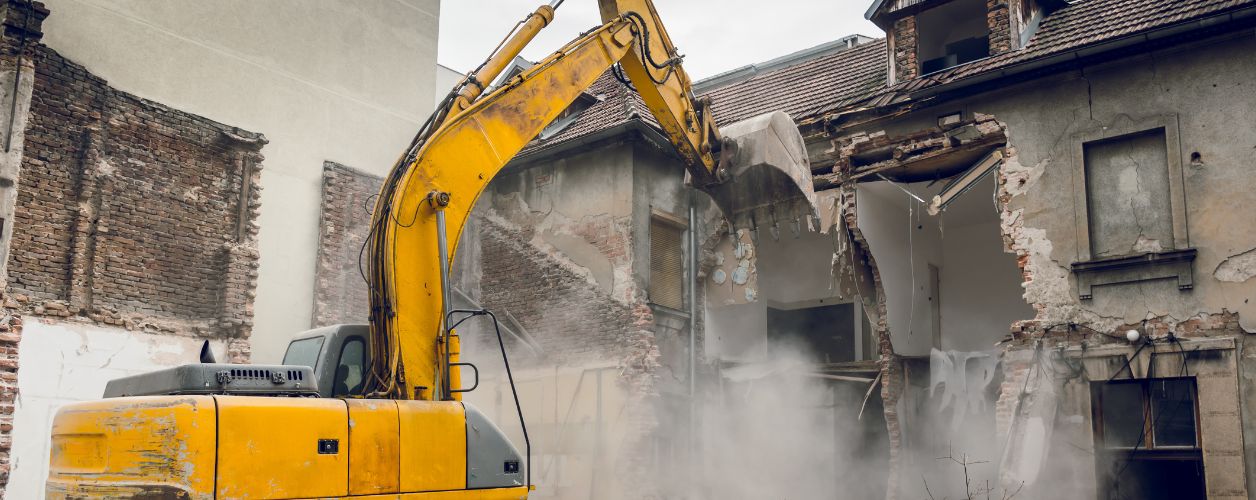
Demolition & Disposal Services - Find Here Your Local Experts
Demolition is far more than the simple act of tearing down a structure; it is a precision-based service that requires technical expertise, specialized machinery, and a deep understanding of structural integrity. In the Canadian context, where building codes are rigorous and environmental regulations are strictly enforced, professional demolition and disposal services provide a safe, controlled, and efficient way to clear space for new beginnings. Whether it is a small-scale interior strip-out for a kitchen renovation or the complete leveling of a multi-story building, these services ensure that the process is handled without compromising the safety of the surrounding property or the public.
Engaging a professional team is essential because of the hidden complexities involved in dismantling structures. Modern demolition experts must navigate utility disconnections, manage hazardous materials like asbestos or lead-based paint, and adhere to strict municipal bylaws regarding noise and vibration. Furthermore, the "disposal" aspect of the service has become increasingly critical. Responsible contractors focus on waste diversion—sorting materials such as wood, metal, and concrete to ensure they are recycled or repurposed rather than sent directly to landfills. This eco-conscious approach is a cornerstone of modern Canadian construction practices, helping homeowners and developers reduce their environmental footprint while complying with local waste management mandates.
Commonly, property owners seek these services when a structure has become unsafe, when a layout no longer serves its purpose, or when preparing a site for a completely new architectural vision. From removing a backyard shed to clearing an industrial site, professional demolition provides a "blank canvas" for future development, ensuring that the ground is stable, clean, and ready for the next phase of construction.
Core Services Provided by Demolition Specialists
The scope of demolition and disposal services is broad, ranging from surgical-like precision in finished homes to heavy-duty industrial clearing. Here are the typical tasks included in this category:
- Residential Structural Demolition: The complete removal of detached houses, semi-detached homes, or cottages to prepare for a new build.
- Selective Interior Demolition: Removing specific interior elements like walls, flooring, and ceilings while keeping the exterior shell and structural supports intact.
- Commercial Strip-Outs: Preparing retail or office spaces for new tenants by removing partitions, carpets, and fixtures.
- Garage and Shed Removal: Dismantling outbuildings that are dilapidated, encroaching on property lines, or no longer needed.
- Concrete and Masonry Demolition: Breaking up and removing concrete driveways, patios, retaining walls, and foundations using jackhammers or excavators.
- Kitchen and Bathroom Tear-Downs: A focused service for homeowners looking to gut specific rooms down to the studs for a renovation.
- Asbestos and Lead Abatement: The specialized identification and safe removal of hazardous materials often found in older structures before main demolition begins.
- In-Ground Pool Removal: The complex process of breaking down a pool shell, backfilling the area, and compacting the soil for future landscaping.
- Site Clearing and Grubbing: Removing trees, brush, and debris from a vacant lot to prepare it for excavation.
- Debris Hauling and Disposal: Providing heavy-duty bins and transport to move construction waste to authorized sorting and recycling facilities.
- Emergency Demolition: Rapid response services for structures made unstable by fire, floods, or natural disasters.
- Salvage Operations: Carefully removing architectural elements like hardwood flooring or antique fixtures for resale or reuse.
The Step-by-Step Demolition Process
A successful demolition project follows a logical progression to ensure safety and efficiency. Understanding this timeline helps users manage their expectations and prepare their site accordingly.
The process typically begins with a Pre-Demolition Assessment. A specialist visits the site to identify structural challenges, potential hazards, and access points for heavy machinery. Following this, the Permitting and Documentation phase occurs. In most Canadian jurisdictions, a demolition permit is required. Professionals often assist in securing these, ensuring that utility companies (gas, water, electricity) have officially disconnected their services to prevent accidents during the tear-down.
Once the site is secured with fencing and signage, Hazardous Material Remediation takes place if necessary. This is followed by the Soft Strip, where non-structural elements like windows, doors, and interior finishes are removed manually. The Main Demolition then begins, using either manual tools or heavy equipment like excavators with hydraulic shears or "clamshell" attachments. Professionals usually work from the top down and outside in. Finally, Sorting and Disposal occur. Debris is separated on-site into piles of wood, metal, and masonry to optimize recycling. The site is then raked and leveled, leaving it in a "build-ready" state for the next contractor.
Your Future Demolition & Disposal Hero Is Just One Task Away — Let’s Find Them
Selecting the Right Demolition Partner
Choosing a contractor for demolition requires more than just looking for the lowest price. Because this work involves significant risks to property and personal safety, you must prioritize expertise and reliability. Here is how to evaluate potential professionals.
Safety Compliance and Insurance
Demolition is high-risk work. In Canada, it is vital to ensure your contractor carries comprehensive liability insurance and is in good standing with provincial workplace safety boards (such as WSIB, WorkSafeBC, or CNESST). This protects you from liability if an accident occurs on your property. Ask for a valid clearance certificate before any work begins. A reputable company will also have a formal safety plan tailored to your specific project, outlining how they will protect workers and bystanders.
Environmental Responsibility and Waste Diversion
With landfill fees rising across the country, a professional who prioritizes recycling is both environmentally and financially responsible. Ask potential contractors about their "diversion rate"—the percentage of waste they successfully keep out of landfills. High-quality professionals have established relationships with local recycling centers and can provide documentation showing where the debris was taken. This is particularly important for LEED-certified projects or for homeowners committed to sustainable living.
Specialized Equipment and Technical Expertise
The tools required for a kitchen gut are vastly different from those needed to demolish a concrete foundation. Ensure the professional has the right equipment for your specific job. For example, if you are doing interior work, do they have HEPA-filtered dust extraction systems? If you are removing a chimney, do they have the scaffolding and manual expertise to do it without damaging the rest of the roof? Experience in "selective demolition" is a specific skill set that prevents collateral damage to parts of the building you intend to keep.
Pricing Factors for Demolition and Disposal
The cost of demolition services is rarely a one-size-fits-all figure. It is generally calculated based on the volume of material, the difficulty of the work, and the current rates for waste disposal. On average, homeowners in Canada might spend anywhere from $2,000 for a small interior project to over $25,000 for a full house demolition. Understanding the variables can help you budget more accurately.
| Service Type | Average Cost Range ($) | Key Pricing Drivers |
|---|---|---|
| Small Structure (Shed/Deck) | $500 – $2,500 | Size, material type, accessibility. |
| Kitchen/Bath Gut | $1,500 – $5,000 | Plumbing complexity, number of fixtures. |
| Full Residential Home | $15,000 – $40,000+ | Square footage, hazardous materials, permits. |
| Garage Removal | $3,000 – $8,000 | Foundation type, electrical connections. |
| Concrete Removal | $1,000 – $4,500 | Thickness, reinforcement (rebar), volume. |
What Influences the Final Quote?
Several factors will sway your estimate. Hazardous materials are the biggest variable; finding asbestos in your plaster can double the cost of a project due to the specialized equipment and disposal protocols required. Site access is another major factor. If machinery cannot reach the structure, manual labor will be required, significantly increasing the time and cost. Disposal and Tipping Fees fluctuate based on regional landfill policies; heavy materials like concrete and brick are usually priced by weight. Finally, Urgency can play a role; emergency demolition after a storm or fire typically carries a premium due to the immediate mobilization of crews.
Common Use Cases: Why People Seek Demolition
Demolition is often the first step in a larger transformation. Here are the real-world scenarios where these services are indispensable:
- Modernizing Heritage Properties: Removing decades of interior additions to return a home to its original layout or update it with modern systems.
- Preparing for New Builds: Buying a "fixer-upper" solely for the lot and requiring a complete teardown of the existing structure.
- Safety Hazard Remediation: Removing structures that have become structurally unsound due to age, rot, or insect damage.
- Landscape Transformation: Clearing away old retaining walls, concrete pads, or broken pools to install new gardens or outdoor living spaces.
- Commercial Rebranding: Tearing down the interior of a retail space so a new franchise can install its specific layout and branding.
- Land Development: Clearing old farm buildings or industrial sheds to make way for residential subdivisions.
Your Future Demolition & Disposal Hero Is Just One Task Away — Let’s Find Them
Key Questions to Ask Your Demolition Provider
Before signing a contract, it is crucial to interview your service provider to ensure they are the right fit for your project. Professional contractors will be happy to provide detailed answers to these questions:
- Do you handle the permit application process? Understanding whether you or the contractor is responsible for municipal paperwork is vital for a smooth project start.
- How do you manage dust and noise control? This is especially important for interior renovations or projects in densely populated neighborhoods.
- Will you provide a detailed manifest of where materials are disposed of? This ensures that your waste is being handled ethically and legally.
- How do you ensure the protection of adjacent structures? If you are removing a garage near a neighbor's fence or an interior wall near a finished room, you need to know their protective measures.
- Are utility locates included in your service? Confirming they will call for "locates" to identify underground gas and water lines is a non-negotiable safety step.
- What is your timeline for completion and cleanup? Demolition is messy; you need a clear end date and a promise of a raked, clean site.
Common Mistakes to Avoid
A demolition project can quickly go off the rails if not planned correctly. Avoid these common pitfalls to save time and money:
Ignoring the Need for Asbestos Testing: In many regions, testing for hazardous materials is a legal requirement for buildings of a certain age. Starting demolition without a report can lead to massive fines, health risks, and an immediate shutdown of your site. Always test before you tear.
Underestimating Disposal Costs: Many users focus on the "tearing down" part and forget that getting rid of the debris is often 30-50% of the total cost. Ensure your quote includes all tipping fees and hauling charges to avoid surprise invoices at the end of the job.
DIY-ing Structural Elements: Tearing down a wall might seem simple, but if that wall is load-bearing, you could cause your ceiling to sag or your roof to collapse. Never perform demolition on structural components without a professional assessment.
Failing to Notify Neighbors: Demolition is loud, dusty, and involves heavy traffic. Failing to communicate with your neighbors can lead to complaints and municipal inspections. A little courtesy and a heads-up go a long way in maintaining community harmony during a project.
Cost Guide
Related Categories for Demolition & Disposal
Find Demolition & Disposal in States
- Demolition & Disposal in Alberta
- Demolition & Disposal in British Columbia
- Demolition & Disposal in Manitoba
- Demolition & Disposal in New Brunswick
- Demolition & Disposal in Newfoundland and Labrador
- Demolition & Disposal in Northwest Territories
- Demolition & Disposal in Nova Scotia
- Demolition & Disposal in Nunavut
- Demolition & Disposal in Ontario
- Demolition & Disposal in Prince Edward Island
- Demolition & Disposal in Quebec
- Demolition & Disposal in Saskatchewan
- Demolition & Disposal in Yukon
Answers to Your Common Questions
Professionals handle interior demolition (walls, floors, cabinets), partial structural demolition (garages, decks, sheds), and full building teardowns. Services often include safe removal and proper disposal of debris.
Yes, in most cases a local permit is required, especially for structural or exterior work. Licensed demolition contractors typically handle permit applications, safety plans, and code compliance.
Costs vary widely based on the scope.
- Interior demo: $1,000–$5,000
- Garage/Deck teardown: $1,500–$10,000
- Full home teardown: $10,000–$30,000+
Disposal fees, hazardous materials (like asbestos), and site conditions can affect pricing.
Yes. Most demolition contractors include hauling and disposal of debris in their quotes. They sort and dispose of wood, metal, concrete, drywall, and hazardous waste according to local regulations.
The actual "knock-down" of a standard residential home usually takes only 2 to 4 days. However, the entire process—including site preparation, hazardous material removal, sorting debris, and final grading—typically spans 1 to 2 weeks.
While you can rent your own bins, professional demolition teams often get better rates at sorting facilities and have the equipment to load debris much faster. Most homeowners find that the physical labor and the cost of multiple bin rentals outweigh any potential savings of DIY disposal.
Yes, demolition can be performed year-round in Canada. While extreme cold or heavy snow can slightly slow down the process and make site access more difficult, the actual dismantling of structures is not significantly hindered by winter weather. In fact, many people schedule demolition in the winter so the site is ready for construction the moment the ground thaws in the spring.
Selective demolition is the process of removing specific parts of a building while preserving others. This is common in heritage restorations or "to-the-studs" renovations. It requires a high level of skill to ensure that the remaining structure is not compromised and that utilities serving other parts of the building remain functional.