
Find Home Inspection in Your Area
- Home Inspection in Edmonton
- Home Inspection in Victoria
- Home Inspection in Winnipeg
- Home Inspection in Fredericton
- Home Inspection in St. John's
- Home Inspection in Yellowknife
- Home Inspection in Halifax
- Home Inspection in Iqaluit
- Home Inspection in Toronto
- Home Inspection in Charlottetown
- Home Inspection in Quebec
- Home Inspection in Regina
- Home Inspection in Whitehorse
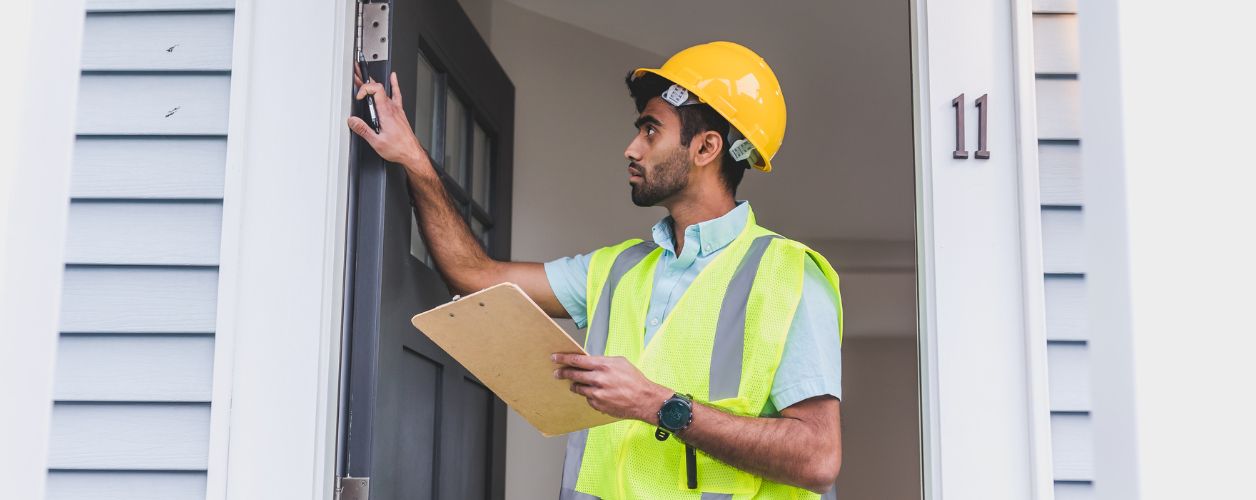
Discover Top Home Inspection Services Near You
A home inspection is a limited, non-invasive examination of the condition of a property, most often performed during a real estate transaction. It is a visual assessment of a home’s physical structure and mechanical systems, from the roof down to the foundation. Think of it as a health check-up for a house. The goal is not to pass or fail a property but to identify existing defects, potential safety hazards, and areas that may require major repairs in the near future.
People typically seek this service when buying a home, selling a home they’ve lived in for years, or even as a routine maintenance check for their current residence. A pre-purchase inspection gives buyers the confidence to proceed with an investment, while a pre-listing inspection helps sellers understand and address issues before putting the property on the market. Homeowners who have been in their property for a decade or more often schedule inspections to catch problems like slow roof leaks or foundation settling before they become catastrophic and expensive emergencies.
Why are professionals so vital here? Home inspectors are trained to decipher the subtle clues that indicate bigger underlying problems—a small crack in the drywall might point to serious foundation movement, and a musty smell in a basement could signal a mould issue hidden behind finished walls. They carry specialized tools and bring a cross-disciplinary knowledge that the average buyer simply doesn’t have. Without this expert evaluation, you’re making one of the biggest financial decisions of your life based almost entirely on surface-level impressions. The inspection report becomes your most powerful tool for negotiating repairs or adjusting the sale price.
What’s Included in a Standard Inspection?
While you can find specialists for single systems, a comprehensive property assessment covers a wide range of components. A standard residential inspection typically includes a visual check of accessible areas, meaning inspectors won’t cut open walls but will get into the attic, crawl spaces, and onto the roof when it’s safe to do so. Here are the core services commonly included:
- Roof covering, gutters, downspouts, and visible flashing
- Structural components including foundation, floor joists, and bearing walls
- Attic insulation, ventilation, and signs of wildlife intrusion
- Interior plumbing supply lines, drain pipes, and water heater condition
- Main electrical panel, circuit breakers, wiring types, and GFCI/AFCI outlets
- Heating and cooling equipment operation and basic air filter condition
- Doors, windows, and their seals and locks
- Interior walls, ceilings, and floors for moisture or structural distress
- Built-in kitchen appliances that remain with the home
- Basement, crawlspace, and visible foundation walls for water penetration
- Grading and surface drainage around the perimeter to direct water away
- Visible condition of decks, porches, balconies, stairs, and railings
- Garage door opener auto-reverse safety function and firewall integrity
Your Future Home Inspection Hero Is Just One Task Away — Let’s Find Them
How Does the Inspection Process Unfold?
Understanding the step-by-step flow of a home inspection can ease a lot of anxiety, especially for first-time buyers. The process is remarkably systematic, and good inspectors will encourage you to attend so you can see the condition firsthand and ask questions on the spot. A typical session spans about two to three hours for an average-sized single-family home, though larger or older properties naturally take longer.
The inspection usually begins with a brief walk-around of the exterior. The inspector examines the siding, grading, hardscaping, and any visible foundation lines. This is also when they usually mount a ladder to walk the roof if it’s a safe, low-pitch surface and not made of fragile material like slate. Photographs are taken continuously to document every finding. Next comes the interior, where the inspector moves room by room, testing every outlet with a basic tester, checking window operation, feeling for drafts, and examining flooring. Plumbing fixtures are run simultaneously to check for pressure drops and slow drains.
The final phase is a deep dive into the utility spaces—the furnace room, electrical panel, water heater closet, attic hatch, and crawlspace door. The inspector opens the main service panel to look for improper wiring or outdated breakers, removes the furnace cover to assess burner condition, and crawls as far into the attic as joists will safely allow. After the physical walkthrough, the inspector often spends another hour on-site generating a report that includes annotated photos, a severity rating for each defect, and clear maintenance recommendations. You’ll receive a digital report, usually within 24 hours, and it becomes the document you use to make final decisions.
How to Identify the Right Inspector for Your Situation
Verify Certification and Licensing
Not all provinces regulate home inspectors uniformly, but most reputable professionals belong to recognized industry associations like CAHPI (Canadian Association of Home & Property Inspectors), InterNACHI, or a provincial body. These memberships require ongoing education, adherence to a strict code of ethics, and passing rigorous technical exams. Ask to see their credentials or look for their membership number on their website and verify it independently. A genuine certified home inspector will never hesitate to provide proof.
Evaluate Their Background and Specialization
A contractor-turned-inspector who spent twenty years framing houses often brings a different perspective than someone who came from a municipal code enforcement background. Neither is inherently better, but their experience colours their focus. If you’re concerned about a century-old character home, a specialist with deep knowledge of heritage construction methods, knob-and-tube wiring, and lime mortar foundations may spot things a generalist could miss. Ask directly about their professional journey and whether they have particular experience with your style of property.
Insist on Seeing a Sample Report
This is the single most revealing step you can take. A poor inspector hands over a checklist with check marks and minimal commentary. A thorough professional provides a detailed narrative report filled with high-resolution images, arrows pointing to the exact crack or leak, a plain-language explanation of why it matters, and a clear recommendation: repair now, monitor annually, or bring in a structural engineer for further evaluation. Before you book, request a redacted sample report from a previous inspection to see exactly what you’ll get.
Look for Responsiveness and Clarity
Pay attention to how your inquiries are handled before you even make a booking. Do you get a generic email blast or a personal reply within a few hours? Does the inspector sound rushed when explaining their services on the phone, or do they speak clearly and patiently? A professional who is difficult to reach before being hired will be impossible to reach when you have questions about your report three days after closing.
What Influences the Price of a Property Inspection?
How much does it cost to hire a home inspector? In Canada, you can generally expect to invest between $450 and $700 for a standard single-family home inspection, though this range flexes with specific property attributes. A small condominium unit that involves checking only interior systems and limited common elements might start closer to $350, while a massive rural estate with multiple accessory buildings, well systems, and septic fields can easily push costs toward $900 or beyond. This fee pays for the inspector’s on-site time, the detailed report, and the liability insurance they carry. It’s a modest sum for the leverage and peace of mind it provides on a transaction worth hundreds of thousands of dollars.
| Property Type | Typical Fee Range | Key Variables |
|---|---|---|
| Condo / Apartment | $300 – $450 | Square footage, number of rooms, building age |
| Townhouse | $400 – $550 | Basement access, attached garage, exterior coverage |
| Standard Detached Home (under 2,000 sq ft) | $475 – $625 | Age of home, crawlspace vs. full basement, roof complexity |
| Large Detached Home (over 2,500 sq ft) | $600 – $800+ | Multiple HVAC systems, finished attics, extensive square footage |
| Rural Property / Acreage | $600 – $950+ | Well and septic testing, outbuildings, travel distance |
Several variables push the final quote higher or lower. The gross living area is the most direct factor, as larger homes take longer. Age plays an enormous role; a 1970s house typically requires a more painstaking electrical and plumbing examination than a freshly-built property. Complexity matters too—a steeply pitched roof with six gables takes far longer to walk than a simple ranch-style bungalow. Finally, add-on services like thermal imaging scans for energy efficiency, mould sampling, radon testing, or a separate well flow test will each add incremental costs to the base inspection. Always confirm what’s included and what’s considered an add-on before signing the contract.
Your Future Home Inspection Hero Is Just One Task Away — Let’s Find Them
Typical Issues Uncovered During Property Assessments
Real-world scenarios often follow predictable patterns based on regional construction styles, but some problems are universal. One of the most frequent is structural moisture intrusion, where improper exterior grading funnels rainwater toward the foundation instead of away from it. Over years, this saturates concrete, leads to efflorescence and spalling, and eventually creates basement leaks that can rot framing members. Another classic is attic ventilation failure, where blocked soffit vents trap warm, moist air against the roof deck sheathing. This causes shingle curling on the outside and can rot the plywood from the inside out within a single decade.
Defective electrical panels keep inspectors busy too. A 100-amp service may be perfectly adequate for a small home, but when someone has added a hot tub, a home workshop, and a secondary kitchen suite over the years, it can be dangerously overloaded. Double-tapped breakers, where two circuits are forced into a single breaker slot rated for one, remain a common code violation found in DIY renovations. On the plumbing side, polybutylene piping—a grey plastic water supply line installed widely from the late 1970s through the mid-1990s—is a ticking time bomb known to burst without warning due to chemical breakdown. An inspector flagging this material can save a buyer from an eventual flooded kitchen and tens of thousands in mitigation costs.
Key Questions to Ask Before You Book
A quick phone conversation before booking can reveal volumes about a professional’s thoroughness and communication style. Here are practical questions that will help you screen providers effectively:
- Can I see your current credentials and association membership card?
- How long will you spend on-site, and may I walk along with you during the entire process?
- Do you carry errors and omissions insurance as well as general liability?
- Will you climb onto the roof, or do you only inspect it from the ground with binoculars?
- What tools do you use beyond a flashlight—do you bring moisture meters, outlet testers, and an infrared camera?
- When will I receive the final report, and will you walk me through the findings verbally afterwards?
- Is there anything you specifically exclude that I might expect to be covered, like detached outbuildings or certain appliances?
Common Pitfalls That Undermine a Good Inspection
One of the biggest mistakes is prioritizing speed and the lowest quote over thoroughness. A bare-minimum inspection that meets a checklist standard might miss the subtle signs of a $30,000 foundation repair. If the inspector claims they can finish a 2,500-square-foot home in 90 minutes, that’s a warning sign, not a feature. Equally damaging is skipping the on-site attendance. If you only read the report, you lose the context that comes from the inspector pointing to a stained ceiling and saying, “This is dry now, but you can see the ring—a roof boot replacement will be needed in about two years.” That casual comment translates to a far more actionable maintenance plan than a line item in a PDF.
Another frequent error is failing to recognize the inspector’s legal scope of practice. They are generalists, not a stand-in for a structural engineer, an electrician, or an HVAC technician. When a report flags a bowed foundation wall and recommends further evaluation by a licensed structural engineer, the wrong move is to do nothing. Some buyers treat the inspection report as a final warranty rather than a roadmap for deeper due diligence. Similarly, sellers make the mistake of getting a pre-list inspection and then hiding the report from prospective buyers. In many areas, you are legally obligated to disclose known latent defects; being transparent with the document builds immediate trust and can prevent a deal from collapsing in the eleventh hour after the buyer’s own inspection.
Cost Guide
Related Categories for Green Energy Diagnostics
Find Home Inspection in States
- Home Inspection in Alberta
- Home Inspection in British Columbia
- Home Inspection in Manitoba
- Home Inspection in New Brunswick
- Home Inspection in Newfoundland and Labrador
- Home Inspection in Northwest Territories
- Home Inspection in Nova Scotia
- Home Inspection in Nunavut
- Home Inspection in Ontario
- Home Inspection in Prince Edward Island
- Home Inspection in Quebec
- Home Inspection in Saskatchewan
- Home Inspection in Yukon
Answers to Your Common Questions
A standard home inspection covers the structure, roof, HVAC, plumbing, electrical systems, foundation, attic, insulation, doors, windows, and appliances. Inspectors provide a detailed report noting issues or safety concerns.
Most home inspections cost between $300 and $600, depending on the size, age, and location of the property. Add-on services like radon, mold, or termite inspections may cost extra.
Homebuyers should schedule the inspection after an offer is accepted but before finalizing the sale. Sellers may also get a pre-listing inspection to identify and fix issues beforehand.
Most inspections take 2 to 4 hours, depending on the home’s size and condition. You’re encouraged to attend so you can ask questions and better understand any findings.
An appraisal determines market value for a lender by comparing your property to recent sold listings nearby. A home inspection evaluates physical condition and safety. The appraiser counts bedrooms; the inspector opens the bedroom windows to check egress. They serve completely different purposes and neither replaces the other during a purchase transaction.
Yes, absolutely. Municipal code inspectors check for compliance at various stages, but they work for the municipality and are not looking for cosmetic sloppiness or minor defects. A private new home inspection often uncovers issues like disconnected bath fan ducts blowing into attic insulation, missing weatherstripping on exterior doors, or incomplete window sealing—items the builder can fix before your warranty clock starts ticking.
Standard visual inspections can note visible signs of mold or wood-destroying insect damage, but they don’t take air samples or probe deeply into walls. If the inspector sees a large patch of fuzzy growth near a plumbing leak, they’ll flag it and recommend a mold remediation specialist. If you want to know whether hidden mold colonies exist, you’ll need an add-on indoor air quality assessment. Similarly, termites can hide inside wall voids; a separate pest inspection by a licensed exterminator gives definitive peace of mind.
No. There is no pass or fail grade. The inspection is an objective information-gathering exercise. Even a home with a collapsed sewer line and a leaking underground oil tank doesn’t “fail”; the report simply lays out those findings in detail. It’s then your decision whether to renegotiate the price to cover those repairs, ask the seller to fix them before closing, or walk away from the deal entirely using your conditions.