
Find Floor Repair in Your Area
- Floor Repair in Edmonton
- Floor Repair in Victoria
- Floor Repair in Winnipeg
- Floor Repair in Fredericton
- Floor Repair in St. John's
- Floor Repair in Yellowknife
- Floor Repair in Halifax
- Floor Repair in Iqaluit
- Floor Repair in Toronto
- Floor Repair in Charlottetown
- Floor Repair in Quebec
- Floor Repair in Regina
- Floor Repair in Whitehorse
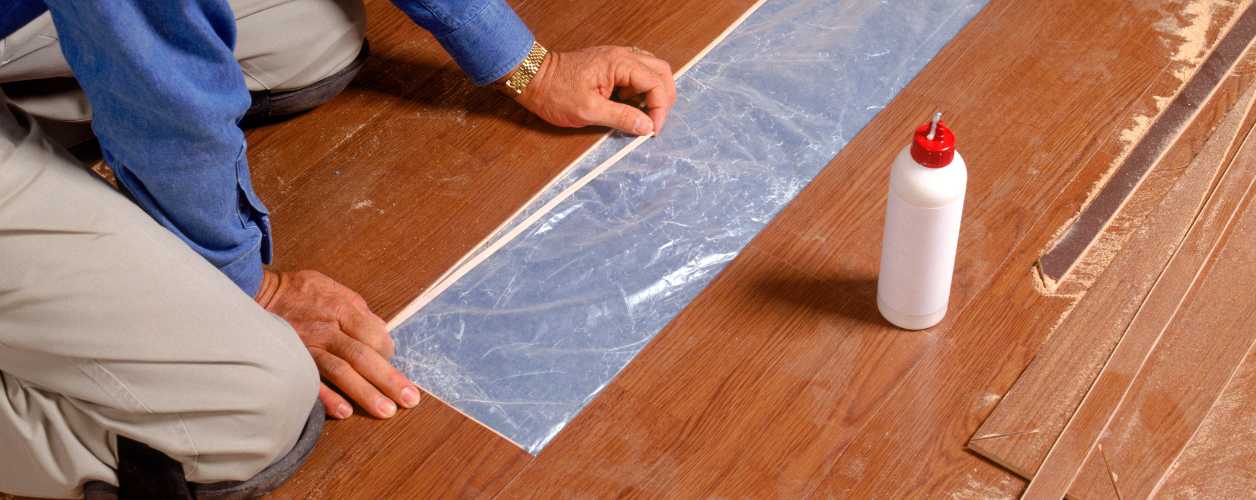
Floor Repair Experts – Restore Stability, Safety & Style
Floor repair is the process of diagnosing and fixing damage to any type of flooring surface or the structural layers beneath it. Rather than replacing an entire floor, skilled technicians isolate the problem area and restore it to match the surrounding material. This covers everything from a single cracked tile in a kitchen to widespread water damage in a basement, from sagging floorboards in a century home to a gouged epoxy coating in a commercial garage. The goal is always the same: a safe, stable, level surface that looks like the damage never happened.
People search for these services in many different scenarios. You might drop a heavy tool and chip a tile, or notice your hardwood has developed an annoying squeak. A tenant moves out and leaves deep scratches across a laminate floor in a rental property. A dishwasher leak goes undetected for weeks, swelling the boards underneath. In commercial settings, heavy equipment or constant foot traffic can degrade flooring to the point where it becomes a safety hazard. In all these situations, a floor repair expert brings the materials, tools, and know-how to fix the specific issue correctly the first time.
Why not just handle it yourself? The reality is that each flooring type behaves differently. Hardwood, engineered wood, laminate, tile, vinyl, concrete, and carpet all require distinct repair techniques and products. Using the wrong filler, adhesive, or sanding grit can make the problem more obvious or lead to premature failure. Professionals can also spot what you might miss—like early-stage mould beneath a water-damaged area, or a subfloor deflection that will crack your new tile within months. Their work is about correcting the root cause, not just hiding the visible damage.
The Range of Services Floor Repair Experts Provide
Flooring contractors offer specialized repair solutions depending on the material, the location, and the extent of the damage. Understanding what's available helps you ask for exactly what you need. Here are the core services you'll find:
- Hardwood Floor Scratch and Dent Repair: Filling, colour-matching, and refinishing isolated damaged planks without sanding the entire room.
- Cracked or Chipped Tile Replacement: Removing a single damaged ceramic or porcelain tile, preparing the substrate, setting a new tile, and matching the grout perfectly.
- Water-Damaged Floor Restoration: Assessing the moisture source, replacing cupped or warped boards, and treating any mould growth beneath the surface layer.
- Squeaky Floor Repair: Securing loose subfloor panels to joists using specialized screws, bridging, or adhesive injection to eliminate friction noise.
- Floor Leveling and Subfloor Reinforcement: Correcting dips and humps using self-leveling compound or by sistering new joists alongside compromised ones.
- Laminate and Vinyl Plank Replacement: Disassembling and reinstalling floating floor sections to swap out heavily scratched, gouged, or water-swollen planks.
- Parquet Floor Restoration: Re-adhering loosened parquet blocks, replacing those beyond repair, and refinishing the patterned surface.
- Concrete Floor Crack and Spall Repair: Routing and filling structural or shrinkage cracks, and resurfacing pitted areas in basement or garage slabs.
- Epoxy and Coating Repair: Grinding away delaminated sections, patching chips, and recoating to restore seamless, chemical-resistant surfaces in commercial and residential spaces.
- Carpet Repair and Stretching: Removing burns, stains, or pet damage by patching in donor carpet, and stretching out wrinkles to prevent tripping.
- Engineered Wood Floor Repair: Replacing the thin veneer surface on damaged engineered boards or swapping out entire planks where the core is compromised.
- Commercial Warehouse Floor Joint and Crack Filling: Installing semi-rigid fillers into control joints and cracks to withstand forklift traffic and thermal movement.
- Floorboard and Subfloor Section Replacement: Cutting out and replacing rotten sections of plywood or OSB subfloor, and installing new tongue-and-groove boards above.
- Transition and Trim Repair: Fixing loose, broken, or improperly installed reducer strips, T-mouldings, and baseboards around repaired areas.
Your Future Floor Repair Hero Is Just One Task Away — Let’s Find Them
Is It Time to Call Someone? Recognizing the Warning Signs
Floors don't fail overnight without reason. The signals are often subtle at first, then become impossible to ignore. Recognizing them early can be the difference between a simple, affordable repair and a costly, invasive restoration.
You'll want to act when you notice visible cracking or chipping in tile, concrete, or stone floors, especially if the damage is spreading. Cupping, crowning, or buckling in hardwood or laminate points directly to moisture issues that require immediate investigation. A persistent musty smell near the baseboards often means hidden water damage underneath the floor covering. Squeaks, creaks, or hollow sounds when you walk across a room indicate that the floor covering is no longer properly attached to the subfloor, or the subfloor itself is moving against the joists.
Safety is another major trigger. Spongy or bouncy spots suggest structural weakening that could lead to a collapse under heavy furniture or foot traffic. Protruding nail heads or jagged tile edges are a direct laceration risk for bare feet. In commercial spaces, uneven surfaces and wide cracks are trip hazards that can result in liability claims. Compliance is also a factor—insurance inspectors or lease agreements may demand certain flooring repairs to maintain coverage or building standards. If you're preparing to sell a home, even cosmetic issues like deep scratches, gouges, or fading can lower perceived property value and become a sticking point during a buyer's inspection. Addressing these signs promptly prevents secondary damage, protects occupants, and preserves your property investment.
How the Repair Process Typically Unfolds
Knowing what to expect from the moment you reach out removes anxiety and helps you prepare. While each job is unique, a professional floor repair follows a logical path from assessment to completion.
It starts with your initial inquiry and a preliminary discussion. You'll describe what you're seeing and share photos if possible. The contractor will determine if a site visit is necessary. For clearly defined minor repairs, they might provide a rough estimate by phone, but most will want to inspect the damage in person before committing to a price.
The on-site inspection is critical. A technician will examine the damaged area, take moisture readings, check for subfloor movement, and assess how far the problem extends beyond what's visible. They'll discuss repair options with you—explaining what can be salvaged and what needs replacement. After this, you receive a formal, written quote detailing the scope, materials, timeline, and total cost. Once approved, you schedule the work. The service team arrives on the scheduled day with materials pre-acclimated if needed. They contain the work area with dust barriers, carefully remove damaged material, prepare the substrate, and execute the repair. This might involve patching, filling, installing new flooring, applying adhesives, or refinishing. After curing time has passed, they clean up all debris, apply any final sealant or topcoat, and walk you through the completed work to confirm your satisfaction. Many will also give you maintenance advice to extend the repair's life. A brief follow-up a few days later to check on things is a sign of a contractor who stands behind their work.
What Affects the Cost of Floor Repair
Floor repair pricing is not one-size-fits-all. In Canada, you can expect costs to range broadly from $150 to $600+ for a straightforward, localized fix, while more extensive structural or water damage repairs commonly run $1,000 to $4,500+ depending on scale. Several key factors determine where your project lands within that spectrum.
| Repair Type | Typical Cost Range (CAD) | What It Usually Includes |
|---|---|---|
| Isolated hardwood scratch/dent repair | $150 – $500 | Filling, colour-matching, spot refinishing |
| Single cracked tile replacement | $200 – $450 | Tile removal, substrate prep, new tile, grout |
| Squeaky floor repair (accessible joists) | $300 – $800 | Screwing subfloor, bridging, adhesive injection |
| Concrete crack injection (per crack) | $400 – $900 | Routing, epoxy/polyurethane injection, surface seal |
| Laminate/vinyl plank replacement (small area) | $250 – $700 | Disassembly, new planks, reassembly, trim |
| Water damage repair (hardwood section) | $800 – $3,000 | Moisture assessment, board removal, drying, replacement, refinishing |
| Floor leveling (per room) | $1,000 – $3,500 | Self-leveling compound or joist sistering, subfloor prep |
| Full garage epoxy floor patch and recoat | $1,200 – $4,500 | Grinding, patching, priming, base coat, topcoat |
The primary cost drivers are material type and availability—matching rare or discontinued flooring adds expense. Accessibility matters; a clear, open floor costs less to work on than one hidden under heavy furniture or built-in cabinetry. The root cause of the damage is a huge factor: simply replacing a broken tile is straightforward, but if that tile cracked because the subfloor is flexing, you must fix the subfloor first, which significantly increases labour and material scope. Urgency also plays a role; emergency water extraction and repair commands a premium. Finally, expertise and finish quality influence price. A craftsman who seamlessly blends a repair so it's completely invisible may charge a higher rate, but the result protects your property's appearance and value far better than an obvious patch.
Your Future Floor Repair Hero Is Just One Task Away — Let’s Find Them
Why Professional Repair Outperforms a DIY Attempt
The immediate appeal of fixing your own floor is cost savings, but the hidden risks often create more expense and frustration in the long run. Hiring a professional is an investment in getting the outcome right.
First, there's the simple matter of accurate diagnosis. A cracked tile might be the result of a heavy impact, or it could signal a sinking foundation. A professional knows how to tell the difference. They bring specialized tools—moisture meters, injection systems, industrial sanders and buffers—that are too expensive for a homeowner to purchase for a single job. This translates directly into quality. An expert can match finishes and materials to an almost invisible standard, whereas DIY patches often stand out as obvious, distracting fixes. There's also the significant consideration of safety and structural integrity. Working with water-damaged materials can expose you to mould, and improperly reinforced subfloors remain a fall hazard. A professional carries liability insurance and workmanship warranties, so if something does go wrong later, you have recourse. Finally, the speed and efficiency gained from years of experience mean minimal disruption to your home or business, and no painful trial-and-error that stretches a weekend project into a weeks-long ordeal. The genuine long-term savings come from a repair that lasts and prevents the problem from recurring.
How to Compare and Select the Right Contractor
Experience and Qualifications
Look for a clear history of handling your specific flooring material and repair type. Ask direct questions: "How many floors with this exact issue have you repaired in the past year?" While formal licensing requirements vary, a legitimate business will have relevant credentials, manufacturer training certifications, and a proven track record. Be wary of generalists who claim to do everything; floor repair is a distinct skill from full-scale installation or remodelling.
Availability and Communication
A contractor's responsiveness to your first inquiry is telling. Do they answer calls, return messages promptly, and show up on time for the estimate? During your initial conversations, are they listening to your concerns and explaining things clearly, or are they rushing to give a price? Good communication before you hire them is the best predictor of a smooth process once the work begins. Clarify their current workload and how they handle scheduling to avoid your small repair being delayed indefinitely for bigger projects.
Equipment and Technology Used
Ask what they'll use on your job. A shop vacuum and a putty knife are not sufficient for a seamless hardwood repair. Dustless sanding systems, professional-grade moisture meters, the right type of crack-filling epoxy for your concrete's specific movement, and colour-matching putties matter enormously. A contractor who invests in modern equipment is serious about their craft and protecting your home's air quality during the work.
Reviews and Previous Work
Go beyond the star rating. Read reviews specifically mentioning the type of repair you need. Search for photos of past work on their website or social media—ideally "before and after" shots that show real results. Pay attention to how the business responds to any negative feedback. A professional, problem-solving reply says a lot about their integrity.
Pricing Transparency
A trustworthy contractor provides a detailed, written quote that breaks down labour, materials, and any disposal or travel fees. Beware of lump-sum numbers without explanation, or a price that seems significantly lower than other quotes. Extremely low bids often signal the use of sub-par materials, an inexperienced worker who will take much longer, or a plan to hit you with "unforeseen costs" once the floor is opened up.
Insurance or Service Guarantees
Never hire someone who cannot show proof of liability insurance. This protects you if your property is damaged during the repair. Also, ask specifically about their guarantee on workmanship. A confident specialist will typically warrant their repair for a defined period, covering issues like adhesive failure, filler falling out, or colour mismatches that appear after the job is done. Get this in writing.
Tricky Situations and How to Avoid Them
Even with careful planning, challenges can arise. Being aware of the most common ones puts you in a better position to prevent them.
A frequent frustration is the colour-match that isn't. A repaired area can look perfect in low light but stick out like a sore thumb in natural daylight. Always ask to see a test patch dried completely under the primary lighting conditions of the room before final approval. Another issue is uncovering hidden damage mid-project. Once a section of flooring is pulled up, the contractor might find rotted subfloor or evidence of an old pest infestation that wasn't visible during inspection. You can't prevent this discovery, but you can prepare for it by discussing how a professional handles "change orders" upfront—they should stop work immediately, show you the problem, and provide a clear price for the additional scope before proceeding.
Rushed curing times are a major cause of repair failure. If a contractor lays a new tile and grouts it an hour later because they want to finish and leave, the grout can crack, or the tile may not bond fully. Ask about realistic timelines and don't pressure them to cut corners on drying. Dust contamination is another common pain point, especially with concrete grinding or hardwood sanding. Confirm in advance that they will use dust extraction systems and properly seal the work area. Finally, watch for the "patch-only" mindset where a contractor happily fills a crack but ignores the underlying reason it formed. A good technician will explain the root cause and recommend a permanent solution, even if it costs a bit more, rather than letting you pay for a temporary cosmetic cover-up that will fail again in six months.
Cost Guide
Related Categories for Flooring
Find Floor Repair in States
- Floor Repair in Alberta
- Floor Repair in British Columbia
- Floor Repair in Manitoba
- Floor Repair in New Brunswick
- Floor Repair in Newfoundland and Labrador
- Floor Repair in Northwest Territories
- Floor Repair in Nova Scotia
- Floor Repair in Nunavut
- Floor Repair in Ontario
- Floor Repair in Prince Edward Island
- Floor Repair in Quebec
- Floor Repair in Saskatchewan
- Floor Repair in Yukon
Answers to Your Common Questions
Floor repair experts work on a wide range of materials, including hardwood, laminate, vinyl, tile, engineered wood, and concrete. Common issues they fix include scratches, chips, water damage, loose boards, and uneven surfaces.
Floor repair costs vary based on the material and extent of damage:
- Hardwood repairs: $200–$1,000+
- Laminate or vinyl repairs: $100–$500
- Tile replacement: $150–$800
Prices depend on labour, materials, and whether full board/tile replacement or refinishing is needed.
Yes—many flooring issues can be repaired without full replacement. Sanding and refinishing hardwood, replacing a few damaged tiles or planks, or patching sections of vinyl or laminate can restore both function and appearance at a lower cost.
Most minor repairs can be completed in a few hours to one day. More extensive work, such as refinishing large hardwood areas or replacing subfloors, may take 2–3 days, especially if drying time is needed.