
Find Concrete Flooring in Your Area
- Concrete Flooring in Edmonton
- Concrete Flooring in Victoria
- Concrete Flooring in Winnipeg
- Concrete Flooring in Fredericton
- Concrete Flooring in St. John's
- Concrete Flooring in Yellowknife
- Concrete Flooring in Halifax
- Concrete Flooring in Iqaluit
- Concrete Flooring in Toronto
- Concrete Flooring in Charlottetown
- Concrete Flooring in Quebec
- Concrete Flooring in Regina
- Concrete Flooring in Whitehorse
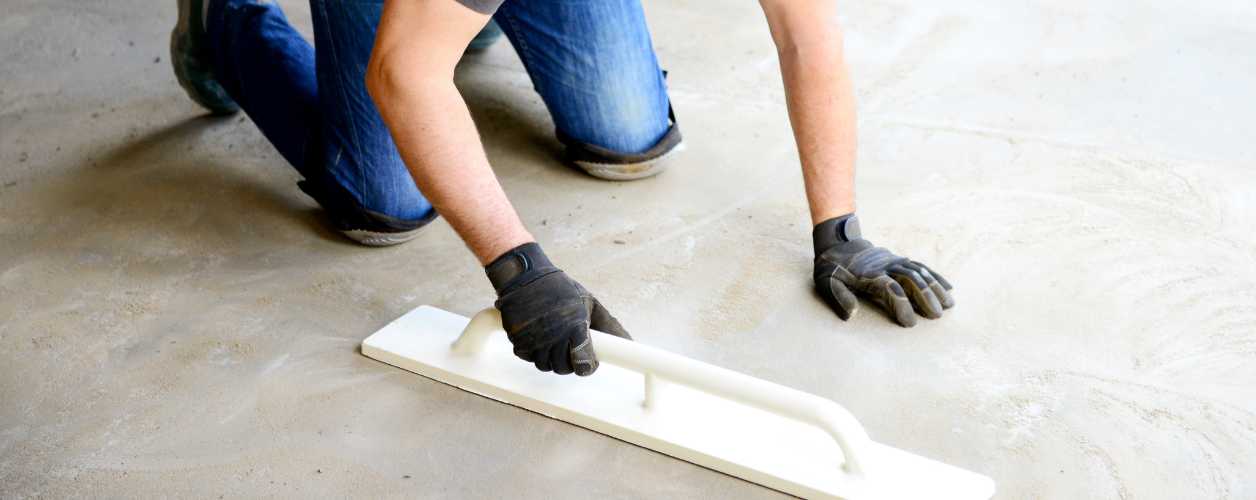
Concrete Flooring Experts – Durable, Stylish, and Low Maintenance Flooring Solutions
Concrete floors have evolved far beyond basic gray slabs. Today, they are a highly sought-after design element for both residential and commercial spaces, offering unmatched durability and sleek aesthetics. Whether you are upgrading a dusty garage, transforming a basement into a livable space, or aiming for a modern industrial look in your living room, specialized flooring professionals can bring your vision to life. Working with these materials requires a deep understanding of structural integrity, surface preparation, and chemical treatments. Hiring experienced contractors ensures that the final product is not just visually appealing, but also structurally sound, level, and properly sealed against daily wear and tear. When you connect with a specialist, you can expect a comprehensive assessment of your current subfloor, a discussion of design options ranging from high-gloss epoxy to subtle stains, and a clear roadmap of the installation or refinishing process.
Your Future Concrete Flooring Hero Is Just One Task Away — Let’s Find Them
Exploring Options and the Installation Process
The world of concrete flooring encompasses a wide variety of specialized treatments and finishes. Understanding what these professionals do will help you narrow down exactly what your project requires to achieve the perfect look and functionality.
Common Services and Finishes
- Concrete Polishing: Mechanically grinding the surface to a high-gloss, smooth finish that rarely requires waxing.
- Epoxy Coatings: Applying a durable resin over the slab, ideal for high-traffic areas like garages or showrooms.
- Staining and Dyeing: Using acid or water-based solutions to permanently change the color of the slab, creating rich, varied tones.
- Resurfacing and Overlays: Pouring a thin cementitious layer over an existing floor to hide imperfections and create a blank canvas.
How the Process Works
The success of any flooring project comes down to rigorous surface preparation. This critical step involves grinding down the existing concrete, repairing structural cracks, and thoroughly cleaning the area. Once prepared, the actual treatment takes place. Depending on your choice, this might involve pouring a self-leveling overlay, rolling on an epoxy resin, or chemically staining the surface. The final step is curing and applying a protective topcoat or sealer.
Key Factors to Consider
Before moving forward, think deeply about how the space will be used. A workshop floor needs chemical resistance and slip resistance, making epoxy or polyaspartic coatings ideal. Conversely, an indoor living space might prioritize warmth, color, and a high-end polished finish that integrates seamlessly with your interior design.
What Affects Pricing and Timelines
The cost and duration of your project are heavily influenced by the square footage and the current condition of the existing floor. If heavy grinding, glue removal, or extensive crack repair is needed before the decorative work can begin, both time and cost will increase. Additionally, complex finishes like metallic epoxies or intricate saw-cut patterns take longer to execute and require highly specialized materials.
Common Challenges
Moisture is the biggest enemy of a successful flooring installation. If hydrostatic pressure pushes moisture vapor up through the slab, it can cause impermeable coatings to bubble, peel, or delaminate. Uneven subfloors, stubborn adhesives from old flooring, and deep structural cracks are also common hurdles that professionals must expertly address before any finish is applied.
Your Future Concrete Flooring Hero Is Just One Task Away — Let’s Find Them
How to Hire and Prepare for Your Project
Finding the right contractor means looking beyond the lowest bid. Quality concrete work requires precision, specialized equipment, and patience. Partnering with a meticulous professional will ensure your investment lasts for decades.
Identifying Quality Professionals
Look for contractors who emphasize surface preparation in their initial pitch. A dependable professional will always want to inspect the site in person before giving a final quote to check for cracks, slopes, and overall condition. They should also be able to provide a robust portfolio of past projects that closely resemble the finish you are looking for, demonstrating their specific expertise.
Mistakes Customers Should Avoid
The most common mistake is rushing the process. Concrete and its associated chemical coatings need proper time to cure. Walking on the floor, introducing water, or moving heavy furniture too early can permanently ruin the finish. Additionally, never allow a contractor to skip moisture testing. Applying a tight coating over a damp slab is a guaranteed way to waste your money, as the floor will inevitably fail.
Helpful Preparation Tips
Before the crew arrives, clear the area entirely. Remove all furniture, storage boxes, shelving, and vehicles. Concrete grinding generates a significant amount of fine dust, so discuss dust mitigation with your contractor. You will likely need to seal off adjacent rooms, turn off HVAC systems temporarily to prevent dust circulation, and cover sensitive items like electronics.
Questions to Ask Before Booking
- How do you handle surface preparation, and what equipment do you use?
- Do you perform formal moisture testing before applying sealers or epoxy?
- What is the exact curing timeline before the floor can handle foot traffic and heavy items?
- How should I clean and maintain this specific finish to maximize its lifespan?
- Are there any strong odors or fumes I should prepare for during the application?
Best Practices During the Service
During the project, expect significant noise from heavy grinding equipment and potentially strong odors from chemical sealers or epoxies. It is best to keep pets, children, and yourself away from the immediate work area. Maintain clear communication with your contractor regarding the daily schedule, and strictly follow their timeline for when you can safely resume using the space.
Cost Guide
Related Categories for Flooring
Find Concrete Flooring in States
- Concrete Flooring in Alberta
- Concrete Flooring in British Columbia
- Concrete Flooring in Manitoba
- Concrete Flooring in New Brunswick
- Concrete Flooring in Newfoundland and Labrador
- Concrete Flooring in Northwest Territories
- Concrete Flooring in Nova Scotia
- Concrete Flooring in Nunavut
- Concrete Flooring in Ontario
- Concrete Flooring in Prince Edward Island
- Concrete Flooring in Quebec
- Concrete Flooring in Saskatchewan
- Concrete Flooring in Yukon
Answers to Your Common Questions
Concrete floors are incredibly durable, low-maintenance, moisture-resistant, and versatile in design. They can be polished, stained, stamped, or sealed to suit modern, industrial, or rustic styles—ideal for basements, garages, kitchens, and retail spaces.
Basic concrete flooring costs around $3 to $8 per square foot for polishing or sealing, while decorative finishes like staining, stamping, or epoxy coatings can range from $8 to $15+ per square foot, depending on design complexity and surface condition.
Yes. Professionals can resurface, grind, polish, stain, or epoxy-coat existing concrete floors to give them a fresh new look without full replacement—provided the slab is structurally sound and free from major cracks.
A basic install or polish can take 2 to 5 days, depending on prep work, curing times, and the size of the area. Decorative or epoxy finishes may require additional drying or setting time before the surface is ready for use.