
Find Carpet Installation in Your Area
- Carpet Installation in Edmonton
- Carpet Installation in Victoria
- Carpet Installation in Winnipeg
- Carpet Installation in Fredericton
- Carpet Installation in St. John's
- Carpet Installation in Yellowknife
- Carpet Installation in Halifax
- Carpet Installation in Iqaluit
- Carpet Installation in Toronto
- Carpet Installation in Charlottetown
- Carpet Installation in Quebec
- Carpet Installation in Regina
- Carpet Installation in Whitehorse
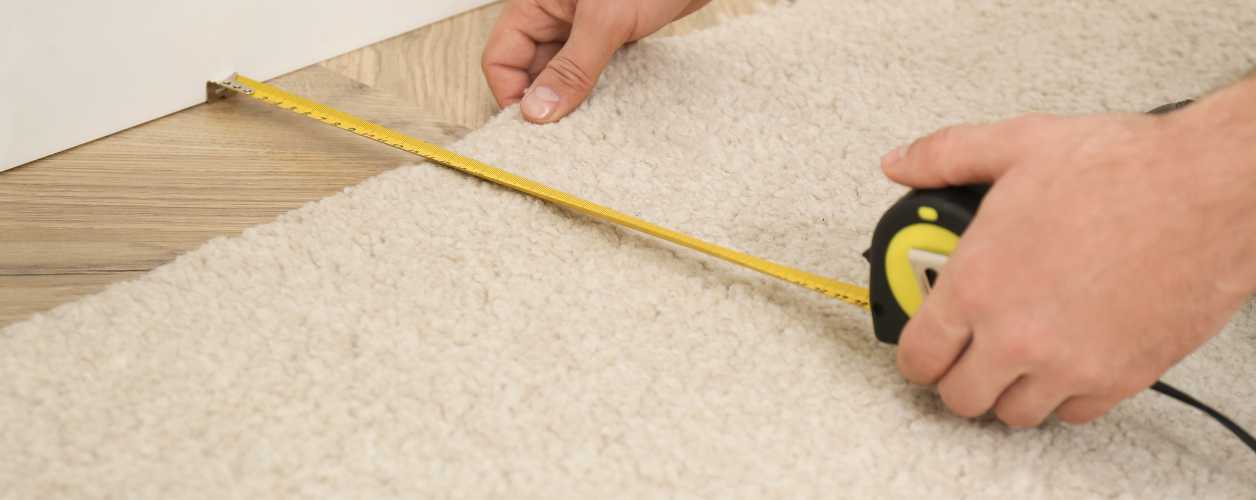
Carpet Installation Experts For Comfort, Style & Warmth Underfoot
New flooring transforms a room, but carpet is unique in how it feels, insulates, and absorbs sound. Professional carpet installation involves more than unrolling material and trimming edges. It requires precise measurement, subfloor preparation, correct stretching techniques, and expert seaming to create a flawless, long-lasting surface. When done properly, wall-to-wall carpeting becomes a seamless part of the architecture, with no visible gaps, ripples, or loose edges.
People seek professional carpet installers during many life moments. A family might want plush, soft flooring for a nursery before a baby arrives. A new homeowner may need to replace outdated, stained carpeting before moving in. A business relocating to a new office space requires durable, high-traffic flooring installed efficiently to minimize downtime. Sometimes the need is urgent — a basement flood ruins existing carpet, and rapid replacement is necessary to prevent mold and restore the living area. In every case, skilled professionals deliver results that simply cannot be replicated with a DIY attempt.
The importance of hiring true carpet installation experts becomes clear when you consider what goes wrong without them. Visible seams, buckling that creates trip hazards, premature wear along edges, and voided manufacturer warranties are all common outcomes of improper installation. Professional flooring contractors bring the specialized power stretchers, seam irons, and knowledge of carpet backing types that make the difference between flooring that lasts five years and flooring that looks beautiful for fifteen or more.
Types of Carpet Installation Services
Experienced professionals offer a range of services tailored to different settings, materials, and challenges. Understanding these variations helps you find a contractor whose expertise matches your specific project.
- Residential Carpet Installation: Complete fitting of wall-to-wall carpet in homes, including bedrooms, living rooms, and hallways, with attention to comfort and aesthetics.
- Commercial Carpet Flooring Contractors: Installation of durable, high-density carpet tiles or broadloom in offices, retail spaces, and hospitality settings, often working after hours to avoid business disruption.
- Stair Carpet Installation: Precision fitting on staircases, which requires specialized techniques to wrap each tread and riser tightly and securely for safety and appearance.
- Carpet Tile Installation: Modular carpet squares installed with adhesives or interlocking systems, popular in commercial environments for easy replacement of worn sections.
- Custom Cut and Patterned Carpet Fitting: Matching complex patterns at seams and creating custom area rugs or designer installations that require meticulous alignment.
- Luxury Carpet Fitting: Working with high-end materials such as wool, sisal, or thick plush piles that demand gentle handling and expert knowledge of backing systems.
- Underlay and Carpet Installation: Selection and installation of appropriate padding beneath the carpet, which dramatically affects comfort, insulation, and lifespan.
- Carpet Replacement and Removal: Safe extraction of old carpet and padding, disposal according to local regulations, and preparation of the subfloor for new material.
- Floor Preparation Services: Leveling, cleaning, and repairing concrete or wood subfloors, plus moisture testing to ensure a stable foundation for new carpet.
- Carpet Stretching and Repair: Removing wrinkles and ripples from existing carpet using power stretchers, plus patching damaged areas or fixing loose seams.
- Seam Repair and Binding: Reattaching separated seams and binding cut edges of carpet remnants to create finished area rugs or runners.
- Eco-Friendly Carpet Flooring Solutions: Installation of sustainable materials like recycled-content carpet tiles or natural fiber carpets with low-VOC adhesives.
- Apartment and Condo Carpet Installation: Working within building regulations, coordinating with management, and managing noise and material transport in multi-unit dwellings.
Your Future Carpet Installation Hero Is Just One Task Away — Let’s Find Them
Signs You Need Professional Carpet Replacement or Installation
Carpet doesn't last forever, and delaying replacement can affect more than just appearances. Here are clear indicators that it's time to contact a professional.
Persistent Odors That Won't Fade: When deep cleaning fails to remove smells, contaminants have likely penetrated the padding and subfloor. This is common after pet accidents or water damage and signals that surface cleaning is no longer enough.
Visible Rippling or Buckling: Waves in carpet are not just unsightly — they're tripping hazards. This usually means the carpet has stretched over time or was never power-stretched during initial installation. Professional carpet stretching and fitting can sometimes resolve this, but severe cases require replacement.
Stains That Keep Returning: Stains that reappear after cleaning indicate soiling trapped in the backing or padding, wicking upward as the carpet dries. Replacement of affected areas or the entire room becomes the only permanent solution.
Worn or Bare Patches: High-traffic areas like hallways and stairs eventually wear down, losing fibers and exposing backing material. This creates both a safety risk from uneven surfaces and an unattractive appearance that affects the whole room.
Allergy Symptoms Worsening Indoors: Old carpet harbors dust mites, pollen, mold spores, and other allergens that vacuuming cannot fully extract. New carpet with modern hypoallergenic padding can significantly improve indoor air quality.
Upcoming Home Sale or Rental: Worn, dated, or stained carpet dramatically reduces a property's perceived value. Professional installation of neutral, fresh carpet is one of the highest-return investments before listing a property.
What to Expect During the Installation Process
Knowing the typical workflow reduces stress and helps you prepare properly. While every project differs slightly, professional carpet installers follow a consistent, structured process.
Initial Assessment and Measurement: The process begins with an in-home or on-site visit. The professional measures each room precisely using laser tools, notes doorways, closets, and transitions, inspects the subfloor condition, and discusses your needs — including traffic levels, lifestyle factors like children or pets, and aesthetic preferences. You'll receive a detailed quotation based on these measurements.
Material Selection and Ordering: Once you approve the quote, your chosen carpet, padding, and any transition strips or adhesives are ordered. The installer calculates exact square footage plus waste allowance for pattern matching, and materials are scheduled for delivery before installation day.
Furniture Moving and Room Preparation: Discuss with your installer who handles furniture moving — some include this, others require rooms to be cleared beforehand. Valuable items should always be moved by you. Doors that swing into carpeted rooms often need removal, which professionals handle.
Subfloor Preparation: Old carpet and padding are removed, and the subfloor is thoroughly cleaned. The crew checks for squeaks, loose boards, or cracks, making repairs as needed. A moisture test ensures the concrete slab or wood substrate won't damage the new flooring over time.
Installation Day Execution: Padding is installed first, seams taped to prevent shifting. Carpet is cut to room dimensions with allowances for trimming, positioned, and then power-stretched onto tack strips around the perimeter. Seams between pieces are joined with specialized heated irons and seam tape. For patterned carpet, installers take extra time matching designs perfectly at every seam.
Trimming and Finishing: Excess carpet is trimmed precisely along walls and transitions. Edges are tucked securely into the gap between tack strip and wall, and transition strips are installed at doorways to other flooring types. Vents are cut out, and any floor registers are reinstalled.
Final Inspection and Cleanup: The crew vacuums the entire installation area, removes all scraps and packaging, and walks through the finished project with you. This is your opportunity to ask questions about seams, transitions, or care. Reputable companies leave your space as clean as they found it, with nothing but new carpet remaining.
Pricing Factors for Carpet Installation
Cost varies widely based on several interconnected factors. Understanding these helps you budget realistically and compare quotes accurately.
Most professional carpet installation services charge between $2 and $8 per square foot for labor, with an additional $1 to $7 per square foot for carpet material and $0.50 to $1.50 per square foot for underlay. A typical 200-square-foot bedroom might range from $700 to $3,300 total, while a 1,000-square-foot main floor could run $3,500 to $16,500 depending on material choices. Staircases often carry a premium due to complexity, typically $40 to $120 per stair including materials and labor.
| Factor | How It Affects Cost |
|---|---|
| Carpet Material and Quality | Basic polyester is most affordable; nylon offers durability at mid-range prices; wool and premium fibers cost significantly more but last longer. |
| Padding Selection | Thicker, denser padding improves comfort and extends carpet life but adds to material costs. Specialty pads for moisture-prone areas cost more. |
| Room Complexity | Square rooms with minimal cuts are cheapest. Stairs, curved walls, closets, and irregular layouts increase labor time and waste, raising total cost. |
| Pattern Matching | Patterned carpet requires more material waste (up to 15% instead of 5%) and significantly more time to align seams perfectly, increasing both labor and material costs. |
| Subfloor Condition | Leveling uneven floors, repairing damaged subfloor, or removing stubborn old adhesive adds labor hours and materials to the project. |
| Old Flooring Removal | Removing and disposing of existing carpet and padding typically adds $0.50 to $1.50 per square foot. Some companies include this, others charge separately. |
| Project Size and Accessibility | Larger jobs often have lower per-square-foot costs. Difficult access — stairs, elevators, or remote properties — can increase labor time and transportation charges. |
Your Future Carpet Installation Hero Is Just One Task Away — Let’s Find Them
Why Professional Installation Matters
The gap between a professional result and a DIY or handyman job is substantial. Carpet installation demands specialized knowledge and equipment that most people simply don't possess.
Warranty Protection: Most carpet manufacturers require professional installation by licensed carpet installation contractors to honor their warranties. A DIY installation that goes wrong voids any claim you might have for manufacturing defects or premature wear.
Correct Stretching Technique: Power stretchers apply consistent, measured tension across the entire room. Without this tool, installers must rely on knee-kickers, which cannot achieve proper tension. The result is carpet that buckles within months and wears unevenly.
Invisible Seams: Joining two pieces of carpet is a precise art. Professionals use specialized seam tape and irons at exact temperatures for the specific carpet backing type. Mistakes here produce visible lines or seams that separate over time.
Proper Subfloor Preparation: Professionals spot issues you might miss — a squeaky floorboard, a slight moisture problem, a low spot that needs leveling. Addressing these before carpet goes down prevents costly problems later.
Efficiency and Cleanup: A trained crew installs an entire home in one or two days, handling all the heavy lifting, cutting, and disposal. The physical toll and time commitment of a DIY carpet project is dramatically underestimated by most homeowners.
Long-Term Cost Effectiveness: Professional installation may cost more upfront than renting a knee-kicker and watching online tutorials, but correctly installed carpet lasts years longer and maintains its appearance throughout that extended lifespan.
How to Compare Service Providers
Experience and Qualifications
Ask how many years the company has specialized specifically in carpet installation — not general contracting or other flooring types. Inquire about manufacturer certifications, which indicate training on specific product lines and installation requirements. Experienced professionals readily discuss their expertise with different carpet types, from berber to plush to patterned wool.
Availability and Communication
Note how quickly they respond to your initial inquiry and how clearly they explain their process. Reliable installers provide realistic timelines, communicate any scheduling changes promptly, and are reachable by phone. If communication is difficult before you've hired them, it likely won't improve during the project.
Equipment and Technology Used
Confirm they use power stretchers, not just knee-kickers, for wall-to-wall installations. For commercial carpet flooring contractors, ask about the specific adhesives and installation methods used for carpet tiles. Proper equipment indicates investment in quality outcomes.
Reviews and Previous Work
Look beyond star ratings to read detailed reviews mentioning similar projects. Photos of completed work, particularly stairs and patterned installations, reveal attention to detail. Don't hesitate to ask for references from recent customers with comparable scope.
Pricing Transparency
Professionals provide detailed, written quotes that break down labor, materials, padding, removal, and any additional charges. They explain what's included and what might trigger additional costs. Beware of quotes that seem unusually low — they often exclude necessary steps like floor leveling or proper disposal.
Insurance and Service Guarantees
Verify that the company carries liability insurance and workers' compensation coverage. Ask about their workmanship guarantee — reputable carpet installation experts typically stand behind their labor for at least one year and will address any installation-related issues that emerge.
Common Challenges and How to Avoid Them
Even with professional help, certain pitfalls can affect your project. Awareness helps you steer clear.
Inaccurate Measurements: Some contractors estimate rather than measure precisely, leading to material shortages mid-project or excess waste that inflates your bill. Insist on a detailed, on-site measurement before accepting a quote, and ask about the waste factor they've included for pattern matching if applicable.
Hidden Subfloor Problems: Installers who skip thorough subfloor inspection may discover rot, moisture, or unevenness only after old flooring is removed. This causes project delays and unexpected costs. Ask upfront about their subfloor assessment process and how they handle unforeseen issues.
Poor Seam Placement: Seams in high-visibility areas or running perpendicular to natural light sources become obvious and unattractive. Experienced installers discuss seam placement with you before cutting begins, positioning them in low-traffic, less visible locations where possible.
Inadequate Acclimation: Carpet materials, especially wool and natural fibers, need time to adjust to your home's temperature and humidity before installation. Rushed jobs that skip this step can result in expansion or contraction issues after fitting.
Furniture Damage During Moving: Whether you move furniture or the installer does, discuss protection protocols. Floor protection in pathways, furniture pads, and clear communication about fragile items prevent scratches and damage.
Disposal Confusion: Clarify whether the quote includes removal and disposal of old carpet and padding, as well as all installation scraps. Some companies leave the debris pile for you to handle, which comes as an unpleasant surprise if not discussed beforehand.
Cost Guide
Related Categories for Flooring
Find Carpet Installation in States
- Carpet Installation in Alberta
- Carpet Installation in British Columbia
- Carpet Installation in Manitoba
- Carpet Installation in New Brunswick
- Carpet Installation in Newfoundland and Labrador
- Carpet Installation in Northwest Territories
- Carpet Installation in Nova Scotia
- Carpet Installation in Nunavut
- Carpet Installation in Ontario
- Carpet Installation in Prince Edward Island
- Carpet Installation in Quebec
- Carpet Installation in Saskatchewan
- Carpet Installation in Yukon
Answers to Your Common Questions
Carpet installation typically includes removing old carpet (if needed), preparing the subfloor, laying down carpet padding, installing the new carpet, and trimming and securing edges. Installers will also help move light furniture if arranged in advance.
The total cost usually ranges from $2 to $6 per square foot, including materials and labour. Installation alone generally costs $0.50 to $1.50 per square foot. A 200 sq. ft. room may cost $400–$1,200, depending on carpet type and prep work.
Before installation, clear the room of furniture, valuables, and electronics. Ensure the subfloor is accessible and clean. Some installers may assist with heavy furniture, but it's best to ask in advance or make arrangements.
Most standard room installations take 2 to 4 hours, while larger or multi-room projects can take 1 to 2 days. Timelines may vary based on room layout, carpet type, and prep work like subfloor repair or old carpet removal.