
Choose From the Finest Self Storage Units Near You

Trusty Moving
Request a QuoteFind Self Storage Units in Your Area
- Self Storage Units in Edmonton
- Self Storage Units in Victoria
- Self Storage Units in Winnipeg
- Self Storage Units in Fredericton
- Self Storage Units in St. John's
- Self Storage Units in Yellowknife
- Self Storage Units in Halifax
- Self Storage Units in Iqaluit
- Self Storage Units in Toronto
- Self Storage Units in Charlottetown
- Self Storage Units in Quebec
- Self Storage Units in Regina
- Self Storage Units in Whitehorse
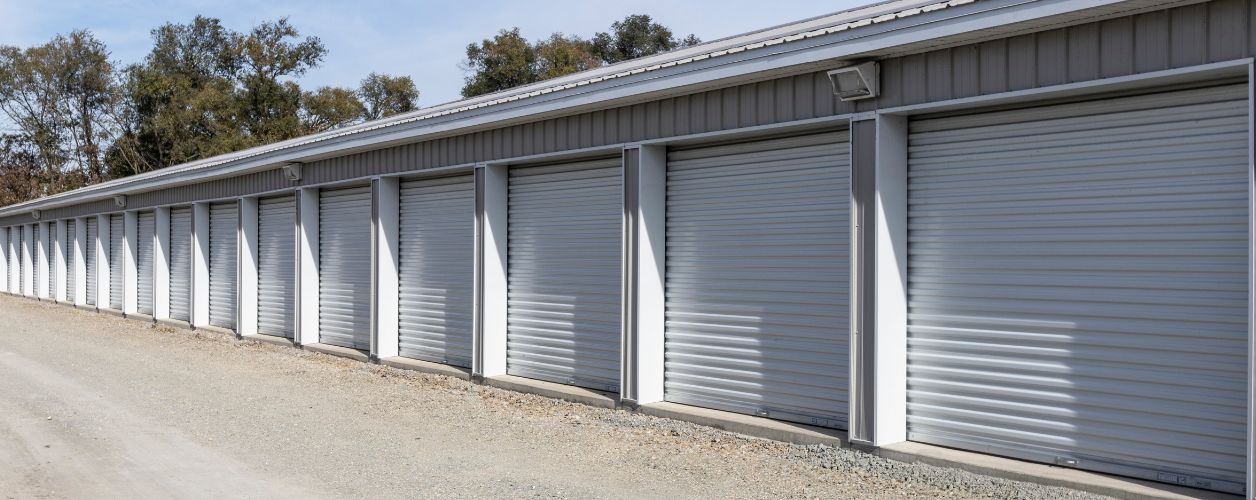
Convenient Self Storage Units Services Near You For Quick Hire
Self storage unit services provide secure, rented spaces where individuals and businesses can store belongings outside their primary living or working premises. These facilities offer a flexible extension of your space, whether you need to keep a few boxes for a month or store the contents of an entire home for years. The core purpose is to bridge the gap between the space you have and the space you need, without committing to a larger mortgage or commercial lease.
People turn to storage solutions for countless reasons. A growing family might need to clear out a spare room before a new baby arrives. A homeowner staging their property for sale often removes personal items and bulky furniture to make rooms appear larger. Business owners frequently use storage units as an inventory hub, keeping seasonal stock accessible without overcrowding a retail floor or home office. Life transitions are a major driver too—downsizing after children leave home, handling a loved one's estate, or temporarily relocating for work all create a sudden demand for safe, off-site space.
Working with a reputable facility is about more than just finding an empty room. Professional storage providers offer structured access, security monitoring, and unit types designed for specific items. Without their infrastructure, you risk moisture damage in a friend's garage, pest issues in a shed, or security gaps in a self-managed space. Professionals ensure your belongings remain in the same condition as when you stored them, giving you peace of mind whether you are storing a mattress for a summer or a classic car for a decade.
Your Future Self Storage Units Hero Is Just One Task Away — Let’s Find Them
Types of Storage Unit Services Professionals Offer
The range of self storage units services available today extends far beyond a basic garage-like room. Facilities now cater to highly specific needs, ensuring you only pay for the features that match what you are storing. Understanding these categories helps you narrow down the right fit quickly.
- Residential Self Storage Solutions: Designed for household items, furniture, clothing, and personal effects during moves, renovations, or decluttering projects.
- Climate Controlled Storage Units: Maintain steady temperature and humidity levels year-round, essential for wood furniture, electronics, artwork, photographs, and musical instruments.
- Commercial Storage Unit Services: Larger spaces for business inventory, equipment, office furniture, and records, often with flexible access for staff and shipping logistics.
- Vehicle Storage Services: Secure indoor or outdoor parking for cars, motorcycles, and specialty vehicles that need protection from weather and theft during off-season months.
- RV and Boat Storage Units: Oversized outdoor or covered bays designed to accommodate recreational vehicles, motorhomes, and boats when not in use.
- Document Storage Solutions: High-security, climate-safe environments for archiving legal files, medical records, and sensitive business paperwork.
- Student Storage Services: Short-term, affordable mini storage unit rentals for students vacating dorms or apartments between academic terms.
- Furniture Storage Services: Specialized handling and space for couches, dining sets, mattresses, and antiques, often paired with moving and storage services.
- Business Inventory Storage Solutions: Flexible warehouse storage services allowing e-commerce sellers and retailers to manage stock without a long-term commercial lease.
- 24 Hour Access Storage Facilities: Extended hours for customers who need to retrieve tools, supplies, or inventory outside standard business times.
- Outdoor Storage Unit Rentals: Drive-up accessible units perfect for construction materials, landscaping equipment, and items requiring frequent loading and unloading.
- Secure Indoor Storage Services: Located inside a controlled building with multiple security layers, ideal for high-value or delicate belongings.
- Storage Locker Rental Services: Compact, personal storage unit rentals sized for boxes, seasonal decorations, and small apartment overflow.
- Temporary Storage Solutions: Month-to-month arrangements for transitional periods like home staging, extended travel, or emergency displacement.
Signs You May Need a Storage Unit
Recognizing the right moment to rent storage prevents stress, property damage, and unnecessary costs. Many people delay the decision until they are tripping over boxes or paying for office space they rarely use. Here are clear indicators that a storage solution could improve your daily life or business operations.
Your home feels cramped despite regular decluttering. If closets are bursting and the garage no longer fits a vehicle, you have outgrown your current square footage. Rather than rushing into a costly move, a residential self storage solution can reclaim your living areas while you decide on next steps. This is especially common when adult children move back home or when combining households.
You are planning a renovation that will displace furniture. Contractors need clear, empty rooms to work efficiently. Stacking dining chairs in the backyard under a tarp invites weather damage, and cramming everything into one bedroom creates dust-covered chaos. Home decluttering storage experts consistently recommend off-site storage during major remodels to protect belongings from drywall dust, paint splatter, and accidental impacts.
Your business is operating out of your dining room. When inventory boxes block hallways or your team lacks a professional meeting space, commercial storage unit services restore your home’s function and your company’s image. Similarly, if you are holding onto seasonal merchandise that only sells for a few months each year, those items should not consume prime retail or office real estate.
What to Expect During the Service Process
Renting a storage unit follows a straightforward path, but knowing the sequence helps you plan packing, transportation, and move-in day efficiently. Most trusted storage facility providers follow a similar framework, although specifics vary by location and unit type.
The journey typically begins with a needs assessment. You will discuss what you are storing, the approximate volume, and how long you expect to need the space. A knowledgeable facility representative should ask about sensitive items like electronics, wood antiques, or documents to determine if climate controlled storage units are necessary. Based on this conversation, they will recommend a unit size and feature set, then provide a general quotation detailing the monthly rate and any administrative fees.
Before signing, you will likely tour the facility and your specific unit. This is your opportunity to check cleanliness, test the door mechanism, and observe security measures such as gate codes and camera placement. Once you finalize the paperwork, you receive an access code or key card and can begin moving in immediately. Most facilities sell or rent packing supplies on-site. After move-in, the relationship continues with monthly billing and a point of contact for questions. When you are ready to vacate, you simply provide notice as outlined in your agreement, clear the unit, and complete a move-out inspection.
Pricing Factors for Storage Unit Rentals
Understanding what drives cost helps you budget realistically and avoid overpaying for features you do not need. Storage unit rental services in Canada typically range from approximately $50 per month for a small locker to over $400 per month for a large, climate-controlled space, though exact figures depend heavily on unit attributes and location.
| Unit Size | Typical Use | Estimated Monthly Cost (CAD) |
|---|---|---|
| Small (5'x5') | Boxes, small furniture, seasonal items | $50 – $100 |
| Medium (10'x10') | One-bedroom apartment contents | $150 – $250 |
| Large (10'x20') | Full house contents, vehicle storage | $250 – $400 |
| Extra Large (10'x30') | Business inventory, large vehicles | $350 – $500+ |
Climate control adds a noticeable premium to the base rate, often 20 to 40 percent higher than a standard unit of the same size. Facility location also plays a major role; secure storage facility services in dense urban centers command higher prices than those in rural or industrial outskirts due to land value and demand. Other cost variables include 24 hour access, drive-up convenience versus interior access, and insurance requirements. Long term storage solutions sometimes qualify for discounted rates if prepaid several months in advance, while short term storage rentals may carry a slightly elevated month-to-month rate.
A facility's security infrastructure—monitored storage unit facilities with gated entry, extensive camera coverage, and on-site management—can influence price but also provide value that cheaper alternatives lack. Always compare quotes with an eye on what is included, as a slightly higher base rate that covers insurance and free use of moving equipment may cost less overall than a bargain rate with hidden add-ons.
Your Future Self Storage Units Hero Is Just One Task Away — Let’s Find Them
Benefits of Hiring a Professional Storage Facility
Choosing a dedicated storage provider over a makeshift solution delivers advantages that extend well beyond simple square footage. The difference between a professional facility and a neighbour’s basement or a self-managed container can be stark when you retrieve your items months or years later.
Professional facilities maintain consistent environmental conditions. This protects wood from warping, electronics from corrosion, and fabrics from mildew. Their security systems, including perimeter fencing, coded gate access, and monitored camera networks, provide a level of protection that private property cannot match. You also gain legal clarity through a rental agreement that defines your rights and the provider’s responsibilities, something absent from informal storage arrangements. Many full service storage facilities offer insurance options or require proof of coverage, adding another layer of financial protection. The convenience of drive-up access, wide loading corridors, and available dollies or carts removes the physical strain and logistical headaches of moving heavy items into an ill-equipped space.
How to Compare Storage Unit Service Providers
Experience and Qualifications
Look for providers with a documented history of managing self storage facilities. Experienced operators understand building maintenance, pest control, and moisture management in ways that newer entrants may not. Ask how long they have managed the specific location you are considering.
Availability and Communication
Check current unit availability and how they handle waitlists if demand is high. Reliable storage rental companies respond promptly to inquiries and clearly explain access hours, holiday closures, and after-hours procedures. If communication feels evasive during the sales process, it rarely improves later.
Equipment and Technology Used
Evaluate the security technology in place. Monitored storage unit facilities should have cameras covering hallways and entry points, individual door alarms, and electronic gate controls that log comings and goings. For climate safe storage experts, ask about HVAC redundancy and whether temperature and humidity are digitally monitored around the clock.
Reviews and Previous Work
Read feedback from past customers focusing on cleanliness, responsiveness to issues, and how disputes were handled. Consistent mentions of rodent problems, water leaks, or poor communication are major red flags.
Pricing Transparency
A trustworthy provider presents all costs clearly: administration fees, insurance requirements, late payment penalties, and rate increase policies. Flexible storage space solutions should not come with surprise charges on your second invoice.
Insurance or Service Guarantees
Confirm whether the facility requires you to carry insurance and whether they offer a protection plan. Understanding what is covered if the unexpected occurs—a roof leak, a break-in—is essential before you move valuable items in.
Common Customer Challenges When Renting Storage
Even with a solid provider, customers encounter pitfalls that can turn a convenient solution into a frustrating experience. Awareness of these challenges helps you sidestep them entirely.
Underestimating the required unit size is one of the most frequent mistakes. People often rent a small unit to save money, then discover they cannot fit furniture without dangerous stacking, which risks damage and injury. Inaccessible boxes at the back of an overpacked unit mean items are effectively lost until move-out. Creating a rough inventory and leaving a central aisle in your unit solves this problem.
Another common issue is overlooking the need for climate control. Storing wooden heirlooms, vinyl records, or electronics in an unheated unit through a harsh winter can ruin them. Customers who skip this protection to cut costs often face far greater replacement expenses later. Similarly, failing to prepare items properly—leaving upholstery uncovered, storing appliances without draining water, or packing boxes too heavy—leads to mould growth, mechanical failure, and strained backs during retrieval. Garage overflow storage units require the same packing care as any other space; the quality of what you retrieve depends on how carefully you put it away.
Related Categories for Movers
Find Self Storage Units in States
- Self Storage Units in Alberta
- Self Storage Units in British Columbia
- Self Storage Units in Manitoba
- Self Storage Units in New Brunswick
- Self Storage Units in Newfoundland and Labrador
- Self Storage Units in Northwest Territories
- Self Storage Units in Nova Scotia
- Self Storage Units in Nunavut
- Self Storage Units in Ontario
- Self Storage Units in Prince Edward Island
- Self Storage Units in Quebec
- Self Storage Units in Saskatchewan
- Self Storage Units in Yukon
Answers to Your Common Questions
A self storage unit is a secure, rented space where individuals or businesses can store their belongings short-term or long-term. Units come in various sizes and are typically located in a gated facility with 24/7 surveillance, access control, and climate-controlled options for sensitive items.
The cost of a self storage unit in Canada ranges from $50 to $400+ per month depending on unit size, location, and features like climate control or drive-up access. Smaller lockers may start under $75/month, while large, climate-controlled units in major cities may cost significantly more.
Yes, most self-storage facilities in Canada offer gated access, CCTV surveillance, individual unit locks, on-site managers, and alarm systems. Some premium units may also include electronic keypad entry and 24/7 monitoring for added peace of mind.
You can rent a self storage unit for as short as one month or indefinitely. Most facilities offer flexible month-to-month leases, allowing you to extend or end the rental based on your storage needs.