
Find Pool Opening & Closing in Your Area
- Pool Opening & Closing in Edmonton
- Pool Opening & Closing in Victoria
- Pool Opening & Closing in Winnipeg
- Pool Opening & Closing in Fredericton
- Pool Opening & Closing in St. John's
- Pool Opening & Closing in Yellowknife
- Pool Opening & Closing in Halifax
- Pool Opening & Closing in Iqaluit
- Pool Opening & Closing in Toronto
- Pool Opening & Closing in Charlottetown
- Pool Opening & Closing in Quebec
- Pool Opening & Closing in Regina
- Pool Opening & Closing in Whitehorse
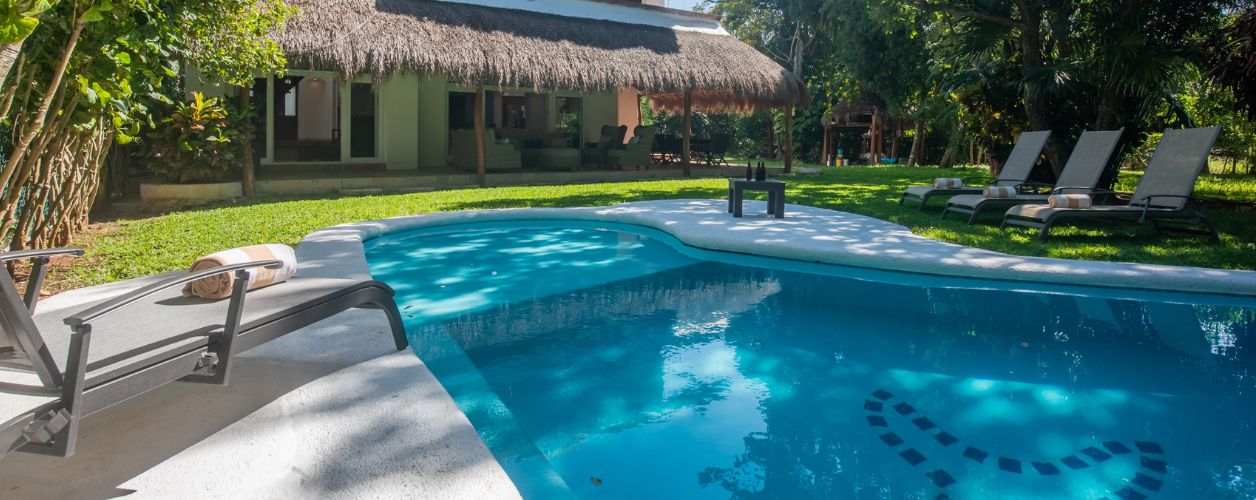
Expert Pool Opening and Closing Services Nearby To Get Quick Help
Owning a pool in Canada means working with the seasons. Long winters, freeze-thaw cycles, and short swim windows make it essential to prepare your pool properly at both ends of the year. Pool opening and closing services handle the technical, chemical, and mechanical work needed to bring a pool safely out of hibernation in spring and shut it down securely before the first hard frost.
Most homeowners call in a professional when the cover comes off and reveals murky green water, when the pump won't prime, when winter is approaching and they're unsure how to drain the lines, or when they simply don't want to risk costly damage from improperly winterized plumbing. Frozen water expands inside pipes, skimmers, and filters, and a single missed step can mean cracked equipment and thousands of dollars in repairs.
Trained technicians bring the right tools, vacuums, blowers, antifreeze, and chemical knowledge to do the job correctly the first time. They also catch small issues, like worn O-rings, hairline cracks, or failing seals, before those issues turn into season-ending problems.
What's Typically Included
Service packages vary, but most spring openings and fall closings cover a consistent set of tasks. Here's what you can generally expect:
- Removal, cleaning, and folding of the winter or safety cover
- Reinstallation of skimmer baskets, return jets, ladders, and diving boards
- Reconnection and priming of the pump, filter, and heater
- Inspection of plumbing lines, valves, and gaskets for leaks or cracks
- Initial filling and water level adjustment
- Water testing and balancing for pH, alkalinity, calcium hardness, and chlorine
- Shock treatment and algaecide application during spring openings
- Blowing out plumbing lines with a high-powered air compressor before winter
- Adding pool-grade antifreeze to lines to prevent freeze damage
- Lowering water levels below skimmer and return jets for closing
- Draining and storing pumps, filters, heaters, and chlorinators
- Installing winter plugs, gizmos, and skimmer covers
- Securing the winter or safety cover and water bags
- Equipment inspection report with recommended repairs or replacements
- Vacuuming debris and brushing pool walls as needed
Your Future Pool Opening & Closing Hero Is Just One Task Away — Let’s Find Them
How the Service Typically Works
While each provider has its own checklist, the general workflow follows a predictable pattern.
Spring Opening Process
The technician arrives with cleaning gear, chemicals, and tools. They pump standing water off the cover, remove and clean it, then store it for the season. Winter plugs are removed, return jets and skimmer baskets reinstalled, and the equipment pad is reassembled. The pool is topped up to the correct level, the system is primed and started, and water chemistry is tested and adjusted. Most providers recommend running the filter continuously for 24 to 72 hours after opening to clear the water.
Fall Closing Process
The closing visit usually happens once water temperatures stay consistently below 18°C, which discourages algae growth over winter. The tech balances the water, applies winterizing chemicals, lowers the water below the skimmer line, and disconnects all equipment. A compressor is used to blow every plumbing line clear of water, and antifreeze is added as backup protection. Plugs are installed, accessories are removed, and the cover is secured tightly to keep debris and small animals out.
Timing Matters
Booking early is key. Spring and fall are crunch seasons for pool contractors, and waiting too long for a closing can leave your equipment exposed to a sudden cold snap.
How to Choose the Right Professional
Experience With Your Pool Type
In-ground concrete, vinyl-liner, fibreglass, and above-ground pools each have different opening and closing requirements. Ask whether the technician regularly works on pools like yours. A vinyl liner, for example, needs careful water-level management to prevent it from shifting or wrinkling.
Proper Tools and Equipment
A reliable provider should arrive with a commercial-grade air compressor (a shop vac is not enough to clear lines properly), professional water testing kits, and the right chemicals. Ask what equipment they bring before booking.
Responsiveness and Scheduling
Good providers confirm appointments in writing, show up within a defined window, and respond quickly to questions. During peak season, slow communication is a red flag.
Transparent Pricing
A trustworthy contractor offers a written quote that lists exactly what's included, what costs extra (like chemicals, cover pumping, or repairs), and how additional charges are billed.
Insurance and Reliability
Confirm the company carries liability insurance. Damage from a missed plumbing step or cracked tile can be expensive, and you want a provider who stands behind their work.
Reviews and References
Look for consistent feedback about punctuality, thoroughness, and how they handle problems. A provider who returns to fix a missed detail without arguing is worth keeping.
Pricing Factors
Pool opening and closing costs vary based on pool size, type, accessories, and how much chemical or repair work is needed. As a general guide, most Canadian homeowners pay between $200 and $600 per visit for standard service. Larger or more complex pools, custom water features, or pools needing significant cleanup can cost more.
| Service Type | Typical Cost Range (CAD) |
|---|---|
| Above-ground pool opening or closing | $200 – $350 |
| In-ground pool opening or closing (standard) | $300 – $500 |
| Large or custom in-ground pool | $500 – $800+ |
| Safety cover removal or installation | $75 – $200 additional |
| Chemicals (if not included) | $75 – $200 |
| Heater winterization | $50 – $150 additional |
| Cover pumping or heavy cleanup | $50 – $150 additional |
What Drives the Price
- Pool size and gallon capacity
- Number of return lines, skimmers, and water features
- Whether chemicals are bundled or billed separately
- Type of cover (mesh safety covers take longer to handle than tarp covers)
- Condition of the water at opening (green pools may need a separate cleanup visit)
- Add-ons like heaters, salt systems, automatic cleaners, and waterfalls
- Urgency, off-hours service, or last-minute bookings
- Repair work discovered during inspection
Your Future Pool Opening & Closing Hero Is Just One Task Away — Let’s Find Them
Common Problems and Use Cases
- A green or cloudy pool after winter that needs a full chemical reset
- A pump that won't prime after spring startup
- Cracked skimmers or plumbing from incomplete winterization
- A torn or sagging winter cover that let in debris and rainwater
- New homeowners who have never opened or closed a pool before
- Snowbirds who need their pool closed while they're away
- Rental properties that need reliable seasonal service without owner involvement
- Pools with newly installed heaters or salt systems that need expert handling
- Late-season closings rushed before an unexpected cold front
Questions to Ask Before Hiring
- What exactly is included in your opening or closing package?
- Are chemicals, cover pumping, and antifreeze part of the price or billed separately?
- Do you use a commercial air compressor to blow out the lines?
- How do you handle unexpected repairs discovered during service?
- Are you insured, and can you provide proof?
- How long will the service take, and will I need to be home?
- Do you offer a satisfaction guarantee if something is missed?
- Can you service my heater, salt cell, or automatic cleaner as part of the visit?
- How far in advance do I need to book?
- Do you provide a written inspection report after the visit?
Mistakes to Avoid
- Closing too early or too late. Closing while water is still warm encourages algae; waiting too long risks freeze damage to equipment.
- Skipping the line blowout. Antifreeze alone won't protect plumbing from a hard freeze. Lines must be physically cleared of water.
- Hiring based on price alone. A cheap closing that skips steps can cost thousands in spring repairs.
- Not balancing water before closing. Improper chemistry over winter can stain surfaces and corrode equipment.
- Leaving the cover unsecured. A loose cover invites debris, animals, and safety hazards.
- Forgetting to drain the heater. Trapped water in a heater is one of the most common and expensive winter failures.
- Opening too late in spring. A cover left on warming water turns the pool into an algae bloom that takes days to clear.
- Ignoring small leaks. A minor drip in fall can become a major crack by spring after repeated freezing.
- Not getting service details in writing. Verbal agreements lead to disputes about what was or wasn't included.
Cost Guide
Related Categories for Pools & Water Features
Find Pool Opening & Closing in States
- Pool Opening & Closing in Alberta
- Pool Opening & Closing in British Columbia
- Pool Opening & Closing in Manitoba
- Pool Opening & Closing in New Brunswick
- Pool Opening & Closing in Newfoundland and Labrador
- Pool Opening & Closing in Northwest Territories
- Pool Opening & Closing in Nova Scotia
- Pool Opening & Closing in Nunavut
- Pool Opening & Closing in Ontario
- Pool Opening & Closing in Prince Edward Island
- Pool Opening & Closing in Quebec
- Pool Opening & Closing in Saskatchewan
- Pool Opening & Closing in Yukon
Answers to Your Common Questions
Pool opening is the process of preparing your swimming pool for the summer season. It includes removing the cover, reconnecting equipment, cleaning, testing water, and balancing chemicals. Pool closing (also called winterizing) involves cleaning, draining water lines, adding winter chemicals, and covering the pool to protect it during the cold Canadian winters.
In Canada, most pools are opened between late April and early June and closed by mid-September to October, depending on your region. It's best to open your pool once daytime temperatures stay above 18°C and close it before the first hard frost.
Pool opening and closing services typically cost between $200 and $500 per visit. Prices vary based on pool size, location, and whether additional services are required such as vacuuming, chemical treatment, or equipment repairs.
Improper closing can lead to frozen pipes, cracked equipment, algae blooms, and expensive repairs come spring. A professional pool closing helps protect your investment and keeps your water clean for the next season.
Most homeowners open their pools between mid-April and late May, once overnight temperatures stay reliably above freezing. Opening earlier helps prevent algae from establishing under a warming cover.
Most homeowners open their pools between mid-April and late May, once overnight temperatures stay reliably above freezing. Opening earlier helps prevent algae from establishing under a warming cover.
Most standard residential pools take between two and four hours. Larger pools or those with extensive features may take longer.
Many providers can shock and treat the water during the opening, but a heavily green pool may need a separate cleanup visit or a few days of filtration and chemical adjustment to clear up.
Safety covers are more expensive upfront but last longer, drain rainwater and snowmelt, and prevent accidents involving children or pets. Tarp covers are cheaper but require pumping and are more likely to tear.
No. Lowering the water below the skimmer is enough. Fully draining a pool can damage the liner, cause structural issues, or even cause an in-ground pool to lift out of the ground due to groundwater pressure.