
Find Pond Maintenance in Your Area
- Pond Maintenance in Edmonton
- Pond Maintenance in Victoria
- Pond Maintenance in Winnipeg
- Pond Maintenance in Fredericton
- Pond Maintenance in St. John's
- Pond Maintenance in Yellowknife
- Pond Maintenance in Halifax
- Pond Maintenance in Iqaluit
- Pond Maintenance in Toronto
- Pond Maintenance in Charlottetown
- Pond Maintenance in Quebec
- Pond Maintenance in Regina
- Pond Maintenance in Whitehorse
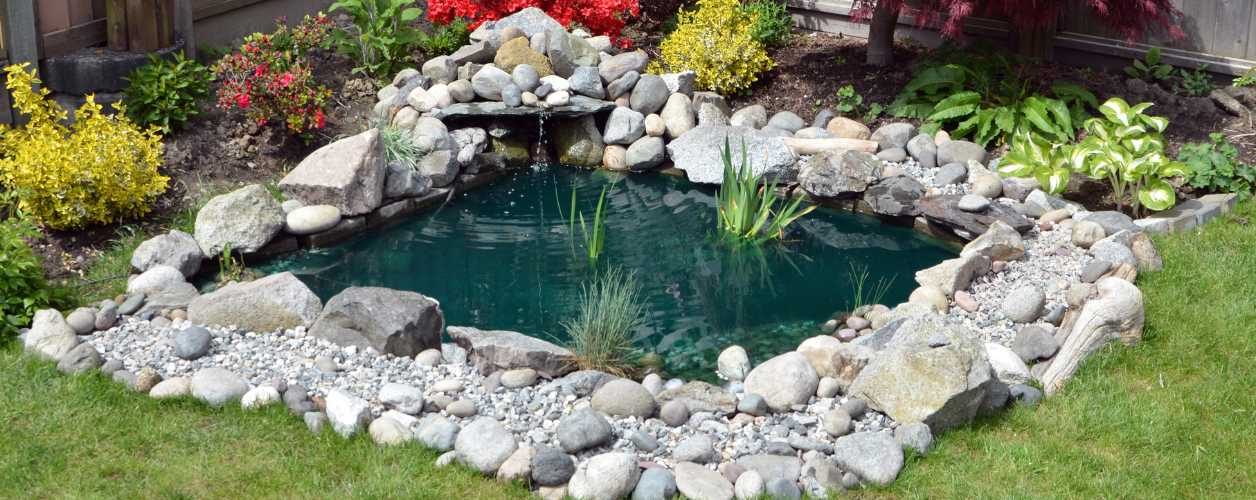
Reliable Pond Maintenance Services Near You For Hire
Pond maintenance services encompass the ongoing care, cleaning, and repair required to keep a water feature healthy, visually appealing, and structurally sound. This goes far beyond occasionally skimming leaves off the surface. A professional service addresses the entire ecosystem within the pond, including water chemistry, filtration mechanics, aquatic life, and the surrounding hardscape elements like liners, pumps, and waterfalls. These services apply to a wide range of settings, from small decorative backyard water gardens and dedicated koi ponds to large-scale commercial fountains and retention features that require regular upkeep to remain functional and safe.
People typically seek out this expertise in several common scenarios. You might notice the water has turned a thick pea-soup green despite your best efforts, or a foul odor is rising from the sludge accumulated on the bottom. Perhaps you are preparing your pond for the harsh realities of winter and want to protect your fish, or you are opening it back up in spring to find murky water and a pump that refuses to start. In other cases, a pond owner might simply lack the time or physical ability to perform the deep cleaning and heavy lifting required. A professional becomes essential when the health of the ecosystem is at risk, when specialized equipment is needed for repairs, or when you need a balanced biological environment that generic algaecides cannot achieve.
Your Future Pond Maintenance Hero Is Just One Task Away — Let’s Find Them
What's Typically Included in Professional Pond Care?
Comprehensive care packages vary, but most providers offer a tiered approach that moves from general upkeep to highly technical restoration. Understanding the scope of services helps you identify exactly what your water feature requires without paying for unnecessary extras. The following tasks represent the core responsibilities of dedicated pond maintenance contractors:
- Complete mechanical skimming and netting of floating debris, leaves, and organic matter from the water surface.
- Vacuuming of sludge, muck, and decomposed sediment from the pond floor without draining the entire feature.
- High-pressure washing and chemical-free scrubbing of rocks, gravel, and interior liner surfaces to remove string algae.
- Full filtration system disassembly, media cleaning, and backwashing to restore optimal flow and mechanical trapping of particulates.
- Biological filter inspection and inoculation with beneficial bacteria to stabilize the nitrogen cycle and reduce ammonia.
- Pump extraction, impeller cleaning, and flow-rate testing to verify the mechanical heart of the pond is working efficiently.
- Water quality testing for pH, alkalinity, ammonia, nitrite, and phosphate levels, followed by precise chemical buffering.
- Strategic application of liquid and granular beneficial bacteria and enzyme treatments to digest organic sludge naturally.
- Algae bloom management using targeted ultraviolet clarifier maintenance, phosphate binders, and manual string algae removal.
- Aquatic plant pruning, dividing overgrown lilies, removing decaying foliage, and fertilizing marginals for balanced nutrient uptake.
- Fish health assessments, including visual inspections for parasites or fungal infections, and nutritional guidance on seasonal feeding.
- Leak detection through controlled evaporation testing and dye tracing methods along the liner, plumbing, and waterfall edges.
- Liner patching and repair using specialized EPDM bonding and seaming techniques to stop water loss without a full rebuild.
- Seasonal opening procedures in spring, including debris removal, equipment reconnection, and water conditioning for fish safety.
- Professional winterization shutdown, trimming back plants, installing aerators or de-icers, and safely housing pumps from ice damage.
How the Process Works From First Call to Clear Water
While every pond and provider operates differently, the general progression of a professional maintenance visit tends to follow a structured, practical sequence. Recognizing these steps demystifies the process and sets realistic expectations for what happens when a contractor arrives on your property.
It usually begins with an initial site evaluation and system audit. The contractor will inspect the pond's location, volume, stocking density of fish, current water clarity, and the operational status of all mechanical components like pumps, UV clarifiers, and skimmers. This diagnostic step allows them to identify the root cause of murky water rather than just treating the symptoms. Once the assessment is complete, they outline a specific plan of action for that visit, whether it is a routine cleaning or a corrective treatment for a severe algae outbreak. For recurring maintenance plans, they often set a fixed schedule that aligns with the biological demands of the season.
The physical service then begins with the safe removal and temporary storage of any fish if a deep clean is required, or they work carefully around the livestock if performing a standard service. The team then systematically removes physical debris from top to bottom, draining a portion of the water if necessary to access deep sludge pockets. Equipment is disconnected, cleaned, and inspected. Filters are purged of compacted waste, and UV quartz sleeves are wiped clean to ensure maximum light penetration. After the physical cleaning phase, the technician refills the pond if needed, adding a dechlorinator to neutralize tap water chemicals that are lethal to fish. The final stage involves reintroducing the balanced biology, adding beneficial bacteria, adjusting pH buffers, and ensuring the pump is primed and circulating water correctly before the fish are gently reacclimated.
How to Select a Skilled Pond Maintenance Professional
Verify Hands-On Ecosystem Knowledge Over Basic Landscaping
A genuine pond specialist is a water quality manager, not just someone who blows leaves. You need to look for a contractor who speaks fluently about the nitrogen cycle, beneficial bacteria colonies, and the relationship between oxygen levels and algae blooms. During your initial conversation, ask them to explain the biology behind a "new pond syndrome" or why turning off the waterfall at night can crash a koi population. Their ability to articulate the science behind clear water will instantly separate an expert from a general laborer. A professional who can diagnose why your filter media is channeling water incorrectly, rather than just hosing it off, saves you from months of green water battles.
Assess the Caliber of Their Diagnostic Tools and Repair Gear
The difference between a quick fix and lasting health often lies in the tool kit. A top-tier professional arrives with more than just a net and a shop vacuum. They should carry high-resolution digital water testing kits that measure parameters like dissolved oxygen and phosphates, not just cheap litmus strips. For mechanical issues, they need to be equipped with specialized impeller removal tools for specific pump brands and ultrasonic leak detection equipment to pinpoint liner tears without destroying your landscaping. If you have a large koi population, inquire if they carry portable air pumps and oxygen tanks to keep fish safe during a drain-and-clean, and ask if they have the right EPDM lap sealants and primers to execute a lasting underwater repair on your liner.
Prioritize Transparent Pricing Structures and Clear Communication
A reliable contractor will offer a clear breakdown between the cost of routine maintenance and the price of reactive emergency repair work. You should be wary of any quote that feels vaguely priced or based strictly on a "per visit" fee without defining the scope of that visit. A consistent provider will present a tiered maintenance contract that itemizes exactly how many water treatments, filter flushes, and skimming sessions are included over a season. They should be upfront about add-on charges for specialized sludge removers, excess debris hauling, or sudden replacement parts, ensuring you are not blindsided by a bill that doubles in size due to "unforeseen" complexity. A quality professional communicates calmly about realistic maintenance timelines, explaining that a pea-soup bloom might take two weeks of biological adjustment to resolve rather than a single magic chemical dose.
Your Future Pond Maintenance Hero Is Just One Task Away — Let’s Find Them
Understanding the Costs Involved in Pond Maintenance
The price of keeping your water garden healthy varies considerably based on the size, complexity, and biological load of your feature. The average cost for a single routine maintenance visit typically falls between $125 and $300. For smaller, simple goldfish ponds with minimal plant life, a basic cleaning might stay on the lower end, while a thorough deep cleaning for a large koi pond with a complex filtration system can push the visit into the $300 to $600 range or higher. If you opt for a comprehensive year-round contract that includes seasonal opening, closing, and scheduled upkeep, you are generally looking at an average annual investment ranging from $1,500 to $4,500, depending on the frequency of visits and the scope of work.
| Service Type | Typical Price Range (CAD) | Key Cost Drivers |
|---|---|---|
| Basic Routine Cleaning Visit | $125 – $300 | Pond size, accessibility, light debris volume, no major draining required |
| Comprehensive Deep Clean (Drain & Wash) | $500 – $1,200 | Water volume, heavy sludge accumulation, fish handling and safe relocation |
| Pump Replacement and Plumbing Repair | $200 – $800 | Pump wattage, magnetic drive vs. direct drive, difficulty of disconnection |
| Liner Leak Detection and Patching | $150 – $550 | Location of the leak, rock removal labor, extent of the tear damage |
| Seasonal Shutdown/Winterization | $200 – $450 | Plant cutting volume, installation of aerators or de-icers, equipment storage |
| Monthly Maintenance Contract | $150 – $400 per month | Visit frequency, water testing, chemical inclusions, filter cleanings per visit |
Several factors directly influence these costs beyond just square footage. A high fish load, particularly with koi that produce significant waste, requires stronger filtration and more frequent water changes, increasing labor time. The presence of a complex waterfall or extensive aquatic plants that need careful hand-pruning adds labor hours. The urgency of the situation also plays a role; a clogged pump causing a waterfall to stop during peak summer heat may incur emergency call-out surcharges compared to a pre-planned spring opening. Finally, the type and quality of treatments used affect price, as professional-grade, fish-safe sludge digesters and phosphate binders are more expensive than generic store-bought algaecides but yield safer, more lasting results.
Typical Scenarios Where a Professional Becomes Essential
There are specific moments in a pond's lifecycle when expert intervention shifts from a luxury to a necessity. You might be facing a sudden green water explosion where the pond looks like pea soup and you can no longer see your fish, indicating a biological imbalance that standard algaecides will only temporarily mask. Another common crisis is a significant water level drop, where you are losing several inches per day, suggesting a torn liner or a cracked plumbing fixture that requires immediate electronic leak detection before the surrounding soil erodes. Pond owners also call in experts when fish are gasping for air at the surface, a critical sign of low dissolved oxygen that may stem from a failed pump, overstocking, or a rapid spike in ammonia toxicity. Finally, many homeowners hit a physical wall when they realize they cannot lift the heavy sludge-filled mats of string algae from the bottom safely without damaging the liner.
Essential Questions to Ask Before Signing a Contract
Interviewing a potential contractor requires more than just asking if they are experienced. You need to present scenario-based questions that reveal their technical depth and ability to handle your specific ecosystem without resorting to shortcuts that harm aquatic life. These targeted questions will help you gauge their transparency, biological expertise, and repair capabilities:
- "Can you walk me through your process for cleaning biological filter media without killing the beneficial bacteria colony?"
- "Do you use liquid reagent tests or digital meters to monitor my water chemistry, and what specific parameters do you track?"
- "If you suspect a leak, do you use a dye test or an electronic listening device to locate it before any digging begins?"
- "How do you safely handle large koi during a full drain if they are skittish or stressed, and do you provide containment tanks with aeration?"
- "What is your policy on chemical treatments—do you rely on quick-fix algaecides, or do you focus on long-term phosphate binding and biological augmentation?"
- "When a pump fails, do you attempt an impeller swap and seal repair first, or is your first recommendation usually a complete unit replacement?"
Mistakes to Steer Clear of When Caring for Your Pond
Even with the best intentions, many homeowners inadvertently sabotage their own water quality by falling into common traps. The most pervasive error is draining and pressure-washing the entire pond on a sunny day without a plan for the livestock. Removing all water and scrubbing the liner to a sterile shine destroys the essential biofilm and beneficial bacteria that process fish waste, effectively forcing the pond to re-cycle from scratch and stressing the fish to the point of illness. Another damaging mistake is buying a cheap pump not rated for the head height of the waterfall. An underpowered pump might save electricity initially, but it will fail to turn over the pond's total volume at least once per hour, leading to stagnant dead zones and murky water.
Many people also over-dose their water with algaecide, thinking that if one dose turns the water slightly clearer, a triple dose will fix it instantly. This rapidly depletes oxygen from the water column as the dead algae decomposes, potentially suffocating an entire fish population overnight. Finally, there is the critical mistake of stopping all aeration during a freeze. A frozen-over pond without a de-icer or a vigorous air stone traps toxic gases released by decomposing sludge, creating a lethal environment for fish that cannot escape. A professional will never close a pond completely tight to the atmosphere, ensuring a small open channel for gas exchange remains all winter long.
Cost Guide
Related Categories for Pools & Water Features
Find Pond Maintenance in States
- Pond Maintenance in Alberta
- Pond Maintenance in British Columbia
- Pond Maintenance in Manitoba
- Pond Maintenance in New Brunswick
- Pond Maintenance in Newfoundland and Labrador
- Pond Maintenance in Northwest Territories
- Pond Maintenance in Nova Scotia
- Pond Maintenance in Nunavut
- Pond Maintenance in Ontario
- Pond Maintenance in Prince Edward Island
- Pond Maintenance in Quebec
- Pond Maintenance in Saskatchewan
- Pond Maintenance in Yukon
Answers to Your Common Questions
Regular pond maintenance keeps your water clean, clear, and healthy for fish and plants. It prevents algae buildup, sludge accumulation, clogged pumps, and poor water circulation, helping your pond look great and function properly throughout the seasons.
In Canada, ponds should be cleaned at least twice a year — a major clean in the spring after thaw and a minor clean-up in the fall before winter. Smaller routine tasks like skimming leaves, checking water levels, and cleaning filters should be done weekly or biweekly during the warmer months.
Pond maintenance typically costs between $150 and $400 per visit, depending on the pond size, condition, and services required. Annual packages are available from many local contractors for regular cleaning and inspections, which can help save money long-term.
Yes, but you need to ensure proper oxygen levels and prevent the surface from freezing over completely. A pond aerator or floating de-icer will keep a small area open for gas exchange. Fish also need deeper areas (at least 18–24 inches) to survive the cold.