
Find Gravel Driveway Installation in Your Area
- Gravel Driveway Installation in Edmonton
- Gravel Driveway Installation in Victoria
- Gravel Driveway Installation in Winnipeg
- Gravel Driveway Installation in Fredericton
- Gravel Driveway Installation in St. John's
- Gravel Driveway Installation in Yellowknife
- Gravel Driveway Installation in Halifax
- Gravel Driveway Installation in Iqaluit
- Gravel Driveway Installation in Toronto
- Gravel Driveway Installation in Charlottetown
- Gravel Driveway Installation in Quebec
- Gravel Driveway Installation in Regina
- Gravel Driveway Installation in Whitehorse
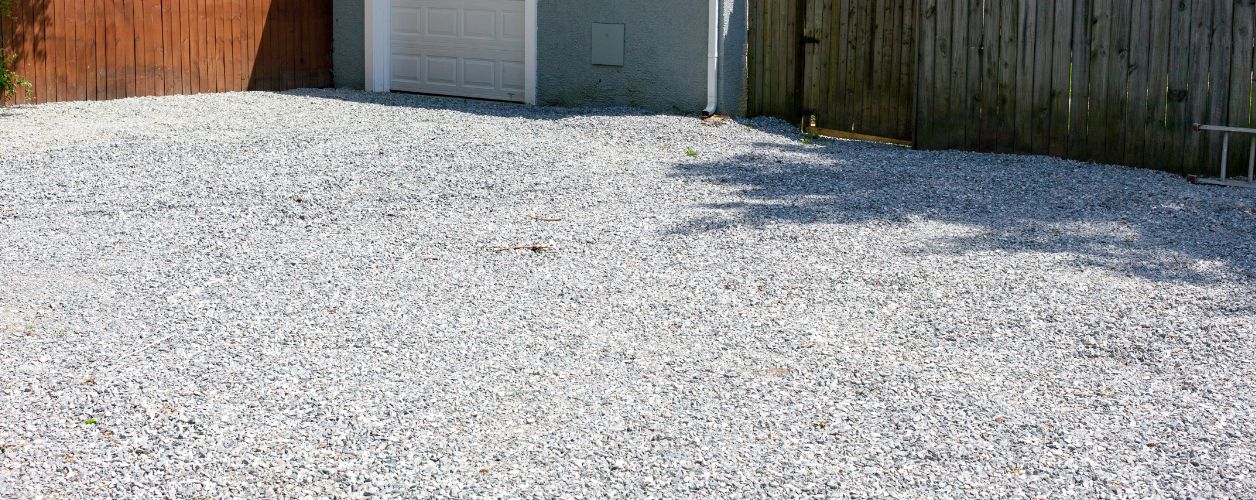
Gravel Driveway Installation Experts Near Me: Enhancing Your Home's Appeal
A gravel driveway is a practical and cost-effective surface constructed from layers of compacted stone and aggregate. Unlike asphalt or concrete, a gravel driveway is a flexible, permeable system designed to provide stable vehicle access while allowing water to drain naturally through the surface. The process involves much more than simply dumping a pile of stones on the ground. It requires careful excavation, multiple layers of different stone sizes, precise grading for water runoff, and mechanical compaction to create a durable driving surface that resists ruts and potholes over time.
Property owners often look for this service when constructing a new home on a rural lot, replacing a deteriorating asphalt driveway, or establishing access to agricultural buildings and equipment sheds. The service is also common for long country lanes where paving costs would be prohibitive, for cottage roads and seasonal access points, or when homeowners want a natural aesthetic that blends with wooded or landscaped surroundings. In many cases, people need gravel installation when their existing unpaved driveway becomes impassable during spring thaw or after heavy rain, leaving vehicles stuck in mud and ruts.
Working with experienced professionals makes a significant difference in the longevity and performance of a gravel driveway. Proper installation requires an understanding of soil conditions, drainage patterns, freeze-thaw cycles, and load-bearing requirements. When these factors are addressed correctly from the start, the result is a driveway that remains stable and functional through seasonal changes, resists erosion and washboarding, and requires only periodic maintenance rather than constant repairs. Skilled contractors bring the right equipment, source appropriate materials, and follow proven layering techniques that are difficult to replicate without professional knowledge.
Common Services Included in This Category
- New gravel driveway construction with full excavation and base preparation
- Complete driveway regrading and reshaping to correct drainage problems
- Resurfacing existing gravel driveways with fresh stone and compaction
- Crushed limestone driveway installation with angular stone for maximum stability
- Pea gravel finishing layers for decorative or low-traffic driveway surfaces
- Rural and farm driveway installation designed for heavy equipment loads
- Long driveway and lane construction with proper crowning and ditching
- Driveway excavation and site clearing including tree root and topsoil removal
- Commercial gravel parking area and access road construction
- Heavy-duty compacted gravel installation for truck and machinery traffic
- Drainage solutions including culvert placement and French drains alongside driveways
- Driveway edging installation using timbers, steel, or stone borders
- Gravel spreading, leveling, and mechanical compaction services
- Gravel driveway repair including pothole filling and washout restoration
- Custom decorative gravel driveway design with color and texture options
Your Future Gravel Driveway Installation Hero Is Just One Task Away — Let’s Find Them
How the Service Typically Works
Understanding the installation process helps set realistic expectations before work begins. A well-executed gravel driveway project follows a logical sequence of steps, each building on the previous one to create a lasting result. While every property presents unique conditions, the general workflow remains consistent across most residential and commercial installations.
Initial Assessment and Planning
The process starts with an on-site visit where the contractor evaluates the existing ground conditions, measures the area, and discusses your specific needs. They will examine soil type, natural drainage patterns, slope, and any obstacles such as trees or buried utilities. This assessment determines the driveway route, width, depth requirements, and the type and quantity of stone needed. The contractor should also discuss factors like expected vehicle loads, snow removal plans, and long-term maintenance expectations at this stage.
Excavation and Subgrade Preparation
Once the plan is set, the area is marked and excavation begins. The contractor removes topsoil, vegetation, roots, and any soft organic material down to stable subsoil. This depth typically ranges from 8 to 12 inches depending on soil conditions and expected loads. The exposed subgrade is then shaped with a slight crown or slope to direct water away from the driveway center. Proper subgrade preparation is arguably the most important step, as a weak or poorly drained foundation will cause problems no matter how much stone is placed on top.
Geotextile Fabric Installation
Many quality installations include a layer of heavy-duty geotextile fabric placed directly on the prepared subgrade. This permeable membrane separates the stone layers from the soil below, preventing the stone from mixing with mud over time and significantly reducing rutting and pothole formation. While this adds some upfront cost, it extends the driveway's lifespan considerably and reduces long-term maintenance needs.
Base Layer Application
The first layer of stone consists of large, angular crushed rock, typically 2 to 4 inches in diameter. This coarse material creates a thick, stable foundation that distributes vehicle weight and provides drainage at the bottom of the system. The base layer is spread evenly and compacted with heavy equipment such as a vibratory roller. For driveways that will support heavy trucks or equipment, this layer may be thicker or applied in multiple lifts with compaction between each one.
Middle and Surface Layer Installation
A middle layer of smaller crushed stone, often 3/4-inch to 1-inch angular gravel, is spread over the compacted base. This layer locks into the larger stone below and creates a tighter, more stable surface. Finally, the top layer of finer material, such as 1/4-inch crushed gravel or limestone screenings, is applied and compacted to create a smooth, firm driving surface. The total stone depth across all layers usually ranges from 6 to 12 inches depending on the application.
Final Grading and Cleanup
The completed driveway receives final grading to ensure proper water shedding, and any adjacent disturbed areas are tidied. The contractor should walk through the finished work with you, pointing out drainage features and explaining what to expect as the surface settles and beds in over the first few weeks of use.
How to Choose the Right Professional
Selecting a qualified contractor for gravel driveway installation requires careful evaluation. The difference between a driveway that lasts for decades and one that needs constant repair often comes down to the expertise of the installer. Here are the key factors to consider when making your choice.
Experience with Similar Projects
Look for contractors who specialize in driveway and road construction rather than general landscapers who occasionally handle gravel work. Ask how many years they have focused on this specific trade and whether they have completed projects similar to yours in scope and conditions. A contractor experienced with long rural driveways understands drainage challenges differently than one who mainly installs short urban approaches. Request to see photos of past work and, if possible, drive by completed projects to observe how they have held up over time.
Equipment and Material Quality
Proper gravel driveway installation requires specialized machinery. A contractor should arrive with appropriate equipment including an excavator or skid steer for earthmoving, a dump truck or stone slinger for material delivery, and a vibratory compactor or roller. The quality of stone used matters greatly as well. Ask about their stone sources and whether they use angular crushed stone rather than round bank-run gravel. Angular stone particles interlock under compaction, creating a much more stable surface than smooth, rounded stones that shift and spread under vehicle tires.
Understanding of Drainage Principles
Water management is fundamental to driveway longevity. A knowledgeable contractor should be able to explain how they plan to handle drainage on your specific property. They should discuss grading, crowning, ditching, and culvert placement as needed. Be wary of any contractor who seems dismissive about water concerns or who proposes a flat driveway without addressing where water will go during heavy rain or spring melt.
Pricing Transparency and Detailed Proposals
A trustworthy contractor provides a written estimate that breaks down the scope of work clearly. The proposal should specify the area to be excavated, depth of cut, type and thickness of each stone layer, whether geotextile fabric is included, and what site preparation and cleanup are covered. Vague quotes that simply state a total price without detail should raise concerns. Ask whether the price includes delivery of all materials and what circumstances might lead to additional charges.
Responsiveness and Communication
Pay attention to how promptly and clearly a contractor communicates from your first inquiry. Do they return calls and messages in a reasonable timeframe? Do they answer questions thoroughly without making you feel rushed? The way a contractor handles the estimation and planning phase often reflects how they will manage the project itself. A professional who is organized, punctual, and communicative during the bidding process is likely to carry those same qualities through to project completion.
Insurance and Professionalism
Verify that any contractor you consider carries adequate liability insurance and workplace safety coverage. Gravel installation involves heavy equipment operation and ground disturbance that carries inherent risks. A properly insured contractor protects you from potential liability. Additionally, consider whether they present themselves professionally with a business license, branded equipment, and a willingness to provide references from past clients.
Pricing Factors
The cost of gravel driveway installation varies widely based on several interconnected factors. Understanding these variables helps you evaluate quotes realistically and budget appropriately for your project.
For a typical residential gravel driveway, you can expect to invest somewhere in the range of $2,500 to $12,000 for a complete new installation, with most homeowners spending between $4,000 and $8,000. A simple resurfacing or top-up of an existing driveway generally costs between $800 and $3,000. Very large or complex projects such as long farm driveways, commercial parking areas, or installations requiring significant earthmoving can range from $15,000 to $40,000 or more. These ranges reflect the full scope of work including materials, equipment, and labor.
| Cost Factor | Typical Impact on Project Cost |
|---|---|
| Driveway length and width | Directly proportional to total material and labor requirements |
| Excavation depth required | Deeper cuts increase equipment time and disposal costs |
| Soil conditions | Rocky, wet, or unstable soils increase preparation work |
| Stone type and quality | Decorative or specialty stone costs more than standard crushed gravel |
| Number of stone layers | More layers provide better performance but increase material cost |
| Geotextile fabric inclusion | Adds material cost but reduces long-term maintenance expenses |
| Site accessibility | Difficult access increases equipment transport and material delivery costs |
| Drainage requirements | Culverts, ditches, and French drains add to overall project cost |
| Season and scheduling | Urgent or peak-season projects may carry premium rates |
Material costs form the largest portion of any gravel driveway project. The type of stone chosen affects both price and performance. Standard crushed limestone or granite gravel is generally the most economical choice, while decorative options such as pea gravel, marble chips, or colored crushed stone carry premium pricing. Transportation distance from the quarry to your property also influences material cost significantly, as stone is heavy and fuel costs add up quickly over long hauls.
Labor and equipment costs vary based on project complexity and the time required. A straightforward installation on flat, accessible ground proceeds quickly and efficiently. Sites with significant slopes, poor access, extensive tree roots, or underground utilities require more careful work and additional time. The contractor's expertise level also influences pricing, as highly experienced professionals with specialized equipment often command higher hourly or project rates that reflect the quality and efficiency they bring to the job.
Your Future Gravel Driveway Installation Hero Is Just One Task Away — Let’s Find Them
Common Problems or Use Cases
Gravel driveway installation addresses a variety of real-world situations that property owners encounter. Recognizing these scenarios helps determine whether this service matches your needs.
One of the most frequent situations involves new home construction on previously undeveloped land. Before any house can be occupied, reliable vehicle access must be established. A properly installed gravel driveway provides immediate, all-weather access for construction vehicles during the building phase and creates a solid foundation that can later be topped with asphalt or concrete, or remain as a finished gravel surface. The driveway must withstand heavy delivery trucks and construction equipment without breaking down during this critical period.
Rural property owners with long approaches from the road to their home or farm buildings often face challenges maintaining a stable driving surface over hundreds or thousands of feet. A professionally engineered gravel driveway with proper crowning and ditching solves persistent problems with mud, standing water, and washboarding that make daily travel difficult and damage vehicles. These long installations require particular attention to drainage at multiple points along the route to prevent water from concentrating and causing erosion.
Seasonal access problems drive many homeowners to seek professional help. Cottages, recreational properties, and secondary homes may have driveways that become treacherous or impassable during spring thaw when the ground softens. An installation with deep base preparation and geotextile reinforcement creates a driveway that remains firm and drivable even as surrounding ground becomes saturated. Similarly, driveways in areas with heavy snow accumulation benefit from smooth, well-compacted gravel surfaces that resist plow damage and provide traction during winter months.
Commercial and agricultural applications present their own set of demands. Farm operations need gravel access roads capable of supporting loaded grain trucks, livestock trailers, and heavy machinery without rutting or sinking. Rural businesses require customer parking areas that present a professional appearance while handling steady traffic. These heavy-duty use cases demand thicker stone layers, larger base rock, and meticulous compaction that only experienced commercial gravel contractors can provide.
Questions to Ask Before Hiring
A thorough conversation with potential contractors reveals important information about their approach and capabilities. The following questions help you assess whether a professional is the right fit for your project.
- What depth of excavation do you recommend based on my soil conditions, and why?
- Do you include geotextile fabric in your installations, and under what circumstances do you consider it necessary?
- What type and size of stone do you use for each layer, and where do you source your materials?
- Can you explain how you will manage drainage and ensure water moves away from the driveway surface?
- What compaction equipment do you use, and how do you verify adequate compaction has been achieved?
- How do you handle transitions where the driveway meets the road or existing paved surfaces?
- What is included in your written proposal, and what circumstances could lead to additional charges?
- How long will the installation take from start to finish, and what weather conditions could affect the schedule?
- Do you offer any warranty or follow-up service if settlement or issues occur after installation?
- Can you provide contact information for recent clients with projects similar to mine?
Mistakes to Avoid
Even well-intentioned property owners can make decisions that compromise their gravel driveway investment. Being aware of these common pitfalls helps you avoid costly errors.
One of the most significant mistakes is hiring based solely on the lowest price. A cheap installation that skips proper excavation, uses thin stone layers, or omits geotextile fabric may look acceptable initially but will quickly develop potholes, ruts, and drainage failures. The cost of repairing a poorly installed driveway often exceeds what a proper installation would have cost from the beginning. Quality materials, adequate depth, and thorough compaction simply cost more to deliver, and cutting corners on any of these elements guarantees future problems.
Another frequent error involves neglecting drainage considerations. Some property owners resist proposals for culverts, ditches, or additional grading because they increase the upfront cost or alter the landscape appearance. However, water is the primary enemy of any gravel driveway. When drainage is inadequate, water pools on the surface, saturates the stone layers, and weakens the underlying soil. Freeze-thaw cycles then heave and crack the surface, creating a cycle of damage that accelerates deterioration. Investing in proper drainage during installation is far less expensive than repairing washouts and rebuilding sections later.
Choosing the wrong type of stone is a subtle but consequential mistake. Round, smooth stones such as pea gravel or river rock may look attractive but do not compact into a stable driving surface. Vehicles push these stones aside, creating ruts and bare spots that require constant raking and replenishment. Angular crushed stone with sharp edges is essential for any driveway that will see regular vehicle traffic, as these particles lock together under compaction and resist movement. If a decorative appearance is desired, a thin top layer of aesthetic stone can be added over a properly compacted angular base.
Many property owners also underestimate the importance of ongoing maintenance. A gravel driveway is not a install-and-forget surface. It requires periodic grading to maintain its crown and smooth surface, occasional top-ups of fresh stone as material gradually migrates or breaks down, and attention to any drainage issues that develop over time. Budgeting for this maintenance and scheduling it before problems become severe keeps a driveway performing well for many years.
Cost Guide
Related Categories for Paving
Find Gravel Driveway Installation in States
- Gravel Driveway Installation in Alberta
- Gravel Driveway Installation in British Columbia
- Gravel Driveway Installation in Manitoba
- Gravel Driveway Installation in New Brunswick
- Gravel Driveway Installation in Newfoundland and Labrador
- Gravel Driveway Installation in Northwest Territories
- Gravel Driveway Installation in Nova Scotia
- Gravel Driveway Installation in Nunavut
- Gravel Driveway Installation in Ontario
- Gravel Driveway Installation in Prince Edward Island
- Gravel Driveway Installation in Quebec
- Gravel Driveway Installation in Saskatchewan
- Gravel Driveway Installation in Yukon
Answers to Your Common Questions
A gravel driveway is a type of surface made from layers of crushed stone or gravel. It's a cost-effective, low-maintenance option for residential or rural driveways and allows for excellent drainage and easy repairs. Gravel comes in various sizes and colours to suit different styles.
Installing a gravel driveway in Canada typically costs between $2 to $5 per square foot. This includes excavation, grading, base material, and multiple layers of gravel. Final costs depend on driveway size, site conditions, gravel type, and accessibility.
With regular maintenance, a gravel driveway can last 15 to 30 years or more. It may need periodic raking, topping up gravel, and regrading to maintain a smooth and level surface, especially after heavy rain or snowmelt.
A properly built gravel driveway with a solid base can support cars, trucks, RVs, and delivery vehicles. The key is compacting each layer and using appropriate gravel size. Regular upkeep helps maintain load-bearing capacity over time.
A well-installed gravel driveway built with proper base preparation, adequate stone depth, and good drainage can last 20 to 30 years or more with regular maintenance. The surface layer will need periodic refreshing with new stone every 2 to 5 years depending on traffic levels, while the structural base typically remains intact for decades if it was properly compacted and separated from the subsoil with geotextile fabric.
Installation is best performed during drier months when the ground is not frozen or saturated. Working on wet, soft subgrade prevents proper compaction and can trap moisture beneath the stone layers, leading to future frost heave and settlement issues. Frozen ground cannot be excavated or shaped properly. Most contractors schedule gravel driveway projects between late spring and early fall, though emergency repairs can sometimes be addressed in other seasons if conditions allow.
Crushed gravel consists of angular stone fragments that interlock when compacted, creating a stable, firm driving surface that resists shifting under vehicle tires. Pea gravel consists of small, naturally rounded stones that remain loose and tend to spread and rut under traffic. While pea gravel can work for low-traffic decorative areas or as a thin finishing layer over a compacted base, it is not suitable as the primary surface for a regularly used driveway.
Permit requirements vary by jurisdiction. Many areas require permits for new driveway installations that connect to public roads, involve culvert placement within road allowances, or alter drainage patterns affecting neighboring properties. Some municipalities regulate driveway width, setback distances, and surfacing materials. Your contractor should be knowledgeable about local requirements, but it is wise to confirm permit obligations with your municipal office before work begins.