
Find Paving in Your Area
- Paving in Edmonton
- Paving in Victoria
- Paving in Winnipeg
- Paving in Fredericton
- Paving in St. John's
- Paving in Yellowknife
- Paving in Halifax
- Paving in Iqaluit
- Paving in Toronto
- Paving in Charlottetown
- Paving in Quebec
- Paving in Regina
- Paving in Whitehorse
Paving Contractors Near Me: Quality Solutions for Your Paving Needs
Whether you are pulling into your driveway after a long day or welcoming customers into a commercial parking lot, the quality of the ground beneath your tires matters. A poorly constructed surface is more than just an eyesore; it can lead to severe drainage issues, foundation flooding, and dangerous tripping hazards. In a climate characterized by harsh, freezing winters and hot, humid summers, the continuous freeze-thaw cycle wreaks havoc on exterior surfaces. Ground expands when it freezes and contracts when it thaws, which easily shatters inadequate materials and thin foundations.
This is where professional surface installers become indispensable. Creating a durable surface is not merely about pouring concrete or rolling hot asphalt; the actual engineering happens below the ground. Professionals understand how to excavate to the correct depth, establish a solid aggregate sub-base, and grade the slope precisely so that heavy rainfall flows safely away from your property's foundation. Attempting these projects without heavy machinery, specialized compaction tools, and material science knowledge almost guarantees premature surface failure.
Typical Projects Handled by Installation Specialists
Contractors in this field offer a wide variety of solutions tailored to different weight loads, aesthetics, and budgets. Common services include:
- Complete asphalt driveway excavation and installation.
- Poured concrete driveways, walkways, and patios.
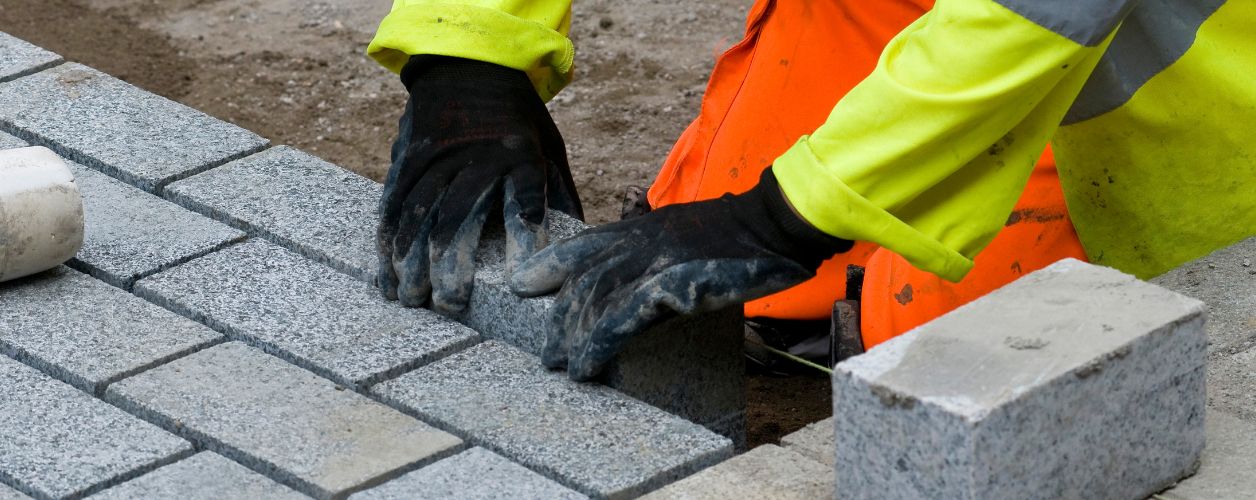
- Interlocking stone and brick paver installations for custom hardscaping.
- Driveway extensions to accommodate additional vehicles or RV parking.
- Asphalt resurfacing and protective sealcoating.
- Commercial parking lot construction and line striping.
- Sub-base grading, compaction, and drainage correction.
- Pothole patching, crack filling, and localized surface repairs.
- Installation of decorative stamped or exposed aggregate concrete.
- Retaining wall integration for sloped driveways.
- Permeable paving solutions for eco-friendly water management.
From Dirt to Driveway: The Installation Process
A successful installation follows a rigorous, multi-step process. It begins with a thorough site assessment, where the contractor evaluates soil conditions, property lines, and existing drainage. Underground utilities must be marked before any digging occurs. The physical work starts with demolition and excavation, removing the old, failing material and digging deep enough to create room for the new foundation. In cold climates, this excavation must go deep enough to mitigate the effects of frost heave.
Once excavated, the crew lays a granular sub-base, usually crushed gravel, which is heavily compacted using industrial vibrating rollers. This base is the most critical component of the entire project; if it is unstable, the top layer will inevitably crack. The surface is then carefully graded to ensure water runs toward the street or storm drains. Finally, the top material—whether it is hot-mix asphalt, wet concrete, or meticulously placed paving stones—is applied, leveled, and left to cure. The contractor will then advise you on how long you must keep vehicles off the new surface.
Your Future Paving Hero Is Just One Task Away — Let’s Find Them
How to Find the Ideal Paving Contractor
Choosing the right professional requires looking past the initial price tag. Experience is paramount. A contractor who has worked locally for years will understand the specific soil compositions in your area, whether it is heavy, water-retaining clay or loose, sandy earth. They will know exactly how thick your granular base needs to be to prevent winter cracking.
Evaluate their equipment and workforce. A reputable company will own modern, heavy-duty rollers, graders, and paving machines, rather than relying on undersized rental equipment that cannot achieve proper soil compaction. Transparency is another key indicator of a reliable professional. They should provide a detailed, written contract that specifies the exact depth of the excavation, the thickness of the base, and the thickness of the final surface material. Avoid operators who knock on your door claiming to have leftover asphalt from a nearby job; these are often high-pressure sales tactics that result in substandard, thin applications.
Understanding Costs and Budgeting for Your Project
The cost of installing a new surface varies widely, typically ranging from a few thousand dollars for a standard asphalt driveway to tens of thousands for expansive, custom interlocking stone. Pricing is heavily influenced by the material you select. Asphalt is generally the most cost-effective option, while poured concrete costs more but lasts longer. Custom brick or stone pavers sit at the premium end of the pricing spectrum due to the intensive manual labor required.
Beyond materials, the complexity of the site dictates the final bill. If your property has poor soil that requires deep excavation, or if the contractor needs to rent special equipment to navigate a narrow, hard-to-access backyard, labor costs will increase. Time constraints, local material availability, and the removal of the old surface also factor heavily into the estimate.
| Material / Service Type | Average Estimated Cost | Key Pricing Variables |
|---|---|---|
| Asphalt Installation | $4.00 - $8.00 per sq. ft. | Petroleum market prices, depth of sub-base required. |
| Poured Concrete | $8.00 - $15.00 per sq. ft. | Reinforcement needs (rebar/wire mesh), decorative finishes. |
| Interlocking Stone Pavers | $15.00 - $30.00 per sq. ft. | Quality of the stone, intricacy of the design pattern. |
| Asphalt Resurfacing (Overlay) | $2.00 - $4.00 per sq. ft. | Condition of the existing surface, amount of prep patching. |
When is it Time to Replace or Upgrade?
Homeowners and business managers typically require these services in the following scenarios:
- Extensive "alligator cracking" where the surface looks like shattered scales, indicating total base failure.
- Water pooling near the foundation of the home or in the middle of the driveway after rainstorms.
- A severe lack of parking space, requiring a permanent, structurally sound driveway extension.
- Preparing a property for sale, as a crumbling driveway severely diminishes initial curb appeal.
- Walkways or patios that have heaved upward due to frost, creating dangerous tripping hazards.
Your Future Paving Hero Is Just One Task Away — Let’s Find Them
Essential Questions to Ask Before Signing a Contract
Protect your investment by asking these critical questions during the consultation phase:
- How many inches of old material will you excavate, and how thick will the new crushed stone base be?
- What is the compacted thickness of the final asphalt or concrete layer?
- How do you ensure proper water drainage away from my garage and foundation?
- Do I need a municipal permit to widen my driveway or alter the curb, and do you handle that process?
- What type of compaction equipment will you use on the sub-base?
- What does your warranty cover, and does it protect against winter frost heaves or pooling water?
Costly Errors to Avoid During Your Project
The single biggest mistake property owners make is accepting a quote for resurfacing when a full excavation is actually required. Pouring new material over a crumbling, unstable base is a waste of money; the new layer will simply mirror the cracks of the old layer within a single winter. Another frequent error is choosing a contractor based entirely on the lowest bid. Abnormally low quotes almost always mean the contractor is cutting corners by digging a shallow base, applying a thin top layer, or using inferior, unwashed gravel that traps moisture.
Homeowners also commonly neglect to consider underground utilities. Failing to have a professional locate buried gas, water, or internet lines before excavation begins can lead to disastrous service interruptions and hefty fines. Finally, ignoring the curing time is a rapid way to ruin a new installation. Driving a heavy vehicle on fresh asphalt or concrete before the contractor's recommended waiting period will cause permanent tire depressions and structural weakness.
Cost Guide
Related Categories for Paving
Find Paving in States
- Paving in Alberta
- Paving in British Columbia
- Paving in Manitoba
- Paving in New Brunswick
- Paving in Newfoundland and Labrador
- Paving in Northwest Territories
- Paving in Nova Scotia
- Paving in Nunavut
- Paving in Ontario
- Paving in Prince Edward Island
- Paving in Quebec
- Paving in Saskatchewan
- Paving in Yukon
Answers to Your Common Questions
Paving contractors offer a wide range of services including asphalt and concrete paving, driveway installation, patio paving, walkway and path paving, resurfacing, sealing, pothole repairs, and commercial parking lot paving. They work with both residential and commercial clients to create durable, level surfaces.
The cost of paving in Canada depends on materials and job size. On average:
- Asphalt paving: $3 to $6 per square foot
- Concrete paving: $7 to $15 per square foot
- Interlocking pavers: $15 to $30 per square foot
Factors like site preparation, access, and removal of old surfaces can also impact pricing.
Paving is typically done during spring, summer, and early fall when temperatures are consistently above 10°C. Cold weather can affect how asphalt and concrete are set, so winter paving is generally not recommended unless using specific cold-mix materials for temporary fixes.
Most residential paving jobs take 1 to 3 days, depending on the size and surface prep required. Commercial projects may take longer. Weather, material curing times, and inspection delays can also affect the timeline.
Both materials perform well if installed correctly, but asphalt is generally preferred in regions with severe freeze-thaw cycles. Asphalt is petroleum-based and slightly flexible, allowing it to move with shifting ground without breaking. It also melts snow faster due to its dark color. Concrete is incredibly durable but rigid; it relies on precisely cut expansion joints to prevent winter cracking.
For fresh asphalt, you should generally keep vehicles off for 3 to 5 days, though you can usually walk on it after 24 hours. For poured concrete, it typically requires 7 full days of curing before it can support the weight of a vehicle.
This process, known as resurfacing or an overlay, is only possible if your existing surface has minor cosmetic issues but a perfectly sound, stable foundation. If the current surface is deeply cracked, sinking, or crumbling, it must be completely removed.
Premature cracking is almost always a symptom of poor sub-base preparation. If the base was not excavated deeply enough, not compacted sufficiently, or if water was allowed to pool beneath the surface, the winter freeze causes the trapped moisture to expand and shatter the material above it.
For asphalt, you should wait at least one full year before applying any sealant to allow the oils to cure fully. After that, sealcoating every 2 to 3 years protects it from UV damage and moisture penetration. Concrete should generally be sealed every 3 to 5 years.
Weeds do not grow from beneath the pavers; they grow from seeds that blow into the joints from the surface. Professional installers use specialized polymeric sand to fill these joints. When activated with water, this sand hardens into a durable bond that deters weed growth and resists insect infestations.