
Choose From the Finest Generator Installation & Repair Near You

Systek Electric Limited
Request a QuoteUpgrade your mast change location as a new code Rules.
Ne...
Find Generator Installation & Repair in Your Area
- Generator Installation & Repair in Edmonton
- Generator Installation & Repair in Victoria
- Generator Installation & Repair in Winnipeg
- Generator Installation & Repair in Fredericton
- Generator Installation & Repair in St. John's
- Generator Installation & Repair in Yellowknife
- Generator Installation & Repair in Halifax
- Generator Installation & Repair in Iqaluit
- Generator Installation & Repair in Toronto
- Generator Installation & Repair in Charlottetown
- Generator Installation & Repair in Quebec
- Generator Installation & Repair in Regina
- Generator Installation & Repair in Whitehorse
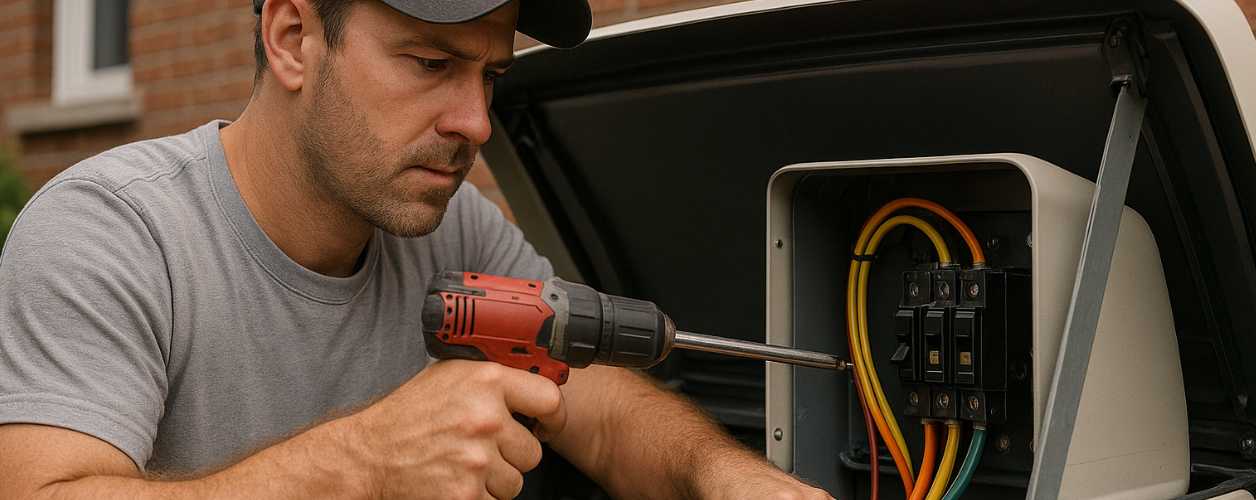
Generator Installation & Repair – Reliable Power When You Need It Most
A sudden power outage can be more than just a minor inconvenience; it can disrupt daily life, compromise safety, and lead to costly property damage like spoiled food or frozen pipes. Generator installation and repair services encompass the selection, setup, maintenance, and troubleshooting of backup power systems designed to keep your lights on when the main grid fails. Whether you are dealing with an aging grid, preparing for severe weather seasons, or simply wanting peace of mind for your family or business, a reliable backup power source is a highly practical investment.
Working with high-voltage electricity and live fuel lines is inherently dangerous, which is why hiring skilled professionals is absolutely crucial. Attempting DIY electrical or gas work poses serious fire and safety risks, and improper wiring can easily void expensive equipment warranties. By bringing in a qualified expert, you ensure that the machinery is safely integrated into your electrical panel and adheres to all building and safety codes. When you book a professional, you can expect a thorough property assessment, safe handling of heavy equipment, and a final system that works seamlessly the moment you need it most.
Your Future Generator Installation & Repair Hero Is Just One Task Away — Let’s Find Them
Understanding Backup Power Solutions and the Installation Process
Professionals in this field offer a variety of solutions tailored to different energy needs and budgets. Common services include permanent whole-house standby system installations, portable unit integration using manual transfer switches, routine preventative maintenance, and emergency repairs for machinery that fails to start. Maintenance services typically cover oil changes, battery checks, and filter replacements, which are vital for ensuring the system doesn't unexpectedly fail during an actual emergency.
The installation process typically begins with a detailed on-site consultation to calculate your electrical load. The technician will evaluate which appliances and systems you want to keep running during an outage, such as HVAC units, well pumps, refrigerators, and medical equipment. Based on this assessment, they will recommend a unit with the appropriate wattage. Once a unit is selected, the physical work involves preparing the site with a level concrete or gravel pad, running electrical conduit, connecting to a fuel source like natural gas or liquid propane, and installing the transfer switch at your main breaker panel.
Several factors will influence both the final cost and the timeline of your project. The size and electrical capacity of the unit are the biggest cost drivers, but site preparation also plays a significant role. If the technician needs to trench long distances to connect an underground gas line or upgrade your existing electrical panel to handle the new system, costs and project duration will increase. Furthermore, navigating zoning laws and securing the necessary building permits can add time to the schedule.
A frequent challenge property owners face is underestimating their power needs, leading to an overloaded system that immediately shuts down when pushed. Another common issue is neglecting routine maintenance, causing the system's battery to die or fuel lines to degrade just when the grid goes down. Working closely with an experienced technician helps you navigate these pitfalls, ensuring your system is correctly sized and properly maintained year-round.
Your Future Generator Installation & Repair Hero Is Just One Task Away — Let’s Find Them
How to Hire the Right Technician and Prepare for the Project
Finding a quality professional is the most important step in securing your property's backup power. Look for technicians who have specific experience with the brand of equipment you intend to purchase, as many major manufacturers require certified installers to keep their factory warranties valid. A reputable professional should be highly transparent about their workflow, willing to explain the math behind their load calculation, and proactive about handling necessary permits and utility company approvals.
One of the most common mistakes customers make is purchasing a large unit from a retailer before ever consulting an installer. Often, these units end up being the wrong size, lack the right features, or are incompatible with the property's existing fuel infrastructure. Another mistake is ignoring the physical placement of the machine; property lines, noise ordinances, and proximity to windows or vents must all be carefully considered to ensure safe exhaust dispersal and neighborhood compliance.
Before reaching out to a provider, take some time to prepare. Make a list of the essential appliances and electronics you absolutely must run during a blackout. Gathering a few recent utility bills can also help the technician understand your peak energy usage. Additionally, clear the area around your electrical panel and the outdoor space where the unit might be placed so the contractor has easy access during their initial assessment.
Questions to Ask Before Hiring
- Are you authorized by the manufacturer to install and service this specific brand?
- Who is responsible for obtaining the necessary electrical and plumbing permits?
- Does your estimate include the cost of site preparation and all gas line trenching?
- Do you offer ongoing maintenance contracts after the installation is complete?
- What is the warranty coverage on both the equipment and your labor?
During the installation, maintain clear communication with your contractor. Expect some noise, heavy lifting, and temporary power interruptions while they connect the transfer switch to your main panel. Once the job is done, the technician should walk you through a simulated power outage. This test run ensures the system kicks on automatically, the transfer switch operates smoothly, and you know exactly what to expect when a real outage occurs.
Cost Guide
Related Categories for Electricians
Find Generator Installation & Repair in States
- Generator Installation & Repair in Alberta
- Generator Installation & Repair in British Columbia
- Generator Installation & Repair in Manitoba
- Generator Installation & Repair in New Brunswick
- Generator Installation & Repair in Newfoundland and Labrador
- Generator Installation & Repair in Northwest Territories
- Generator Installation & Repair in Nova Scotia
- Generator Installation & Repair in Nunavut
- Generator Installation & Repair in Ontario
- Generator Installation & Repair in Prince Edward Island
- Generator Installation & Repair in Quebec
- Generator Installation & Repair in Saskatchewan
- Generator Installation & Repair in Yukon
Answers to Your Common Questions
Experts work with a range of generators, including portable, standby, whole-house, diesel, natural gas, and propane-powered units. They handle new installations, wiring, transfer switches, routine servicing, and emergency repairs.
Installation costs vary by generator type and size. Expect to pay around $500 to $3,000 for installation alone. A full standby generator system (including equipment and labour) can cost $5,000 to $12,000 or more, depending on power capacity and setup.
Routine maintenance is recommended at least once a year or after every 100–200 hours of use, depending on the model. Repairs are needed if your generator is leaking, making strange noises, not starting, or failing to supply consistent power.
In most areas, yes. Installing a standby generator usually requires electrical and gas permits, and must comply with local building codes. Hiring a licensed expert ensures your generator is installed safely and legally.