
Choose From the Finest Electrical System Installation & Repair Near You

Systek Electric Limited
Request a QuoteUpgrade your mast change location as a new code Rules.
Ne...
Find Electrical System Installation & Repair in Your Area
- Electrical System Installation & Repair in Edmonton
- Electrical System Installation & Repair in Victoria
- Electrical System Installation & Repair in Winnipeg
- Electrical System Installation & Repair in Fredericton
- Electrical System Installation & Repair in St. John's
- Electrical System Installation & Repair in Yellowknife
- Electrical System Installation & Repair in Halifax
- Electrical System Installation & Repair in Iqaluit
- Electrical System Installation & Repair in Toronto
- Electrical System Installation & Repair in Charlottetown
- Electrical System Installation & Repair in Quebec
- Electrical System Installation & Repair in Regina
- Electrical System Installation & Repair in Whitehorse
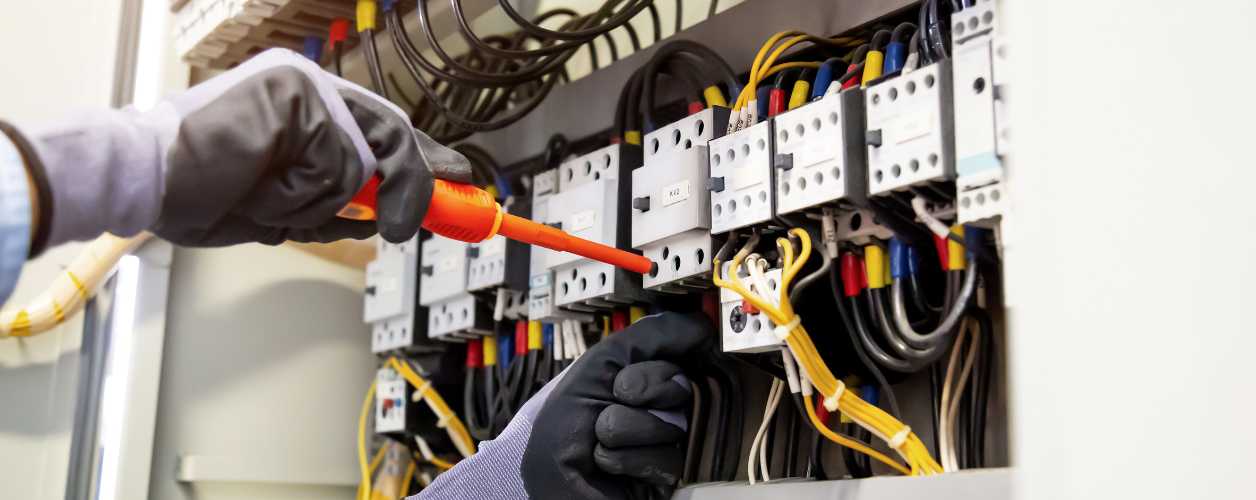
Electrical System Installation & Repair – Safe, Efficient, and Code-Compliant Solutions
The electrical system is the nervous system of any modern building. It powers everything from the critical infrastructure of a data centre to the simple convenience of a bedside lamp. While many aspects of home or office maintenance can be managed with a bit of DIY spirit, electrical work exists in a category of its own due to the inherent risks and technical complexities involved. Professional electrical system installation and repair involve the systematic setup, maintenance, and restoration of wiring, panels, and fixtures to ensure they operate safely and efficiently within the parameters of the Canadian Electrical Code.
Most property owners encounter the need for an electrician during two distinct phases: when things go wrong and when things need to improve. A repair might be triggered by a sudden loss of power, a sparking outlet, or a persistent circuit breaker that refuses to stay reset. On the other hand, installation services are often part of a proactive plan, such as upgrading a service panel to accommodate a new air conditioning unit or installing energy-efficient lighting across a commercial floor. In both scenarios, the goal is to create a system that is not only functional but also capable of handling modern electrical loads without overheating or creating fire hazards.
In Canada, the importance of hiring a certified professional cannot be overstated. Beyond the immediate danger of electric shock, improperly installed wiring is a leading cause of structure fires. Professionals bring more than just tools to a job; they bring an understanding of load calculations, grounding requirements, and material compatibility. They ensure that your property remains compliant with safety standards, which is vital for both your physical safety and your long-term insurance validity. Whether you are dealing with a flickering light in an old heritage home or designing the layout for a new industrial facility, specialized electrical expertise ensures the job is done right the first time.
Essential Electrical Services for Residential and Commercial Properties
- Full Property Rewiring: Replacing outdated aluminum or knob-and-tube wiring with modern copper wiring to meet current safety standards.
- Electrical Panel Upgrades: Increasing the capacity of your service panel (e.g., from 100-amp to 200-amp) to support modern appliances and technology.
- Circuit Breaker Replacement: Diagnosing and replacing faulty breakers that trip frequently or fail to protect the circuit.
- Lighting Design and Installation: Setting up interior recessed lighting, track lighting, and outdoor security or landscape illumination.
- EV Charger Station Installation: Setting up Level 2 charging ports for electric vehicles, including necessary dedicated circuits.
- Smart Home Integration: Installing automated switches, smart thermostats, and integrated security systems that require hardwired connections.
- Safety Inspections and Code Compliance: Comprehensive audits of existing systems to identify hazards and ensure they meet the latest electrical regulations.
- Surge Protection Systems: Installing whole-house or whole-building surge protectors to shield sensitive electronics from voltage spikes.
- Ceiling and Exhaust Fan Installation: Mounting and wiring fans in living spaces, bathrooms, or kitchens for improved ventilation.
- Power Outlet and Switch Services: Adding new outlets (including USB or GFCI types) or replacing worn-out switches and dimmers.
- Emergency Electrical Repairs: Rapid response for critical issues like power outages, burning smells from walls, or exposed live wires.
- Data and Communication Cabling: Running Ethernet or fibre optic lines for high-speed internet and internal office networks.
The Standard Workflow for Electrical Projects
When you engage a professional for electrical work, the process typically begins with a thorough diagnostic or consultation. For repairs, the electrician uses specialized testing equipment, such as multimeters or circuit tracers, to locate the "fault" or the break in the system. If it is an installation project, this phase involves reviewing floor plans and calculating the total electrical load to ensure the existing infrastructure can support the new additions. This planning stage is critical because it prevents future overloads that could lead to system failure.
Once the plan is established, the physical work commences. This may involve "fishing" wires through walls to minimize damage to drywall, mounting new boxes, or installing heavy-duty components like transformers or sub-panels. During this stage, the electrician adheres to strict colour-coding and grounding protocols. In many cases, especially for significant renovations or panel changes, the professional will coordinate with local utility companies or regulatory bodies to pull the necessary permits. This ensures that the work is documented and subject to inspection if required by local bylaws.
The final phase is testing and commissioning. A professional does not simply flip a switch and leave. They perform "load testing" to see how the system reacts under pressure, verify that all Ground Fault Circuit Interrupters (GFCIs) trip as intended, and ensure that the grounding system is continuous. After confirming everything is safe and functional, they provide the client with a clear explanation of the work performed. For larger projects, you should receive a certificate of inspection or a letter of completion, which serves as a vital record for your property’s history.
Your Future Electrical System Installation & Repair Hero Is Just One Task Away — Let’s Find Them
Selecting a Qualified Electrical Specialist
Verify Credentials and Specialized Expertise
The first step in choosing an electrical contractor is verifying their professional status. In Canada, look for "Red Seal" certification, which indicates the professional has met a national standard of excellence. Beyond basic licensing, consider their specific area of expertise. Some electricians specialize in residential service calls, while others focus on large-scale commercial installations or industrial machinery. If you are looking to install a complex smart home system or a specialized EV charging setup, ask the professional about their specific experience with those technologies. A specialist will be more familiar with the nuances and potential pitfalls of that specific task than a generalist might be.
Prioritize Safety and Insurance Coverage
Electrical work is high-risk, and you must ensure the professional you hire is fully insured. This includes both general liability insurance and workers' compensation coverage. Liability insurance protects your property in the event of an accidental fire or damage during the repair. Workers' compensation ensures that if an electrician is injured on your property, you are not held legally or financially responsible. Don't hesitate to ask for proof of insurance; any reputable professional will be happy to provide these documents. Additionally, ask about their safety record and what protocols they follow to protect your family or employees during the project.
Evaluate Communication and Transparency
A great electrician is also a great communicator. During the initial consultation, they should be able to explain the problem and the proposed solution in plain language, avoiding overly technical jargon. They should provide a clear, written estimate that breaks down the costs of labour and materials. Be wary of providers who give vague verbal quotes or refuse to put their promises in writing. Transparency in pricing and timelines is a hallmark of a reliable professional. Furthermore, pay attention to their responsiveness; if they take days to return a simple phone call during the bidding process, they may be difficult to reach if an issue arises mid-project.
Analyzing the Costs of Electrical Services
Pricing for electrical services can vary significantly based on the complexity of the task and the materials required. Most professionals charge an hourly rate for service calls, often with a minimum "call-out" fee to cover travel and initial diagnostic time. For larger, well-defined projects like a panel upgrade or a full basement wiring, they may offer a flat project rate. It is important to remember that the cheapest quote is not always the best value; high-quality electrical components and meticulous workmanship have a higher upfront cost but prevent expensive repairs or hazards in the future.
| Service Type | Average Cost Range (Estimated) | Primary Cost Drivers |
|---|---|---|
| Standard Service Call / Diagnostics | $150 - $350 | Travel time, complexity of the fault. |
| Electrical Panel Upgrade (200 Amp) | $2,500 - $5,000 | Permits, utility disconnect fees, brand of panel. |
| EV Charger Installation (Level 2) | $800 - $2,000 | Distance from panel, circuit capacity. |
| Outlet or Switch Installation | $150 - $300 per unit | Ease of access, wiring requirements. |
| Whole Home Rewiring | $8,000 - $20,000+ | Square footage, wall accessibility, age of home. |
Several factors influence the final invoice. Access is a major variable; if an electrician has to crawl through a cramped attic or remove sections of drywall to run wire, the labour costs will rise. Materials also play a role, as the price of copper fluctuates and high-end fixtures or specialized breakers (like AFCI/GFCI) are more expensive than standard parts. Finally, Urgency matters. Emergency repairs performed after hours, on weekends, or during holidays typically command a premium rate, often double the standard hourly fee.
When to Call a Professional: Real-World Scenarios
There are several situations where you should contact an electrical expert immediately. One of the most common is the "mystery trip," where a circuit breaker repeatedly shuts off despite you not adding any new appliances. This often indicates a short circuit or a ground fault that could lead to a fire if ignored. Another scenario is the "warm wall" or a burning plastic smell near an outlet; this is a sign of arcing, where electricity is jumping across a gap in a wire, generating extreme heat. If you see sparks when plugging in a device, or if your lights flicker whenever the refrigerator kicks on, your system is likely struggling to manage its current load and needs a professional assessment.
Beyond emergencies, use cases often involve modernization. Homeowners purchasing an older property frequently need a safety inspection to check for outdated wiring styles like aluminum, which was common in the 1960s and 70s and is known for expansion/contraction issues that loosen connections. Commercial property owners may need a professional to reorganize their electrical layout to accommodate new office equipment or to install industrial-grade surge protection to safeguard expensive servers. In all these cases, a professional ensures the system is scaled correctly for its intended use.
Your Future Electrical System Installation & Repair Hero Is Just One Task Away — Let’s Find Them
Critical Questions to Ask Before You Hire
Before committing to a contractor, it is essential to conduct a brief interview to ensure they are the right fit for your specific project. Start by asking: "Will you be the one performing the work, or will it be an apprentice or subcontractor?" It is common for Master Electricians to oversee a team, but you should know who will be on-site and what level of supervision they will have. Secondly, ask: "Do you handle all the necessary permits and inspections for this project?" A professional should take responsibility for the legal paperwork, ensuring the work is logged with the appropriate authorities.
Another important question is: "What kind of warranty or guarantee do you offer on both labour and parts?" Most reputable professionals provide at least a one-year warranty on their workmanship, while the parts may be covered by the manufacturer. Finally, ask: "Can you provide a detailed breakdown of the quote?" Understanding exactly what you are paying for—from the number of outlets to the specific brand of the panel—prevents "scope creep" and helps you compare quotes fairly. If a project involves cutting into walls, ask: "Are you responsible for patching the drywall or just the electrical work?" Knowing this ahead of time helps you budget for subsequent repairs.
Common Mistakes to Avoid During Electrical Projects
The most frequent mistake property owners make is attempting "partial DIY" electrical work. This often involves running the wires themselves and then asking an electrician to just "hook it up" to the panel. Most professionals will refuse this for liability reasons, as they cannot verify the integrity of the hidden wiring. Another common error is hiring an uncertified "handyman" for electrical tasks. While they might be cheaper, they often lack the specialized knowledge of load balancing and code requirements, which can lead to rejected insurance claims if a fire occurs.
Property owners also tend to underestimate their future power needs. For example, if you are finishing a basement, it is a mistake to only install the bare minimum of outlets. Adding circuits later is much more expensive than doing it while the walls are open. Similarly, ignoring minor warning signs like humming sounds or slightly discoloured outlet covers can lead to catastrophic failures. Addressing these small issues early is always more cost-effective than dealing with an emergency system replacement. Lastly, failing to check for references or reviews can lead to hiring someone with poor reliability, resulting in a project that drags on for weeks longer than necessary.
Cost Guide
Related Categories for Electricians
Find Electrical System Installation & Repair in States
- Electrical System Installation & Repair in Alberta
- Electrical System Installation & Repair in British Columbia
- Electrical System Installation & Repair in Manitoba
- Electrical System Installation & Repair in New Brunswick
- Electrical System Installation & Repair in Newfoundland and Labrador
- Electrical System Installation & Repair in Northwest Territories
- Electrical System Installation & Repair in Nova Scotia
- Electrical System Installation & Repair in Nunavut
- Electrical System Installation & Repair in Ontario
- Electrical System Installation & Repair in Prince Edward Island
- Electrical System Installation & Repair in Quebec
- Electrical System Installation & Repair in Saskatchewan
- Electrical System Installation & Repair in Yukon
Answers to Your Common Questions
Full system installation covers wiring, outlets, lighting, circuit breakers, panels, switches, grounding, and surge protection. It's typically done in new builds, renovations, or major upgrades, ensuring your home meets current electrical codes and safety standards.
Costs vary widely. Small repairs like replacing outlets or fixing faulty wiring might cost $100 to $300, while full home installations or rewiring can range from $3,000 to $10,000+, depending on the home size, layout, and job complexity.
If you're experiencing flickering lights, frequent breaker trips, burning smells, or outdated two-prong outlets, it's time for a repair or upgrade. Older homes often need panel replacements or rewiring to safely support modern appliances.
Electrical work should always be done by a licensed and insured electrician. DIY work can be dangerous, violate local codes, or void home insurance and warranties. Professionals ensure safe and code-compliant results.
Aluminum wiring is not inherently unsafe, but it requires specific maintenance and connections. It tends to expand and contract more than copper, which can loosen connections and create fire hazards. A professional can often "pigtail" aluminum wires with copper connectors using specialized equipment, making the system safe without the massive expense of a full house rewire.
While power strips with surge protection offer some help, a whole-house surge protector installed at the main panel provides a much higher level of security. It protects your large appliances (fridge, washer, HVAC) and your expensive electronics from external surges caused by lightning or utility grid fluctuations, which standard power strips cannot handle.
While power strips with surge protection offer some help, a whole-house surge protector installed at the main panel provides a much higher level of security. It protects your large appliances (fridge, washer, HVAC) and your expensive electronics from external surges caused by lightning or utility grid fluctuations, which standard power strips cannot handle.
For residential properties, a professional inspection every 10 years is recommended, or every 3 to 5 years if you live in an older home. For commercial or industrial properties, inspections should be more frequent—typically every year—due to the higher loads and complexity of the equipment used.
GFCI (Ground Fault Circuit Interrupter) outlets protect against electric shock in wet areas like kitchens and bathrooms. AFCI (Arc Fault Circuit Interrupter) breakers/outlets protect against fires caused by arcing (sparks). Current building codes require these in most areas of the home to maximize occupant safety.