
Find Window Tinting in Your Area
- Window Tinting in Edmonton
- Window Tinting in Victoria
- Window Tinting in Winnipeg
- Window Tinting in Fredericton
- Window Tinting in St. John's
- Window Tinting in Yellowknife
- Window Tinting in Halifax
- Window Tinting in Iqaluit
- Window Tinting in Toronto
- Window Tinting in Charlottetown
- Window Tinting in Quebec
- Window Tinting in Regina
- Window Tinting in Whitehorse
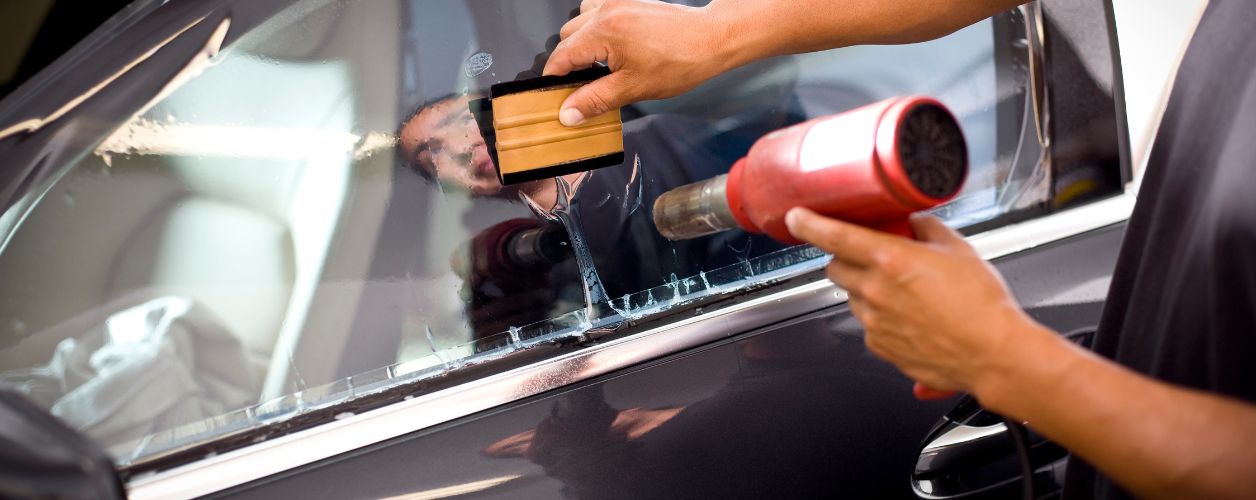
Discover Top-Notch Window Tinting Services Near You in Canada
Window tinting involves applying a thin, high-performance film to the interior or exterior of glass surfaces. Far more than a cosmetic upgrade, professional window tinting controls heat, reduces glare, blocks harmful ultraviolet rays, and adds privacy. The film consists of multiple layers that reject solar energy while maintaining visibility. Whether it’s a car, a home, or a commercial building, the right film improves comfort, protects interiors, and lowers energy costs.
People turn to window tinting services when a few specific frustrations surface. A west-facing living room may become unbearably hot in the afternoon, fading furniture and flooring. An office worker might struggle with screen glare that makes it hard to focus. A car owner may notice the steering wheel too hot to touch after a short stop in the sun. In each case, untreated glass turns a space into a greenhouse. Hiring a professional ensures the film is matched to the glass type, installed without bubbles or peeling, and backed by a manufacturer warranty. DIY attempts often end in wasted material and poor optical clarity.
Common Services Included in This Category
- Car window tinting services for sedans, trucks, and SUVs
- Home window tint installation focusing on heat rejection and glare control
- Residential privacy film installation including frosted and one-way mirror finishes
- Decorative window film installation for glass doors, partitions, and sidelights
- Commercial window tinting experts handling office buildings and retail spaces
- Office window tinting contractors addressing employee comfort and screen glare
- Storefront window tinting experts providing daytime privacy and UV shielding
- Solar control window films designed to block infrared heat while maintaining natural light
- UV protection window tinting to prevent fading of furniture, artwork, and merchandise
- Energy efficient window tint services that reduce cooling loads and stabilize indoor temperatures
- Heat reduction window film experts targeting rooms with extreme sun exposure
- Anti glare window tint installation for home offices and computer workstations
- Security window tinting contractors applying shatter-resistant films that hold glass together
- Ceramic window tinting experts offering maximum heat rejection without signal interference
- Frosted window film services that turn clear glass into a stylish privacy element
- Window tint repair and replacement services for bubbled, discolored, or peeling film
Your Future Window Tinting Hero Is Just One Task Away — Let’s Find Them
How Window Tinting Installation Typically Works
- Consultation and measurement: A professional assesses the windows, discusses your goals (heat reduction, privacy, UV blocking), and measures the glass. Film samples are shown to help visualize the finish and darkness level.
- Surface preparation: The glass is thoroughly cleaned with specialized solutions and razor blades to remove every speck of dust, oil, and adhesive residue. A flawless bond starts with perfectly clean glass.
- Film cutting: The film is cut to size. Many professional tint film installers use computer-cut software to create precise patterns that match the exact window dimensions, minimizing waste and handling.
- Application: A slip solution is misted onto the glass and the adhesive side of the film. The film is positioned, then squeegeed firmly from the center outward to remove solution and air, ensuring a smooth, bubble-free surface.
- Trimming and final detailing: Edges are trimmed to leave a tiny, uniform gap. The installer inspects for any trapped particles or moisture and addresses them before the film begins to set.
- Curing period: The film needs time to dry and fully adhere. A hazy or slightly cloudy appearance is normal for a few days. For vehicles, windows must remain closed during this time. Home and office windows should not be cleaned right away.
- Post-installation care: You receive instructions on safe cleaning products (ammonia-free) and a timeline for when the film can be touched. A trusted installer also explains the warranty coverage.
Choosing the Right Window Tinting Professional
Experience and Specialization
Not all installers work across every glass type. A technician who excels at automotive window tint specialists may not have the same depth with large commercial glass tinting contractors. Ask how many projects similar to yours they complete each year, and if they regularly handle dual-pane residential windows or complex commercial storefronts.
Film Quality and Manufacturer Partnerships
Top-tier films come from recognized manufacturers that stand behind their products. A reliable window tint installation company will be an authorized dealer, which gives you access to better warranties and ensures the film isn’t a low-cost import that fades or turns purple within two years. For premium heat rejection, look for ceramic, carbon, or nano-ceramic films rather than basic dyed options.
Portfolio and Real-World Results
Reputable residential and commercial tinting services will show you examples of completed jobs. Pay attention to edge alignment, cleanliness around frames, and how the film looks on glass comparable to yours. References or verified reviews can reveal whether the installer shows up on time, protects surrounding surfaces, and cleans up thoroughly.
Warranty and Aftercare Commitment
A meaningful warranty covers film failure such as bubbling, cracking, peeling, and excessive color change. The installation labor should also be guaranteed. Clarify how claims are handled and whether the installer will manage the replacement process with the film manufacturer. Long warranties are common for high-quality ceramic and security films.
Transparency and Communication
From the first call to the final walkthrough, the best professionals provide a written quote that breaks down material and labor, a realistic timeline, and a clear explanation of what to expect during the curing phase. They never rush you into a decision and can explain differences between solar control window films, low-E options, and decorative glass film specialists’ offerings without pressure.
Pricing Factors for Window Tinting Projects
The cost of window tinting depends on film type, window size, quantity, and access complexity. Basic dyed films used in automotive applications are the most affordable, while multi-layer ceramic or security films that reject up to 99% of UV rays and significantly lower heat come at a higher price. Professional installation adds value that prevents expensive rework.
| Service Type | Typical Cost Range ($) |
|---|---|
| Automotive window tint (sedan, dyed film) | $200 – $400 |
| Automotive ceramic window tint (full vehicle) | $400 – $900 |
| Residential window film (per standard window, solar control) | $150 – $600 |
| Full home sun control package (10–15 windows) | $1,500 – $4,500 |
| Commercial storefront tinting (per square foot installed) | $5 – $14 |
| Security window film (per square foot, anchored system) | $8 – $20 |
| Decorative or frosted film (per square foot, custom) | $7 – $18 |
Several factors shift the final price. Removing old, bubbled tint adds labor. Windows with many mullions or curved automotive glass require more detailed cutting. Dual-pane residential windows need film specifically approved to prevent thermal stress breakage, which can be costlier. Upgrading to a ceramic or nano-ceramic film increases heat rejection and clarity but carries a premium. Energy efficient window tint services may also qualify for utility rebates in some areas, which can offset the initial investment.
Your Future Window Tinting Hero Is Just One Task Away — Let’s Find Them
Real-World Scenarios That Benefit from Tinting
- A home office with intense afternoon glare making it impossible to see the monitor clearly.
- A south-facing living room where furniture, hardwood floors, and artwork are fading rapidly despite blinds.
- An SUV used for family road trips where the air conditioning struggles on hot days and small children feel the heat through side windows.
- A ground-level apartment needing privacy without heavy drapes that block natural light.
- A retail storefront losing customers because the bright interior display area becomes uncomfortably warm.
- A conference room with floor-to-ceiling glass where meetings are disrupted by reflections and a lack of visual privacy.
- A restaurant with large windows trying to create a comfortable dining ambiance while cutting cooling costs.
- A warehouse office where smashed glass during a break-in risked injury, prompting the need for security film.
- An older commercial building upgrading to modern architectural window films to improve energy ratings without replacing windows.
Questions to Ask Before You Hire
- Are you fully licensed and insured for this type of work?
- Which film brands do you install, and are you an authorized dealer for them?
- Can you provide photos or references from projects similar to mine?
- What does your warranty cover, and how long does it last for film and labor?
- Will the film you recommend work safely on my dual-pane windows?
- How do you handle old film removal if mine is bubbling or faded?
- Do you use computer-cut patterns or hand-cut film, and what are the advantages?
- What is the curing time, and when can I safely clean the windows or roll down my car windows?
Mistakes That Lead to Regret
- Choosing the cheapest quote without comparing film quality. Low-grade dyed films discolor fast and offer minimal heat rejection, turning a bargain into a costly redo.
- Skipping the professional consultation and going DIY. Without training, bubbles, creases, and visible debris are common, and there’s no warranty to fall back on.
- Ignoring film-to-glass compatibility. Applying a high-absorption film on certain dual-pane windows can cause glass cracking or seal failure.
- Not asking about maintenance. Using ammonia-based cleaners or abrasive tools will scratch and break down the film prematurely.
- Overlooking visible light transmission limits. Even if you want maximum privacy, automotive tints must meet legal darkness requirements to stay safe and roadworthy.
- Assuming all films block heat equally. A dark film doesn’t automatically mean high heat rejection—solar control window films are engineered for that specific task.
- Forgetting to clean the glass yourself beforehand. While professionals do a deep clean, leaving caked-on dirt or sticker residue can complicate prep and lead to adhesion flaws.
Cost Guide
Related Categories for Windows & Doors
Find Window Tinting in States
- Window Tinting in Alberta
- Window Tinting in British Columbia
- Window Tinting in Manitoba
- Window Tinting in New Brunswick
- Window Tinting in Newfoundland and Labrador
- Window Tinting in Northwest Territories
- Window Tinting in Nova Scotia
- Window Tinting in Nunavut
- Window Tinting in Ontario
- Window Tinting in Prince Edward Island
- Window Tinting in Quebec
- Window Tinting in Saskatchewan
- Window Tinting in Yukon
Answers to Your Common Questions
Window tinting involves applying a thin, transparent film to glass surfaces to reduce glare, block UV rays, enhance privacy, and improve energy efficiency. It’s commonly used on car windows, home windows, and commercial buildings.
Prices vary depending on the type of tint, window size, and number of windows. On average:
- Residential/commercial window tinting: $6 to $12 per square foot
- Automotive tinting: $150 to $400+ for full vehicle coverage
Yes, but laws vary by province, especially for automotive tinting. For example, some provinces like Ontario allow tinting on rear windows only, while front window tinting has strict limits. Always check local regulations or consult a professional installer.
Quality window tinting can last 10 to 20 years for residential or commercial applications, and 5 to 10 years for vehicles. Longevity depends on film type, installation quality, and exposure to sunlight.