
Find Window Caulking in Your Area
- Window Caulking in Edmonton
- Window Caulking in Victoria
- Window Caulking in Winnipeg
- Window Caulking in Fredericton
- Window Caulking in St. John's
- Window Caulking in Yellowknife
- Window Caulking in Halifax
- Window Caulking in Iqaluit
- Window Caulking in Toronto
- Window Caulking in Charlottetown
- Window Caulking in Quebec
- Window Caulking in Regina
- Window Caulking in Whitehorse
Discover Top-Rated Window Caulking Experts Near You
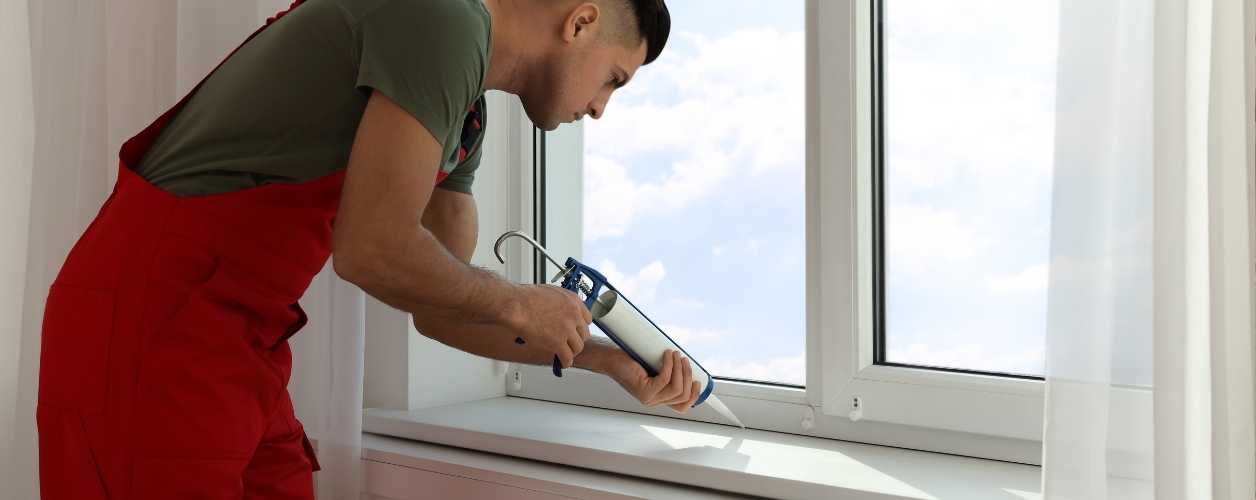
Window caulking involves applying a flexible, waterproof sealant around window frames, glass panes, and the joints where windows meet walls. Far from being a simple cosmetic touch-up, proper caulking creates an airtight and watertight barrier that protects the interior of a building from the elements. When done correctly by window caulking experts, this process stops moisture intrusion, eliminates drafts, and significantly improves energy performance.
You might need window caulking services if you notice crumbling or cracked sealant around your frames, feel cold air near closed windows during winter, or spot condensation trapped between panes of glass. Renovation projects also frequently reveal degraded seals that went unnoticed behind trim or siding. Homeowners often discover the need after a heavy rainstorm reveals water staining on interior drywall, while commercial property managers typically schedule inspections after noticing rising heating or cooling costs across their buildings.
While DIY caulking products line hardware store shelves, achieving a lasting, invisible seal demands professional skill. Exterior window caulking specialists understand how different materials expand and contract with temperature swings, which sealants bond properly to vinyl, wood, aluminum, or fiberglass, and how to prepare surfaces so the new seal doesn't fail within a year. Professional application ensures the job addresses the root cause of the problem rather than just masking a symptom temporarily.
Your Future Window Caulking Hero Is Just One Task Away — Let’s Find Them
What Professional Window Caulking Services Include
When you hire trusted window sealing professionals, their scope of work typically extends well beyond running a simple bead of caulk. The most comprehensive providers offer a full suite of services designed to address every potential point of failure around your windows.
- Full removal of old, failed caulking and sealant from window perimeters
- Interior window sealant application to stop air leakage and condensation
- Exterior window caulking and weatherproofing to block rain and wind
- Silicone window caulking for high-movement joints on vinyl and metal frames
- Cracked seal repair and reglazing for loose or deteriorating glass panes
- Window gap sealing where frames have separated from surrounding walls
- Draft proof window sealing to eliminate cold spots and improve comfort
- Moisture protection window sealing for basements and high-humidity areas
- High rise window caulking for multi-story commercial and residential buildings
- Door and window caulking as a combined air leakage prevention package
- Thermal insulation caulking to boost overall building envelope performance
- Renovation caulking for newly installed windows during remodeling projects
- Office window caulking services tailored to commercial storefront systems
- Custom window sealing solutions for unusually shaped or heritage windows
How the Professional Caulking Process Unfolds
Understanding the typical workflow helps set realistic expectations whether you're booking residential window sealing contractors or arranging a large-scale commercial project. While every provider has their own approach, reliable caulking companies generally follow a structured sequence.
Initial Assessment and Diagnosis
The process begins with a thorough visual inspection of all windows in scope. The contractor identifies failed seals, measures gaps, checks for hidden moisture damage with a moisture meter, and determines which type of sealant was previously used. This step is crucial because applying new caulk over incompatible old sealant almost guarantees premature failure. For commercial window caulking services, this phase may also involve a review of building envelope drawings or past maintenance records.
Surface Preparation
Preparation is where the real work happens. The contractor removes every trace of old caulking using specialized tools like oscillating scrapers, utility knives, and sometimes chemical softeners for stubborn silicone. The exposed joint is then thoroughly cleaned to eliminate dust, debris, and any oily residue. On exterior surfaces, this may involve power washing and allowing the substrate to dry completely. Skipping or rushing this step is the single biggest cause of new caulk failing within months.
Backer Rod Installation and Priming
For gaps wider than about a quarter inch, window gap sealing contractors insert a closed-cell foam backer rod into the joint. This serves two purposes: it prevents the sealant from sinking too deep and wasting material, and it creates the proper hourglass-shaped sealant profile that allows the joint to flex without tearing. In some cases, a specialty primer is applied to ensure the new sealant bonds aggressively to porous or difficult surfaces like aged wood or certain plastics.
Precision Sealant Application
Using a high-quality caulking gun, the professional applies the chosen sealant in a continuous, even bead. The technique matters immensely here. The gun must be held at a consistent angle, and the bead must fully fill the joint without trapping air bubbles. Professional sealant application contractors know exactly how fast to move based on temperature, humidity, and the specific product's working time.
Tooling and Finishing
Immediately after application, the fresh bead is tooled with a specialized spatula or a gloved finger. This isn't just for aesthetics. Proper tooling presses the sealant firmly against both sides of the joint, eliminates hidden voids, and creates the concave profile that allows the sealant to stretch and compress as the window frame expands and contracts. The contractor then removes any excess and ensures clean, straight lines.
Cure Time and Quality Check
Different sealants cure at different rates. High-quality silicone typically skins over within thirty minutes but may need twenty-four hours or longer to fully cure. The contractor should advise you on when the windows can be exposed to rain or cleaned. A final walkthrough confirms every joint is properly sealed and the work area is spotless.
Choosing the Right Window Caulking Professional
Selecting from the many local window caulking companies available can feel overwhelming. Breaking the decision down into specific criteria makes the process manageable and helps ensure you hire a provider who will deliver lasting results.
Proven Experience with Your Window Type
Not all caulking experience is equal. Ask specifically whether the contractor has worked extensively with your window material, whether that's vinyl, aluminum, wood, fiberglass, or a combination. Glass window caulking specialists who primarily handle commercial storefronts may not be the best fit for a heritage home with wood sash windows. Look for providers who can clearly articulate the unique challenges your specific window type presents.
Material Knowledge and Product Selection
A knowledgeable contractor won't reach for the same tube for every job. Silicone window caulking experts should be able to explain why they're choosing a neutral-cure silicone over an acetoxy-cure for your particular application, or when a hybrid polyether sealant might outperform either. This conversation alone often reveals whether you're dealing with a true professional or someone who simply knows how to operate a caulking gun.
Insurance and Safety Credentials
For any work above ground level, proper liability insurance and workplace safety coverage are non-negotiable. This is especially critical for high rise window caulking contractors who perform exterior work at significant heights. Always ask for proof of current insurance before allowing anyone onto your property.
Warranty and Follow-Up Commitment
Durable silicone sealant services should come with a meaningful warranty on both materials and workmanship. Ask what's covered, for how long, and what the process looks like if a seal fails. Contractors who stand behind their weatherproofing window services will clearly outline this without hesitation.
Transparent Communication and Pricing
The right provider delivers a detailed, written estimate that breaks down scope, materials, labor, and any exclusions. If the quote seems vague, request clarification before proceeding. Affordable window sealing services shouldn't cut corners on preparation or product quality, and a good contractor will explain exactly where your investment is going.
Understanding Window Caulking Costs
How much does it cost to hire window caulking experts? Pricing varies significantly based on the project's scope, accessibility, and the condition of existing seals. Below is a general framework to help you understand what to expect when requesting estimates for residential and commercial window sealing.
| Service Type | Typical Cost Range (CAD) | What's Included |
|---|---|---|
| Single window reseal (standard ground floor) | $150 – $350 per window | Old sealant removal, surface prep, new exterior-grade sealant, basic cleanup |
| Whole-house window caulking (10–15 windows) | $1,800 – $4,500 total | Full prep on all windows, premium sealant, interior and exterior work as needed |
| High-rise or difficult-access windows | $400 – $800+ per window | Swing stage or lift access, specialized safety equipment, comprehensive sealing |
| Commercial storefront resealing | $25 – $55 per linear foot | Large-format sealant removal, structural joint repair if needed, silicone application |
| Cracked glass seal repair only | $100 – $250 per window | Glass-to-frame sealant replacement without full perimeter caulking |
| Emergency leak repair callout | $350 – $700 minimum | Priority scheduling, temporary moisture protection, targeted sealant repair |
What Influences the Final Price
Several variables move the needle on cost. Accessibility is often the biggest factor. Second-story windows requiring ladder work cost more than walk-up ground-floor units, and exterior facade sealing for tall buildings requires specialized equipment. The condition of existing caulking matters too. If old sealant comes off cleanly, preparation is quick. If it's baked on, crumbling, or layered over multiple failed attempts, labor hours climb. Material choice affects pricing as well, with high-performance architectural-grade silicones costing more per tube than basic acrylic latex caulks. Finally, urgency plays a role. Booking energy efficient window caulking during peak fall season often comes at a premium compared to off-peak scheduling.
Your Future Window Caulking Hero Is Just One Task Away — Let’s Find Them
When Homeowners and Businesses Typically Need This Service
Window caulking problems rarely announce themselves loudly. More often, they develop gradually until the cumulative effects become impossible to ignore. Recognizing these common scenarios helps you act before minor seal failures escalate into costly water damage or mold remediation.
- Noticing a persistent draft even when windows are fully closed and locked, especially during winter months when the temperature difference is most obvious.
- Discovering water stains, bubbling paint, or soft drywall on interior walls directly below or beside window openings after rainfall.
- Seeing daylight through gaps where the window frame meets the exterior siding or brick, indicating a complete seal failure that invites both air and water intrusion.
- Finding condensation or fog trapped between double or triple-pane glass, which signals that the insulated glass unit's internal seal has failed and needs professional cracked seal repair.
- Experiencing unexplained spikes in heating or cooling bills despite no changes in usage patterns, often caused by cumulative air leakage through multiple failing window seals.
- Preparing a home or commercial property for extreme weather seasons by proactively engaging weatherproofing window experts to reinforce the building envelope.
- Completing a renovation or window replacement project that requires renovation caulking specialists to properly seal the new installations to the rough opening.
- Hearing whistling or howling sounds around windows during windy conditions, a clear acoustic indicator of window gap sealing issues.
- Managing a commercial or strata property where a systematic exterior facade sealing program is part of long-term maintenance planning.
- Addressing moisture protection concerns in below-grade windows where hydrostatic pressure and soil contact demand specialized sealing approaches.
Questions to Ask Before You Hire
Arming yourself with the right questions transforms the hiring process from a guessing game into a structured evaluation. Here's what to ask any window caulking contractor before signing an agreement.
- "What type of sealant do you recommend for my specific window material, and why?" The answer should reference your frame material, exposure level, and whether the joint needs to accommodate significant movement.
- "How do you prepare the surface before applying new sealant?" Listen for specifics like mechanical removal methods, cleaning solvents, and whether they check for moisture before sealing.
- "Can you provide references from similar projects completed at least two years ago?" Long-term performance matters more than a fresh, untested application.
- "What is your warranty on workmanship, and how do you handle callbacks if a seal fails prematurely?" The answer should include a clear timeline and process.
- "Do you carry liability insurance and workplace safety coverage appropriate for the height and access requirements of my project?" This is non-negotiable for any work above ground level.
- "Will you provide a written estimate that breaks down labor, materials, and any potential additional costs for hidden damage discovered during the work?"
- "How do you protect surrounding surfaces, interior furnishings, and landscaping during the preparation and application process?"
Mistakes That Undermine Window Caulking Projects
Even with good intentions, it's easy to make decisions that compromise the longevity and effectiveness of window sealing work. Being aware of these common pitfalls helps you avoid costly do-overs.
- Applying new caulk directly over old, failing sealant without complete removal. This guarantees adhesion failure because the new product bonds to the old surface rather than the window frame itself.
- Using the wrong type of sealant for the application. Cheap acrylic latex caulk cannot handle the expansion and contraction of exterior window joints, while certain silicones won't adhere to painted wood.
- Ignoring interior window sealant needs entirely. Focusing solely on exterior waterproofing while leaving interior gaps unsealed allows warm, moist indoor air to reach the cold window frame, causing hidden condensation and mold inside wall cavities.
- Hiring based exclusively on the lowest quote for affordable window sealing services without verifying what preparation steps, products, and warranty are included at that price point.
- Skipping the backer rod in deeper joints, which leads to three-sided adhesion that restricts the sealant's ability to stretch and causes premature tearing.
- Attempting exterior caulking in wet, freezing, or extremely hot conditions. Most sealants have specific temperature and humidity requirements for proper curing.
- Neglecting regular inspection after the work is complete. Window maintenance and resealing is an ongoing responsibility, and catching early signs of wear prevents major failures.
Cost Guide
Related Categories for Window Caulking
Find Window Caulking in States
- Window Caulking in Alberta
- Window Caulking in British Columbia
- Window Caulking in Manitoba
- Window Caulking in New Brunswick
- Window Caulking in Newfoundland and Labrador
- Window Caulking in Northwest Territories
- Window Caulking in Nova Scotia
- Window Caulking in Nunavut
- Window Caulking in Ontario
- Window Caulking in Prince Edward Island
- Window Caulking in Quebec
- Window Caulking in Saskatchewan
- Window Caulking in Yukon
Answers to Your Common Questions
Window caulking seals gaps around your window frames to prevent air drafts, water leaks, and pest entry. It improves energy efficiency and protects your home from moisture damage and mould growth.
If you notice cracked, peeling, or missing caulk, drafts, condensation, or increased energy bills, it’s likely time to recaulk your windows. Professionals can assess and reseal them properly.
Professional window caulking typically costs $5 to $15 per window or $150 to $400 for a whole-home job, depending on the number of windows, accessibility, and condition of old caulking.
High-quality exterior caulking can last 5 to 10 years, depending on weather exposure and materials used. Interior caulking often lasts longer if not exposed to moisture or sun.