
Choose From the Finest Water Filtration System Installation Near You

Vasdhani Empire
Request a Quote
Prosafe Plumbing and Mechanical Ltd
Request a Quote
Aquanex
Request a QuoteFind Water Filtration System Installation in Your Area
- Water Filtration System Installation in Edmonton
- Water Filtration System Installation in Victoria
- Water Filtration System Installation in Winnipeg
- Water Filtration System Installation in Fredericton
- Water Filtration System Installation in St. John's
- Water Filtration System Installation in Yellowknife
- Water Filtration System Installation in Halifax
- Water Filtration System Installation in Iqaluit
- Water Filtration System Installation in Toronto
- Water Filtration System Installation in Charlottetown
- Water Filtration System Installation in Quebec
- Water Filtration System Installation in Regina
- Water Filtration System Installation in Whitehorse
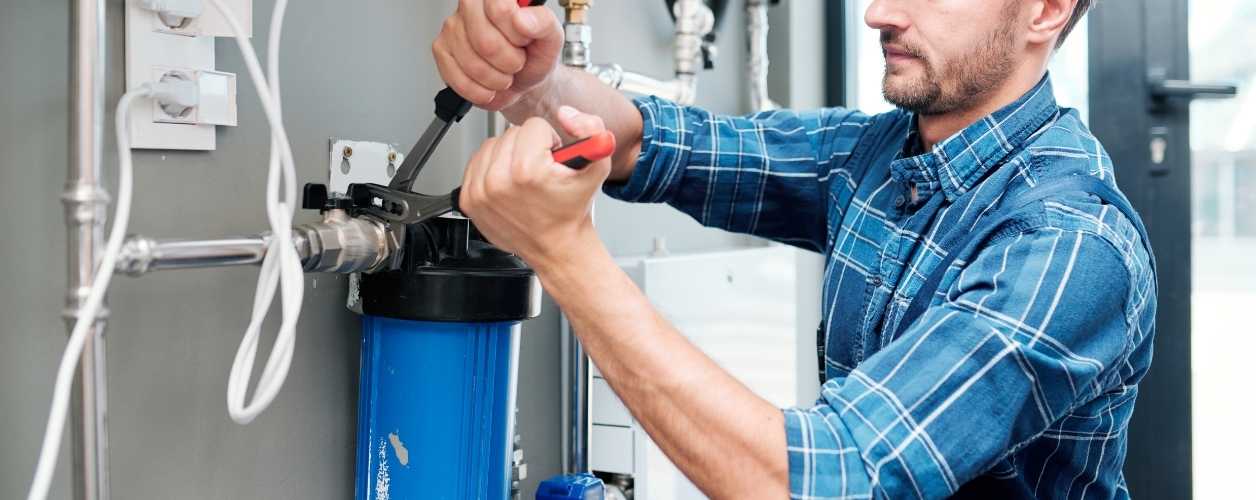
Water Filtration System Installation Experts – Cleaner, Safer Water at Home
Water filtration system installation is the process of integrating treatment equipment into your home or business plumbing to remove contaminants and improve water quality. Rather than simply attaching a filter to a faucet, professional installation involves assessing your water chemistry, selecting appropriate technology, and modifying plumbing to ensure optimal performance without compromising water pressure or safety.
You might need these services when you notice persistent signs of water quality issues. Perhaps your tap water carries a sulfur smell reminiscent of rotten eggs, or your glassware emerges from the dishwasher with stubborn white spots. Some households discover alarming test results showing elevated lead, bacteria, or nitrates, especially those relying on private wells. Others simply grow tired of purchasing bottled water and want a permanent solution that delivers clean drinking water from every tap.
Professional expertise matters enormously in this field because water treatment is not a one-size-fits-all proposition. An experienced technician understands how different contaminants require different treatment media, how flow rates affect system sizing, and how improper installation can create cross-connections that contaminate your water supply. They also navigate plumbing codes to ensure your system operates legally and safely. Without this knowledge, you risk investing in equipment that fails to address your actual water problems or, worse, creates new ones.
Common Services Offered by Water Filtration Experts
When you hire water filtration system installation experts, the scope of work typically extends far beyond mounting a device. Professionals offer comprehensive services tailored to specific water quality challenges and household needs.
- Whole house water filtration installation – connecting systems at the main water line to treat all incoming water before it reaches any fixture
- Reverse osmosis system installation – mounting multi-stage under-sink units with dedicated faucets and storage tanks for purified drinking water
- Under sink water filter installation – compact point-of-use solutions that treat water at a single kitchen or bathroom tap
- UV water purification system installation – integrating ultraviolet light chambers that neutralize bacteria, viruses, and pathogens without chemicals
- Water softener installation – connecting ion exchange units that remove calcium and magnesium to eliminate scale buildup throughout the home
- Sediment filter installation – adding pre-filtration stages that capture sand, rust, and particulate matter protecting downstream equipment
- Carbon water filter installation – deploying activated carbon media to reduce chlorine, tastes, odors, and certain organic compounds
- Commercial reverse osmosis systems – designing and installing high-capacity units for restaurants, breweries, laboratories, and manufacturing
- Well water treatment system setup – custom configurations addressing iron, manganese, hydrogen sulfide, and coliform bacteria common in private wells
- Alkaline water system installation – adding remineralization stages that raise pH and restore beneficial minerals after purification
- Smart water filtration system integration – connecting monitoring devices that track usage, filter life, and water quality through mobile apps
- Water filtration repair and maintenance – diagnosing performance issues, replacing media, sanitizing systems, and restoring optimal function
- Custom water treatment solutions – engineering multi-stage systems combining softeners, filters, and disinfection for complex water chemistry
- Emergency water filtration services – rapid response to sudden contamination events, equipment failures, or boil-water advisories
- Point-of-entry inspection and water testing – laboratory analysis that identifies specific contaminants before recommending treatment options
Your Future Water Filtration System Installation Hero Is Just One Task Away — Let’s Find Them
How the Installation Process Typically Works
Understanding the typical workflow helps you prepare for what lies ahead. While every project differs based on system type and site conditions, professional water filtration installation generally follows a logical progression from assessment to handover.
Initial Consultation and Water Testing
The process begins with a thorough discussion of your concerns. Are you noticing taste issues, staining on fixtures, dry skin after showering, or specific health worries? The professional will examine your plumbing configuration, identify the main water line entry point, and assess available space for equipment. If you haven't already conducted testing, they'll collect water samples for laboratory analysis. This step is critical because treatment decisions must be based on actual contaminant levels, not guesswork. Results typically take several days and reveal everything from hardness minerals and iron content to pH levels and bacterial presence.
System Design and Proposal
Once test results arrive, the professional designs a solution matching your water chemistry and household demands. For whole house systems, they calculate flow rate requirements based on the number of bathrooms and fixtures to ensure you won't experience pressure drops during peak usage. For drinking water systems, they consider your daily consumption patterns and under-sink cabinet dimensions. The proposal should clearly explain what each treatment stage accomplishes, the expected maintenance schedule, and the total investment required.
Site Preparation and Plumbing Modifications
On installation day, the team protects work areas with drop cloths and confirms equipment placement with you. They shut off the main water supply and may need to cut into existing plumbing lines to create connection points. For whole house systems, this often involves installing a bypass loop that allows you to direct water around the filtration system for maintenance or emergencies. The technician mounts brackets, levels equipment, and ensures adequate clearance for future filter changes. Electrical connections may be required for UV lamps, booster pumps, or smart monitoring components.
Equipment Installation and Connection
The filtration equipment is carefully positioned and connected according to manufacturer specifications and plumbing codes. Drain lines are installed for backwashing systems like softeners and certain carbon filters. Air gaps are maintained to prevent contaminated water from siphoning back into the treatment equipment. For reverse osmosis units, the storage tank and dedicated faucet are mounted, with the faucet usually replacing a sink-top soap dispenser hole or requiring a new counter penetration.
System Commissioning and Testing
After connections are complete, the water is slowly turned back on and every joint is inspected for leaks. The system undergoes its initial startup sequence, which may include flushing carbon fines from new filter cartridges or filling the reverse osmosis storage tank. The professional tests treated water quality against pre-installation benchmarks to verify the system is performing as designed. They'll run through multiple cycles on backwashing systems to confirm proper regeneration programming.
Walkthrough and Documentation
The final step involves showing you exactly how the system operates. You'll learn what normal sounds and indicator lights mean, how to interpret any display screens, and the schedule for filter replacements or salt refills. The professional should leave behind manuals, warranty information, and a maintenance log. They'll explain what to watch for between service visits and provide contact information for follow-up questions.
How to Choose the Right Water Filtration Professional
Selecting among available water filtration installation services requires evaluating several dimensions beyond simply comparing price quotes. The right professional brings technical competence, honest communication, and long-term reliability to a system your family will depend on daily.
Verify Credentials and Specialized Training
Look for professionals who hold relevant plumbing licenses and certifications from recognized industry bodies such as the Water Quality Association. These credentials indicate formal training in water chemistry, treatment technologies, and proper installation practices. Many manufacturers also offer certification programs for their specific equipment lines. A professional who has invested in ongoing education demonstrates commitment to staying current with evolving filtration technology.
Assess Depth of Experience
Ask how many systems similar to yours they've installed. A professional who primarily handles kitchen point-of-use filters may not be the best choice for a complex whole house system addressing well water with multiple contaminants. Inquire about their experience with your specific water quality challenges. Someone who has successfully treated iron bacteria or high nitrate levels brings practical troubleshooting skills that classroom training alone cannot provide.
Evaluate Their Assessment Process
Be wary of any professional who provides a firm quote without first testing your water. Treatment recommendations built on assumptions rather than analysis often lead to systems that underperform or address the wrong problems. A thorough professional insists on laboratory testing or, at minimum, conducts on-site tests for key parameters before designing a solution.
Insist on Transparent Pricing
The proposal should itemize equipment costs, labor charges, any necessary plumbing modifications, and expected maintenance expenses. Ask whether the quote includes post-installation follow-up testing to verify performance. A trustworthy professional explains what each line item covers rather than presenting a single opaque number. They should also discuss long-term ownership costs, including replacement filter cartridges, membrane life expectancy, and salt consumption for softeners.
Check Responsiveness and Communication
Notice how promptly they return calls and how clearly they answer technical questions. A professional who rushes through explanations or dismisses your concerns may be equally difficult to reach if problems arise later. The best installers educate you during the consultation process, helping you understand trade-offs between different treatment approaches without pressuring a decision.
Confirm Warranty and Post-Installation Support
Understand exactly what the warranty covers and for how long. Equipment warranties from manufacturers are separate from installation workmanship guarantees offered by the professional. Ask about their policy if something goes wrong shortly after installation. Do they prioritize service calls from existing customers? A professional who stands firmly behind their work demonstrates confidence in their installation quality.
General Pricing Factors for Water Filtration Installation
The cost of professional water filtration installation varies substantially based on system complexity, your existing plumbing configuration, and the contaminants being treated. Understanding what drives these costs helps you evaluate quotes and budget appropriately.
| System Type | Typical Installation Cost Range ($) | Key Cost Drivers |
|---|---|---|
| Under sink water filter | $150 – $400 | Accessibility of plumbing, need for dedicated faucet |
| Reverse osmosis system (point-of-use) | $300 – $700 | Number of stages, storage tank placement, drain line access |
| Whole house sediment/carbon system | $500 – $1,500 | Pipe diameter, bypass valve complexity, mounting surface |
| Water softener | $400 – $1,200 | Drain line distance, electrical outlet availability |
| UV disinfection system | $300 – $800 | Electrical requirements, pre-filtration needs, flow rate sizing |
| Whole house multi-stage system | $1,500 – $3,500 | Custom engineering, significant plumbing modifications |
| Commercial reverse osmosis system | $2,000 – $8,000+ | Capacity requirements, pump systems, storage tanks, permits |
What Influences the Final Price
Several factors push installation costs higher or lower. Accessibility plays a major role; a basement with an exposed main water line and nearby drain simplifies the job considerably, while a cramped crawlspace or finished ceiling requiring drywall work adds labor hours. The age and material of your plumbing matters too. Older galvanized pipes or polybutylene may need more extensive modifications than modern copper or PEX. Required permits and inspections, though adding upfront expense, provide important oversight ensuring code-compliant work.
Water chemistry complexity affects system design and therefore cost. Addressing a single issue like chlorine taste with a carbon filter costs far less than treating well water containing iron, manganese, sulfur, and coliform bacteria simultaneously. The latter requires multiple treatment stages, larger equipment, and more intricate plumbing integration. Additionally, some installations need electrical work for UV lamps, booster pumps, or control valves, which may require a licensed electrician if the installer doesn't handle that scope.
Common Problems That Water Filtration Systems Solve
Homeowners and businesses seek water filtration solutions for reasons ranging from nuisance issues to serious health concerns. Recognizing these scenarios helps you identify whether professional treatment makes sense for your situation.
- Hard water scale buildup – white crusty deposits on faucets, showerheads, and inside appliances that reduce efficiency and shorten equipment lifespan
- Chlorine taste and odor – municipal water supplies treated with chlorine or chloramine that leave swimming-pool-like smells and affect beverage flavor
- Iron staining and metallic taste – reddish-brown marks on sinks, toilets, and laundry, often accompanied by a sharp metallic tang in drinking water
- Hydrogen sulfide (rotten egg smell) – sulfur bacteria or natural hydrogen sulfide gas producing an unmistakable odor that makes water unpleasant to use
- Bacterial contamination – coliform bacteria, E. coli, or other pathogens in well water requiring disinfection through UV or chemical treatment
- Lead and heavy metal concerns – older homes with lead plumbing or fixtures leaching dangerous metals, particularly concerning for households with young children
- Nitrate contamination – agricultural runoff or septic system impacts elevating nitrate levels in well water beyond safe drinking thresholds
- Sediment and turbidity – visible particles, cloudiness, or grit indicating sand, rust, or organic matter entering the water supply
- Low pH and acidic water – corrosive water that leaches copper from pipes, causing blue-green staining and potential health implications
- Industrial process water requirements – commercial kitchens, breweries, and laboratories needing specific water quality parameters for consistent product results
Your Future Water Filtration System Installation Hero Is Just One Task Away — Let’s Find Them
Questions to Ask Before Hiring a Water Filtration Professional
These questions help you distinguish between qualified contractors and those who may cut corners. A confident, experienced professional welcomes thorough questioning.
- Can you walk me through the specific contaminants my water test results show and how your proposed system addresses each one?
- What certifications or specialized training do you hold related to water treatment equipment installation?
- Will you obtain necessary permits for this installation, and does the quote include any associated fees?
- What is the expected lifespan of each treatment component, and what do replacement filters or media cost?
- How will the system affect my home's water pressure, and what steps do you take to minimize any pressure loss?
- Do you handle the full scope of work including any electrical or drain line installation, or will I need to coordinate additional trades?
- What does your workmanship warranty cover and for how long? How do you handle callbacks if something isn't right after installation?
- Can you provide references from clients with similar water quality issues and system types?
- How do you ensure the system meets plumbing code requirements, particularly for cross-connection prevention and air gaps?
- What maintenance schedule do you recommend, and do you offer ongoing service plans for filter changes and system sanitization?
Common Mistakes to Avoid When Getting Water Filtration Installed
Even well-intentioned homeowners sometimes make decisions that lead to disappointing outcomes. Being aware of these pitfalls helps you navigate the process more successfully.
- Skipping professional water testing – buying equipment based on generic concerns rather than verified contaminant levels often results in treating the wrong problems
- Choosing based on price alone – the lowest bid may exclude necessary plumbing modifications, use inferior components, or come from someone lacking proper training
- Underestimating maintenance requirements – every filtration system requires ongoing attention; ignoring filter change schedules leads to reduced performance and potential bacterial growth
- Installing point-of-use treatment when whole house is needed – a kitchen-only filter won't protect your water heater, appliances, or prevent inhalation of chlorine vapors during showers
- Neglecting pre-treatment for certain technologies – installing a UV system or reverse osmosis membrane without adequate sediment pre-filtration dramatically shortens equipment life
- Failing to address underlying plumbing issues first – connecting treatment equipment to corroded pipes or a pressure system needing repair compounds long-term problems
- Not planning for equipment space and access – choosing oversized equipment that won't fit through doorways or installing systems in locations making future maintenance nearly impossible
- Accepting vague proposals without specifications – contracts that don't list exact equipment models, media types, and performance expectations leave too much room for substitution
Cost Guide
Related Categories for Plumbers
Find Water Filtration System Installation in States
- Water Filtration System Installation in Alberta
- Water Filtration System Installation in British Columbia
- Water Filtration System Installation in Manitoba
- Water Filtration System Installation in New Brunswick
- Water Filtration System Installation in Newfoundland and Labrador
- Water Filtration System Installation in Northwest Territories
- Water Filtration System Installation in Nova Scotia
- Water Filtration System Installation in Nunavut
- Water Filtration System Installation in Ontario
- Water Filtration System Installation in Prince Edward Island
- Water Filtration System Installation in Quebec
- Water Filtration System Installation in Saskatchewan
- Water Filtration System Installation in Yukon
Answers to Your Common Questions
Installation costs in Canada typically range from $300 to $2,500+, depending on the system type (whole-house or under-sink), number of stages, water quality, and plumbing requirements.
Common water filtration systems in Canadian homes include:
- Reverse osmosis systems – ideal for removing dissolved solids
- Carbon filters – reduce chlorine, odours, and bad taste
- UV filtration – kills bacteria and viruses
- Whole-home filtration systems – treat water at the main supply point
- Under-sink or countertop filters – for kitchen use
Installation usually takes between 1 to 4 hours, depending on the system complexity and whether additional plumbing or electrical work is needed. Whole-house systems may take slightly longer than countertop or under-sink filters.
Start with a water quality test to identify contaminants such as chlorine, iron, lead, sediment, or bacteria. A water treatment specialist can recommend the best system based on your local water supply and household needs.