
Find Soil Testing in Your Area
- Soil Testing in Edmonton
- Soil Testing in Victoria
- Soil Testing in Winnipeg
- Soil Testing in Fredericton
- Soil Testing in St. John's
- Soil Testing in Yellowknife
- Soil Testing in Halifax
- Soil Testing in Iqaluit
- Soil Testing in Toronto
- Soil Testing in Charlottetown
- Soil Testing in Quebec
- Soil Testing in Regina
- Soil Testing in Whitehorse
Discover Local Soil Testing Experts Near You
Soil testing experts analyze the physical and chemical properties of the earth on your property to provide crucial data for construction, agriculture, and environmental safety. Whether you are planning to build a new home, install a swimming pool, start a commercial farm, or simply troubleshoot a failing landscape, knowing exactly what lies beneath the surface is the first step toward a successful project.
While DIY kits can offer a rudimentary glimpse into pH levels or basic nutrients, professional testing delivers precise, comprehensive laboratory results. Hiring specialists ensures that the samples are collected correctly and analyzed for the specific requirements of your project, from load-bearing capacity to heavy metal contamination. When you work with these professionals, you can expect a thorough site assessment, systematic sample collection, detailed lab analysis, and an actionable report explaining the findings.
Your Future Soil Testing Hero Is Just One Task Away — Let’s Find Them
What to Expect from the Testing Process
The scope of a soil analysis depends entirely on what you plan to do with the land. Specialists generally categorize their services into three main areas: agricultural and horticultural testing, geotechnical testing, and environmental screening.
Common Types of Testing
- Geotechnical Analysis: Essential for construction and hardscaping. This testing evaluates compaction, moisture content, density, and load-bearing capacity to ensure your foundation will not settle or crack.
- Agricultural and Landscape Testing: Focuses on fertility and plant health. Experts measure pH, organic matter, and essential nutrients like nitrogen, phosphorus, and potassium to guide targeted fertilizer application.
- Environmental Screening: Identifies hazardous materials, heavy metals like lead or arsenic, and chemical runoff, which is especially important when purchasing land or starting a vegetable garden in a highly developed area.
The Process and Project Variables
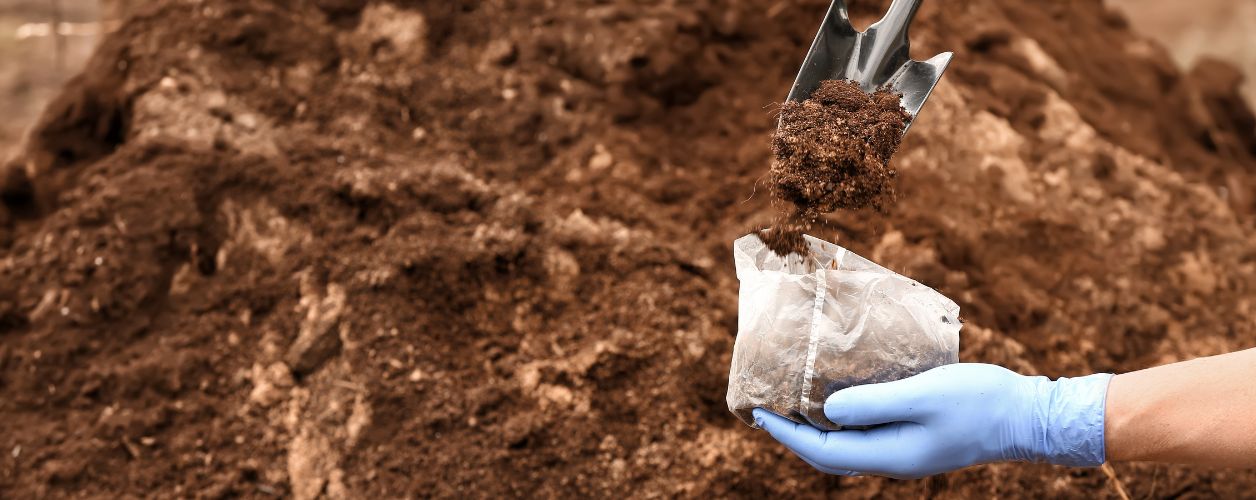
A typical engagement begins with a consultation to understand your project goals. The experts will then visit your property to collect samples. For a home garden, this might involve shallow surface sampling, but for construction, they often bring specialized drilling equipment to extract deep core samples. These samples are secured and sent to a laboratory for evaluation.
Several factors influence the overall cost and timeline of your project. The complexity of the required lab analysis plays a major role; a basic nutrient profile is significantly faster and less expensive than a comprehensive environmental contamination sweep. The number of samples needed, the depth of drilling required, and the accessibility of your site also impact pricing. Furthermore, timelines can be affected by current laboratory turnaround times or seasonal weather conditions, such as frozen ground or heavy rainfall that makes site access difficult.
A common challenge homeowners face is simply not knowing which tests to request. Communicating your end goal allows the experts to tailor the testing panel to your exact needs, ensuring you do not pay for irrelevant data.
Your Future Soil Testing Hero Is Just One Task Away — Let’s Find Them
Hiring the Right Specialist and Preparing for Your Project
Choosing the right expert ensures you get accurate data to move your project forward safely and effectively. The key is to match the professional's expertise with your specific needs. An agronomist or horticulturist is ideal for a farming venture, while a geotechnical engineer is strictly necessary for structural builds.
Identifying Quality Professionals
Look for specialists who are transparent about their methods and partner with accredited laboratories. High-quality professionals will take the time to explain the scientific jargon in their reports and offer actionable recommendations based on the findings. Avoid companies that pressure you into unnecessary tests or cannot clearly articulate how they maintain sample integrity during transport.
Mistakes to Avoid
- Choosing the Wrong Specialty: Hiring an agricultural tester when you need to check soil compaction for a new driveway will result in entirely useless data.
- Mishandling Samples: If you are permitted to collect the samples yourself to save money, failing to follow the expert's strict collection protocols can contaminate the batch and skew the results.
- Ignoring Utility Lines: Never allow deep drilling or boring to begin without ensuring that underground utilities have been properly marked and cleared.
Preparation and Key Questions
Before the testing team arrives, ensure the testing site is fully accessible. Move vehicles, clear away heavy debris, and identify your property lines. If deep core sampling is required, discuss how large machinery will access the space without damaging existing landscaping.
When evaluating a provider, ask these crucial questions to set clear expectations:
- Is your partner laboratory accredited for the specific tests I need?
- What is the estimated turnaround time for the final report?
- Will the results include practical recommendations or just raw data?
- Do you handle utility location prior to drilling, or is that my responsibility?
- How deep will you need to test for my specific project type?
Once the testing is underway, be prepared to wait a few weeks for comprehensive lab results. When the final report arrives, a reliable specialist will walk you through the numbers, explaining exactly what they mean for your foundation plans, environmental safety, or planting schedule.
Related Categories for Soil & Groundwork
Find Soil Testing in States
- Soil Testing in Alberta
- Soil Testing in British Columbia
- Soil Testing in Manitoba
- Soil Testing in New Brunswick
- Soil Testing in Newfoundland and Labrador
- Soil Testing in Northwest Territories
- Soil Testing in Nova Scotia
- Soil Testing in Nunavut
- Soil Testing in Ontario
- Soil Testing in Prince Edward Island
- Soil Testing in Quebec
- Soil Testing in Saskatchewan
- Soil Testing in Yukon
Answers to Your Common Questions
Soil testing is the process of analyzing soil composition, structure, nutrients, pH, and contamination levels. It’s essential for construction, agriculture, landscaping, and environmental assessments to ensure the ground is suitable for building or planting.
Soil testing typically costs between $150 and $800, depending on the type of test, property size, and depth. Advanced geotechnical or environmental tests may cost more.
Professionals collect soil samples from multiple depths and locations on your property. These are sent to a certified lab for analysis, and a report is provided outlining soil composition, compaction, drainage, and any issues or recommendations.
Most basic soil tests take 1 to 2 weeks for results. More complex geotechnical or environmental testing may take longer, especially if lab processing is required.