
Find Driveway Gate Installation in Your Area
- Driveway Gate Installation in Edmonton
- Driveway Gate Installation in Victoria
- Driveway Gate Installation in Winnipeg
- Driveway Gate Installation in Fredericton
- Driveway Gate Installation in St. John's
- Driveway Gate Installation in Yellowknife
- Driveway Gate Installation in Halifax
- Driveway Gate Installation in Iqaluit
- Driveway Gate Installation in Toronto
- Driveway Gate Installation in Charlottetown
- Driveway Gate Installation in Quebec
- Driveway Gate Installation in Regina
- Driveway Gate Installation in Whitehorse
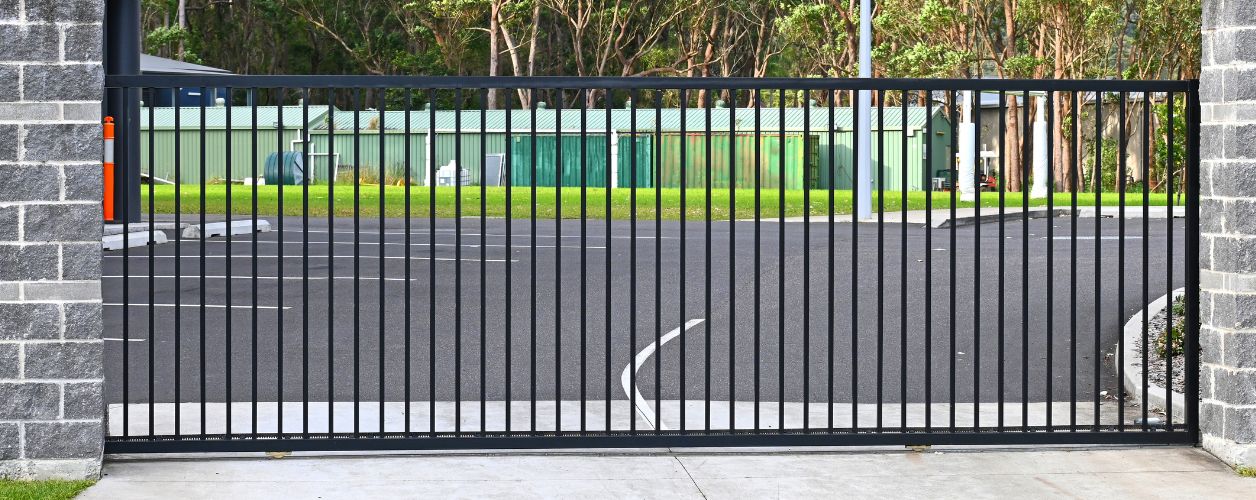
Discover Expert Driveway Gate Installation Services Near You
A driveway gate is more than just a barrier; it is a sophisticated combination of structural engineering, electrical automation, and aesthetic design. For many property owners, the decision to install a gate stems from a desire to enhance privacy, bolster security, and increase the overall curb appeal of their residence or commercial facility. In the Canadian context, where weather conditions can range from blistering summer heat to deep-freeze winter cycles, the quality of installation is paramount. A poorly installed gate can quickly succumb to frost heave, misalignment, or mechanical failure, making the expertise of specialized contractors essential.
Professional driveway gate installation experts bridge the gap between simple fencing and high-tech security solutions. They understand the physics of weight distribution for heavy swinging gates and the precision required for sliding tracks. Beyond the physical structure, these experts integrate complex access control systems, including remote sensors, keypads, and smart-home connectivity. Hiring a professional ensures that the gate operates smoothly regardless of the season, protecting your investment and ensuring that your primary entry point remains both functional and formidable.
Whether you are looking to install a grand entrance for a rural estate or a compact, automated solution for an urban driveway, understanding the scope of these services is the first step toward a successful project. Professionals handle everything from the initial site assessment and post-hole digging to the final calibration of the gate’s motor and safety sensors.
Common Services Included in This Category
- Automatic Driveway Gate Installation: Setting up fully automated systems that allow for entry and exit without leaving the vehicle.
- Sliding Gate Installation: Ideal for driveways with limited space or steep inclines where a swing gate is impractical.
- Swing Gate Installation: Installing traditional single or dual-leaf gates that open inward or outward.
- Custom Metal Fabrication: Designing and building bespoke iron, aluminum, or steel gates tailored to specific architectural styles.
- Gate Motor and Opener Installation: Fitting high-torque motors capable of handling the weight and wind resistance of the gate.
- Access Control System Integration: Setting up intercoms, GSM modules, keypads, and biometric scanners for secure entry.
- Solar-Powered Gate Solutions: Installing photovoltaic panels and battery backups for gates located far from a main power source.
- Safety Sensor Alignment: Implementing infrared beams and pressure loops to prevent the gate from closing on vehicles, pets, or people.
- Wooden Gate Construction: Crafting and installing heavy-duty timber gates often reinforced with steel frames to prevent warping.
- Commercial Security Gate Installation: High-speed, heavy-duty systems designed for high-traffic industrial or gated community environments.
- Pedestrian Gate Integration: Adding matching side gates for foot traffic to reduce wear and tear on the main driveway motor.
- Driveway Gate Replacement: Removing aged or damaged structures and retrofitting new, modern gate systems onto existing pillars.
- Smart Gate Automation: Connecting the gate system to Wi-Fi for control via smartphone apps and integration with home security ecosystems.
How the Driveway Gate Installation Process Typically Works
The journey to a functional and beautiful driveway gate begins with a comprehensive site assessment. During this phase, an expert evaluates the "swing path" or "slide run" to ensure there is adequate clearance. They also check the grade of the driveway; a slope can significantly complicate the installation of a swing gate, often requiring specialized uphill hinges or a conversion to a sliding system. This stage also includes a "locates" check to ensure no underground utilities are disturbed during the digging of post holes.
Once the design and materials are selected, the structural work begins. This is perhaps the most critical phase for longevity in Northern climates. Installers must dig post holes below the frost line—often four feet deep or more—to prevent the gate from shifting during seasonal freeze-thaw cycles. Posts are set in high-strength concrete and perfectly leveled. Even a fraction of an inch of misalignment at the post can lead to a gate that won't latch or a motor that burns out due to excessive friction.
After the posts have cured, the gate panels are mounted using heavy-duty, greaseable hinges or rollers. If the gate is automated, the technician then installs the motor and runs electrical conduit from the power source. This involves trenching through the driveway or surrounding landscape. The final step involves "tuning" the system: setting the limit switches so the gate stops exactly where it should, calibrating the obstruction sensors for safety, and programming the remotes or access codes. A professional will walk the user through the manual release process, which is vital for accessing the property during a power outage.
Your Future Driveway Gate Installation Hero Is Just One Task Away — Let’s Find Them
How to Choose the Right Driveway Gate Professional
Selecting the right contractor is a balance between finding someone with structural expertise and electrical proficiency. Because a gate is both a fence and a machine, the professional must be a "jack of all trades" who understands both masonry and microchips.
Evaluate Technical Specialization
Not all fence contractors are gate experts. Ask specifically about their experience with automation. If you want a sliding gate, look for a specialist who understands track alignment and cantilever systems. If you are interested in a smart system, ensure they are comfortable with low-voltage wiring and Wi-Fi signal extension. A contractor who primarily installs chain-link fencing may not have the precision tools required for a custom-milled wooden gate or a heavy wrought iron entrance.
Assess Material Knowledge
A good professional should be able to advise you on the best materials for your specific environment. For instance, in areas where road salt is frequently used, they might recommend powder-coated aluminum over wrought iron to prevent corrosion. If your property is high-wind, they should explain why a solid-panel wood gate might act like a sail and put too much strain on the motor, suggesting a "louvered" or open-slat design instead.
Check for Comprehensive Service
Ideally, you want a professional who offers a turnkey solution. This includes the fabrication of the gate, the masonry or post-setting, the electrical trenching, and the software setup. Using multiple contractors (one for the gate, one for the motor, and one for the electrical) often leads to "finger-pointing" if the system fails to work correctly. A single responsible party ensures that all components are compatible and covered under one warranty.
Pricing Factors for Installation
The cost of installing a driveway gate varies significantly based on complexity, size, and automation. On average, homeowners can expect to invest anywhere from $2,500 to $12,000 or more for a complete professional installation. Understanding the variables helps in budgeting for a system that meets your needs without unnecessary overspending.
| Factor | Impact on Cost | Average Estimated Range (CAD) |
|---|---|---|
| Basic Manual Gate | Low - Simple structure, no electrical. | $2,000 - $4,500 |
| Single Swing Automated | Medium - Includes motor and basic sensors. | $3,500 - $7,000 |
| Dual Swing Automated | High - Two motors, more complex wiring. | $5,500 - $10,000+ |
| Cantilever Sliding Gate | High - Complex track/counterweight system. | $6,000 - $12,000+ |
| Material (Aluminum vs. Iron) | Variable - Iron is heavier/more expensive to ship. | +$1,000 - $3,000 |
| Electrical Trenching | Variable - Depends on distance from power source. | $500 - $2,500 |
The most significant hidden cost is often the electrical work. If your gate is 100 feet from your house, the cost of trenching and running wire can sometimes exceed the cost of the gate itself. Furthermore, custom fabrication—where a gate is built from scratch to match your home’s architecture—will always command a premium over pre-manufactured "off-the-shelf" gate panels.
Common Problems Solved by Driveway Gate Installation
The primary driver for a gate is often security and unauthorized access. For many, the driveway is an open invitation for solicitors or individuals looking for a place to turn their cars around. A gate creates a clear boundary that signals "private property." Beyond simple security, gates solve the problem of containment. For families with young children or energetic pets, an automated gate provides a secure perimeter, allowing kids to play in the driveway without the risk of wandering into the street.
Another common use case is curb appeal and property valuation. Real estate experts often note that a well-designed entrance gate provides a "prestige factor" that can significantly increase the perceived value of a home. For commercial properties, gates are essential for traffic control and liability management. By controlling who enters the site and when, businesses can protect their assets and ensure that only authorized personnel are on the premises, which is often a requirement for insurance purposes.
Your Future Driveway Gate Installation Hero Is Just One Task Away — Let’s Find Them
Questions to Ask Before Hiring a Gate Installer
- How deep do you set your gate posts? (Essential to ensure they are digging below the local frost line to prevent shifting).
- Do you handle the electrical permits and trenching? (Clarifies if you need to hire a separate electrician).
- What happens to the gate during a power outage? (They should explain the manual override or battery backup options).
- Is the motor rated for the weight and wind-load of this specific gate? (Prevents premature motor failure).
- What safety features come standard with your installation? (Look for mentions of photo-eyes, loops, or auto-reverse functions).
- What kind of maintenance is required for the hinges and rollers? (Helpful for long-term planning).
- Can the system be integrated with my existing smart home or security cameras? (Crucial for modern convenience).
- What is the warranty period for both the hardware and the labor? (Provides peace of mind).
Mistakes to Avoid When Planning Your Gate
One of the most frequent mistakes is underestimating the space required for a swing gate. A 12-foot gate leaf needs 12 feet of clear, level ground to swing inward. If your driveway slopes upward toward the house, a standard swing gate will hit the ground. Many users fail to account for this and are forced to switch to a sliding gate at the last minute, which requires its own "storage space" to the side of the driveway.
Another major error is choosing the wrong material for the climate. For example, while natural wood gates are beautiful, they are incredibly heavy and prone to warping or rotting if not maintained meticulously. In regions with high moisture and snow, a warped wood gate will eventually bind, causing the motor to "detect an obstruction" and stop working. Opting for a steel-framed wood gate or a wood-look aluminum gate is often a smarter long-term choice.
Lastly, skimping on safety sensors is a dangerous mistake. Attempting to save a few hundred dollars by omitting secondary sensors can lead to property damage or serious injury. Modern gate motors are powerful enough to crush a car door or harm a pedestrian. Professional installers will insist on at least two forms of safety (such as an inherent motor sensor plus external photo-eyes) to ensure the system is safe for all users.
Cost Guide
Related Categories for Security
Find Driveway Gate Installation in States
- Driveway Gate Installation in Alberta
- Driveway Gate Installation in British Columbia
- Driveway Gate Installation in Manitoba
- Driveway Gate Installation in New Brunswick
- Driveway Gate Installation in Newfoundland and Labrador
- Driveway Gate Installation in Northwest Territories
- Driveway Gate Installation in Nova Scotia
- Driveway Gate Installation in Nunavut
- Driveway Gate Installation in Ontario
- Driveway Gate Installation in Prince Edward Island
- Driveway Gate Installation in Quebec
- Driveway Gate Installation in Saskatchewan
- Driveway Gate Installation in Yukon
Answers to Your Common Questions
Costs vary depending on the gate type, material, size, and automation features. Typical driveway gate installation costs range from $2,000 to $10,000+. Manual gates are usually less expensive, while automated or custom designs increase the price.
Yes, most driveway gates can be equipped with automatic openers using remote controls, keypads, or smartphone apps. Automation adds convenience and improves security by controlling access remotely.
Installation usually takes 1 to 3 days, depending on gate type, size, site preparation, and automation features.
Yes. A well-installed driveway gate controls vehicle access, deters unwanted visitors, and can be integrated with security cameras and alarms for enhanced protection.
In many jurisdictions, a permit is required, especially if the gate is being installed near a public roadway or if it involves new electrical wiring. Most professional installers can guide you through the local bylaws regarding gate height, setback from the road, and emergency access (Siren sensors or Knox Boxes for fire departments).
Yes, provided it is installed correctly. This involves setting posts deep enough to avoid frost heave and choosing a motor with a "cold-weather kit" or using synthetic grease that won't thicken in freezing temperatures. You must also keep the path of the gate clear of snow and ice accumulation.
Usually, yes. As long as the existing gate is structurally sound, level, and swings or slides freely without friction, an automation kit can be retrofitted. A professional will first check the hinges and posts to ensure they can handle the additional stress of a motor.
A high-quality, professionally maintained gate system can last 15 to 20 years. The electronic components (motors and boards) typically have a lifespan of 7 to 10 years, while the physical gate structure (especially if made of aluminum or treated metal) can last much longer.