
How Much Does Gutter Installation Cost?
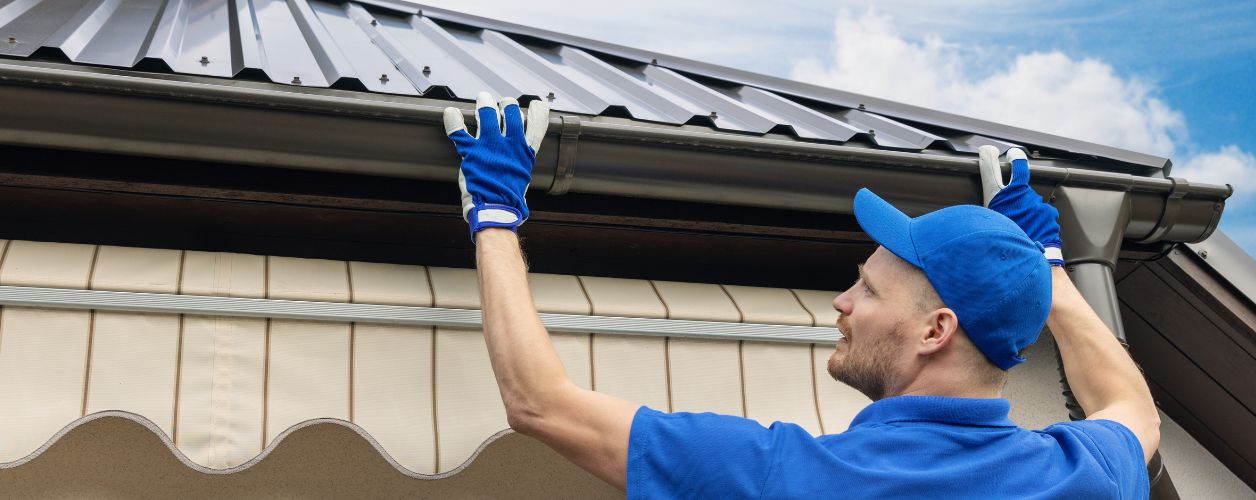
Average Gutter Installation Cost: $5 to $40 per linear foot
The average cost to install gutters in Canada ranges from $5 to $40 per linear foot, depending on the material and type of installation.
Table Of Content
- Introduction
- Retrofit, New Build, Custom: Different Gutterings
- Material Options and Costs
- What Impacts Gutter Installation Cost?
- Gutter Installation Costs In Canada
- DIY vs. Professional Gutter Installation
- When to Repair Rather than Replace?
- How to Estimate Your Roof Gutter Length?
- Gutter Maintenance and Longevity Tips
- What to Ask Gutter Installers Before Hiring
- Final Thoughts
Gutters shield your siding, roofline, and foundation from water damage. You will save on repair money in the future. Gutters are less expensive than paying to repair water damage to your basement or building. For houses with basements or high humidity levels, gutters are preventive insurance.
The cost of gutter installation in Canada is between $12- $33 per linear foot. The average cost for a homeowner to install 200 linear feet is between $2,300 and $6,650. Vinyl gutters cost $4-$9 per linear foot, while copper gutters can cost $15-$40 per linear foot. Real costs are dependent on a number of factors. You pay extra for upgraded work, bespoke work, or tough access. You pay less when builders install gutters in bulk during new construction.
Retrofit, New Build, Custom: Different Gutterings
New Home Gutters
When new houses are built, builders put gutters on them. They install numerous houses with the same style. They take ordinary aluminium gutters and standard colours. They purchase materials in quantity directly from manufacturers. They agree to lower prices. Consequently, they only pay around $7 to $10 per linear foot.
Contractors pre‑cut the same lengths for numerous homes. They have fewer variations to deal with. They don't damage the lawn and landscaping. They work well together across numerous lots. That helps save labour costs and waste materials.
Home Custom Gutter
Custom houses alter the equation. Homebuilders use higher-grade materials. They work with unusual roof shapes and access considerations. Workers might take longer and require specialised tools. Custom jobs tend to require more care. Because of that, gutter installation can range from $10 to $15 per linear foot using standard 5‑inch K‑style aluminium gutters.
Gutter Retrofit and Remodelling
Retrofit gutter installation involves the old gutters being removed and new ones being put in. This typically includes replacing rotted fascia boards or rafter tails. Scaffolding or boom lifts are used in most retrofit jobs. Some houses are positioned near sidewalks, alleys or hydro wires. That complicates the job. Retrofit installers encounter additional labour difficulties and hazards.
Labour costs for retrofit open higher than for new build rates. Most retrofit installations fall in the range of $15 to $30 per linear foot. The actual price varies with gutter gauge, size, style, and installation complexity.
Material Options and Costs
Aluminium
Aluminium happens to be the most common gutter material. It does not rust, it is lighter and easier to put together. A typical aluminium gutter system on a 200‑foot length is about $2,300 to $2,400. That is both labour and material.
Vinyl or PVC
Vinyl or PVC is the cheapest. But it does not last as long. It can warp or crack in severe temperatures. A 200‑foot vinyl gutter system is about $1,400 to $1,500.
Steel or Galvanised
Galvanised steel gum is stronger and less prone to denting. They are heavier and longer to install. That increases labour costs. A system generally costs in the neighbourhood of $2,400 to $2,500 for 200 feet.
Copper, Zinc or Premium Metals
High-end metals such as zinc or copper provide a sleek appearance and a lengthy lifespan. The materials have a life expectancy of 50 to 80 years. They require soldered connections and meticulous installation. They are much more expensive. Copper begins at around $45 per linear foot and increases with thickness or complexity.
Guttering Materials Life Overview
Here is the overview of popular gutter materials and lifespan:
- Vinyl / PVC: Cheapest, lasts 10‑20 years, could crack.
- Aluminium: Medium price range, lasts 20+ years, lightweight.
- Galvanised Steel: More durable, resists denting, higher cost to install.
- Copper / Zinc: High-end appearance, 50 to 80 years, soldered connection.
Pros and Cons of Materials
- Vinyl: Cheap, easy to put in place and has a short life.
- Aluminium: Reasonable cost and ductility, making it easy to work with.
- Galvanised Steel: It is heavier, has a longer life and is more costly to deal with.
- Copper/Zinc: Luxury look, long-term performance, costly and skilled labour.
Impact of Supply and Market Conditions
Aluminium and construction material demand globally influences Canadian prices. Scheduling delays and higher demand drive raw material costs upward. Labour markets become tighter as numerous installers concentrate on volume new constructions. That can be costly in retrofit or renovation markets.
Long-Term Value and Investment
Good gutter installation can save you from foundation damage, roof leaks, and siding rot. You save yourself money on repairs down the line. Gutters also control water runoff and soil erosion around your house. The initial investment often yields much more in the way of savings later.
What Impacts Gutter Installation Cost?
Many factors impact gutter installation cost. Check them out here:
Roof Pitch and Complexity
Pitched roofs, dormers, turrets or bay windows make the installation more complex. Installers require additional safety precautions or special mounts. These elements increase labour expenses and material waste.
Access Restrictions
Narrow distances between dwellings restrict access. Installers might require scaffolds or elevators. Your property design impacts how quickly crews can work. Constricted access adds cost per foot.
Hydro Lines or Utility Constraints
Installation along hydro or signal lines might involve permits or coordination in advance. This takes extra time and equipment expense.
Gutter Type and Mounting Style
The use of spikes and ferrules is what some installers do. They are less expensive but could come loose. Hidden bracket systems are more expensive initially but provide better, neater installations.
Downspouts and Additional Fittings
You'll require more than gutter troughs. You'll also require downspouts, elbows, end caps, hangers and splash blocks. Each item contributes to the cost. In Canada, costs per unit range from $30 to $60, depending on material and style.
Supply Chain and Price Pressures
Material prices vary. Lately, shipping and strong demand have increased aluminium prices. Demand for home renovation in Canada and reconstruction following storms in North America pushed material prices higher. That, in turn, influenced labour prices, as most crews move towards easier new construction work. As material costs increase, so does labour.
Adding Gutter Guards
Some homeowners opt to include gutter guards. Guards cut back on debris accumulation and reduce cleaning time. A study revealed that most homeowners save 4 to 8 hours a year after installing guards. That can cut down on long-term upkeep and possible clogs.
Inside Corners, Multiple Angles, and Waste Allowance
Each inside or outside corner needs additional length for a 45‑degree mitre cut. Intricate roof designs such as bay windows, turrets, or circular sections require special fabrication. Always inquire of estimators how they estimate additional footage. Don't assume they factor in waste allowances.
Hidden Brackets or Spike Systems
Less expensive standard spike and ferrule systems are available. But they can eventually loosen. Hidden bracket systems are more expensive. They appear tidy. They offer better support. They remain tight for a long time. You pay extra now for improved long‑term outcomes.
Labour Rates and Permits
Labour costs are also different for each urban area. More prosperous cities or cities with higher unionisation levels are more expensive. Permits are necessary in some towns. Make sure to review your city's building code for gutter needs. Permit costs might contribute to the job expense.
Gutter Installation Costs In Canada
Based on Canadian construction cost data, check costs for gutter system installations.
Cost By Size
- 1,000sqft home (100ft gutter): $1,300 to $3,400
- 1,200sqft home (120ft): $1,560 to $4,100
- 1,500sqft home (150ft): $2,000 to $5,000
- 2,000sqft house (200ft): $2,600 to $6,650
- 2,500sqft house (250ft): $2,900 to $8,300
Costs depend on material grades, complexity, labour conditions, and the presence of retrofit work.
Typical Components and Their Cost Range
These are standard gutter components you might pay for:
- Brackets: $6–$60 each.
- Downspouts: $9–$83 each.
- Elbows: $3–$8 each.
- End caps: $2–$10 each.
- Hangers: $3–$18 each.
- Splash blocks: $6–$58 each.
These components differ by style, material, and complexity. Ensure your quote specifies what's included.
Gutter Guard Installation Costs in Canada
| Guard Type | Typical Cost per Linear Foot (CAD) | Approx. Project Cost (150ft Home) |
|---|---|---|
| Plastic / Vinyl | $0.40 – $1.30 | ~$60 – $200 |
| Foam Inserts | $2.00 – $6.80 | ~$300 – $1,020 |
| Brush Guards | $2.00 – $5.00 | ~$300 – $750 |
| Mesh / Screen Guards | $1.25 – $5.00 | ~$190 – $750 |
| Steel / Aluminium Screen | $1.50 – $7.00 | ~$225 – $1,050 |
| Reverse Curve / Helmets | $4.00 – $18.00 | ~$600 – $2,700 |
| Micro‑Mesh | $2.00 – $4.00 | ~$300 – $600 |
DIY vs. Professional Gutter Installation
You may install sectional gutters yourself to save labour. Seamless systems require special rolling equipment and experience. Roof work involves safety hazards. Professionals provide adequate pitch, alignment, and fastening.
| Factor | DIY Installation | Professional Installation |
|---|---|---|
| Average Cost | $3–$8 per linear foot (materials only) | $8–$20+ per linear foot (materials + labour) |
| Tools Needed | Ladder, drill, hacksaw, level, sealant, safety gear | Provided by the contractor |
| Skill Level Required | Moderate–High (handyman experience needed) | None (hands-off for homeowner) |
| Time Required | 1–2 full days for an average home | 4–8 hours typically |
| Safety Risks | High—ladder injuries, roof edge risks | Minimal—trained crews handle all the danger |
| Warranty/Guarantee | None (unless you mess up and blame the weather) | 5–20 years often included in labour + materials |
| Custom Fit & Drainage | May not be precise; risk of misalignment | Precision-fit with optimal slope + water flow |
| Product Access | Limited to retail-grade (hardware stores) | Access to pro-grade, seamless, or custom systems |
| Cold-Weather Installation | Risky—snow, ice, slippery roofs | Pros handle winter installs with proper gear |
| Long-Term Value | Lower—possible repairs, water damage if done wrong | Higher—durable, efficient, better resale appeal |
When to Repair Rather than Replace?
Repair if gutters are still functional but display some problems:
- Loose brackets or hangers.
- Small gaps or cracks.
- Frequent clogging.
- Section of sagging barely.
- Small rust or tiny leaks.
Replace if:
- Uninterrupted basement flooding or water accumulation outside.
- You desire an upgrade that lasts longer.
- Multiple gutter sections are not functional.
- You observe rust, large cracks, or sagging.
- Siding or fascia shows evidence of water damage.
- You want a more efficient system with a longer warranty.
How to Estimate Your Roof Gutter Length?
You can estimate roof gutter length from the house's square footage. Total the lengths for the gutter linear footage. Divide the living area by ten. A 2,000 square foot home probably requires approximately 200 linear feet. Then add approximately 50% more to account for downpipes, elbows, and inside/outside corners. Count corners and difficult sections requiring additional material.
So a 200‑foot gutter run requires approximately 300 feet of overall piping. Contractors will likely factor that extra labour in when they quote.
Gutter Maintenance and Longevity Tips
You can make your gutters last longer by:
- Cleaning them every six months.
- Installing gutter guards.
- Ensure that downspouts send water away from the foundation.
- Fixing any loose or sagging areas in time.
- Checking after storms to identify early problems.
What to Ask Gutter Installers Before Hiring
Ask installers about:
- What is your cost per linear foot?
- What is the gauge material you use?
- Do you include the removal of existing gutters?
- Do you fix fascia or rafter tails?
- Do you require permits?
- Do you offer labour warranty?
- What mounting system do you use?
- How do you estimate the corner and accessory length?
- Do you include downspouts, elbows, and splash blocks?
Final Thoughts
Gutter installation prices in Canada depend on the project type, material, labour conditions, and accessibility. Subdivisions provide the lowest per‑foot prices. Custom homes are more expensive, even if they have the same materials. Retrofitting requires more skill and is most expensive.
Select the proper material for your budget and climate. Request line‑item quotes and compare prices. Just think of the long run: you spend money in order to have good gutters, and it will repay you in another form, fewer roof repairs, and additional roof protection.
Costs of various services and materials in this cost guide should be taken as estimates. These depend on location, preference and demands in the market.
YOU MIGHT ALSO BE INTERESTED IN
Capital Cities
- Roofing Services in Edmonton
- Roofing Services in Victoria
- Roofing Services in Winnipeg
- Roofing Services in Fredericton
- Roofing Services in St. John's
- Roofing Services in Yellowknife
- Roofing Services in Halifax
- Roofing Services in Iqaluit
- Roofing Services in Toronto
- Roofing Services in Charlottetown
- Roofing Services in Quebec
- Roofing Services in Regina
- Roofing Services in Whitehorse