
Find House Framing Contractors in Your Area
- House Framing Contractors in Edmonton
- House Framing Contractors in Victoria
- House Framing Contractors in Winnipeg
- House Framing Contractors in Fredericton
- House Framing Contractors in St. John's
- House Framing Contractors in Yellowknife
- House Framing Contractors in Halifax
- House Framing Contractors in Iqaluit
- House Framing Contractors in Toronto
- House Framing Contractors in Charlottetown
- House Framing Contractors in Quebec
- House Framing Contractors in Regina
- House Framing Contractors in Whitehorse
Find Local House Framing Contractors Near You in Canada
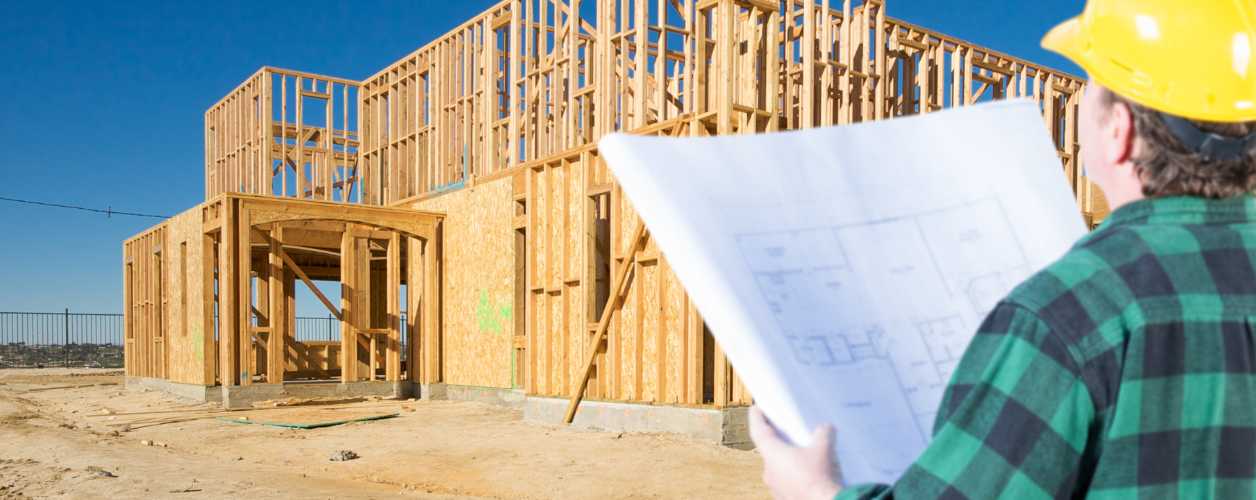
When you see a home under construction and the wooden skeleton is standing against the sky, you are looking at the work of house framing contractors. These are the specialists who transform a flat concrete slab or foundation into a three-dimensional structure with walls, floors, and a roof. Framing is the backbone of any residential project, creating the load-bearing path that transfers the weight of the entire structure down to the foundation. Without precise, structurally sound framing, drywall cannot hang straight, doors will not close properly, and over time, the integrity of the building could be compromised.
Most people require the expertise of residential framing contractors during specific phases of property ownership. The most common scenario is new home construction, where custom home framing contractors work from architectural blueprints to build the shell of a house. You might also need structural framing experts if you are adding a major extension to your existing property, finishing a previously unused basement, or building a detached garage. Additionally, homeowners often seek framing repair and reinforcement experts after discovering water damage, pest infestation, or when removing a wall to create an open-concept living space. These are not cosmetic tasks; they require a deep understanding of load distribution, building codes, and material science.
Hiring professional framing carpenters is crucial because this stage determines the long-term safety and squareness of the home. A professional brings laser-level accuracy to ensure every stud, joist, and rafter is aligned correctly. They understand how to size headers for windows and doors, how to brace walls against wind shear, and how to prevent squeaky floors by using construction adhesive and proper fastening techniques. Unlike a general handyman, licensed framing carpenters have the specialized training to handle heavy structural components safely and to recognize potential issues in the blueprint before a single board is cut.
Common Services Offered by Framing Professionals
The scope of work handled by framing and structural support contractors goes far beyond simply nailing two-by-fours together. It encompasses a wide range of specialized carpentry that forms the shell of a building. The list below outlines the typical tasks that fall under this trade, covering everything from the first floor joist to the peak of the roof.
- Floor framing installation: Setting sill plates, floor joists, and subfloor sheathing to create a level, rigid platform.
- Wall framing installation: Assembling and raising exterior and interior walls, including window and door rough openings.
- Roof framing and truss installation: Setting engineered roof trusses or stick-framing a conventional rafter roof system.
- Load-bearing wall identification and modification: Installing structural headers and beams to safely remove walls in renovations.
- Sheathing and structural panel application: Applying plywood or OSB to walls and roofs to create shear resistance.
- Custom timber framing services: Crafting exposed heavy timber beams and joinery for aesthetic post-and-beam designs.
- Steel framing construction: Using light-gauge steel studs for non-combustible or high-strength wall assemblies.
- House extension framing: Tying new floor and roof structures seamlessly into existing construction.
- Basement framing: Installing moisture-resistant bottom plates and framing interior partition walls below grade.
- Garage and outbuilding construction: Building detached structures from the foundation anchor bolts to the roof peak.
- Staircase framing: Constructing rough stair stringers and landings for main or secondary staircases.
- Structural repair and reinforcement: Replacing rotted sills, sistering damaged joists, or reinforcing undersized rafters.
- Modular home setup: Completing the "marriage line" framing and roof connections on pre-built modular sections.
Your Future House Framing Contractors Hero Is Just One Task Away — Let’s Find Them
How the Framing Process Typically Works
Understanding the sequence of a framing project helps you anticipate the timeline and noise level associated with this intense construction phase. While every project has unique challenges, new home framing services generally follow a logical, layered progression to ensure the structure is straight, plumb, and safe.
Initial Site Inspection and Material Delivery
The process begins well before the first hammer swing. Professional building framing services start with a thorough inspection of the foundation. The lead carpenter checks the anchor bolt placement, verifies the dimensions of the concrete, and ensures the foundation is level and square. Following this inspection, a lumber package—typically consisting of kiln-dried studs, engineered beams, sheathing, and fasteners—is delivered and staged on site. High-quality wood framing specialists will organize the lumber by size and length to create an efficient workflow.
Floor System and Main-Level Decking
If the home has a basement or crawlspace, the first structural element is the floor system. Residential framing contractors install sill plates with a moisture barrier on the foundation and hang floor joists using hangers or set them on the sill. They then glue and screw down tongue-and-groove subfloor panels. This creates a solid working deck that serves as the platform for constructing the first-floor walls. The floor framing installation specialists ensure the deck is rock-solid to prevent future floor squeaks.
Wall Assembly and Raising
Exterior wall framing contractors usually assemble walls flat on the floor deck. They lay out top and bottom plates, mark the exact locations for king, jack, and cripple studs around openings, and nail the assembly together. Once the sheathing is applied, the team lifts the walls into place, braces them plumb, and secures them to the floor system. This "barn-raising" style is often the most dramatic day of the construction process, with interior load-bearing walls following shortly after.
Second Floor and Roof Construction
If the structure is a two-story home, the process repeats with second-floor joists and walls. The final major structural phase is handled by roof truss installation specialists or stick-framing experts. Engineered trusses are lifted by crane and secured with hurricane ties, while a conventionally framed roof requires carpenters to cut and install rafters, ridge boards, and collar ties on site. Once the sheathing is nailed off and the roof is "dried in" with synthetic underlayment, the framing phase is substantially complete.
How to Choose the Right Framing Professional
Selecting reliable house framing companies requires you to look past the initial estimate and evaluate the structural knowledge of the contractor. The frame is the skeleton of the home, and mistakes here cascade into every other trade, from drywall finishing to millwork installation. Here is what to consider when evaluating potential contractors.
Evaluate Depth of Carpentry Experience
Modern house framing experts are not simply laborers; they are specialized carpenters. Inquire about the crew’s experience with your specific project type. A professional who primarily builds tract housing might lack the finesse required for custom timber framing services or complex roof geometry. Conversely, a detailed carpentry framing contractor who specializes in high-end custom homes will bring a problem-solving mindset to unique architectural details.
Verify Rigging and Modern Tools
Professional framing has evolved far beyond a tape measure and a hammer. Trusted framing contractors invest in modern equipment to ensure accuracy and efficiency. Look for crews that use laser levels, pneumatic coil nailers, and plan-reading software on tablets. For complex jobs, they should have access to telehandlers or cranes for lifting heavy beams and trusses. This equipment not only speeds up the build but also reduces workplace injuries and prevents damage to materials during handling.
Assess Structural Knowledge and Problem-Solving
Structural framing experts serve as the first line of defense against blueprint errors. During the interview, present a hypothetical scenario—such as a duct chase conflicting with a floor joist—and ask how they would address it. A qualified framing contractor will explain how to header off the joists while maintaining the load path. They should speak fluently about bearing points, shear transfer, and why specific nailing patterns matter. If they cannot explain the "why" behind a structural detail, they are likely just an assembler rather than a craftsman.
Pricing Transparency and Contracts
Complete structural framing solutions are typically quoted on a fixed-price basis using the "square footage of the footprint" method, or sometimes by linear foot for walls. A transparent quote should clearly state what hardware is included, such as structural screws, hurricane ties, and strapping. Be cautious of bids that are suspiciously low, as they often exclude essential metal connectors or assume cheaper, twisted studs. The contract should specify the wood species, grade of lumber, and the process for handling change orders if a blueprint error is discovered during the build.
Pricing Factors: What Influences the Cost of Framing
It is difficult to give a flat rate for framing because costs vary widely based on the complexity of the design and the volatile price of lumber. However, understanding what drives the budget will help you compare quotes accurately. At the time of writing, custom home framing can generally range anywhere from $15 to $30 per square foot of the home's total built area, though this figure can spike dramatically for high-end timber work or steel framing.
| Pricing Factor | Impact on Cost | Reasoning |
|---|---|---|
| Complexity of Design | High Increase | Homes with numerous corners, vaulted ceilings, or curved walls require more labor and material waste. |
| Lumber Grade and Type | Moderate Increase | Engineered lumber (LVL, glulam) or premium Douglas Fir costs significantly more than standard SPF studs. |
| Building Height | Moderate to High Increase | Multi-story homes require staging, fall protection systems, and cranes for heavy lifting. |
| Steel vs. Wood | High Increase | Steel framing contractors often charge a premium due to the specialized tools and fastening systems required. |
| Structural Repairs | Variable | Replacing rot or reinforcing old members involves shoring up the existing house, adding labor hours. |
The biggest variable affecting affordable house framing services is the "complexity factor." A simple rectangular two-storey with standard trusses is the most economical design. Budgets increase when you add hip roofs, dormers, balcony framing, or tall great-room walls that require large scaffolding and specialized structural supports. Material waste is another factor; a simple square house might have 5% waste, whereas a complex custom design could have 15% or more lumber cutoff waste, all of which the owner pays for.
Common Problems Requiring Framing Expertise
The need for professional framing carpenters arises in many scenarios beyond just building a new home from scratch. Recognizing these common use cases can help you understand when it is time to call a specialist rather than a general handyman.
- Open-concept renovations: Removing a wall between a kitchen and living room requires a load bearing wall framing expert to install a flush or dropped beam to support the floor above without the column.
- Sagging or bouncy floors: This indicates undersized floor joists. Floor framing installation specialists can "sister" new joists next to the old ones or add mid-span blocking to stiffen the floor.
- Roof sagging or ridge separation: Often caused by improper rafter ties or failing connections, requiring a roof framing specialist to install new bracing and repair cracked members.
- Finishing a basement: Basement framing contractors address unique challenges like uneven concrete floors, steel columns, and the need for fire-blocking in the ceiling cavities.
- Building a garage or workshop: Garage framing services involve setting heavy headers for overhead doors and ensuring the structure can handle wind uplift.
- Water or insect damage repair: Framing repair and reinforcement experts replace rotted sill plates or termite-damaged studs, carefully shoring up the structure temporarily during the replacement.
Your Future House Framing Contractors Hero Is Just One Task Away — Let’s Find Them
Essential Questions to Ask Before You Hire
A contract signing should only happen after you have thoroughly vetted a company’s technical approach. Use these questions to gauge whether you are dealing with true custom framing solutions for homes or simply a crew of board nailers.
- "Will you supply the crane and rigging for the trusses, or is that my responsibility to coordinate?"
- "What specific nailing pattern do you use for roof sheathing to meet uplift codes?"
- "How do you ensure the wall plates are not affected by concrete moisture in the basement?"
- "Can you provide a breakdown of lumber grade versus appearance grade materials?"
- "How do you handle straightening a wall that has a twisted or crowned stud?"
- "What is your process for confirming the foundation is square before starting floor framing?"
- "Do you use adhesive on the floor joists in addition to screwing the subfloor?"
Mistakes to Avoid When Selecting a Framing Contractor
The framing phase moves very quickly, and errors can be literally covered up by drywall before you ever notice them. These are the most frequent pitfalls that homeowners and developers face when working with residential carpentry framing services.
Prioritizing Speed Over Accuracy
A crew that promises to frame the house in three days might be cutting corners. Framing is not just about standing walls; it is about the meticulous straightening of walls so drywall finishes perfectly flat. Rushed framing leads to "nail pops," where drywall screws pop out because the framing moves. A reasonable framing schedule allows for a "detail day" where the crew walks through with levels and planers to shave down high studs and straighten bows in the walls before the mechanical trades arrive.
Choosing Based on the Lowest Bid
A cheap quote from affordable house framing services can easily become incredibly expensive later. Substandard framers might omit critical blocking for cabinets and towel bars, or they might use green (wet) lumber that twists violently as it dries. If the framing quote is low, check if it excludes the cost of fasteners, straps, or the hardware package, as these metal connectors alone can cost thousands of dollars in a modern custom home.
Ignoring the Line of Sight
This is a specific technical mistake made by amateur framers. A "line of sight" refers to the alignment of studs from the floor joist, through the wall plate, up to the roof truss. If these structural elements are not stacked directly over each other, the load path creates a bending moment in the floor sheathing. Professional building framing services ensure that point loads travel directly down a continuous path of solid wood, which prevents future drywall cracks and structural settlement.
Cost Guide
Related Categories for Carpenters
Find House Framing Contractors in States
- House Framing Contractors in Alberta
- House Framing Contractors in British Columbia
- House Framing Contractors in Manitoba
- House Framing Contractors in New Brunswick
- House Framing Contractors in Newfoundland and Labrador
- House Framing Contractors in Northwest Territories
- House Framing Contractors in Nova Scotia
- House Framing Contractors in Nunavut
- House Framing Contractors in Ontario
- House Framing Contractors in Prince Edward Island
- House Framing Contractors in Quebec
- House Framing Contractors in Saskatchewan
- House Framing Contractors in Yukon
Answers to Your Common Questions
House framing contractors build the structural skeleton of a home using wood or metal studs, including walls, floors, ceilings, and roof systems. Their work lays the foundation for all other trades like plumbing, electrical, and drywall.
Framing costs typically range from $7 to $16 per square foot, depending on the size of the home, material choice (wood vs. steel), design complexity, and local labour rates. A standard 2,000 sq. ft. home might cost $15,000–$30,000 for framing alone.
Framing a typical home takes 1 to 3 weeks, depending on size, weather conditions, and whether it’s a single- or multi-story structure. Delays can occur if site prep isn't complete or materials are delayed.
Yes. Framing contractors work directly from blueprints or structural drawings provided by architects or engineers, ensuring the frame complies with building codes and load-bearing requirements.
Rough carpentry and framing services focus on the structural shell—the studs, joists, sheathing, and trusses that are never seen once the house is finished. Finish carpentry involves the millwork you touch, such as baseboards, door casings, crown molding, and stair handrails. While some contractors offer both, true framing experts specialize in the structural "rough" stage, prioritizing strength and geometry over visual perfection.
Walk through with your structural framing experts and a level. Look for bowed studs on walls that will hold cabinets or countertops. Check that doors and windows are framed with the proper headers (king and jack studs). Ensure fire-blocking foam or lumber is installed between floors. Also, verify that the plumber has not notched the bottom of a floor joist—holes should be in the center third of the joist, not at the edges.
No, the framing contractor is responsible for the rough opening—the empty square hole the window sits in—but not the window installation itself. However, the frame must be perfectly sized. Window manufacturers provide a "rough opening" size which is slightly larger than the actual window, allowing the window installers to shim and level the unit before attaching the nailing fin.
Solid sawn lumber (traditional 2x10s or 2x12s) is heavy and can shrink, leading to floor squeaks, but it is cheaper in some markets. Engineered I-joists (manufactured wood strands with an OSB web) are lighter, can span greater distances, and are perfectly straight. Most custom home framing contractors prefer engineered products for floor systems to ensure a stiff, flat floor that doesn't bounce.