
Choose From the Finest Garage Organizers Near You

BRIGHTER CLEANING AND MAINTENANCE SERVICES
Request a Quote
Zain Cleaning Services
Request a Quote
JH 360 Cleaning
Request a QuoteFind Garage Organizers in Your Area
- Garage Organizers in Edmonton
- Garage Organizers in Victoria
- Garage Organizers in Winnipeg
- Garage Organizers in Fredericton
- Garage Organizers in St. John's
- Garage Organizers in Yellowknife
- Garage Organizers in Halifax
- Garage Organizers in Iqaluit
- Garage Organizers in Toronto
- Garage Organizers in Charlottetown
- Garage Organizers in Quebec
- Garage Organizers in Regina
- Garage Organizers in Whitehorse
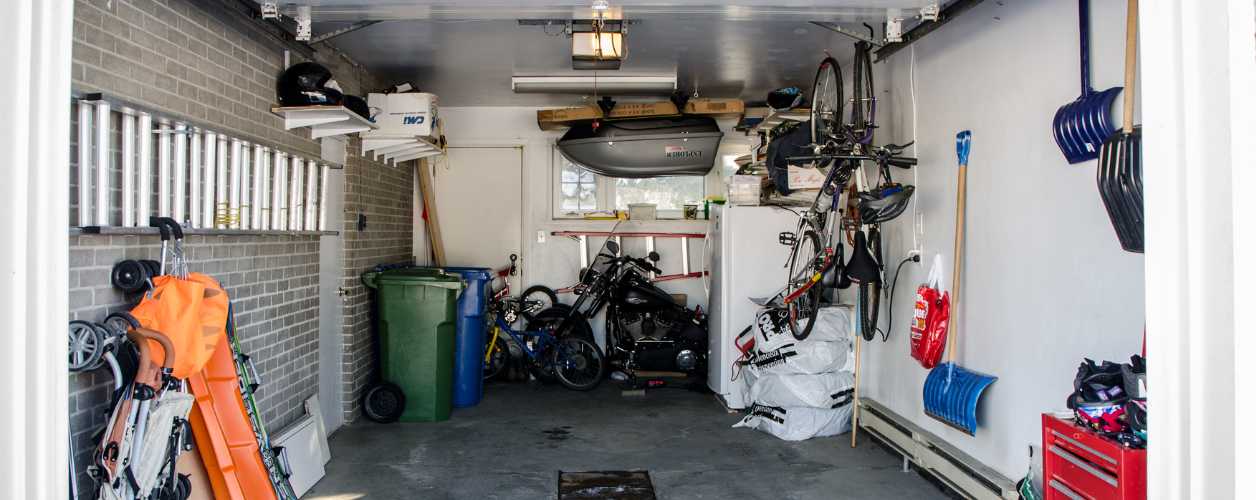
Transform Your Space with Professional Garage Organizers
Garage organizers are professionals who transform cluttered, dysfunctional garages into clean, efficient spaces tailored to how you actually live. This goes far beyond basic tidying. A professional garage organizer assesses your storage needs, designs a layout that maximizes every square foot, and installs systems that keep everything from seasonal decorations to heavy power tools accessible and off the floor. The service combines elements of space planning, decluttering coaching, and skilled installation of storage hardware.
Most homeowners reach out when the garage has reached a breaking point. You might be tired of parking outside because both bays are packed with bins, or you might dread opening the door when guests visit. Perhaps a new hobby or a growing family has introduced bikes, strollers, and sports equipment that now form an obstacle course. A professional solves the root problem: the absence of a deliberate system. They don’t just stack things; they create zones based on frequency of use, item categories, and workflow. The real value lies in having someone who can look at the chaos and see a functional floor plan, while also having the technical skill to mount heavy shelving securely to studs and assemble modular cabinetry without damaging your walls.
What Services Are Typically Included?
Garage organization is not a one-size-fits-all task. Most professionals offer a layered set of services that can be mixed and matched based on the current state of your garage and your goals. Here are the core tasks you can expect a specialist to handle:
- Complete garage cleanout and decluttering, including removal of unwanted items
- Custom layout and zone planning for vehicles, workshops, and storage
- Installation of wall-mounted shelving and heavy-duty steel racks
- Assembly and mounting of custom or modular garage cabinets
- Installation of overhead ceiling storage racks for seasonal bins
- Design and setup of tool organization systems, including pegboards and magnetic strips
- Bike storage solutions, from vertical hooks to pulley systems
- Sports equipment and bulk inventory management systems
- Hazardous material and chemical sorting for safety compliance
- Workshop and workbench configuration with ergonomic tool placement
- Floor coating, epoxy application, or interlocking tile preparation as a base layer
- Relocation assistance, helping you unpack and organize after a move
- Seasonal rotation setup for holiday decor, tires, and recreational gear
Your Future Garage Organizers Hero Is Just One Task Away — Let’s Find Them
How Does the Process Typically Work?
Understanding the workflow helps set realistic expectations and ensures a smooth collaboration. While every project differs in scope, most reputable organizers follow a clear, phased approach that protects your belongings and your home.
Step 1: The Walkthrough and Assessment
The process begins with an on-site evaluation. The professional doesn’t just measure square footage; they dig into your frustrations. They’ll ask about what you need to store, how often you access certain items, and what activities happen inside the garage. This is the time to admit if you need space for a chest freezer, a kayak, or a woodworking hobby. They’ll inspect wall construction, stud spacing, and ceiling joists to determine what the structure can safely support.
Step 2: Sorting and Decluttering
Before any new shelving goes up, everything must come out. The team typically guides you through a four-category sort: keep, donate, recycle, and toss. This can be the most mentally taxing part, but a good organizer acts as an objective coach, helping you let go of broken items or duplicated tools without pressure. They handle the disposal logistics, often hauling away donations and garbage at the end of the session.
Step 3: Design and Product Selection
With the empty space cleaned, the professional presents a layout plan. They’ll recommend specific storage products based on your load requirements. This might range from ventilated wire shelving for damp climates to heavy-gauge steel cabinets for workshops. You’ll review options for finishes, door styles, and accessories like soft-close hinges. The goal is to align your budget with a system that won’t sag or fail under use.
Step 4: Installation Day
This is the construction phase. The team will level the floor tracks, find studs, and anchor every vertical standard or cabinet securely. Safety is paramount here; overhead racks must be bolted into ceiling joists capable of bearing hundreds of pounds. The installation includes precise adjustments to ensure doors align and drawers glide smoothly. This phase usually takes one to three days depending on the garage size.
Step 5: The Final Reset
Once the hardware is locked in, the team helps place items back into their designated zones using the "prime real estate" principle. Items used daily stay at arm's reach, while holiday decor goes up high. They’ll often label bins and bins, leaving you with a crystal-clear map of where everything lives. A final walkthrough ensures you know how to maintain the system.
How to Choose the Right Professional
Selecting a garage organizer is a decision about safety, durability, and long-term usability. A poorly anchored shelf is a physical hazard, and a badly designed layout will revert to chaos within weeks. Here’s what to look for when evaluating providers.
Verify Structural Knowledge and Experience
Ask specifically about their mounting methods. A true professional will discuss toggle bolts versus lag screws and explain why they hit studs every time. They should have experience with different wall types, from drywall over wood studs to concrete block or steel studs. Look for a history of handling heavy loads, especially if you store dense items like free weights or stacks of tiles.
Review Their Portfolio and Design Sense
Ask for photos of past projects that resemble your garage size. Do their designs feel open or cramped? A skilled organizer maximizes vertical space without making the room feel oppressive. Pay attention to lighting in their portfolio; a great designer incorporates task lighting over workbenches and pathways.
Clarify the Product Lines They Offer
Some companies push only one brand or material. Others offer a spectrum from budget-friendly melamine to 12-gauge industrial steel. The right professional listens to your usage needs first and suggests materials accordingly. If you work with harsh chemicals or heavy impact tools, they’ll steer you toward powder-coated metal rather than particleboard.
Assess Licensing and Insurance
Because installation involves power tools and potentially altering structures, verify they carry liability insurance. If any drilling accidentally hits a hidden pipe or wire, their coverage protects your property. If subcontractors are used, confirm they are similarly covered.
Prioritize Responsiveness and Transparency
During the initial inquiry, note how quickly they respond and how clearly they communicate pricing. A detailed written estimate that breaks down labor, materials, and disposal fees signals a professional operation. Vague quotes that bundle everything into a single line item should give you pause.
How Much Does It Cost to Hire a Garage Organizer?
The cost of professional garage organization varies widely based on square footage, the complexity of the system, and the level of decluttering required. On average, a complete garage transformation can range from $1,500 for a basic tidy and shelving setup to $15,000 or more for a high-end custom build-out with premium cabinetry and flooring. Here’s a general breakdown of how costs typically distribute across different service tiers.
| Service Level | Typical Inclusions | General Price Range |
|---|---|---|
| Basic Declutter and Sort | Sorting assistance, light cleaning, haul-away, no new hardware | $400 – $900 |
| Mid-Range Installation | Wall shelving, a few base cabinets, basic overhead rack, bins | $2,500 – $7,000 |
| Premium Custom Build | Custom cabinetry, heavy-duty tool walls, epoxy flooring, lighting | $8,000 – $15,000+ |
What Affects the Final Price?
Material quality is the single largest variable. Welded steel cabinets cost substantially more than flat-pack laminate units but last decades longer. Labor intensifies when walls are irregular or the garage lacks electricity, requiring generators. Access to the property matters; a detached garage far from the driveway may increase material hauling time. Decluttering volume adds cost if extensive disposal or donation runs are required. Finally, urgency plays a role; a project requested for a tight deadline may carry premium scheduling charges.
Your Future Garage Organizers Hero Is Just One Task Away — Let’s Find Them
Common Situations Where You Need This Service
Garage organization looks different for every household. Some need a safe space for vehicles before winter, while others are building a dream workshop. Here are frequent scenarios that lead people to call a specialist.
- The Snow-Blocked Car: You’re tired of scraping ice off the windshield in the driveway because the garage is stuffed with boxes and forgotten furniture.
- The New Hobbyist: A shift into woodworking, pottery, or home brewing demands a dedicated bench, tool control, and dust management the current layout can’t support.
- The Bulky Bulk Buyer: You stock up on paper goods and canned goods at warehouse stores but now towers of toilet paper and flats of water occupy valuable floor space.
- The Multi-Season Athlete: Skis, bikes, camping gear, and hockey bags create a tangled pile. You need distinct zones for each sport so gear doesn’t get damaged.
- The Home-Based Business Operator: Inventory for a small business has overtaken the garage, making it impossible to find product or ship orders efficiently.
- The Pre-Move Reset: Sellers want to present a garage that looks spacious and well-maintained to boost property value and attract serious offers.
Questions You Should Ask Before Hiring
A direct conversation reveals far more than a website gallery ever could. Use these questions to gauge a provider’s suitability for your specific project and to avoid misunderstandings later.
- "Can you explain how you anchor shelving to my specific wall type?" You need to hear specifics like pilot holes, stud sensors, and appropriate fastener gauge, confirming they prioritize safety.
- "What is your process for handling items I want to keep private, like financial records or personal memorabilia?" This establishes boundaries and lets you assess their professionalism regarding sensitive materials.
- "Do you include haul-away and disposal in the quote, or is that a separate charge?" Clarify if they leave garbage and donation piles for you to manage or handle it themselves.
- "What is the weight capacity of the overhead rack system you recommend?" A reputable installer specifies a static load rating per rack and confirms your ceiling structure can bear it.
- "Will I get a detailed floor plan or layout drawing before you begin installation?" This ensures you both agree on the vision and can catch any impractical placements early.
- "What kind of warranty applies to the installed hardware and your labor?" Look for at least a year of labor coverage and clear manufacturer warranties on cabinets and racks.
Mistakes to Avoid When Tackling Garage Organization
Even with professional help, certain missteps can undermine the longevity of your organized garage. Being aware of these common errors will save you money and frustration.
- Ignoring Vertical Clearance: Installing shelving that blocks the path of an opening garage door or interferes with the vehicle’s hatchback lift can damage both the door mechanism and your belongings.
- Buying Systems Before Sorting: Purchasing racks or bins without purging first usually results in storing junk you don’t need. Always declutter before measuring for new storage.
- Sacrificing Quality for a Lower Price Tag: Flimsy particleboard cabinets warp in humidity and plastic shelving sags under moderate weight. Replacing cheap products costs more in the long run.
- Neglecting Lighting During the Layout Phase: Designing a workspace without adequate overhead or task lighting leads to shadows exactly where you need to see small parts and measurements.
- Not Planning for Future Acquisitions: Filling every inch of shelving on day one leaves no room for new tools or seasonal purchases. A smart plan reserves 10-15% of capacity for growth.
- Forgetting About Airflow and Ventilation: Pushing cardboard boxes directly against exterior walls without an air gap can trap moisture and promote mold in certain climates.
Cost Guide
Related Categories for Cleaning
Find Garage Organizers in States
- Garage Organizers in Alberta
- Garage Organizers in British Columbia
- Garage Organizers in Manitoba
- Garage Organizers in New Brunswick
- Garage Organizers in Newfoundland and Labrador
- Garage Organizers in Northwest Territories
- Garage Organizers in Nova Scotia
- Garage Organizers in Nunavut
- Garage Organizers in Ontario
- Garage Organizers in Prince Edward Island
- Garage Organizers in Quebec
- Garage Organizers in Saskatchewan
- Garage Organizers in Yukon
Answers to Your Common Questions
Garage organizing services typically include decluttering, sorting, sweeping, pressure washing floors, removing cobwebs, wiping down surfaces, and setting up storage solutions like shelves, bins, or wall-mounted racks.
Costs usually range from $150 to $600, depending on the garage size, level of clutter, and whether storage systems are installed. Deep cleaning or junk hauling may cost extra.
Yes. Most services include junk removal or donation drop-offs, helping you get rid of old tools, broken equipment, unused furniture, or hazardous waste in compliance with local regulations.
A typical two-car garage takes 4 to 8 hours, depending on the amount of clutter and type of organization required. Larger or heavily cluttered spaces may take longer or be completed over multiple sessions.
No. A professional organizer acts as a guide, not a dictator. They facilitate decision-making by asking questions about when you last used an item and what value it holds. The final call on keep versus toss always rests with you. Their goal is to design around the items you truly value while suggesting alternatives for duplicates or broken goods.
Absolutely. In fact, reclaiming parking space is one of the most common goals. A designer measures your vehicle's footprint and the door swing clearance, then builds storage along the perimeter and overhead to leave the bay fully open. For tight single-car garages, they focus on shallow wall cabinets and ceiling racks that don’t encroach on the vehicle path.
Timelines vary by scope. A straightforward declutter and shelf installation might wrap up in a single day. A full gut, flooring prep, and custom cabinet build-out typically spans three to five days. Factors like curing time for epoxy floor coatings can extend this by an additional day before cabinets can be installed on the surface.
It depends on your floor space and storage needs. Wall-mounted cabinets keep the floor clear for sweeping and prevent moisture wicking from concrete, making them ideal for flood-prone areas. Freestanding heavy-duty shelving offers extreme depth for storing large plastic bins and is easier to reconfigure later. Many designs blend both for a mix of concealed and open storage.