
Find Fence Repair in Your Area
- Fence Repair in Edmonton
- Fence Repair in Victoria
- Fence Repair in Winnipeg
- Fence Repair in Fredericton
- Fence Repair in St. John's
- Fence Repair in Yellowknife
- Fence Repair in Halifax
- Fence Repair in Iqaluit
- Fence Repair in Toronto
- Fence Repair in Charlottetown
- Fence Repair in Quebec
- Fence Repair in Regina
- Fence Repair in Whitehorse
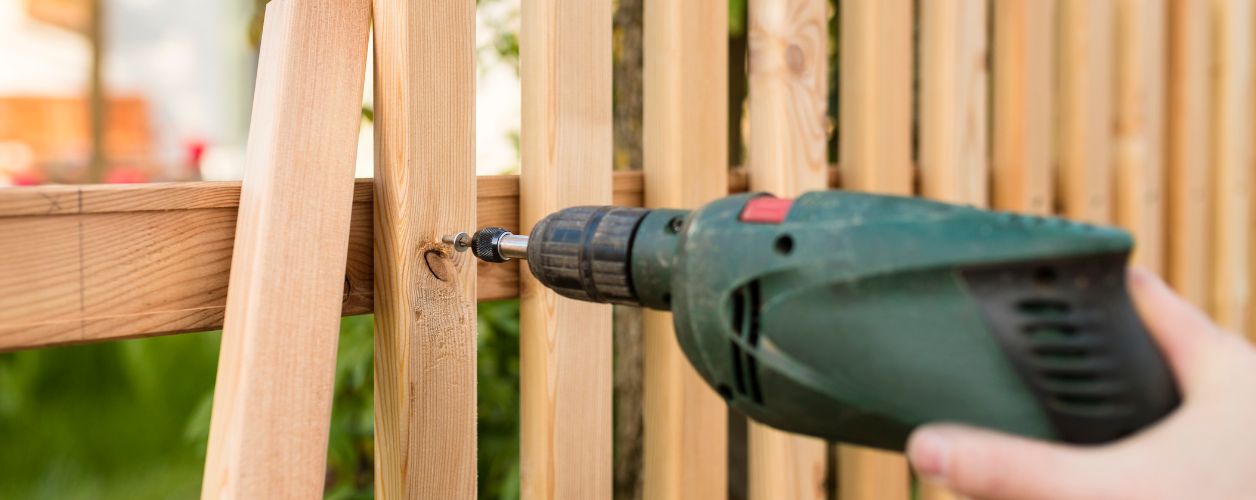
Fence Repair Experts - Hire Local Companies To Repair Your Fences
A well-constructed fence serves as the definitive boundary of your property, offering essential security, establishing privacy, and significantly enhancing the overall aesthetic appeal of your home. However, because these structures are constantly exposed to the outdoor elements, they inevitably suffer from gradual wear and sudden damage. Fence repair is the specialized process of diagnosing and fixing structural and cosmetic issues, allowing property owners to restore their perimeter’s integrity without incurring the substantial expense of a complete replacement.
Property owners typically find themselves in need of these services under a variety of circumstances. Severe weather events, such as heavy windstorms or unexpected impacts from falling tree limbs, can instantly shatter panels or snap structural supports. In other instances, the damage occurs much more slowly. Prolonged exposure to moisture often leads to wood rot, while shifting soil conditions can cause foundational posts to heave or sink, resulting in a noticeably leaning or sagging structure. Additionally, hardware on gates can wear out from constant daily use, creating security vulnerabilities and an annoying hindrance when trying to access your yard.
While minor cosmetic touch-ups might seem like an easy weekend project, hiring experienced professionals is crucial for long-lasting results. A trained technician understands the underlying structural mechanics of a boundary line. Instead of simply masking a problem—such as nailing a fresh board onto a deteriorating support rail—a professional will identify the root cause of the failure. They possess the necessary equipment to safely extract heavy materials, mix and pour concrete footings correctly, and ensure that every new component is perfectly plumb and level. When you book this service, you can expect a comprehensive initial site evaluation, a clear diagnosis of the structural damage, and a tailored plan to bring your enclosure back to its original strength and appearance.
Your Future Fence Repair Hero Is Just One Task Away — Let’s Find Them
Evaluating Damage and the Restoration Process
Common Services and Material Specifics
Fence repair is a highly varied field because the methods used depend entirely on the specific materials that make up your structure. For traditional wood enclosures, professionals frequently replace rotting vertical pickets, rebuild sagging horizontal rails, and address subterranean post rot. In many cases, if a wooden post has snapped at the base, technicians will employ a technique to remove the broken timber from its concrete footing and install a sturdy replacement without having to dig an entirely new hole.
Vinyl fences present a different set of requirements. Because vinyl systems often use interlocking tongue-and-groove designs, fixing a single shattered panel usually involves carefully dismantling a larger section of the boundary to slide new components into the routed posts. Chain link fences, on the other hand, require stretching heavy-duty galvanized mesh, replacing bent top rails, or installing new tension bands to eliminate sagging. For wrought iron or aluminum perimeters, restoration might involve cutting out rusted sections, welding new metal into place, and applying specialized rust-inhibiting treatments to prevent further deterioration.
How the Process Works
The service typically begins with a rigorous on-site inspection. A qualified technician will walk the entire perimeter, assessing not only the visibly broken areas but also checking adjacent sections for hidden stress. For instance, a single leaning post puts immense pressure on the neighboring panels, which may also require reinforcement. Once the full scope of the project is mapped out, the crew will safely remove the compromised materials. If foundational posts need replacement, old concrete footings are carefully excavated. New posts are then set in fresh concrete and given adequate time to cure before the horizontal rails and vertical panels are permanently attached.
Pricing, Timelines, and Important Considerations
Several variables impact the overall cost and timeline of your project. The most significant factor is the condition of the subterranean posts. Replacing a broken gate latch or swapping out a few cracked cedar boards can often be completed in a few hours. However, if multiple support posts have rotted out or shifted due to soil erosion, the project will take significantly longer. Digging out massive chunks of old, hardened concrete is incredibly labor-intensive. Additionally, if the repair requires pouring new concrete footings, the project may span a couple of days to allow the foundation to set properly before bearing the heavy load of the panels.
Another major consideration is material matching. Sourcing standard pine or spruce is generally quick and cost-effective. However, if your property features custom-milled cedar, specific ornamental ironwork, or a discontinued style of extruded vinyl, sourcing the exact matching materials will extend the timeline and increase the cost.
Navigating Common Challenges
One of the most persistent challenges in this category is blending the new repairs with the existing structure. Wood naturally silvers and fades over time due to ultraviolet exposure. A brand-new picket will stand out starkly against an older, weathered panel. Experienced professionals can often offer solutions, such as applying specialized tinted stains or wood treatments to help camouflage the transition. Additionally, working along property lines frequently involves navigating complex root systems from nearby mature trees or dealing with dense, rocky soil conditions, both of which can complicate the excavation and post-setting process.
Your Future Fence Repair Hero Is Just One Task Away — Let’s Find Them
Practical Guidance for a Successful Project
Identifying the Right Professional
Selecting a highly qualified specialist is the most critical step in restoring your property’s boundary. You want to look for technicians who communicate transparently and have a demonstrated history of working with your specific fencing material. A quality professional will provide a highly detailed, itemized estimate that clearly separates labor costs from material costs. They will also take the time to explain their methodology. For example, if you have a leaning structure, a reputable technician will explain exactly how deep they plan to dig the new post holes and what type of concrete mixture they will use to ensure long-term stability, rather than simply offering a quick, temporary brace.
Common Mistakes to Avoid
One of the biggest mistakes property owners make is prioritizing the absolute lowest bid over the quality of the proposed solution. Cheap repairs often involve taking shortcuts, such as setting posts in loose gravel instead of concrete, or failing to use galvanized, rust-resistant fasteners. These "band-aid" fixes usually fail within a year, ultimately costing you more in subsequent repairs. Another critical error is failing to address the underlying environmental causes of the damage. If a section of wood rotted because a lawn sprinkler constantly sprays directly onto the panels, simply replacing the wood without redirecting the sprinkler head guarantees that the exact same problem will occur again in the future.
Preparation and Best Practices
To ensure a smooth and efficient repair process, proper preparation of your yard is essential. Before the crew arrives, clear a designated workspace along the boundary line. Move any patio furniture, children's toys, garden hoses, or decorative planters well out of the way. It is incredibly helpful to provide the technicians with a clear path of at least three feet of working space on your side of the boundary. If you have thick bushes, vines, or low-hanging tree branches obstructing the damaged area, trim them back beforehand.
Communication with your neighbors is also a vital best practice. Since fences sit directly on property lines, the repair crew will likely need brief access to your neighbor's yard to secure fasteners or inspect the backside of the panels. Informing your neighbors of the scheduled work dates allows them to keep their pets indoors and move any of their own fragile landscaping items away from the work zone.
Questions to Ask Before Booking
To establish clear expectations and protect your investment, always ask targeted questions before agreeing to a repair plan. Consider bringing up the following points with your service provider:
- Will you handle the complete removal and disposal of all old, damaged materials and debris from my property?
- How do you handle hidden underground obstacles, such as large tree roots or large rocks, if you need to dig new post holes?
- What specific methods or stains do you recommend to ensure the new materials blend in with the older, weathered sections?
- What is your protocol for coordinating with utility companies to mark underground gas and water lines before digging begins?
- Do you provide any guarantees on the structural stability of the newly set posts or the alignment of repaired gates?
What to Expect During and After the Service
When the restoration day arrives, expect a moderately noisy and active environment. You will likely hear power saws cutting lumber, drills securing hardware, and potentially the heavy thud of digging bars or jackhammers breaking up old concrete footings. There will also be displaced dirt from excavated post holes, which the crew will either spread evenly or haul away depending on your prior agreement.
Once the technicians indicate that the job is complete, always conduct a thorough final walkthrough before they leave the property. Stand back and sight down the top line of the structure to ensure the newly installed sections do not sag or bow and are perfectly flush with the rest of the perimeter. Approach the repaired panels and apply gentle pressure to the posts to verify they feel solid and unyielding. Finally, if any gates were adjusted or rebuilt during the process, open and close them multiple times. The gate should swing effortlessly on its hinges without dragging on the ground, and the latch mechanism should engage securely with minimal effort. Taking these final steps ensures your boundary is safe, secure, and built to last.
Related Categories for Fencing
Find Fence Repair in States
- Fence Repair in Alberta
- Fence Repair in British Columbia
- Fence Repair in Manitoba
- Fence Repair in New Brunswick
- Fence Repair in Newfoundland and Labrador
- Fence Repair in Northwest Territories
- Fence Repair in Nova Scotia
- Fence Repair in Nunavut
- Fence Repair in Ontario
- Fence Repair in Prince Edward Island
- Fence Repair in Quebec
- Fence Repair in Saskatchewan
- Fence Repair in Yukon
Answers to Your Common Questions
Fence repair experts work with a variety of materials, including wood, vinyl, chain-link, aluminum, wrought iron, and composite fencing. They handle everything from loose posts and broken panels to rusted hardware and sagging gates.
Typical repairs range from $150 to $600, depending on the damage and material type. Minor fixes like replacing a few boards may be on the lower end, while structural repairs or gate rehanging cost more.
If your fence has isolated damage (like storm impact or rot in a few sections), repair is often more cost-effective. Full replacement is usually recommended if more than 25–30% of the fence is damaged or if it’s nearing the end of its lifespan.
Most minor repairs don’t require a permit, but if you're changing the height, material, or replacing large sections, local rules may apply. Your repair expert can guide you based on your area’s requirements.