
Find Drywall Contractors in Your Area
- Drywall Contractors in Edmonton
- Drywall Contractors in Victoria
- Drywall Contractors in Winnipeg
- Drywall Contractors in Fredericton
- Drywall Contractors in St. John's
- Drywall Contractors in Yellowknife
- Drywall Contractors in Halifax
- Drywall Contractors in Iqaluit
- Drywall Contractors in Toronto
- Drywall Contractors in Charlottetown
- Drywall Contractors in Quebec
- Drywall Contractors in Regina
- Drywall Contractors in Whitehorse
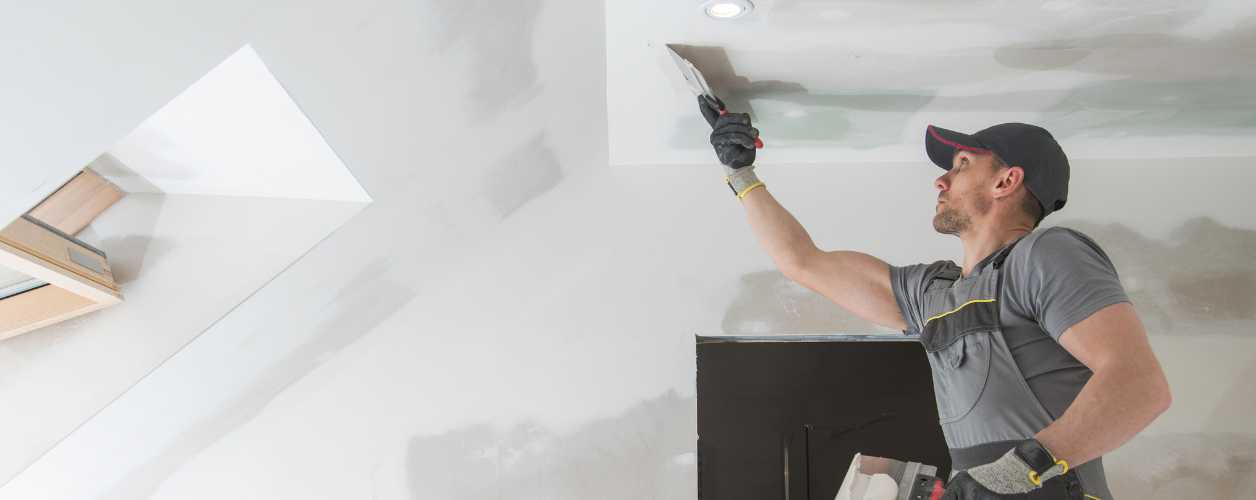
Reliable Drywall Contractors Near You For Hiring Seamlessly
Understanding Modern Drywall and Interior Wall Solutions
Drywall is the fundamental building block of modern Canadian interiors. Whether you are finishing a basement, renovating a master suite, or repairing damage from a plumbing leak, the quality of your drywall installation determines the final aesthetic of your home. Often referred to as sheetrock, gypsum board, or wallboard, drywall replaced the traditional lath-and-plaster method decades ago because it is faster to install, more fire-resistant, and provides a smoother surface for paint and wallpaper. However, while it may seem like a straightforward product, achieving a perfectly flat, seamless wall requires a high degree of technical skill, particularly during the taping and mudding phases.
Professional drywall contractors are essential because the margin for error is incredibly slim. Poorly installed panels can lead to visible seams, popping nails, and structural cracking over time. In the Canadian climate, where homes experience significant temperature and humidity shifts between seasons, the way drywall is hung and finished is critical to preventing future maintenance issues. Professionals understand how to account for building movement and environmental factors, ensuring that your walls remain crisp and crack-free for years. Beyond aesthetics, drywall also serves functional purposes, including fire protection, sound dampening, and moisture resistance in high-humidity areas like bathrooms and kitchens.
Common Services Included in This Category
- Full Drywall Installation: Measuring, cutting, and hanging gypsum panels for new builds or additions.
- Drywall Taping and Mudding: Applying joint compound and tape to create seamless transitions between panels.
- Ceiling Drywall Services: Specialized installation for overhead surfaces, including vaulted or coffered ceilings.
- Drywall Repair and Patching: Fixing holes from doorknobs, furniture movement, or electrical upgrades.
- Water Damage Restoration: Removing compromised panels affected by leaks and replacing them with fresh material.
- Level 5 Finishing: Applying a thin skim coat over the entire surface for a premium, ultra-smooth gallery finish.
- Popcorn Ceiling Removal: Scraping away outdated textures and refinishing the ceiling to a modern, smooth state.
- Texture Application: Creating custom finishes such as knock-down, orange peel, or sand textures.
- Soundproof Drywall Installation: Utilizing specialized high-density boards or resilient channels to reduce noise transfer between rooms.
- Fire-Rated Drywall Services: Installing Type X or Type C drywall in garages and utility rooms to meet safety codes.
- Basement Finishing: Comprehensive wallboard installation tailored for lower-level environments, often using moisture-resistant boards.
- Sanding and Priming: Precision sanding of joints and application of specialized primers to prepare for paint.
- Drywall Partitioning: Creating new room divisions in residential or commercial office spaces.
- Plaster Repair: Patching and blending older lath-and-plaster walls with modern drywall materials.
- Decorative Drywall Features: Constructing bulkheads, niches, or arched doorways for architectural interest.
How the Drywall Process Typically Works
The journey from bare studs to a paint-ready room follows a specific, multi-stage process that rewards patience and precision. It begins with a thorough site assessment where the contractor measures the square footage and determines the type of board required for each area—such as moisture-resistant "green board" for bathrooms or "purple board" for high-moisture/mold-prone zones. Once materials are delivered, the "hanging" phase begins. Sheets are fastened to the wooden or metal studs using specialized screws, with professionals aiming for as few seams as possible to reduce the workload during the finishing stages.
The "taping and mudding" stage is where the artistry happens. A professional applies joint compound (mud) and tape to every seam and screw head. This usually requires three separate coats, with drying time required between each layer. In the Canadian winter, contractors may use heaters or dehumidifiers to ensure the compound cures correctly despite the outdoor cold. After the final coat of mud is dry, the walls are sanded. Modern professionals use dust-containment systems or vacuum-assisted sanders to minimize the fine white powder that can otherwise permeate a home. The process concludes with a final inspection under high-intensity lighting to identify any imperfections before the walls are primed and ready for the painter.
Your Future Drywall Contractors Hero Is Just One Task Away — Let’s Find Them
How to Choose the Right Drywall Professional
Selecting the right contractor is about more than just finding the lowest quote; it is about ensuring the longevity of your interior finishes. Because drywall work is so dust-intensive and physically demanding, you want a professional who prioritizes cleanliness and safety as much as the final look of the walls.
Evaluate Technical Specialization
Not all drywallers specialize in the same areas. Some contractors excel at high-volume new construction, where speed is the priority. Others specialize in high-end residential renovations where a "Level 5" finish is required. If you are doing a small repair, look for a specialist in "patch and match" work, as blending new textures with old ones is a unique skill. Always ask to see photos of finished ceilings specifically, as ceilings are more difficult to finish perfectly than walls due to how light hits the surface.
Check for Proper Equipment and Dust Management
Drywall sanding is notorious for creating a mess. Ask potential contractors about their dust-management protocols. Professional companies use HEPA-filtered vacuum systems attached to their sanders and will use plastic sheeting to seal off the work area from the rest of your home. If a contractor mentions they only use hand-sanding blocks without any vacuum attachment, be prepared for a significant cleanup effort afterward.
Verify Insurance and Reliability
Ensure the contractor carries liability insurance and is in good standing with provincial workplace safety boards. Drywall panels are heavy and involve working at heights on stilts or scaffolding; you want to ensure the crew is protected. Additionally, gauge their reliability by their responsiveness during the quoting process. A contractor who is punctual with their initial visit is more likely to respect your project timeline.
Pricing Factors and Understanding Costs
The cost of hiring a drywall professional can vary significantly based on the scope of the project and the level of finish desired. On average, you can expect to pay between $2.00 and $4.50 per square foot for professional installation, including materials and labor. For smaller repair jobs, most contractors have a minimum call-out fee ranging from $150 to $350, depending on the complexity of the patch.
| Factor | Impact on Cost | Notes |
|---|---|---|
| Level of Finish | High | Level 5 (skim coat) is significantly more expensive than Level 4. |
| Ceiling Height | Moderate | Ceilings over 9 feet require scaffolding or specialized lifts. |
| Material Type | Low to Moderate | Soundproof or fire-rated boards cost more than standard gypsum. |
| Room Complexity | High | Many corners, bulkheads, or arches increase labor hours. |
| Demolition Required | Moderate | Removing old lath/plaster or damaged drywall adds labor and disposal fees. |
The "Level of Finish" is the most significant pricing variable. A Level 4 finish is the industry standard for most residential homes that will be painted with a flat or eggshell sheen. However, if you plan on using high-gloss paint or have large windows that allow "critical lighting" to hit the walls at an angle, you may need to invest in a Level 5 finish. This involves a thin layer of joint compound applied over the entire surface to hide any minute differences in texture between the paper of the drywall and the mud of the joints.
Common Problems and Use Cases
Homeowners typically seek out drywall professionals for a variety of reasons, ranging from cosmetic upgrades to structural necessities. One of the most frequent use cases is finishing a basement. In this scenario, the contractor must not only hang the board but also ensure it is properly integrated around ductwork and steel beams using bulkheads. Another common issue is "nail pops"—those small circular bumps that appear on walls when the house settles or the wood studs shrink. A professional can properly reset these and refinish the area so they don't return.
Water damage is perhaps the most urgent reason to call a drywaller. Whether it’s a burst pipe or a roof leak, drywall acts like a sponge. If it isn't replaced quickly, mold can develop within the wall cavity. Professional contractors can perform "flood cuts," removing the bottom two feet of drywall throughout a room to address moisture while saving the rest of the wall. Finally, older homes often suffer from cracked ceilings due to the weight of insulation or the natural settling of the foundation; a drywall expert can reinforce these areas with new screws and fiberglass tape to provide a permanent fix.
Your Future Drywall Contractors Hero Is Just One Task Away — Let’s Find Them
Questions to Ask Before Hiring
- What level of finish do you include in your standard quote? (Most should say Level 4, but it is important to clarify).
- How do you handle dust containment in a finished home? (Look for mentions of plastic barriers and vacuum-assisted sanding).
- Who is responsible for the disposal of the drywall scrap? (Ensure this is included in the price, as drywall cannot always be tossed in regular trash).
- How long do you wait between coats of mud? (Rushing this can lead to cracking; a pro will usually wait 24 hours depending on humidity).
- Can you match my existing wall texture? (Crucial for repair work in older homes).
- Will you be using screws or nails? (Screws are the modern standard as they are far less likely to "pop" over time).
- Are you comfortable working around specialized features like pot lights or built-in speakers?
Mistakes to Avoid When Dealing With Drywall
One of the most common mistakes homeowners make is attempting to "DIY" the taping and mudding process to save money. While hanging the boards is physically taxing, it is the finishing that requires years to master. A poor taping job will be glaringly obvious the moment you apply paint, and fixing a bad mud job often costs more than doing it right the first time because the old material must be sanded down or removed.
Another mistake is ignoring the importance of priming. Drywall mud and the paper surface of the board absorb paint at different rates. If you skip a specialized drywall primer, the seams will often "ghost" through the paint, appearing as dull or shiny strips even after multiple coats of expensive paint. Additionally, never hire a contractor who suggests "skimping" on the number of screws used to hold the boards up. A sheet that isn't properly secured will eventually sag, especially on ceilings, leading to expensive structural repairs down the road. Finally, avoid starting drywall work before the building is "dried-in" (fully protected from the elements) and the HVAC system is operational, as excessive moisture can cause the boards to swell and the tape to fail.
Cost Guide
Related Categories for Plastering
Find Drywall Contractors in States
- Drywall Contractors in Alberta
- Drywall Contractors in British Columbia
- Drywall Contractors in Manitoba
- Drywall Contractors in New Brunswick
- Drywall Contractors in Newfoundland and Labrador
- Drywall Contractors in Northwest Territories
- Drywall Contractors in Nova Scotia
- Drywall Contractors in Nunavut
- Drywall Contractors in Ontario
- Drywall Contractors in Prince Edward Island
- Drywall Contractors in Quebec
- Drywall Contractors in Saskatchewan
- Drywall Contractors in Yukon
Answers to Your Common Questions
On average, drywall installation in Canada costs around $1.50 to $3.50 per square foot, including materials and labour. Prices may vary based on project size, wall height, ceiling work, and complexity. Small repairs are usually billed hourly, typically $50 to $90 per hour.
Drywall consists of gypsum panels attached to wall studs, offering fast installation and cost-efficiency. Plaster is applied in layers and takes longer to install, but offers a smoother, denser finish. Drywall is the standard choice for most Canadian homes due to affordability and versatility.
Yes, drywall contractors often install or repair ceiling drywall, including flat ceilings, textured ceilings (like popcorn or knockdown), and bulkhead framing. They also handle patchwork for ceiling leaks or cracks, ensuring a clean, smooth finish.
A standard drywall installation for a single room (e.g., a basement or bedroom) can take 2 to 5 days including taping, mudding, and sanding. Larger projects or custom ceiling work may take longer depending on drying times and finishing level.
While no process is 100% dust-free, modern vacuum-sanding systems capture about 95-98% of the dust at the source. It is significantly cleaner than traditional hand-sanding but still requires some basic covering of furniture and electronics.
Cracks are usually caused by the house settling, significant swings in indoor humidity, or poor installation techniques like "butt joints" being placed too close to the corners of doors and windows where stress is highest.
Yes, it is highly recommended. Basements are naturally more humid than upper floors. Using "green board" or mold-resistant gypsum provides an extra layer of protection against the damp conditions often found in below-grade spaces.
If the drywall feels soft, is sagging, or shows signs of dark spotting (mold), it needs to be replaced. If the water was clean and the board is still structurally sound, it may be possible to dry it out and stain-block it, but replacement is usually the safer long-term bet.