
Find Bathroom Caulking in Your Area
- Bathroom Caulking in Edmonton
- Bathroom Caulking in Victoria
- Bathroom Caulking in Winnipeg
- Bathroom Caulking in Fredericton
- Bathroom Caulking in St. John's
- Bathroom Caulking in Yellowknife
- Bathroom Caulking in Halifax
- Bathroom Caulking in Iqaluit
- Bathroom Caulking in Toronto
- Bathroom Caulking in Charlottetown
- Bathroom Caulking in Quebec
- Bathroom Caulking in Regina
- Bathroom Caulking in Whitehorse
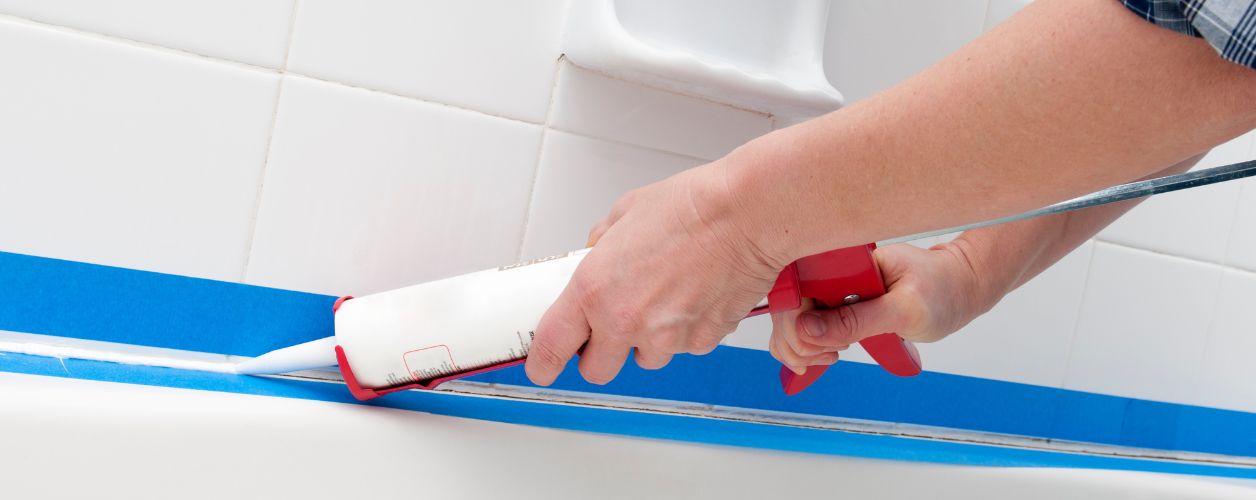
Bathroom Caulking Experts - Hire To Keep Your Bathroom Waterproof And Sealed
Bathroom caulking is a thin line of sealant that stands between a clean, dry space and a cascade of hidden damage. It seals joints where your bathtub meets the wall, around the base of the toilet, along sink edges, and inside the shower enclosure. When done correctly by bathroom caulking experts, it stops water from seeping into places it should never go. Without it, moisture creeps behind tiles, under flooring, and into wall cavities, encouraging mould, rotting wood, and expensive structural repairs.
You might need this service during a renovation, after noticing peeling or cracked silicone, or when a musty smell hints at hidden dampness. Fresh caulking also restores the crisp, finished look of a bathroom, covering gaps and stains that make even a clean room feel tired. While DIY kits are widely available, achieving a straight, long-lasting, waterproof seal requires skill, the right product, and an understanding of surface preparation that professional caulking contractors bring to every job. Trusted bathroom caulking professionals know which sealant works best for each surface—whether it’s a high-movement joint around an acrylic bathtub or a wet area requiring anti-mould protection—and they apply it so it remains flexible and watertight for years.
What Services Do Bathroom Caulking Specialists Actually Provide?
When you hire bathroom caulking services, you’re not just paying for someone to squeeze a tube. The scope covers a wide range of sealing and waterproofing tasks, often combined into a single visit. Below are the most common tasks that bathroom sealant contractors and related specialists handle.
- Bathtub and shower resealing services, including removing old, mouldy silicone and replacing it with fresh waterproof bathroom sealing
- Shower caulking specialists redoing corners, seams, and the joint between the shower tray and walls
- Sink caulking services around bathroom and vanity basins to prevent water from dripping into cabinets
- Bathroom silicone sealant replacement along countertops, backsplashes, and wall junctions
- Tile and grout sealing services at wall-to-floor transitions and inside shower niches
- Shower screen sealing contractors ensuring frameless glass enclosures are watertight at the base and sides
- Toilet base caulking to stop odours, wobbling, and floor water damage
- Bathroom gap filling specialists addressing cracks where walls meet ceilings or skirting boards
- Vanity and sink sealing services around built-in cabinets and undermount sinks
- Silicone regrouting and sealing contractors replacing worn grout in corners with flexible, mould-resistant silicone
- Moisture protection caulking services for windows, pipes, and vents in bathrooms
- Bathroom crack sealing services fixing fine lines in shower trays, baths, or tiles before they grow
- Kitchen and bathroom caulking services for dual-area bookings, though bathroom work often demands specialised anti-mould sealants
How a Professional Caulking Job Unfolds: Step by Step
Understanding the typical process helps you know what to expect and ask the right questions. While each project differs, experienced bathroom waterproofing and sealing services follow a consistent approach.
- Inspection and moisture check: The professional examines all joints, checks for soft spots or hidden leaks, and identifies the root cause of failing sealant.
- Surface preparation: Old caulk is scraped out completely using sharp blades and sometimes a chemical remover. The area is cleaned thoroughly and dried. Any residue left behind will cause the new sealant to peel early.
- Repair and priming: If gaps are too deep, a backer rod is inserted to support the sealant and prevent cracking. Some surfaces receive a primer for better adhesion.
- Sealant selection: The contractor chooses the right silicone—neutral cure for stone, anti-mould for showers, paintable caulk for trim joints—so you get a long-lasting silicone sealant specialists’ finish.
- Precise application: Using a professional-grade caulking gun, the bead is laid in one smooth, continuous motion. This minimises bumps and air pockets.
- Tooling and shaping: The fresh sealant is smoothed with a profiling tool (not a wet finger, which introduces bacteria) to create a concave, flexible joint that sheds water.
- Curing time: The sealant is left to cure for the time specified on the product—typically 24 hours before exposure to water, though some fast-cure silicones are ready sooner.
- Final water test and cleanup: The area is wiped down, and a final moisture check confirms everything is sealed. The workspace is left clean.
Your Future Bathroom Caulking Hero Is Just One Task Away — Let’s Find Them
How to Choose the Right Bathroom Caulking Professional
Not all caulking jobs are equal, and neither are the people who do them. A handyman can recaulk a sink, but waterproof bathroom sealing that must last demands a specialist. Here’s what to look for.
Proven Experience in Bathroom-Specific Sealing
Look for bathroom joint sealing experts who work primarily in wet areas. Ask how many shower reseals they complete each month, and whether they understand the different movement rates between acrylic, porcelain, and glass. Someone who regularly performs bathtub caulking knows to leave the tub filled during application to pre-stretch the joint.
Knowledge of Sealant Types and Mould Resistance
A true anti mould bathroom sealant expert will explain the difference between acetoxy and neutral cure silicones, and why putting the wrong one on natural stone can stain it permanently. They should recommend high-performance sealants with fungicides built in for shower use, and they won’t use cheap acrylic caulk in a wet zone.
Proper Tools and Preparation Standards
Professional waterproof sealant application requires more than a utility knife. The right contractor brings HEPA-filtered extractors if mould is present, profiling spatulas, backer rods, and infrared moisture meters. Watch for corner-cutting: if they don’t plan to completely remove the old sealant, find someone else.
Transparent Pricing and a Detailed Quote
Affordable bathroom sealing services don’t hide behind vague pricing. You should receive a clear breakdown covering surface preparation, metres of sealant to be replaced, product cost, and a call-out fee if applicable. A professional won’t give a final price over the phone without seeing the job.
Insurance, Guarantees, and Responsiveness
Reliable caulking companies carry liability insurance and offer a written warranty on their work—often 1 to 5 years depending on the service. Home bathroom sealing contractors should answer calls promptly, arrive on time, and provide a simple service agreement. Check online reviews for mentions of follow-up and honouring guarantees.
Pricing Factors: What Does Bathroom Caulking Cost?
Costs vary widely based on the size of the bathroom, the condition of existing sealant, and the type of silicone used. For a straightforward bathtub and shower resealing service with simple joints, you can expect to invest anywhere from $180 to $350. Full bathroom silicone sealant replacement across a shower, floor, toilet, and vanity often falls between $350 and $700. Extensive waterproof bathroom sealing with mould remediation or tile edge sealing can reach $900 or more.
| Service | Typical Price Range ($) |
|---|---|
| Bathtub or shower base reseal (remove and replace) | $160 – $280 |
| Shower enclosure caulking (walls, corners, door) | $200 – $400 |
| Bathroom silicone sealant replacement (full room) | $350 – $650 |
| Sink and vanity caulking only | $80 – $150 |
| Tile edge sealing and expansion joints | $6 – $15 per linear foot |
| Mould removal and anti-mould recaulking | $250 – $500 |
Several factors push costs higher: severe water damage requiring pre-repair, emergency or same-day service, hard-to-access joints, and the use of premium mould resistant caulking experts’ materials. The number of joints, height of the ceiling in a shower, and whether silicone needs to be colour-matched all affect the final bill. Always ask for a site visit so the quote reflects reality.
Your Future Bathroom Caulking Hero Is Just One Task Away — Let’s Find Them
When Do You Need a Professional Caulking Expert?
There are tell-tale signs beyond a bit of peeling silicone. Homeowners call bathroom leak prevention specialists in these common situations.
- Persistent musty odours: Water is getting behind a surface and feeding mould where you can’t see it.
- Lifted or bubbled flooring near the tub or toilet: Often indicates a seal failure that allowed water under the vinyl or tile.
- Dark spots and pink slime on caulk: Mould has taken root inside the sealant and can’t be cleaned away; it needs replacing with waterproof bathroom sealing that resists fungal growth.
- Gaps opening between walls and the tub: The house has settled or the caulk has lost flexibility, creating a direct water path.
- After a bathroom renovation: New tiles, new vanity, and new fixtures all need professional bathroom waterproofing contractors to seal edges before the room is used.
- Water stains on the ceiling below: A leaking shower pan or cracked shower screen seal may be the culprit—bathroom crack sealing services can address the source.
- Crumbling grout at corners: Corners should not be grouted because they move; silicone regrouting and sealing contractors will remove the grout and replace it with flexible sealant.
- Selling or renting a property: Fresh, crisp caulking makes a bathroom look immaculately maintained, not just clean.
Crucial Questions to Ask Before You Book
A few minutes of conversation can separate complete bathroom sealing solutions from a cosmetic patch-up. Bring these questions to your estimate.
- “What type of sealant will you use, and why is it right for my surfaces?”
- “Will you remove all the old caulk before applying new sealant?”
- “How do you handle mould that’s behind the existing silicone?”
- “Do you use a backer rod for deep joints, and is that included in the price?”
- “What’s the minimum curing time before I can use the shower?”
- “What warranty do you offer on the work, and what does it cover?”
- “Are you insured for property damage while working in my home?”
- “Can you provide a written quote that itemises labour, materials, and any extra charges?”
Mistakes That Can Turn a Simple Seal Into a Big Problem
Even small missteps can leave you with a job that fails within weeks. Avoid these common pitfalls when dealing with home bathroom sealing contractors or tackling any sealant work.
- Caulking over old, dirty silicone: The new layer won’t bond, and water will pocket between the two layers, causing a worse problem.
- Using the wrong sealant: Acrylic latex caulk in a shower will turn to mush. A bathroom silicone sealant replacement must use waterproof, mould-resistant silicone.
- Ignoring hidden moisture: Sealing a joint while the substrate is still damp traps water inside, guaranteeing failure.
- Skipping the backer rod: Filling deep gaps with only silicone leads to cracking as the sealant can’t flex properly over a wide void.
- Applying sealant on a humid or dusty day: Surface contamination and slow curing can weaken adhesion—professional bathroom waterproofing contractors monitor conditions.
- Forgetting movement joints: Tiled corners and changes in plane must remain flexible; grouting them creates a rigid point that soon cracks.
- Not giving the sealant enough cure time: Using a shower a few hours later can wash away uncured sealant and ruin the job.
- Choosing a provider based only on the lowest price: Cheap quotes often mean rushed preparation and low-grade materials that won’t last.
Cost Guide
Related Categories for Bathroom & Sanitary
Find Bathroom Caulking in States
- Bathroom Caulking in Alberta
- Bathroom Caulking in British Columbia
- Bathroom Caulking in Manitoba
- Bathroom Caulking in New Brunswick
- Bathroom Caulking in Newfoundland and Labrador
- Bathroom Caulking in Northwest Territories
- Bathroom Caulking in Nova Scotia
- Bathroom Caulking in Nunavut
- Bathroom Caulking in Ontario
- Bathroom Caulking in Prince Edward Island
- Bathroom Caulking in Quebec
- Bathroom Caulking in Saskatchewan
- Bathroom Caulking in Yukon
Answers to Your Common Questions
Caulking seals gaps around bathtubs, showers, sinks, and tiles to prevent water leakage, mold growth, and damage to walls and floors. It keeps your bathroom looking clean while protecting the structure underneath.
Caulking should typically be replaced every 3 to 5 years, or sooner if it shows signs of cracking, peeling, discoloration, or mold. Regular checks can help you catch problems early.
Professional caulking services usually cost between $100 and $250, depending on the number of fixtures, type of caulk, and whether old caulk needs to be removed and cleaned before reapplying.
While it’s possible to DIY, professionals ensure clean removal of old caulk, mold-resistant application, and neat, watertight sealing. Poor DIY jobs often lead to recurring leaks or uneven finishes.