
Find Artificial Turf Installation in Your Area
- Artificial Turf Installation in Edmonton
- Artificial Turf Installation in Victoria
- Artificial Turf Installation in Winnipeg
- Artificial Turf Installation in Fredericton
- Artificial Turf Installation in St. John's
- Artificial Turf Installation in Yellowknife
- Artificial Turf Installation in Halifax
- Artificial Turf Installation in Iqaluit
- Artificial Turf Installation in Toronto
- Artificial Turf Installation in Charlottetown
- Artificial Turf Installation in Quebec
- Artificial Turf Installation in Regina
- Artificial Turf Installation in Whitehorse
Top Artificial Turf Installation Experts Near You
Achieving a pristine, emerald-green lawn in a climate characterized by heavy snow, fluctuating temperatures, and muddy spring thaws is a significant challenge for many property owners. Traditional sod requires a rigorous schedule of mowing, fertilizing, and watering, often with disappointing results in shaded areas or high-traffic zones. This is where the expertise of professional installers comes into play. By replacing natural grass with high-quality synthetic alternatives, homeowners and commercial managers can enjoy a functional, aesthetically pleasing outdoor space year-round without the labor-intensive upkeep.
The transition to synthetic surfaces has moved far beyond the "plastic carpet" look of previous decades. Today’s materials are engineered to mimic specific grass species common to northern latitudes, featuring varied blade heights, textures, and even "thatch" layers that provide a realistic look and feel. However, the success of these installations relies less on the turf itself and more on the engineering beneath the surface. Professionals ensure that the ground is correctly excavated, leveled, and fitted with specialized drainage systems that can handle heavy rainfall and snowmelt without pooling or shifting.
Enlisting a specialist is particularly vital for those dealing with specific environmental hurdles. Whether it is a backyard that has become a mud pit due to pets, a rooftop terrace that requires lightweight materials, or a commercial storefront that needs to maintain curb appeal in the dead of winter, professional installers provide a tailored approach. They understand the nuances of soil compaction and the importance of high-grade base materials that prevent the surface from buckling during the freeze-thaw cycles typical of the region.
Services Offered by Turf Installation Specialists
When you hire professionals in this category, you are accessing a wide range of specialized services designed to transform various types of surfaces. Their work extends far beyond simply unrolling a product; it involves comprehensive site preparation and custom finishing. Typical services include:
- Residential Lawn Transformation: Replacing traditional grass with durable synthetic alternatives for front and backyards.
- Pet-Specific Turf Systems: Installing specialized grass with high-permeability backings and antimicrobial infills to manage waste and odors effectively.
- Custom Putting Greens: Designing and installing professional-grade backyard golf greens with adjustable fringe and contouring.
- Playground and Safety Surfacing: Using shock-absorbent underlays beneath the turf to provide a soft landing zone for children's play areas.
- Rooftop and Balcony Installations: Lightweight applications for urban dwellers looking to add greenery to high-rise outdoor spaces.
- Sports and Athletic Field Installation: High-durability surfaces for soccer, football, or multi-sport private and community courts.
- Commercial Landscape Design: Enhancing the exterior of office buildings, retail centers, and medians with low-maintenance greenery.
- Pool Surround Landscaping: Creating a slip-resistant, chlorine-safe green border around swimming pools that stays cool underfoot.
- Advanced Drainage Solutions: Integrating sub-surface drainage pipes and crushed stone bases to prevent water accumulation.
- Turf Repair and Re-stretching: Fixing seams that have separated or tightening surfaces that have developed wrinkles over time.
- Infill Replenishment and Maintenance: Adding new sand or coated infill to keep grass blades standing upright and protected.
- Commercial Grade Weed Barrier Installation: Applying heavy-duty geotextile layers to prevent natural growth from piercing the synthetic surface.
The Professional Installation Process
A reliable installation is a multi-step engineering project that requires precision at every stage. Understanding this process helps property owners appreciate why professional labor is a significant part of the project. A typical installation follows these essential steps:
- Site Preparation and Excavation: The existing grass, weeds, and roughly three to four inches of topsoil are removed. This creates room for a stable foundation and ensures the final lawn sits flush with surrounding walkways or garden beds.
- Base Layer Construction: A specialized blend of crushed stone and "fines" (smaller rock particles) is spread across the area. This layer is crucial for drainage and must be meticulously compacted using vibrating plate compactors to create a solid, non-shifting base.
- Smoothing and Contouring: The installer shapes the base to ensure water flows away from buildings. This step involves creating subtle undulations that make the final product look like a natural landscape rather than a flat parking lot.
- Geotextile Membrane Application: A heavy-duty weed barrier is laid down to prevent any subterranean growth while still allowing water to permeate through to the soil.
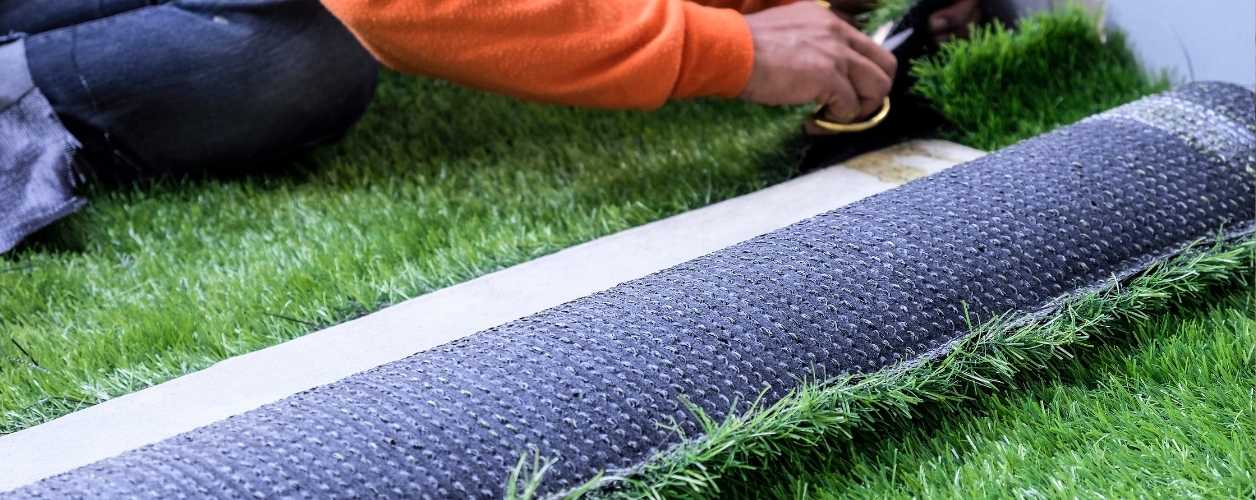
- Turf Laying and Precision Cutting: The synthetic grass is rolled out and allowed to "acclimate" to the temperature. The installers then perform intricate cuts around trees, flower beds, and edges using specialized industrial knives.
- Seaming and Securing: If multiple rolls are used, the "seams" are joined using high-strength outdoor adhesive and seaming tape. The edges are then secured using non-corrosive spikes or landscape staples driven deep into the base.
- Infill Application: A layer of specialized sand or coated granules is spread across the lawn. A power brush is then used to work this infill into the base of the fibers, which helps the blades stand upright and provides the weight necessary to keep the turf from moving.
- Final Grooming and Cleanup: The surface is brushed one last time to remove excess fibers, and the site is thoroughly cleaned of all construction debris.
Your Future Artificial Turf Installation Hero Is Just One Task Away — Let’s Find Them
Criteria for Selecting a Qualified Installer
Assessment of Technical Knowledge
Because the durability of your lawn depends on the sub-base, the right professional should be able to explain their drainage philosophy in detail. Ask about the specific types of aggregate they use for the base and how they handle moisture runoff in your specific soil type (such as clay-heavy vs. sandy soils). A technician who glosses over the preparation phase is likely to deliver a product that sinks or ripples within a few seasons. Look for companies that emphasize the "civil engineering" aspect of the job rather than just the aesthetic finish.
Portfolio and Specialized Experience
Not all installations are created equal. A company that excels at flat residential yards might not have the expertise required for a complex, contoured putting green or a high-rise balcony. Ask to see a portfolio that includes projects similar to yours. If you have pets, specifically look for evidence of pet-friendly installations where drainage and odor control were prioritized. Their previous work should demonstrate clean seams (you shouldn't see a "line" where two pieces meet) and tidy edges along fences and walkways.
Quality of Materials and Warranties
High-quality synthetic grass should be UV-stabilized to prevent fading in the sun and have a high "face weight," indicating a dense, lush pile. Inquire about the source of their materials and the manufacturer's warranty. A reputable professional will offer two types of warranties: one from the manufacturer for the product itself (typically 8–15 years) and a separate labor warranty (typically 1–3 years) that covers the installation quality, such as seam integrity and base stability.
Transparency and Professionalism
The quoting process should be thorough. A professional installer will take physical measurements of your space and inspect the access points for heavy machinery. They should provide a written estimate that breaks down the costs of excavation, base materials, the specific turf model chosen, and labor. Reliability also manifests in their communication; they should be responsive to questions and clear about the projected timeline for the project, including how weather might impact the start date.
Understanding the Investment: Pricing and Costs
Installing synthetic grass is a significant upfront investment that pays for itself over time through reduced water bills and zero maintenance costs. In the Canadian market, you can generally expect to pay between $8 and $20 per square foot for a complete professional installation. For an average backyard project of 500 square feet, the total cost often ranges from $4,000 to $10,000.
| Factor | Impact on Price | Details |
|---|---|---|
| Turf Quality | High | Premium, high-density fibers with realistic thatch layers cost more than basic "apartment grade" turf. |
| Site Accessibility | Medium | If installers must move tons of rock by hand through a small gate, labor costs will increase significantly. |
| Base Preparation | High | Difficult soil conditions or significant leveling and excavation increase the volume of materials and labor. |
| Infill Type | Low/Medium | Specialized cooling infills or antimicrobial pet infills are more expensive than standard silica sand. |
| Project Complexity | Medium | Curves, custom putting green cups, and intricate edging require more time and precision cutting. |
While the initial price may seem high compared to sod, users should consider the "total cost of ownership." Over a ten-year period, the savings on lawnmower fuel, repairs, fertilizers, pesticides, and irrigation water often make synthetic grass the more economical choice. Furthermore, the expertise of the installer ensures that this investment lasts for 15 to 20 years, whereas a poorly installed DIY project may need to be ripped out and redone after just a few winters.
Common Scenarios for Turf Replacement
Many property owners turn to synthetic solutions when traditional landscaping fails to meet their needs. Identifying these common problems can help you decide if it is time to consult an expert.
- The "Shadow Effect": Lawns under large trees or between tall buildings often die due to a lack of sunlight. Synthetic grass remains perfectly green regardless of light levels.
- Pet Damage and Odors: Heavy pet use can lead to yellow patches and deep mud holes. Specialized turf allows urine to flush through and prevents dogs from digging.
- High-Traffic Areas: Paths where people or pets constantly walk often become bare soil. Synthetic fibers are designed to bounce back even under heavy daily footfall.
- Small Urban Spaces: For small city backyards, maintaining a lawnmower is impractical. Turf provides a "mow-free" green space that is always ready for use.
- Water Conservation Areas: In regions where water restrictions are common during the summer, synthetic grass stays lush without a single drop of irrigation.
- Allergy Sensitivity: For families suffering from grass pollen allergies, synthetic lawns provide a way to enjoy the outdoors without the respiratory irritation.
Your Future Artificial Turf Installation Hero Is Just One Task Away — Let’s Find Them
Questions to Ask Your Installation Team
Before signing a contract, it is essential to vet your provider with practical questions that reveal their level of experience and commitment to quality. Use these questions to gauge their suitability for your project:
- What specific brand of turf do you use, and can I see a sample of the exact model being installed?
- How many inches of base material do you typically install, and what is its composition?
- What is the drainage rate of this specific turf (usually measured in inches per hour per square yard)?
- How do you secure the seams? Do you use glue and tape, or just staples? (Glue and tape is generally superior).
- What type of infill do you recommend for my specific situation (e.g., kids, pets, or high heat)?
- How do you handle the transition between the turf and my existing garden beds or walkways?
- What is the lead time for your services, and how long will my yard be "under construction"?
- Do you provide a written warranty for both the material and the labor?
Avoiding Common Installation Pitfalls
The difference between a beautiful lawn and a landscape disaster often comes down to a few critical errors. Being aware of these common mistakes will help you supervise the project more effectively.
- Skipping the Base Compaction: If the crushed stone base is not compacted with heavy machinery, the lawn will eventually develop "dips" and "potholes" as the ground settles.
- Incorrect Blade Direction: Synthetic grass has a "grain." If multiple pieces are installed with the grain facing different directions, the colors will look completely different, and the seams will be glaringly obvious.
- Using the Wrong Infill Volume: Using too little infill causes the grass blades to mat down and look flat. Using too much can make the lawn feel crunchy and look like it's covered in sand.
- Poor Drainage Planning: If the installer doesn't account for the natural slope of your property, water may pool under the turf, leading to mold issues or ice patches in the winter.
- Improper Seaming: Seams that are not joined precisely can gap over time, creating a tripping hazard and allowing weeds to grow through the middle of the lawn.
- Choosing "Cheap" Turf: Low-cost turf often lacks UV protection, causing it to turn a strange blue or gray color after a few years of sun exposure.
Related Categories for Lawn & Turf
Find Artificial Turf Installation in States
- Artificial Turf Installation in Alberta
- Artificial Turf Installation in British Columbia
- Artificial Turf Installation in Manitoba
- Artificial Turf Installation in New Brunswick
- Artificial Turf Installation in Newfoundland and Labrador
- Artificial Turf Installation in Northwest Territories
- Artificial Turf Installation in Nova Scotia
- Artificial Turf Installation in Nunavut
- Artificial Turf Installation in Ontario
- Artificial Turf Installation in Prince Edward Island
- Artificial Turf Installation in Quebec
- Artificial Turf Installation in Saskatchewan
- Artificial Turf Installation in Yukon
Answers to Your Common Questions
Artificial grass is typically made from synthetic materials, including polyethylene, polypropylene, and nylon. These fibers are designed to mimic the look and feel of natural grass while offering durability, weather resistance, and low maintenance. The grass is supported by a backing layer and filled with sand or rubber granules for stability.
The cost to install artificial grass in Canada ranges from $8 to $20 per square foot. This includes site preparation, materials, labour, and infill. The total cost depends on the size of the area, the type of turf selected, and any custom landscaping features like edging or drainage.
Yes, high-quality artificial turf is non-toxic and safe for both pets and children. It provides a soft surface for play, and many types are designed to resist odours and stains. Some varieties also include antimicrobial protection for added hygiene.
With proper installation and minimal upkeep, artificial grass can last 15 to 25 years. Its longevity depends on the quality of the turf, foot traffic, and exposure to sun or harsh weather conditions. Most products also come with a manufacturer’s warranty.
Synthetic materials can hold more heat than natural grass. On very hot days, the surface can feel warm to the touch. However, modern products often include "cool-leaf" technology, and choosing a light-colored infill can help significantly. If it feels too warm, a quick ten-second misting with a garden hose will drop the temperature instantly.
Solid waste is picked up just as it would be on natural grass. For liquid waste, the permeable backing allows it to drain through the turf and into the base. To prevent odors, most installers recommend a quick rinse with water once a week. For heavy use, there are enzymatic cleaners specifically designed to neutralize odors in the infill.
Yes, synthetic turf is highly durable in cold climates. You can let the snow melt naturally, and the moisture will drain through the system. If you need to clear a path, you can use a plastic shovel (avoid metal blades) or a leaf blower. The fibers are designed to handle freezing temperatures without becoming brittle or cracking.
While the turf and its weed barrier are designed to stop growth, it is possible for seeds to blow into the infill and sprout on top of the turf. However, because these weeds aren't rooted deep in the soil, they are very easy to pull out. A standard weed-and-feed treatment can also be used if necessary, as long as it doesn't contain bleach.