
How Much Do Painters and Decorators Cost
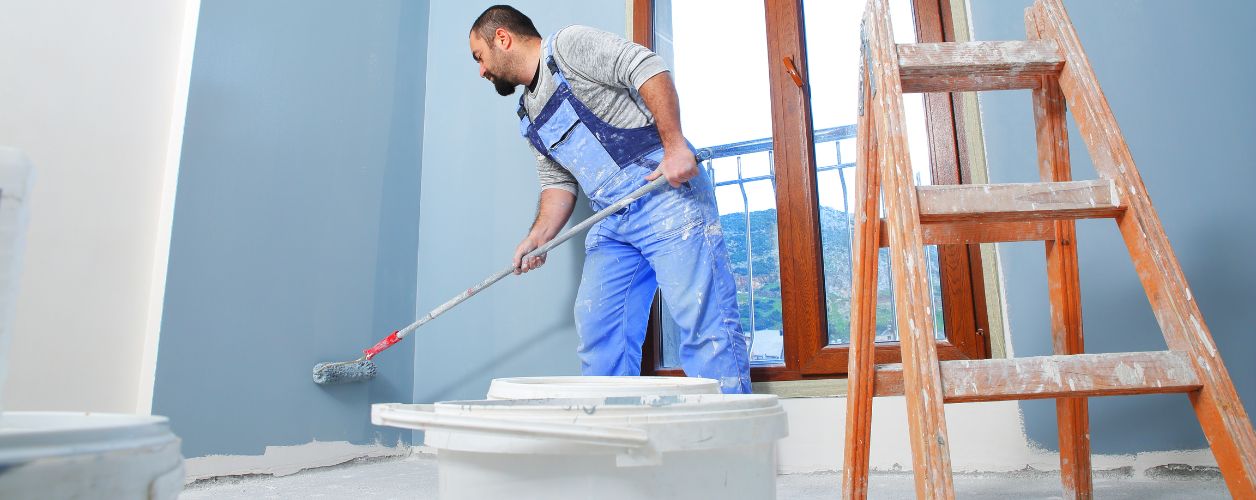
Average Home Painting Price: $1600–$2000
The average cost to paint a home varies based on size and location, but generally falls between $1,500 and $14,000. For a 1,500 sq ft home, you can expect to pay between $4,000 and $6,500.
Table Of Content
- Introduction
- Factors Influencing the Price of Painting and Decorating
- Costs of painting and decorating an Interior
- Costs of Painting and Decorating the Outside
- DIY Painting vs. Hiring a Professional Painter
- Ways to Reduce the Cost of Painting
- Selecting the Best Decorator and Painter
- Conclusion
How Much Do Painters and Decorators Cost? Complete Home Painting Price Overview
Simply, you can enhance your home’s appearance with paintings and decorating. You may update a single room or the entire house. Various factors are responsible for the home painting cost estimate. It is important to understand the cost involved in painting before investing. Multiple factors, like the job's complexity and the type of paint or finish, greatly impact prices. You will risk your investment if you do not consider these factors precisely. Painting the exterior typically costs more than interior painting, with walls costing around $2-$3 per square foot.
Our home painting price overview guidance will help you understand the costs of different painting and decorating projects. They will be accountable for each penny of your investment in the project. Subsequently, you can decide whether to do it yourself or hire a professional.
Factors Influencing the Price of Painting and Decorating
Several variables can significantly affect the price of painting and decorating. If you are aware of these factors, you can more precisely estimate the project's overall cost.
The Painting Area
More paint, effort, and time will be needed for a bigger surface area. One of the main determinants of cost is area, whether it applies to a single room or a whole house. The majority of painters bill by the hour or per square metre, and larger works often cost more overall.
Surface Conditions
The cost is greatly impacted by preparation work. Sanding, repairing, and priming will take longer if your walls have cracks, flaking paint, or uneven textures. Painting and decorating well-maintained surfaces is quicker and less expensive than painting damaged ones.
Paint and Finish Type
The difference between basic and premium paints can raise material costs by 10% to 40%. Finishes are also important; gloss, satin, eggshell, matte, and semi-gloss all have varying application needs and price points.
The job's complexity
More time and expertise are needed for doors, trims, ceilings, elaborate cornices, and multicoloured schemes. Labour expenses are higher for jobs requiring many coatings or detailed work.
Location & Access
Scaffolding or ladders may be needed for hard-to-reach places (such as outside second-story walls or high ceilings), which can increase the cost by hundreds. Additionally, prices vary by region; rates are typically higher in urban areas.
Labour Rates
- Hourly rates in main city areas are typically $40 to $70 per hour in Canada, especially in major urban centres like Toronto, Ottawa, and Vancouver, where demand, living costs, and project complexity tend to drive prices higher.
- Hourly rates in regional areas are $35 to $60 in Canada, with locations like Kelowna, Red Deer, Moncton, Thunder Bay, and Prince George typically falling within this range, depending on the trade and experience level.
These prices may change based on the project's scope and schedule, but they are normal for skilled painters and decorators.
Costs of Painting And Decorating an Interior
One of the most common and efficient ways to update a house is by painting the interior. The price can vary based on the size of the room and the extent of the job. You can have a breakdown based on different project types, which will assist you in estimating expenses.
By Size of Room
- $400–$800 for a small bedroom (10–12 sqm)
Perfect for small workplaces or guest rooms, these areas may be finished somewhat quickly, provided that the surfaces are in decent shape. - Master Bedroom for $600–$1,200 (15–20 sqm)
The time and materials needed may rise in larger rooms with more wall space and features like double doors or wardrobes. - A 25–30 square metres living room painting costs around $900–$1,800
Living rooms, which are frequently the biggest and busiest areas, can include high ceilings, feature walls, or additional trim work. - Kitchen interior painting cost is around $500 to $1,000
Kitchens are more complicated because of the cupboards, splashbacks, and appliances that must be worked around. - The bathroom interior painting cost is around $300–$700
Usually a smaller space, but the cost of materials is increased when mould- and moisture-resistant paint is used.
By Type of Work
- Walls Only: $15–$25 per sqm
This includes basic prep, two coats of paint, and clean-up. - Ceilings: $10–$15 per sqm
Often painted in flat white, ceilings can be physically demanding and may require extra care for a smooth finish. - Trim, Doors & Baseboards: $100–$300 per room
Detailing work takes time and precision, especially if multiple coats or contrasting colours are used.
Add-ons
- Wallpaper Removal: $3–$8 per sqm
Labour-intensive, depending on the type and condition of the wall underneath. - Plaster Repair: $50–$150
Small cracks and dents can be patched relatively easily, but water damage or crumbling sections will raise the price.
Costs of Painting and Decorating the Outside
If you paint your home’s exterior, that will not only improve curb appeal but also shield it from the elements. The expenses would be higher than for interior painting because of the bigger surface areas and exposure to the outdoors.
By Type of Property
- A modest one-story house: $3,000 to $6,000.
Perfect for small houses that require little preparation and have straightforward architecture. When access is easy, the prices of labor and tools go down. - Home with two stories, medium: $5,000 to $10,000
We need scaffolding and ladders for two-story homes, which raises labour and safety requirements. Additionally, there is greater wall space and paintable trim in these dwellings. - Home that is large or historic: $10,000–$20,000+
You will need to work more and use specialised paints for larger houses or historic residences. The cost might be considerably increased by restoration and heritage compliance.
Particular Surface Prices
- Outside Walls: $20 to $40 per square metre
The type of wall (brick, render, or weatherboard) and the quantity of coatings needed determine the cost. - Gutters & Fascia: $400–$800
These regions require precise brushwork and ladder access. Also, frequent specialised paints are required to withstand exposure to rain and sun. - Fencing and decking: $25–$40 per square metre
The cost of labour is increased by the requirement to sand and seal timber surfaces, occasionally with weatherproof or oil-based coatings.
Impact of Preparation
One of the most important expenses when painting the outside is preparation. For older homes with mould, filth, or flaking or chalky paint, the following steps are necessary:
- Cleaning, scraping, sanding, and priming.
- Added cost is simply based on the amount of preparation required, 20–30% of the initial estimate.
The Cost of Scaffolding
You might need Scaffolding for painting high walls or second-story exteriors.
- Typical cost to hire scaffolding: $500 to $2,000.
- This increases the final estimate significantly while guaranteeing worker safety and accessibility.
Price of Paint Types and Materials
The cost of materials has a big impact on your entire spending plan. Prices vary depending on your house’s surface and the paint selected. You can select better items for your work if you know what to anticipate.
Average Paint Prices (per 4L tin)
- Acrylic paint for the interior: $50 to $80, most frequently applied to ceilings and walls. Matte, satin, and gloss finishes are available.
- White ceiling: $40–$70, specifically designed to conceal flaws in ceilings with a flat, non-reflective coating.
- Weatherproof paint on the outside: $70–$120, designed to offer long-lasting protection from UV radiation, rain, and temperature fluctuations.
- Mould-resistant or specialty paint: $80 to $150, perfect for damp spaces where mould growth is an issue, such as bathrooms and laundry rooms. frequently contains extra fungicides.
How Many Litres Do You Need?
The majority of paints cover 12–14 square metres per litre per application. This varies, though, according to the texture of the wall and the contrast of colours.
An Example Estimate Would Be
Two coats in a 20 square metre space equals roughly 4 to 5 litres per hue (walls only).
Add extra for the trim and ceilings.
Optional Upgrades
- Eco-friendly or low-VOC paints will cost an additional 10% to 20%. This will improve your indoor air quality.
- Add 10% to 30% for premium brands or designer colour schemes.
DIY Painting vs. Hiring a Professional Painter
One of the most important choices is whether to hire a professional or do it yourself. It depends on various factors, and each one has advantages and disadvantages.
DIY: Advantages & Disadvantages
Advantages
- Savings: Labour expenses account for a significant amount of the overall cost.
- Flexible Timing: If you balance other obligations, then it is better if you can work at your own pace.Cons
Disadvantages
- Time-consuming: Proper painting requires extensive preparation, several coats, and cleanup.
- Reduced Finish Quality: Inexperienced artists are prone to missing details, uneven coats, and streaks.
- Risk of Mistakes: Inaccuracies such as paint spills or neglected primer might result in future repairs costing more money.
Advantages & Disadvantages of Hiring a Professional
Advantages
- Knowledge and Effectiveness: Experts know how to rapidly and uniformly prepare, cut in, and apply coats.
- Superior Finish: Their equipment and training produce a more polished, durable finish.
- Insurance Coverage: In the event of an emergency, insured painters pay for damages; do-it-yourselfers do not.
Disadvantages
- Higher Upfront Cost: When compared to do-it-yourself projects, labour costs can double or triple the overall project cost.
Example of a Cost Comparison
- DIY Interior Room: Around $150 to $300 (for paint, rollers, tape, and brushes)
- Professional Painter: $600–1,200 (materials and labour included)
Even if doing it yourself can save money, hiring a professional usually yields better results, especially for large-scale jobs.
Ways to Reduce the Cost of Home Painting
It's not necessary to spend a fortune painting your house. You may drastically reduce expenses without sacrificing quality with a few calculated decisions and some preparation. Here are a few doable strategies to lower your painting costs:
Obtain Several Quotes
You should always get at least two or three quotes from qualified experts. If you compare offerings, you can identify inflated prices and bargain for better deals
Combine rooms into one bundle.
It is less expensive to paint several rooms at once rather than one at a time. Larger works that are finished in a single project may qualify for a discount from painters.
Bring Your Paint
If you purchase your own paint during sales, then that will save you money. But make sure you select a finish and brand that work well together.
Prepare yourself.
You can save time on work that you can do yourself, like moving furniture, cleaning walls before your painter arrives. Your bill will be reduced if they spend less time setting up.
Select Off-Peak Hours
During the winter or non-holiday seasons, painters are frequently less busy. You can get cheaper prices if you schedule your project during certain periods.
Enquire About Package Offers
Some painters provide multiple-room or whole-house packages at a discounted price. It is better to enquire whether they are suitable for your project or not.
Selecting the Best Decorator and Painter
If you want the best results, then you must select the best decorator and painter. A trustworthy expert is experienced well regarded.
Verify insurance and licensing
Make sure your painter has current public liability insurance and is licensed, if that is necessary in your location. In the event of mishaps or damage, this safeguards both you and the craftsman.
Request references and previous work.
You must ask for samples of prior work or client endorsements, particularly for projects that are comparable to yours. A respectable painter will be pleased to display their creations.
Verify the Content of the Quote
Clearly state the cost of the materials, labour, prep work, number of coatings, and any extra services in your quote. By doing this, surprises later are avoided.
Recognize the terms of payment and warranties.
If you recognize the terms of payment and warranties, it will be better for you in the long run. A warranty shows faith in the products.
Check Reviews And Transparent Communication.
You must have transparent communication with the experts you hire. This is how you will be able to build trust between each other. You can also examine the internet evaluation for a better perspective.
If you choose your painter carefully, that will be beneficial for you in the long run.
Conclusion
Whenever you need to paint or decorate your house, you must consider the information given above to estimate the cost. Factors like the cost of painting and how to hire a professional can significantly save you money and time. You may have different requirements, but this guidance can give you the best advice you need.
Costs of various services and materials in this cost guide should be taken as estimates. These depend on location, preference and demands in the market.
YOU MIGHT ALSO BE INTERESTED IN
Capital Cities
- Painters Services in Edmonton
- Painters Services in Victoria
- Painters Services in Winnipeg
- Painters Services in Fredericton
- Painters Services in St. John's
- Painters Services in Yellowknife
- Painters Services in Halifax
- Painters Services in Iqaluit
- Painters Services in Toronto
- Painters Services in Charlottetown
- Painters Services in Quebec
- Painters Services in Regina
- Painters Services in Whitehorse