
Sorry, No Lawn & Turf Experts Available in Iqaluit
Our network of trusted Lawn & Turf experts is growing, and we’re continuously onboarding verified specialists in your area. In the meantime, you can browse professionals in nearby locations or across the state.
Related Categories in Iqaluit
- Artificial Turf Installation
- Lawn Care
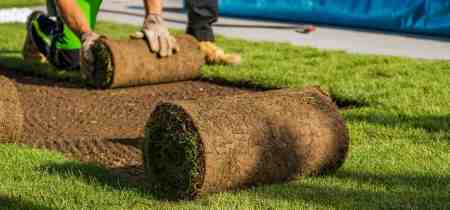
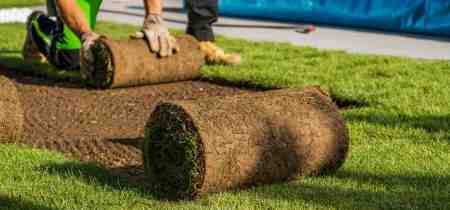
Find trusted local Iqaluit Lawn & Turf pros in minutes For free
Answers to Your Common Questions
Lawn generally refers to a natural grass area that is grown from seed or sod and maintained for residential or commercial use. Turf typically refers to pre-grown grass rolls (sod) or artificial grass that can be laid over soil for instant coverage. Turf provides quicker results, while lawns take time to establish from seed.
Popular turf varieties for Canadian climates include Kentucky Bluegrass, Perennial Ryegrass, Fine Fescue, and Tall Fescue. These cool-season grasses are well-suited for Canada’s weather, offering durability, cold resistance, and year-round green appearance when properly maintained.
Lawn seeding in Canada typically costs $0.10 to $0.20 per square foot, while natural sod turf installation ranges from $1.50 to $3.50 per square foot. Artificial turf can range from $8 to $20 per square foot depending on quality and area size. Costs vary based on site prep, accessibility, and turf type.
Yes, artificial turf is a low-maintenance, water-saving alternative to natural grass. It stays green year-round and doesn’t require mowing, watering, or fertilizing. It's ideal for high-traffic areas, pet runs, and shaded spaces where natural grass struggles. However, the upfront cost is higher than natural lawn solutions.
Seeding involves planting grass seeds in soil, which takes weeks to germinate and months to fully establish, but is highly cost-effective. Sodding involves rolling out pre-grown grass mats, giving you an instantly green, usable yard, though at a higher upfront cost.
The optimal times are during the cooler temperatures of early spring or early fall. This allows the grass to recover from the stress of the aeration process and absorb nutrients before the extreme heat of summer or the freeze of winter.
Yes, synthetic materials absorb heat and can become quite warm in direct sunlight. However, premium installers use specialized cooling infills and UV-resistant fibers to mitigate this. You can also quickly cool the turf by briefly spraying it with a hose.
When professionally installed with a proper sub-base and high-quality materials, artificial yards typically last between 15 and 20 years, even in regions with severe winter weather and freeze-thaw cycles.
No. Installing sod or synthetic materials directly over old, dying grass prevents the new roots from reaching the soil and creates a spongy, uneven surface. The old vegetation must always be fully removed and the ground leveled first.
While you won't need to mow or water it, synthetic turf is not 100% maintenance-free. It requires occasional brushing to keep the blades upright, removal of fall leaves to prevent weed growth in the infill, and rinsing if you have pets that use the yard.