
Find Garbage Disposal in Your Area
- Garbage Disposal in Edmonton
- Garbage Disposal in Victoria
- Garbage Disposal in Winnipeg
- Garbage Disposal in Fredericton
- Garbage Disposal in St. John's
- Garbage Disposal in Yellowknife
- Garbage Disposal in Halifax
- Garbage Disposal in Iqaluit
- Garbage Disposal in Toronto
- Garbage Disposal in Charlottetown
- Garbage Disposal in Quebec
- Garbage Disposal in Regina
- Garbage Disposal in Whitehorse
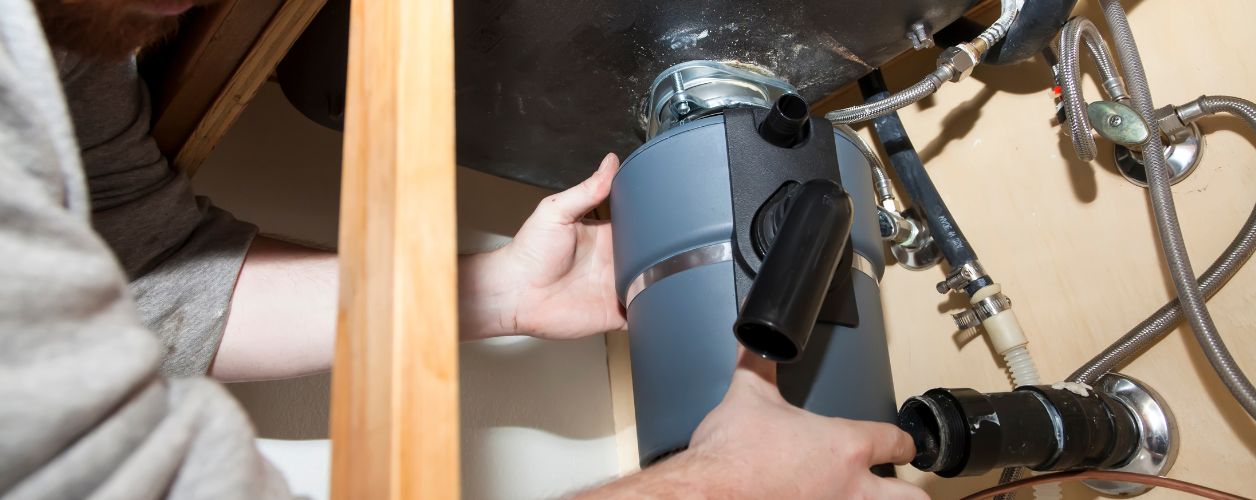
Efficient Waste Solutions: Hire Garbage Disposal Experts Near You in Canada
A functioning kitchen relies heavily on efficient waste management, making the under-sink food grinder an essential appliance for daily cleanup. Garbage disposal services encompass the troubleshooting, repair, replacement, and initial installation of these units. People typically seek out these services when their unit suddenly stops working, begins making alarming grinding or humming noises, jams persistently, or develops a leak that threatens the cabinetry below.
While it can be tempting to reach for a wrench and attempt a DIY fix, hiring a professional is highly recommended. These appliances sit directly at the intersection of your home's plumbing and electrical systems. An experienced technician ensures that the wiring is handled safely and that all plumbing seals are watertight. When you hire a professional, you can expect a prompt diagnosis of the issue, clear advice on whether a simple repair or a full replacement makes the most financial sense, and a clean, stress-free resolution that gets your kitchen back in working order.
Your Future Garbage Disposal Hero Is Just One Task Away — Let’s Find Them
What to Expect: Services, Pricing, and the Repair Process
The scope of work in this category covers a range of common kitchen plumbing and appliance needs. Understanding what these entail can help you make an informed decision when evaluating your options.
Common Services Performed
- Jam Clearing and Resetting: Safely dislodging foreign objects like silverware, fruit pits, or fibrous vegetables that have locked the internal impellers.
- Leak Repair: Replacing worn-out gaskets, tightening loose plumbing connections, or sealing the sink flange.
- Component Replacement: Swapping out damaged internal components, though this is often weighed against the cost of a totally new unit.
- New Installations: Removing a dead unit and wiring, mounting, and sealing a brand-new appliance.
The Service Process
A standard service call begins with safety. The technician will disconnect the power source and evaluate the unit. If the unit is jammed, they will use specialized tools to manually turn the motor and free the obstruction. If the issue is a leak or a dead motor, they will inspect the housing for cracks and test the electrical connections. When a replacement is necessary, the professional will detach the existing unit from the sink flange and the dishwasher drain line, install the new mounting bracket, secure the new unit, and run water through the system to ensure there are absolutely no leaks.
Factors Influencing Cost and Timelines
Most repairs or installations are relatively quick, often completed within one to two hours. Pricing is heavily influenced by whether you are repairing or replacing the appliance. If you need a new unit, the cost will vary based on motor power. A basic 1/3 horsepower model designed for light use will be highly affordable, while a heavy-duty 1 horsepower model built for large households and tough food scraps will carry a higher price tag. Additional costs may arise if your existing under-sink plumbing requires modification to accommodate a unit of a different size or brand.
Common Challenges
Homeowners often face secondary challenges, such as hidden water damage. A slow, unnoticed leak from a cracked disposal body can warp the base of your kitchen cabinet over time. Additionally, older homes might present electrical challenges, such as lacking a dedicated outlet under the sink, which may require minor electrical modifications to bring the new installation up to current safety standards.
Your Future Garbage Disposal Hero Is Just One Task Away — Let’s Find Them
Practical Guidance for a Smooth Service Experience
Finding the right professional and properly preparing for their visit can save you time, money, and frustration. Knowing what to look for and what questions to ask ensures you get reliable service that lasts.
Identifying Quality Professionals
A trustworthy professional will be transparent about their pricing structure and willing to explain the root cause of your appliance's failure. Look for providers who offer clear communication, arrive with the necessary tools and common replacement parts on hand, and have a solid reputation for leaving workspaces clean. They should also prioritize safety, demonstrating a clear understanding of both the plumbing and electrical elements involved.
Mistakes to Avoid
- Using harsh chemical cleaners: Pouring drain-clearing chemicals into a broken or jammed disposal can severely damage the internal plastic and metal components. Worse, it creates a serious splash hazard for the technician who eventually comes to work on it.
- Buying the wrong size unit: If you are purchasing the replacement unit yourself, avoid buying a low-horsepower model if you cook frequently. It will burn out quickly under heavy use.
- Ignoring strange sounds: A unit that hums but does not spin is drawing electricity and overheating. Leaving it turned on can destroy the motor entirely.
Preparation Tips
Before the technician arrives, completely empty the cabinet beneath your kitchen sink. Removing cleaning supplies, trash cans, and stored items provides the professional with immediate, unobstructed access to the appliance and surrounding plumbing. Additionally, make a mental note of the symptoms: when did it stop working, what sound is it making, and was a specific type of food put down the drain right before the issue occurred?
Questions to Ask Before Booking
- Do you charge a flat rate for installation, or do you bill by the hour?
- Will you haul away and properly dispose of the old unit?
- If a replacement is needed, do you supply the appliance, or should I purchase one beforehand?
- Do you provide any guarantees on your labor in case it leaks shortly after installation?
Best Practices Post-Service
Once your unit is repaired or newly installed, proper maintenance is key to its longevity. Always run a steady stream of cold water before, during, and for a few seconds after grinding food waste. This helps solidify fats so they can be chopped up and flushed away safely. Avoid putting fibrous materials like celery, onion skins, or coffee grounds into the system, as these are the most frequent culprits for future clogs and jams.
Cost Guide
Find Garbage Disposal in States
- Garbage Disposal in Alberta
- Garbage Disposal in British Columbia
- Garbage Disposal in Manitoba
- Garbage Disposal in New Brunswick
- Garbage Disposal in Newfoundland and Labrador
- Garbage Disposal in Northwest Territories
- Garbage Disposal in Nova Scotia
- Garbage Disposal in Nunavut
- Garbage Disposal in Ontario
- Garbage Disposal in Prince Edward Island
- Garbage Disposal in Quebec
- Garbage Disposal in Saskatchewan
- Garbage Disposal in Yukon
Answers to Your Common Questions
A garbage disposal is a motorized kitchen appliance installed under the sink that grinds up food scraps so they can be safely washed down the drain. It's a convenient way to manage organic kitchen waste and reduce household garbage.
In Canada, garbage disposal installation typically costs between $200 and $600+, depending on the unit type, plumbing configuration, and labour required. If electrical work is needed, that may add to the total cost.
Minor issues like jams, odours, or clogs can usually be repaired. However, if the motor burns out, the blades are dull, or the unit is leaking severely, replacement is often the better option—especially for older models.
Most installations or repairs take 1 to 2 hours. Time may vary based on the complexity of the plumbing and whether electrical work is involved.