
Find Arborists in Your Area
- Arborists in Edmonton
- Arborists in Victoria
- Arborists in Winnipeg
- Arborists in Fredericton
- Arborists in St. John's
- Arborists in Yellowknife
- Arborists in Halifax
- Arborists in Iqaluit
- Arborists in Toronto
- Arborists in Charlottetown
- Arborists in Quebec
- Arborists in Regina
- Arborists in Whitehorse
Find Reliable Arborists Near You And Take Care Of Your Garden Perfectly
Trees are vital components of any landscape, providing aesthetic beauty, shade, and significant environmental benefits. However, maintaining the health and safety of large trees requires more than just a basic understanding of gardening; it requires the specialized knowledge of an arborist. An arborist is a professional trained in the art and science of planting, caring for, and maintaining individual trees. Unlike general landscapers, these specialists understand the biological needs of various species and are equipped to diagnose diseases, manage structural integrity, and perform high-risk removals when necessary.
Homeowners and commercial property managers often find themselves in situations where professional intervention is unavoidable. Whether it is a maple tree showing signs of rot, an oak that has grown dangerously close to power lines, or the aftermath of a severe ice storm that has left branches hanging precariously, the expertise of a tree care specialist is essential. These professionals use specialized equipment and rigging techniques to navigate the complexities of urban forestry, ensuring that property is protected and the trees remain an asset rather than a liability. In Canada, where seasonal shifts can be extreme, the role of an arborist becomes even more critical in preparing trees for heavy snow loads and high winds.
Engaging a professional ensures that tree care is performed safely and scientifically. Improper techniques, such as "topping" a tree, can lead to permanent damage or create future hazards. By hiring a certified expert, property owners invest in the longevity of their landscape. These specialists provide a comprehensive approach, from the soil and roots up to the highest canopy, ensuring that every intervention supports the tree's natural growth patterns and structural stability.
Common Services Provided by Arborists
- Tree Pruning and Trimming: The systematic removal of specific branches to improve the tree's structure, health, and appearance while reducing the risk of falling limbs.
- Emergency Tree Removal: Rapid response services to remove trees or large branches that have fallen or become unstable due to storms, ice, or high winds.
- Stump Grinding and Removal: Using specialized machinery to grind a tree stump below ground level, allowing for replanting or turf installation.
- Health Assessments and Diagnostics: Professional inspections to identify pests, fungal infections, or nutrient deficiencies that may be affecting the tree’s vitality.
- Tree Cabling and Bracing: Installing hardware to provide supplemental support to structurally weak trees, helping them withstand heavy snow or wind.
- Hedge Trimming and Maintenance: Large-scale shaping and maintenance of privacy hedges to ensure they remain dense and healthy.
- Arborist Reports and Assessments: Detailed written documentation often required for municipal permits, construction projects, or insurance claims.
- Tree Planting and Species Selection: Guidance on choosing the right tree for the specific soil type and climate of your property to ensure long-term survival.
- Root Management and Protection: Addressing issues where roots interfere with foundations or sidewalks, and protecting root zones during construction.
- Hazardous Tree Identification: Evaluating the risk level of leaning or decaying trees to prevent potential property damage or personal injury.
- Deep Root Fertilization: Injecting specialized nutrients directly into the root zone to promote growth in urban environments where soil quality may be poor.
- Land Clearing: The professional removal of trees and vegetation to prepare a lot for new construction or landscaping projects.
- Tree Disease Treatment: Application of targeted treatments to combat common issues like Dutch Elm Disease, Emerald Ash Borer, or Black Knot.
- Palm Tree Maintenance: Specialized pruning and care for specific species found in milder coastal regions.
- Vegetation Management: Controlling invasive species or overgrown brush to maintain the ecological balance of a property.
Your Future Arborists Hero Is Just One Task Away — Let’s Find Them
How the Professional Tree Care Process Works
Hiring an arborist involves a structured process designed to ensure safety and precision. Because working with large trees is inherently dangerous, professionals follow a set of protocols from the initial consultation to the final cleanup. Understanding these steps can help property owners prepare for the arrival of a crew and know what to expect during the project.
- Site Assessment and Consultation: The process begins with a walkthrough of the property. The specialist examines the tree's species, condition, and surroundings (such as proximity to buildings, fences, or utility lines).
- Detailed Proposal: After the assessment, you will receive a plan that outlines the recommended work. This includes the specific techniques to be used, the equipment required, and a clear breakdown of the costs involved.
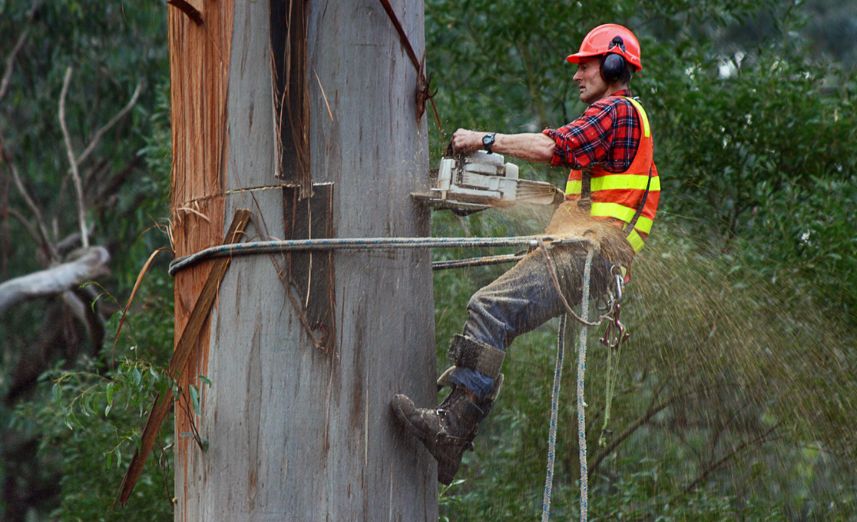
- Safety Preparation and Rigging: On the day of the service, the crew sets up a safety perimeter. If a tree is being pruned or removed, climbers or bucket truck operators use advanced rigging systems—ropes, pulleys, and carabiners—to control the descent of heavy wood.
- Execution of Service: The actual work, whether it is meticulous pruning or a complex removal, is carried out. Professionals use high-grade chainsaws and cutting tools, following the plan to minimize stress on the tree and the surrounding landscape.
- Debris Management and Processing: Once the cutting is complete, the wood is either cut into firewood, chipped into mulch on-site, or hauled away. Large branches are processed through a wood chipper to make the cleanup efficient.
- Final Cleanup and Site Inspection: The crew clears the area of sawdust and smaller twigs. A final walkthrough is performed to ensure all objectives were met and the site is left in a tidy condition.
How to Choose the Right Tree Care Professional
Verify Certification and Credentials
One of the most important factors in choosing a professional is their certification. Look for specialists who hold credentials from recognized industry bodies, such as the International Society of Arboriculture (ISA). Certification ensures the individual has passed rigorous exams and stays updated on the latest biological and safety standards. This is a clear indicator that they view tree care as a science, not just a labor task.
Prioritize Safety and Insurance
Tree work is high-risk. Always confirm that the company carries comprehensive liability insurance and workers' compensation coverage. This protects you as a homeowner from being held liable for any accidents or property damage that might occur during the job. A reputable professional will have no hesitation in providing proof of insurance upon request.
Evaluate Equipment and Techniques
The right professional should have the appropriate gear for the job. This includes modern climbing gear, well-maintained chainsaws, and safety equipment like helmets and high-visibility clothing. Ask about their techniques; for example, they should never use climbing spikes on a tree that is not being removed, as these can cause permanent damage to a living tree's bark.
Assess Communication and Professionalism
From the initial phone call to the written estimate, pay attention to their level of professionalism. Are they clear about what they are doing? Do they explain the "why" behind a recommendation? A good specialist will take the time to educate you on the health of your trees and provide transparent, honest advice rather than simply pushing for the most expensive service.
Understanding Pricing Factors for Arborist Services
The cost of hiring an arborist can vary significantly depending on the scope of the project. While it may be tempting to go with the lowest bid, it is crucial to understand that pricing often reflects the expertise, equipment, and insurance coverage the professional provides. In Canada, you can generally expect to pay anywhere from $300 for minor pruning to over $5,000 for the removal of a massive, hazardous tree in a confined space.
| Service Type | Average Cost Range ($) | Primary Cost Drivers |
|---|---|---|
| Small Tree Pruning | $250 - $600 | Tree height, access, and volume of debris. |
| Large Tree Removal | $800 - $3,500+ | Location, proximity to structures, and tree health. |
| Stump Grinding | $150 - $500 | Diameter of the stump and depth of grinding. |
| Emergency Storm Cleanup | $500 - $2,000+ | Urgency, complexity of hazards, and time of day. |
| Arborist Consultations | $150 - $400 | Detail of the report and travel time. |
Several factors influence the final quote. **Tree Size and Height** are the most obvious, as taller trees require more specialized climbing or bucket trucks. **Location and Accessibility** also play a role; a tree in an open field is much easier to service than one tucked between two houses or hanging over a pool. Additionally, the **Condition of the Tree** affects the price—a dead or decaying tree is often more dangerous to climb, requiring more careful rigging and potentially more labor-intensive methods.
Your Future Arborists Hero Is Just One Task Away — Let’s Find Them
Common Use Cases and Problems Solved
There are many scenarios where property owners need the specialized intervention of a tree care expert. Understanding these common use cases can help you identify when it is time to call in a professional before a minor issue becomes a major liability.
- Structural Failure Signs: Deep cracks in the trunk, "included bark" (where two stems grow too closely together), or fungi growing at the base are signs that a tree’s structural integrity is compromised.
- Encroachment Issues: Trees that have grown too close to rooflines, chimneys, or power lines need professional clearance to prevent structural damage or fire hazards.
- Storm Damage Vulnerability: After a heavy ice storm or high winds, trees often have "hangers"—broken branches caught in the canopy that can fall at any moment.
- Invasive Pest Infestations: Species-specific pests can decimate local tree populations. Professionals can identify these early and suggest treatment or removal to prevent the spread to neighboring trees.
- New Construction Protection: If you are building an addition or a new driveway, an arborist can help you create a tree protection zone to ensure heavy machinery doesn't compact the soil and kill the root system.
- Restoring Views or Sunlight: Overgrown canopies can block natural light from entering homes or prevent sunlight from reaching gardens and lawns below.
Questions to Ask Before You Hire
To ensure you are getting the best service and protecting your investment, ask these targeted questions during the consultation phase:
- Can you provide a copy of your current liability insurance and WCB/WorkSafe coverage?
- Are you an ISA Certified Arborist, or will there be one supervising the work on-site?
- What is your specific plan for accessing the tree, and what equipment will you use?
- How do you handle cleanup, and is the cost of debris removal included in the quote?
- Will you be using climbing spikes on my living trees (which should generally be avoided for pruning)?
- How long do you estimate the job will take, and do you have a specific safety plan for this site?
- Can you provide references from similar projects in the area?
Common Mistakes to Avoid
Many property owners make decisions that can lead to higher costs or damaged landscapes. Avoid these frequent pitfalls:
- Choosing Based Only on Price: The cheapest quote often comes from uninsured or uncertified individuals who may use unsafe practices or cause long-term damage to your trees.
- Allowing Tree Topping: Topping—cutting off the top of a tree—is a harmful practice that leads to weak regrowth and high levels of stress for the tree. A true professional will suggest "crown reduction" instead.
- Waiting for a Tree to Fail: It is much cheaper to prune or stabilize a tree than it is to remove it once it has fallen on a house or car. Proactive maintenance is always more cost-effective.
- Ignoring Municipal Permits: Many regions have strict bylaws regarding tree removal and even heavy pruning. Hiring someone who ignores these can lead to heavy fines for the homeowner.
- Neglecting Stump Removal: Leaving a stump can lead to pest issues (like termites or ants) and creates a tripping hazard. It is usually best to have it ground down at the time of removal.
Related Categories for Arborists
Find Arborists in States
- Arborists in Alberta
- Arborists in British Columbia
- Arborists in Manitoba
- Arborists in New Brunswick
- Arborists in Newfoundland and Labrador
- Arborists in Northwest Territories
- Arborists in Nova Scotia
- Arborists in Nunavut
- Arborists in Ontario
- Arborists in Prince Edward Island
- Arborists in Quebec
- Arborists in Saskatchewan
- Arborists in Yukon
Answers to Your Common Questions
An arborist is a tree care specialist trained in the health, safety, and maintenance of trees. They handle services like pruning, disease diagnosis, tree removal, cabling, fertilization, and consultations for construction near trees.
You should hire an arborist when a tree shows signs of disease, structural weakness, or damage, or if you’re planning major landscaping, construction, or tree removal. Certified arborists can also provide official reports for insurance or city permits.
Consultation fees typically start at $100 to $300, while services like pruning or removal can range from $200 to $2,000+, depending on the tree’s size, condition, and location.
While both work with trees, arborists are trained and certified professionals who understand tree biology and safety protocols, whereas general tree trimmers may lack formal training and focus more on appearance than long-term health.
For most species, late winter or early spring—while the tree is still dormant—is the ideal time. This allows the tree to heal quickly as growth begins in the spring and makes it easier for the arborist to see the structure of the tree without leaves. However, dead or hazardous branches should be removed immediately regardless of the season.
Signs of a dying tree include brittle branches that snap easily, bark falling off in large chunks, and a lack of leaves in the spring. Stress can look similar but is often reversible through deep root fertilization or improved watering. An arborist can perform a "scratch test" on the bark to check for living tissue underneath.
In many Canadian municipalities, permits are required if the tree exceeds a certain diameter or is a protected species. Professionals are usually familiar with these local regulations and can often assist with the application process or provide the necessary arborist report.
Stump grinding is generally preferred because it is less invasive to the surrounding landscape. Pulling a stump out with heavy machinery can damage the root systems of nearby trees and leave a massive hole that is difficult to fill and settle correctly.